When you're dealing with a sports injury, knowing the right treatments can make all the difference in your recovery. You might find that methods like the R.I.C.E. approach and physical therapy serve as foundational steps, but there's so much more to explore. Techniques such as advanced injection therapies and specific rehabilitation exercises could greatly enhance your healing process. Curious about how these treatments can specifically benefit you and get you back in the game? Let's take a closer look at what options are available.
R.I.C.E. Method
When you suffer a sports injury, the R.I.C.E. method—Rest, Ice, Compression, and Elevation—can be your best first aid strategy. This approach helps minimize pain, reduce swelling, and promote healing effectively.
First, give yourself some time to rest. Stop any activity immediately to avoid further damage to the injured area. Even light movements can worsen the injury, so it's essential to take a break until you feel ready to move again.
Next, apply ice to the affected area. Use a cloth or towel to wrap ice or a cold pack, and place it on the injury for about 15-20 minutes every hour. This will help numb the pain and reduce inflammation. Avoid direct contact with ice to prevent frostbite.
Compression is your third step. Wrap the injured area with an elastic bandage or a compression wrap. This provides support and helps control swelling. Just make sure the wrap isn't too tight, as you don't want to cut off circulation.
Finally, elevate the injured body part. If possible, prop it up so it's above the level of your heart. This will help decrease swelling and promote blood flow to the area, which aids in healing.
Physical Therapy
Exploring physical therapy can be a game-changer for recovering from sports injuries. It offers a structured approach to healing that focuses on restoring your strength, flexibility, and overall function. When you work with a physical therapist, they'll assess your specific injury and develop a personalized treatment plan tailored to your needs.
One of the key aspects of physical therapy is targeted exercises. These exercises help you regain strength in the affected area while also promoting proper movement patterns. By focusing on these specific movements, you can reduce the risk of future injuries and improve your overall performance in your sport.
In addition to exercises, your therapist may incorporate various techniques like ultrasound therapy or electrical stimulation. These modalities can help reduce pain and inflammation, allowing you to progress more quickly through your recovery. They'll educate you on proper biomechanics, ensuring you understand how to move safely and efficiently.
Another important element is the emphasis on patient education. Your therapist will teach you about your injury, the healing process, and effective strategies to manage your recovery at home. This empowers you to take charge of your rehabilitation, making it easier to stick to your plan.
Ultimately, committing to physical therapy can greatly enhance your recovery journey. By following through with the prescribed exercises and advice, you'll not only heal from your injury but also build a stronger foundation for your athletic career moving forward.
Don't underestimate the value of professional guidance in your recovery!
Massage Therapy
After physical therapy, incorporating massage therapy into your recovery plan can provide significant benefits for sports injuries. Massage therapy targets muscle tension, improves circulation, and enhances flexibility, all of which are essential for recovery. When you engage in massage therapy, you're not just alleviating pain; you're also promoting healing in the affected areas.
One of the primary advantages of massage therapy is its ability to reduce muscle soreness. After intense training or competition, your muscles can feel tight and fatigued. Regular massages help break down scar tissue and improve muscle elasticity, which can expedite your recovery process.
Plus, the relaxation you experience during a massage can help lower stress hormones, contributing to an overall sense of well-being.
You'll find that different techniques—like deep tissue, sports massage, and trigger point therapy—can be tailored to your specific needs. A skilled massage therapist can identify the areas that require the most attention and work on them effectively.
This targeted approach not only helps with recovery but also enhances your performance by keeping your muscles in peak condition.
Incorporating massage therapy into your routine can also lead to improved range of motion and decreased risk of future injuries. By regularly addressing tight muscles and imbalances, you're setting yourself up for long-term success.
Chiropractic Care
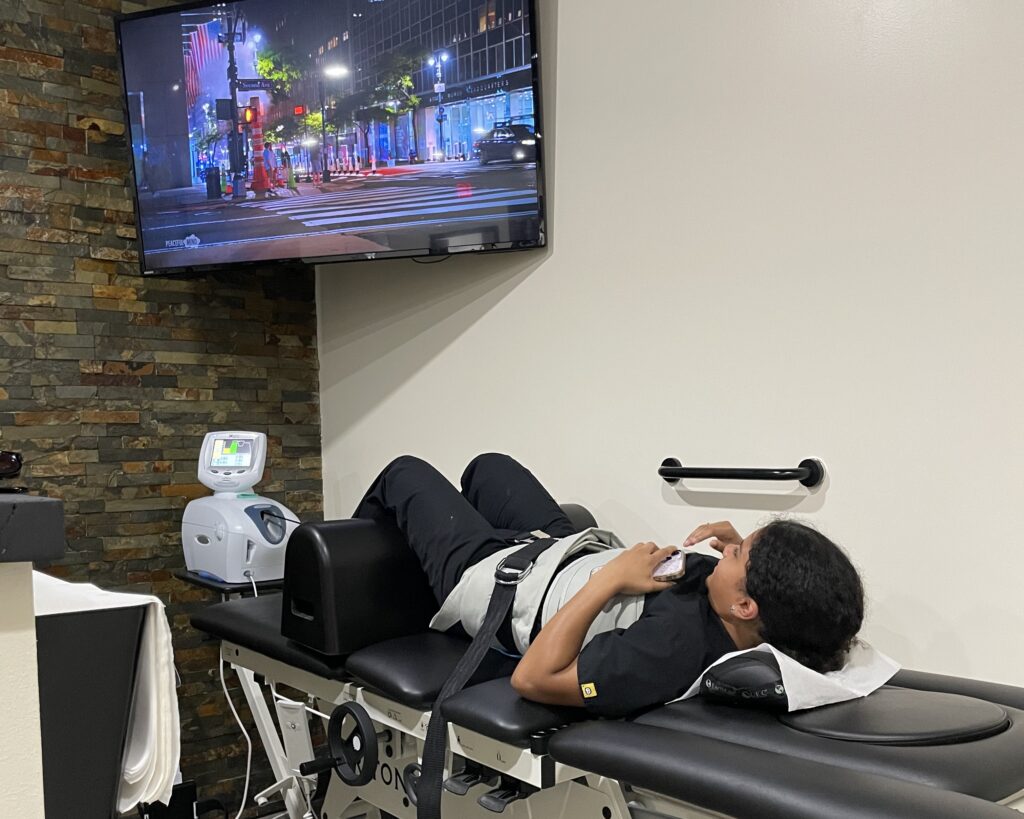
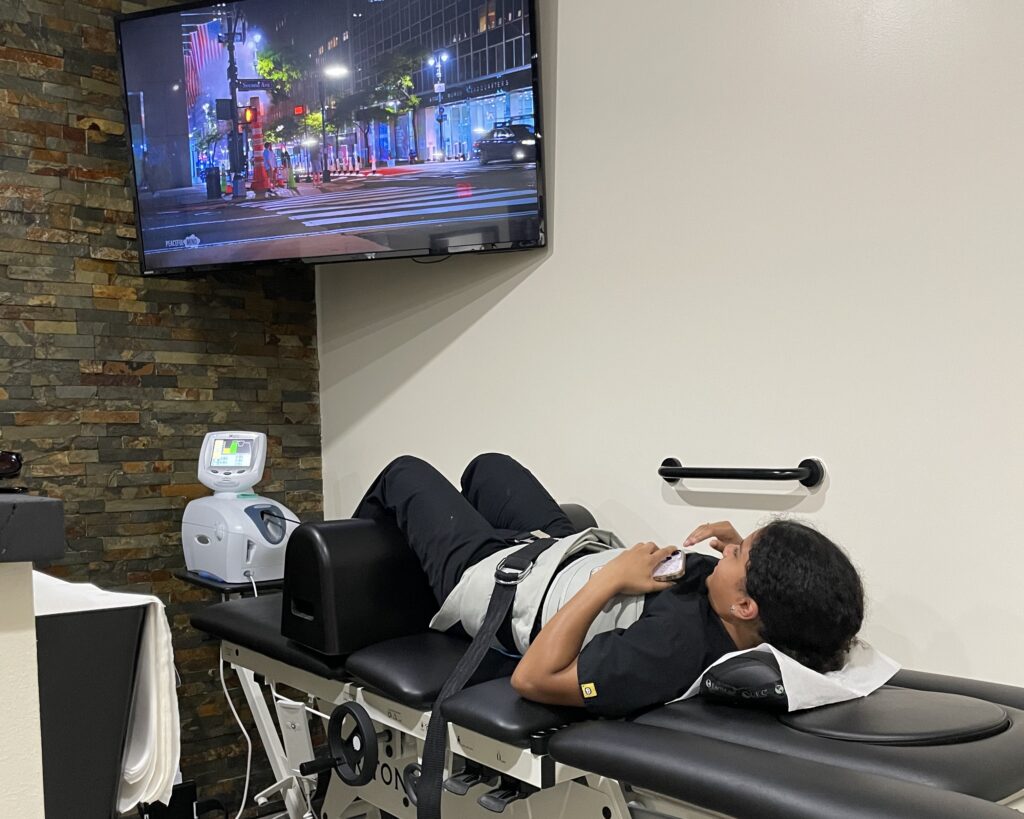
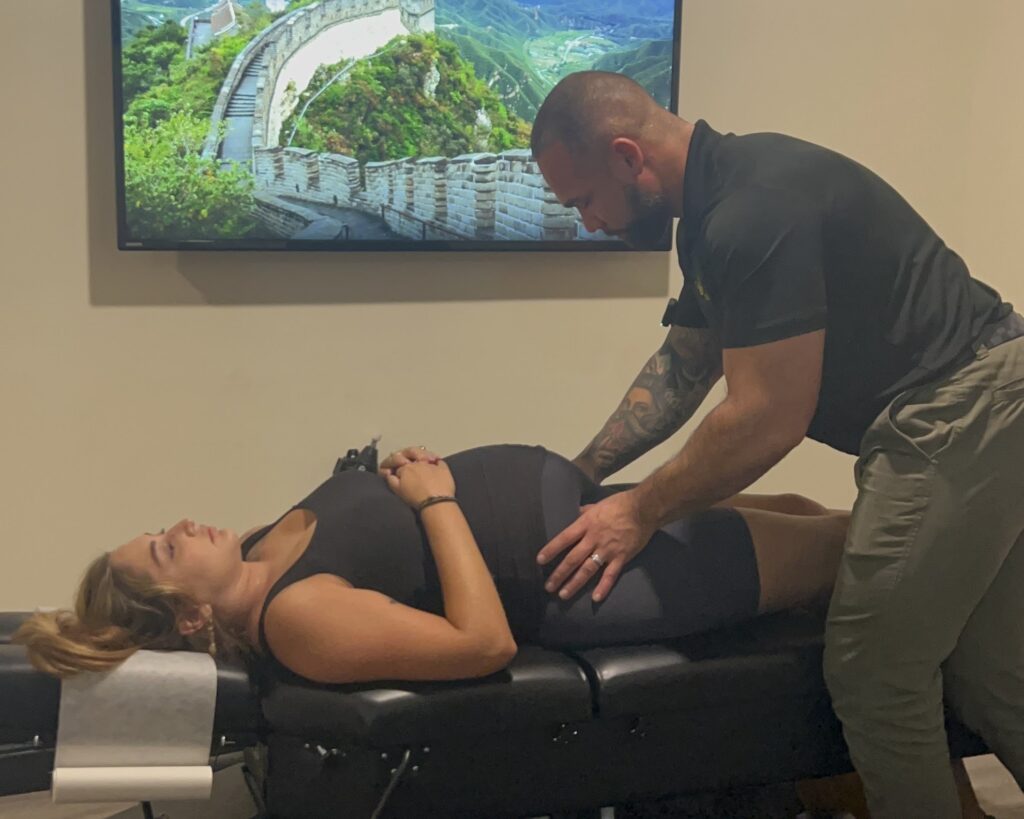
Chiropractic care plays an essential role in maintaining spinal alignment, which can greatly enhance your overall performance.
By focusing on injury rehabilitation techniques, chiropractors help you recover faster and regain strength.
If you're dealing with a sports injury, it's time to reflect on how chiropractic adjustments can support your healing journey.
Spinal Alignment Benefits
One of the key benefits of spinal alignment through chiropractic care is its ability to enhance overall athletic performance. When your spine is properly aligned, your body functions more efficiently, allowing you to move with greater ease and strength. This can be especially vital for athletes who rely on precise movements and ideal coordination.
With regular chiropractic adjustments, you'll likely notice improved range of motion and reduced muscle tension. This means you can train harder and longer without experiencing the same level of fatigue or discomfort.
Furthermore, spinal alignment can help prevent injuries by ensuring that your body is balanced and that your joints are functioning correctly.
Chiropractic care also plays a role in promoting better posture. Good posture not only helps you look confident but also reduces the risk of repetitive strain injuries. When your spine is aligned, it supports your body during physical activities, ensuring that force is distributed evenly across your muscles and joints.
Incorporating spinal alignment into your routine can boost your performance, keep you injury-free, and enhance your overall well-being as an athlete.
Embrace chiropractic care, and you'll likely see significant benefits both on and off the field.
Injury Rehabilitation Techniques
How can injury rehabilitation techniques, particularly through chiropractic care, help you recover faster and get back to your sport? Chiropractic care focuses on optimizing your body's natural healing abilities, allowing you to regain strength and mobility efficiently.
Here are three key ways chiropractic techniques can aid your rehabilitation:
- Spinal Adjustments: Regular adjustments can correct misalignments that may be contributing to your pain. This can enhance nerve function and promote better overall movement.
- Soft Tissue Therapy: Chiropractors often use various soft tissue techniques to target muscle tension and scar tissue. This helps reduce pain and improve flexibility, allowing you to return to your sport sooner.
- Exercise Rehabilitation: Your chiropractor can design a personalized exercise program that focuses on strengthening injured areas and restoring balance. These targeted exercises will help prevent future injuries and enhance your performance.
Embracing chiropractic care as part of your injury rehabilitation can greatly improve your recovery process.
Advanced Injection Therapies
Advanced injection therapies have revolutionized the way athletes manage and recover from sports injuries. These innovative treatments offer targeted relief and can greatly enhance your healing process. By utilizing advanced techniques, you can experience quicker recovery times and improved performance, allowing you to get back to the game you love faster.
One of the most popular options is platelet-rich plasma (PRP) therapy. This involves drawing your blood, processing it to concentrate the platelets, and then injecting it directly into the injured area. The growth factors in the platelets stimulate healing and tissue regeneration, making it particularly effective for tendon injuries and joint pain.
Another promising therapy is stem cell injection. By using stem cells—either harvested from your own body or donated—this treatment aims to repair damaged tissues and promote healing. Stem cell injections can be beneficial for chronic conditions like osteoarthritis or severe tendon injuries.
Corticosteroid injections are also commonly used for inflammation and pain relief. While they can provide quick relief, it's important to use them judiciously to avoid potential side effects, such as joint damage over time.
Hyaluronic acid injections are often employed for knee osteoarthritis, offering lubrication and cushioning to the joint, which can greatly reduce pain and improve mobility.
Rehabilitation Exercises
While advanced injection therapies can provide significant relief, incorporating rehabilitation exercises is essential for a full recovery from sports injuries.
These exercises help restore strength, flexibility, and functionality to the affected area, reducing the risk of re-injury. Here are three key types of rehabilitation exercises you should consider:
1. Range of Motion Exercises: Start with gentle movements to improve flexibility.
These exercises help keep your joints mobile and prevent stiffness. Focus on slow, controlled motions, gradually increasing your range as you feel comfortable.
2. Strengthening Exercises: Once you regain some flexibility, it's time to build strength.
Target the muscles surrounding the injured area to provide better support and stability. Use resistance bands or light weights, and aim for high repetitions with low resistance to start.
3. Balance and Coordination Exercises: As you progress, incorporate balance exercises to enhance your stability.
Activities like standing on one leg or using a balance board can help you regain your confidence and coordination, which are vital for returning to your sport safely.
Conclusion
In summary, finding the right treatment for your sports injury is essential for a speedy recovery. Whether you choose the R.I.C.E. method, physical therapy, or advanced injection therapies, each option plays an important role in your healing process. Don't forget the benefits of massage therapy and chiropractic care, along with targeted rehabilitation exercises to restore functionality. By taking the right steps, you can get back to your sport stronger and more resilient than ever.