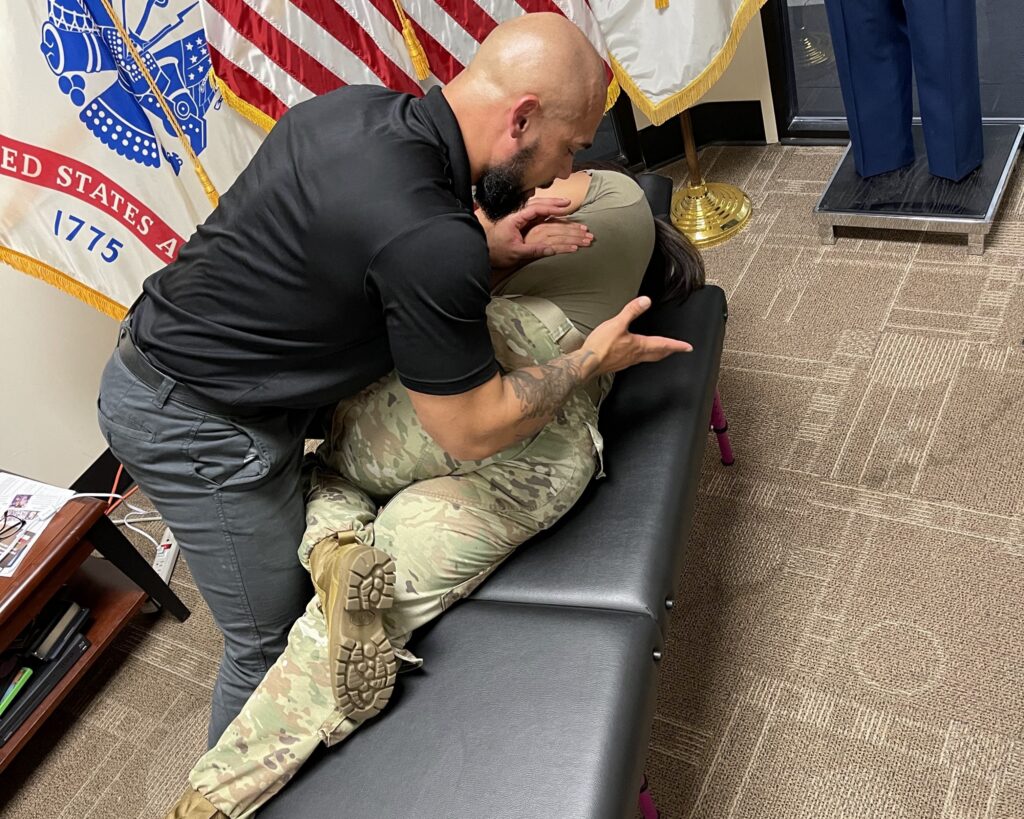

Pregnancy is an incredible journey filled with anticipation, joy, and significant physical changes. As your body adapts to accommodate your growing baby, you may experience discomfort, pain, or postural changes that affect your daily life. Many expectant mothers in Cocoa, FL are discovering that prenatal chiropractic care can make pregnancy more comfortable while supporting their body’s natural ability to prepare for birth. If you’re experiencing back pain, pelvic discomfort, or general pregnancy-related aches, understanding how specialized chiropractic care during pregnancy works may help you make informed decisions about your prenatal wellness.
What is prenatal chiropractic care? Prenatal chiropractic care is specialized, gentle chiropractic treatment designed specifically for pregnant women. It focuses on maintaining proper spinal alignment and pelvic balance throughout pregnancy using safe, modified techniques that accommodate your changing body and protect both you and your baby.
Table of Contents
- Why Pregnancy Affects Your Spine and Pelvis
- Key Benefits of Prenatal Chiropractic Care
- How Prenatal Chiropractic Care Differs from Regular Adjustments
- The Webster Technique: Supporting Optimal Fetal Positioning
- Common Pregnancy Conditions That May Benefit from Chiropractic Care
- What to Expect During a Prenatal Chiropractic Visit
- Safety Considerations and When to Seek Care
- Treatment Approaches Comparison
- Myths vs. Facts About Prenatal Chiropractic Care
- Supporting Your Pregnancy Journey in Cocoa
Why Pregnancy Affects Your Spine and Pelvis
Understanding why pregnancy creates musculoskeletal challenges helps explain why prenatal chiropractic care can be beneficial. Your body undergoes remarkable transformations during these nine months, and many of these changes directly impact your spine, pelvis, and nervous system.
As your baby grows, your center of gravity shifts forward. This natural change causes your lower back to curve more dramatically, placing additional stress on the lumbar spine and surrounding muscles. Many women develop an increased lordotic curve, which can lead to lower back pain and discomfort that intensifies as pregnancy progresses.
Hormonal changes play a significant role as well. Your body produces relaxin, a hormone that loosens ligaments throughout your pelvis to prepare for childbirth. While this is necessary for delivery, it also creates joint instability that can affect your sacroiliac joints, pubic symphysis, and spinal alignment. This increased joint mobility can contribute to pelvic pain and difficulty walking or changing positions.
Weight gain during pregnancy, though healthy and necessary, adds mechanical stress to your spine and weight-bearing joints. The additional weight your body carries affects how you move, stand, and sleep. Combined with postural adaptations and muscle imbalances, these factors create a perfect storm for discomfort that many expectant mothers experience.
Your ribcage also expands to accommodate your growing uterus and changing lung capacity. This expansion can create tension in the mid-back and contribute to breathing difficulties or rib pain, particularly in the third trimester. The interconnected nature of your musculoskeletal system means that changes in one area affect others throughout your body.
Key Benefits of Prenatal Chiropractic Care
Prenatal chiropractic care offers numerous potential benefits that support both comfort during pregnancy and preparation for labor and delivery. Research suggests that maintaining proper spinal alignment and pelvic balance throughout pregnancy may contribute to a more comfortable experience overall.
One of the most commonly reported benefits is reduced back pain. Studies have shown that chiropractic care may help manage pregnancy-related low back pain, which affects an estimated 50-70% of pregnant women. By addressing spinal misalignments and improving joint function, gentle adjustments can help reduce the mechanical stress contributing to discomfort.
Improved pelvic balance is another significant benefit. When your pelvis is properly aligned, it creates more room for your baby to move into the optimal position for birth. The American Pregnancy Association recognizes that balanced pelvic alignment may reduce intrauterine constraint, allowing babies to move more freely within the uterus.
Many women report better sleep quality after beginning prenatal chiropractic care. Since back pain, hip discomfort, and difficulty finding comfortable positions are common sleep disruptors during pregnancy, addressing the underlying musculoskeletal issues may help you rest more effectively. Better sleep supports overall health and energy levels during this demanding time.
Reduced labor time is a potential benefit that has been explored in chiropractic research. While individual experiences vary, some studies suggest that women receiving chiropractic care during pregnancy may experience shorter labor times compared to those who don’t. This may be related to improved pelvic alignment and nervous system function, though more research is needed to fully understand this relationship.
Here at Chiro Studio in Cocoa, we’ve seen many expectant mothers experience improved overall comfort and mobility throughout their pregnancies. Prenatal chiropractic care may also help with headaches, sciatica, round ligament pain, and general pregnancy-related discomfort, supporting your body’s ability to adapt to the incredible changes taking place.

How Prenatal Chiropractic Care Differs from Regular Adjustments
Prenatal chiropractic care requires specialized training and modified techniques to ensure safety and comfort for both mother and baby. Chiropractors who work with pregnant patients understand the unique anatomical and physiological changes of pregnancy and adapt their approach accordingly.
Special tables or cushioning systems are used to accommodate your growing belly. Many chiropractic offices, including Chiro Studio, have pregnancy pillows or tables with drop-away sections that allow you to lie face-down comfortably without pressure on your abdomen. Side-lying positions are also commonly used, especially in later pregnancy stages.
The adjustment techniques themselves are modified to be gentler and more targeted. Chiropractors trained in prenatal care avoid certain manual techniques that might be used with non-pregnant patients. Instead, they use lighter pressure and specific angles that work with your body’s increased joint mobility rather than against it.
Force and pressure are carefully controlled. The relaxin hormone already makes your joints more mobile, so less force is typically needed to achieve effective adjustments. Your chiropractor will use the minimal force necessary to restore proper alignment and function, prioritizing comfort and safety above all else.
Frequency of visits may differ from standard chiropractic care plans. Some women benefit from more frequent visits as pregnancy progresses and physical demands increase, while others maintain a consistent schedule throughout. Your individual needs, symptoms, and stage of pregnancy will guide the recommended frequency of care.
Communication becomes even more important during prenatal care. Your chiropractor should ask detailed questions about your pregnancy, any complications or concerns, and how you’re feeling before each visit. Never hesitate to speak up about discomfort, concerns, or changes in your condition between appointments.
The Webster Technique: Supporting Optimal Fetal Positioning
The Webster Technique is a specific chiropractic analysis and adjustment that has gained recognition within prenatal care. Developed by Dr. Larry Webster, founder of the International Chiropractic Pediatric Association, this technique focuses on reducing sacral subluxation and improving pelvic balance during pregnancy.
The technique works by addressing sacral misalignment and associated muscle tension, particularly involving the round ligaments that support the uterus. When the sacrum is properly aligned and the surrounding soft tissues are balanced, the theory suggests that intrauterine constraint is reduced, allowing the baby to move more freely into an optimal position for birth.
The Webster Technique is not a method for turning breech babies, though it’s sometimes misunderstood this way. Instead, it’s designed to optimize pelvic biomechanics and reduce tension in the uterine ligaments. By creating better pelvic balance, some believe it may allow babies who are malpositioned to move more easily into a head-down position on their own.
The technique involves a specific sacral adjustment combined with gentle soft tissue work on the round ligament. The chiropractor evaluates the relationship between the sacrum, pelvis, and surrounding muscles, then applies a gentle adjustment to the sacrum. The round ligament is also gently released to reduce tension that might be contributing to uterine constraint.
Research on the Webster Technique shows promising results, though more studies are needed. A study published in the Journal of Manipulative and Physiological Therapeutics found a high success rate with the technique when applied to pregnant women with breech presentations, though the study had limitations. Many chiropractors certified in the Webster Technique report positive outcomes in their practices.
At Chiro Studio, we understand that optimal fetal positioning matters for both comfort during late pregnancy and the birthing process itself. While the Webster Technique cannot guarantee any specific outcome, it offers a safe, gentle approach to supporting pelvic balance throughout pregnancy.
Common Pregnancy Conditions That May Benefit from Chiropractic Care
Several specific pregnancy-related conditions may respond well to prenatal chiropractic care. Understanding these conditions helps you recognize when chiropractic evaluation might be appropriate for your situation.
Lower back pain is the most common complaint among pregnant women seeking chiropractic care. The combination of postural changes, weight gain, and ligament laxity creates significant stress on the lumbar spine. Chiropractic adjustments targeting the lower back and pelvis may help reduce pain and improve function, allowing you to remain active and comfortable throughout pregnancy.
Sacroiliac joint pain affects the joints connecting your sacrum to your pelvis. These joints bear significant stress during pregnancy and can become inflamed or dysfunctional. Women often describe SI joint pain as a sharp, stabbing sensation in the lower back, buttocks, or back of the thighs. Specific adjustments to the SI joints, combined with exercises to stabilize the area, may provide relief.
Sciatica during pregnancy occurs when pressure on the sciatic nerve causes pain, tingling, or numbness radiating down the leg. While true sciatica involves nerve compression at the spine, many pregnant women experience sciatic-type symptoms from pelvic misalignment or piriformis muscle tension. Chiropractic care addressing these mechanical issues may help reduce nerve irritation.
Round ligament pain presents as sharp, brief pains in the lower abdomen or groin area, particularly with sudden movements. While this is considered a normal pregnancy symptom caused by stretching ligaments, excessive tension or pelvic misalignment can worsen it. Gentle adjustments and soft tissue work may help balance the tension in these supporting structures.
Pubic symphysis dysfunction causes pain at the front of the pelvis where the pubic bones meet. This condition can make walking, climbing stairs, or separating your legs painful. Chiropractic care focusing on pelvic alignment and muscle balance may help reduce the stress on this joint and improve mobility.
Pregnancy-related headaches can stem from postural changes, muscle tension, or hormonal fluctuations. When headaches are related to neck tension or upper back strain, chiropractic adjustments to the cervical spine and upper thoracic region may provide relief without the need for medication.
Here in Cocoa, many expectant mothers visit Chiro Studio experiencing one or more of these conditions. Each pregnancy is unique, and we tailor our approach to address your specific symptoms and concerns while supporting your overall wellness throughout this special time.
What to Expect During a Prenatal Chiropractic Visit
If you’re considering prenatal chiropractic care, knowing what to expect can help you feel more comfortable with your decision. Your first visit will typically be more comprehensive than follow-up appointments.
Your initial consultation includes a detailed health history focused on your pregnancy. Your chiropractor will ask about your due date, any pregnancy complications, previous pregnancies and births, current symptoms, and your overall health. This information helps create a safe, appropriate care plan tailored to your specific needs and stage of pregnancy.
A physical examination follows the consultation. This includes postural assessment, range of motion evaluation, palpation to identify areas of tension or misalignment, and possibly orthopedic or neurological tests if needed. Everything is modified for pregnancy, and you’ll never be asked to do anything that feels unsafe or uncomfortable.
Your chiropractor will explain their findings in clear, understandable terms. They’ll discuss which areas show signs of misalignment or dysfunction and how these findings relate to your symptoms. This is your opportunity to ask questions and voice any concerns about the proposed care approach.
The first adjustment may happen during your initial visit or be scheduled for a follow-up appointment. You’ll be positioned comfortably using pregnancy-appropriate cushions or side-lying positions. The adjustment itself typically involves gentle, specific pressure applied to particular areas of your spine or pelvis. Many women report that prenatal adjustments are surprisingly comfortable.
Follow-up visits are usually shorter and focus on monitoring your progress and providing regular adjustments. Your chiropractor may also offer recommendations for stretches, exercises, or ergonomic modifications to support your care between visits. Communication about any changes in your symptoms or pregnancy status is essential at each appointment.
Duration and frequency of care varies based on individual needs. Some women benefit from weekly visits throughout pregnancy, while others come less frequently or increase visits as their due date approaches. Your care plan should be flexible and responsive to your changing needs as pregnancy progresses.

Safety Considerations and When to Seek Care
Prenatal chiropractic care is generally considered safe when performed by a properly trained chiropractor. Understanding both the safety profile and the appropriate timing for care helps you make informed decisions about your prenatal health.
Chiropractic care during pregnancy has a strong safety record. According to published research and professional guidelines, adverse events from prenatal chiropractic care are extremely rare when appropriate techniques are used. The gentle, modified approaches used during pregnancy minimize any potential risks while providing therapeutic benefits.
Certain conditions require medical clearance before beginning chiropractic care. These include vaginal bleeding, placenta previa or placental abruption, ectopic pregnancy, moderate to severe toxemia, or any high-risk pregnancy designation from your obstetrician. Always inform both your chiropractor and your prenatal healthcare provider about all aspects of your care.
The best time to start prenatal chiropractic care varies. Some women begin care before conception or during the first trimester to establish good alignment early. Others seek care when symptoms develop, often in the second or third trimester. There’s no single “right” time—care can be beneficial at any stage of pregnancy when symptoms are present.
Signs that you might benefit from prenatal chiropractic evaluation include persistent back or pelvic pain that interferes with daily activities, difficulty walking or changing positions, sciatica or radiating leg pain, headaches, or discomfort that prevents restful sleep. You don’t need to “tough it out” through pregnancy discomfort when safe, effective care options exist.
Red flags that warrant immediate medical attention include sudden, severe abdominal pain, vaginal bleeding, sudden severe headache with vision changes, decreased fetal movement, or signs of preterm labor. Chiropractic care complements but doesn’t replace prenatal medical care. Your chiropractor and obstetrician should work as a team supporting your health.
Communication between healthcare providers is essential. At Chiro Studio in Cocoa, we encourage open communication between your chiropractic care and your prenatal medical team. Many obstetricians and midwives recognize the value of chiropractic care during pregnancy and appreciate collaboration in supporting patient wellness.
Treatment Approaches Comparison
| Pregnancy Discomfort Management Approach | Methods Used | Considerations |
|---|---|---|
| Prenatal Chiropractic Care | Spinal adjustments, pelvic alignment, soft tissue work, postural guidance | Drug-free, gentle techniques, addresses mechanical causes, requires trained practitioner |
| Prenatal Massage | Therapeutic massage, muscle relaxation, stress reduction | Addresses muscle tension, temporary relief, requires pregnancy-trained therapist |
| Physical Therapy | Exercise programs, strengthening, stretching protocols | Active rehabilitation approach, requires patient participation, may need referral |
| Medication | Acetaminophen, limited pain medications | Limited options during pregnancy, addresses symptoms not causes, potential concerns for baby |
| Maternity Support Devices | Belly bands, pregnancy pillows, supportive footwear | External support, helpful for daily comfort, doesn’t address alignment issues |
Myths vs. Facts About Prenatal Chiropractic Care
Myth: Chiropractic adjustments during pregnancy aren’t safe
Fact: When performed by a chiropractor trained in prenatal care, adjustments are extremely safe for both mother and baby. The techniques used are specifically modified for pregnancy, using gentle pressure and positioning that protects your growing baby. Numerous studies support the safety profile of prenatal chiropractic care.
Myth: Chiropractors can turn breech babies
Fact: Chiropractors do not manually turn breech babies—that’s a medical procedure called external cephalic version. The Webster Technique aims to improve pelvic balance and reduce uterine constraint, potentially allowing babies to move more freely into optimal positioning on their own. The distinction is important: chiropractic care addresses maternal biomechanics, not direct fetal manipulation.
Myth: You should wait until you’re experiencing severe pain before seeking chiropractic care
Fact: Proactive, preventive chiropractic care throughout pregnancy may help you avoid developing severe pain in the first place. Maintaining proper alignment as your body changes can reduce the cumulative stress that leads to significant discomfort later. Many women benefit from starting care early in pregnancy or even before conception.
Myth: Once you start chiropractic care during pregnancy, you have to continue it indefinitely
Fact: You maintain complete control over your care decisions. While consistent care throughout pregnancy may provide the best results, you can stop or adjust your care frequency at any time based on your needs, comfort level, and circumstances. Your care plan should be flexible and responsive to your changing situation.
Myth: Prenatal chiropractic care will induce labor
Fact: Chiropractic adjustments do not induce labor. The gentle techniques used during pregnancy focus on spinal alignment and pelvic balance, not on triggering contractions or labor. Many women safely receive chiropractic care right up until their due date without any premature labor concerns.
Supporting Your Pregnancy Journey in Cocoa
Pregnancy is a transformative time that deserves comprehensive support for your physical comfort and overall wellness. Prenatal chiropractic care offers a safe, gentle, drug-free approach to managing the musculoskeletal changes and discomfort that many women experience during these special months.
Here in Cocoa, FL, Chiro Studio provides specialized prenatal chiropractic care designed to support expectant mothers throughout their pregnancy journey. We understand the unique challenges you face and tailor our approach to your individual needs, stage of pregnancy, and specific symptoms. Our goal is to help you experience greater comfort, mobility, and confidence as you prepare for your baby’s arrival.
Remember that seeking care for pregnancy-related discomfort isn’t a sign of weakness—it’s a proactive choice that supports both your health and your baby’s development. You don’t have to simply endure pain or limitation during pregnancy when safe, effective care options are available. Whether you’re in your first trimester or approaching your due date, prenatal chiropractic care may offer the support your changing body needs.
Your pregnancy experience matters. If you’re experiencing back pain, pelvic discomfort, or other pregnancy-related symptoms, consider scheduling a consultation to learn whether prenatal chiropractic care might be right for you. We’re here to answer your questions, address your concerns, and support your journey toward a more comfortable, confident pregnancy.
Frequently Asked Questions
When is the best time during pregnancy to start chiropractic care?
You can begin prenatal chiropractic care at any point during pregnancy when you’re experiencing discomfort or want proactive support. Many women start in the first or second trimester, while others seek care when specific symptoms develop later in pregnancy. Some women even begin care before conception to establish optimal alignment before pregnancy starts.
Will chiropractic adjustments hurt my baby?
No, prenatal chiropractic adjustments do not hurt your baby. The techniques used are specifically designed to be gentle and avoid any pressure on your abdomen. Your baby is protected by amniotic fluid, the uterine wall, and your abdominal muscles, and chiropractors use positioning and techniques that ensure your baby’s safety throughout the adjustment.
How often should I see a chiropractor during pregnancy?
Visit frequency varies based on your individual needs and symptoms. Some women benefit from weekly visits, especially as pregnancy progresses, while others come every two to four weeks. Your chiropractor will recommend a schedule based on your specific condition, stage of pregnancy, and how you respond to care.
Do I need my doctor’s permission to see a chiropractor while pregnant?
While you typically don’t need formal permission, it’s good practice to inform your obstetrician or midwife about all aspects of your care, including chiropractic treatment. If you have any high-risk pregnancy factors or complications, obtaining medical clearance before beginning chiropractic care is recommended.
Can chiropractic care help with pregnancy-related nausea?
While chiropractic care primarily addresses musculoskeletal issues, some women report improvements in nausea and other systemic symptoms. This may be related to improved nervous system function and reduced overall stress on the body. However, chiropractic care should not be considered a primary treatment for severe morning sickness or hyperemesis gravidarum.
Is prenatal chiropractic care covered by insurance?
Insurance coverage for chiropractic care varies widely by plan and provider. Many insurance plans cover at least some chiropractic visits, though coverage specifics differ. Contact your insurance provider directly to understand your benefits, and our office can help you navigate coverage questions and provide necessary documentation.
TL;DR – Key Takeaways
- Prenatal chiropractic care uses gentle, modified techniques specifically designed for pregnancy to address back pain, pelvic discomfort, and other musculoskeletal issues safely.
- Benefits may include reduced back and pelvic pain, improved sleep, better pelvic balance for optimal fetal positioning, and potentially shorter labor times, though individual experiences vary.
- The Webster Technique is a specialized chiropractic approach that focuses on sacral alignment and pelvic balance, potentially reducing intrauterine constraint and supporting optimal fetal positioning.
- Prenatal chiropractic care has a strong safety record when performed by properly trained practitioners, though certain high-risk conditions require medical clearance before beginning care.
- You can start chiropractic care at any point during pregnancy, and it complements rather than replaces your regular prenatal medical care—communication between all your healthcare providers supports the best outcomes.