Back pain has a way of creeping into every corner of your life. It affects how you sleep, how you sit at your desk, how you play with your kids, and even how you feel emotionally. Here in Cocoa, FL, we see patients at Chiro Studio every week who have been pushing through back pain for months — sometimes years — before finally deciding to seek help. And for many of them, the missing piece of their recovery turns out to be spinal decompression therapy. If you’ve been struggling with persistent, stubborn back pain that just won’t quit, your spine might be sending you some clear signals. Let’s talk about what those signals are, what spinal decompression actually is, and why it might be exactly what your body needs.
What Is Spinal Decompression?
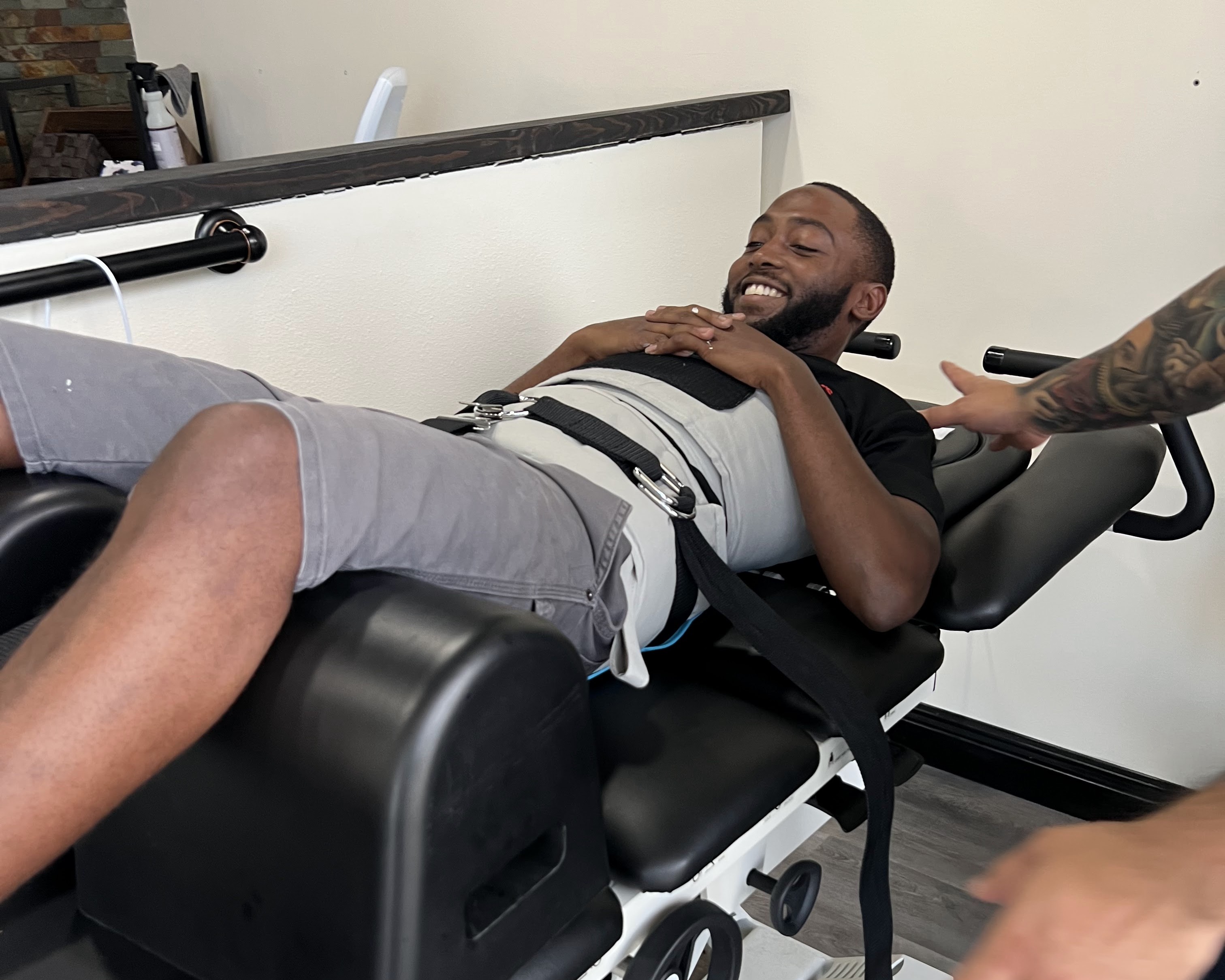
Spinal decompression is a non-surgical, drug-free therapy that gently stretches the spine to relieve pressure on compressed discs, nerves, and surrounding structures. It works by creating negative pressure within the spinal discs, which can help retract bulging or herniated disc material and promote the flow of nutrients and hydration back into damaged discs. It is widely used as part of a conservative care approach for conditions like disc herniation, sciatica, and chronic low back pain.
-
Sign #2: You’ve Been Diagnosed with a Herniated or Bulging Disc
-
Sign #5: You Have Tingling, Numbness, or Weakness in Your Extremities
-
How Chiropractic Care and Spinal Decompression Work Together
Sign #1: Your Pain Shoots Down One or Both Legs
One of the most telling signs that your back pain may benefit from spinal decompression is radiating pain — pain that travels from your lower back down through your buttocks, thighs, calves, or even into your feet. This pattern is commonly associated with sciatica, which occurs when the sciatic nerve becomes compressed or irritated, often by a herniated disc or bone spur.
Sciatic pain can range from a dull, constant ache to a sharp, burning sensation or even an electric shock-like feeling. Some people describe it as a cramp that never fully goes away. The important thing to understand is that this type of pain is rarely just a muscle problem. It is typically a sign that something is pressing on a nerve, and that pressure needs to be addressed at its source.
Spinal decompression therapy targets exactly this kind of nerve compression. By gently creating space between the vertebrae, it can reduce the mechanical pressure that is aggravating the sciatic nerve. Dr. Isidoro Acevedo Jr works with many patients at Chiro Studio who come in with this kind of radiating pain and have found meaningful relief through a structured decompression plan.
Sign #2: You’ve Been Diagnosed with a Herniated or Bulging Disc
If you’ve had an MRI or CT scan and received a diagnosis of a herniated disc, bulging disc, or degenerative disc disease, spinal decompression should absolutely be part of the conversation about your care. These conditions are among the most common reasons people develop chronic back pain, and they respond well to the type of gentle, sustained traction that decompression therapy provides.
A disc herniation occurs when the soft, gel-like center of a spinal disc pushes through a crack in the tougher outer layer. This can irritate nearby nerves and cause significant pain, numbness, and weakness. A bulging disc is similar, though the inner material hasn’t fully broken through the outer wall. Either way, the disc is taking up space it shouldn’t be — and that’s what causes the symptoms.
The mechanism behind spinal decompression is particularly well-suited for disc-related issues. The therapy creates a negative intradiscal pressure, which research suggests may help draw bulging disc material back toward a more central position and encourage the absorption of water, oxygen, and nutrients into the disc. This supports the natural healing process in a way that pain medication or passive rest simply cannot.
Sign #3: Your Pain Is Worse When Sitting or Bending Forward
Pay attention to when your back pain flares up. If it consistently gets worse when you’re sitting for long periods, bending forward to pick something up, or hunching over a desk or steering wheel, that’s a significant clue. These positions increase the pressure inside your spinal discs dramatically — sometimes by as much as several times your body weight — which means any existing disc damage gets aggravated quickly.
Here in Cocoa, FL, many of the patients Dr. Isidoro Acevedo Jr sees at Chiro Studio work jobs that require long hours of sitting or repetitive bending. Over time, the sustained compression on the lumbar spine in these positions contributes to disc breakdown, reduced disc height, and nerve irritation. If your back pain follows you through your workday and eases up only when you’re lying down or walking, that pattern strongly suggests disc-related compression is at the root of the problem.
Spinal decompression addresses this by doing the opposite of what sitting does — it gently elongates the spine and creates negative pressure where positive pressure has been building up. Many patients report a noticeable sense of relief during and after their decompression sessions, describing it as though a weight has been lifted off their lower back.
Sign #4: You’ve Tried Everything and Nothing Has Worked
This is one of the most common things we hear at Chiro Studio. Patients come in after months or years of trying over-the-counter pain relievers, heat packs, massage, and even other forms of physical therapy — without finding lasting relief. That can be incredibly discouraging, and we want you to know it doesn’t mean your situation is hopeless. It often just means the root cause of your pain hasn’t been properly addressed yet.
Many conventional approaches to back pain focus on managing symptoms rather than correcting the underlying structural issue. If a compressed disc or impinged nerve is driving your pain, masking it with anti-inflammatories or temporarily relaxing the surrounding muscles is not going to solve the problem. That’s why some people experience cycles of temporary relief followed by another flare-up — the disc compression is still there.
Spinal decompression takes a different approach. It directly targets the mechanical source of the problem by taking pressure off compressed discs and creating conditions that allow the spine to heal. Dr. Isidoro Acevedo Jr evaluates each patient individually to determine whether spinal decompression is the right fit, and if it is, builds a care plan designed around that specific person’s spinal health needs. There is no one-size-fits-all approach at Chiro Studio.
Sign #5: You Have Tingling, Numbness, or Weakness in Your Extremities
Tingling, numbness, or a pins-and-needles sensation in your arms, hands, legs, or feet is a sign that nerve function is being disrupted somewhere along your spine. These neurological symptoms are your body’s way of telling you that a nerve is being compressed, stretched, or irritated — and the longer that compression continues, the more important it becomes to address it promptly.
Numbness and tingling in the lower extremities often trace back to lumbar disc problems, while similar symptoms in the arms and hands may indicate cervical (neck) disc involvement. Muscle weakness is another red flag that nerve compression may be more significant and should be evaluated thoroughly before beginning any care.
These symptoms should never be ignored or dismissed as “just part of aging.” When Dr. Isidoro Acevedo Jr evaluates a patient at Chiro Studio in Cocoa, FL with these kinds of neurological complaints alongside back pain, spinal decompression is often part of a carefully constructed treatment plan — combined with chiropractic adjustments and rehabilitative exercises — to help restore proper nerve function and reduce symptoms over time.
How Chiropractic Care and Spinal Decompression Work Together
Spinal decompression therapy is most effective when it’s integrated into a broader chiropractic care plan, rather than used in isolation. At Chiro Studio, the approach is holistic — meaning that Dr. Isidoro Acevedo Jr looks at your entire spine, posture, movement patterns, and lifestyle before recommending any specific therapy.
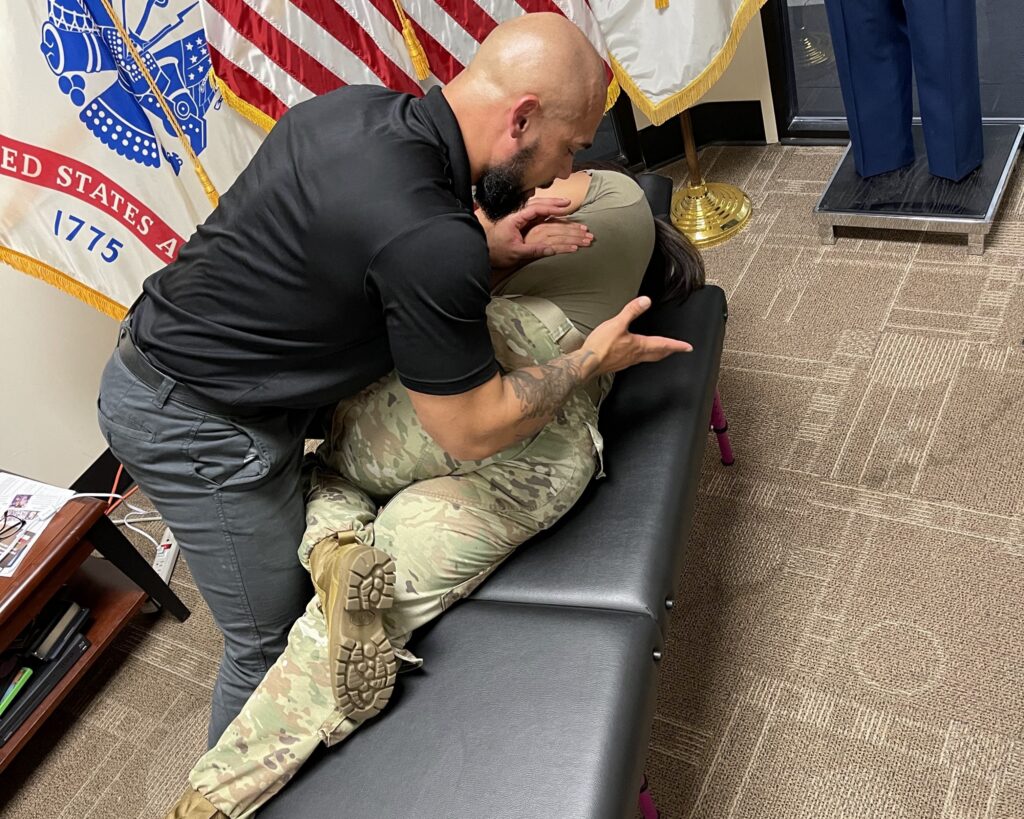
Chiropractic adjustments work to restore proper alignment and motion to the vertebrae. When the spine is better aligned, spinal decompression can work more effectively because the forces being applied during the therapy are distributed more evenly. Think of it like straightening a garden hose before trying to increase the water flow — alignment matters.
Additionally, supporting therapies like therapeutic stretching, postural correction exercises, and soft tissue work may be incorporated to address the muscles and connective tissues around the spine. This comprehensive approach helps patients not only find relief from current pain but also build resilience so that pain is less likely to return.
Evidence from organizations like the National Institutes of Health and the American Chiropractic Association indicates that conservative, multi-modal care approaches are among the most effective strategies for managing chronic back pain — and spinal decompression fits squarely within that framework.
Practical Tips to Support Your Spinal Health
Whether you’re currently undergoing spinal decompression or just starting to explore your options, there are everyday habits that can make a real difference in how your spine feels and functions. These aren’t complicated changes — they’re small, consistent choices that add up over time.
First, take your sitting posture seriously. Your lower back should have a gentle inward curve (lumbar lordosis) when you sit. If you’re slumping forward or sitting in a chair that offers no lumbar support, you’re adding unnecessary compressive force to your discs for hours at a time. A lumbar support cushion or ergonomic chair can make a significant difference for people who work at a desk.
Second, move more throughout the day. The spine is designed for movement, and prolonged static postures — whether sitting or standing in one position — reduce the circulation of nutrients to your discs. Try to stand up and walk around for a few minutes every 30 to 45 minutes. This keeps your discs hydrated and reduces cumulative pressure.
Third, be mindful of how you lift. Bending at the waist to pick up heavy objects is one of the most common ways people aggravate disc injuries. Bend at the knees, keep the object close to your body, and avoid twisting while lifting. These mechanics protect your lumbar discs every single time you use them.
When to See a Chiropractor About Back Pain
The short answer is: sooner rather than later. Most people wait far too long before seeking care for back pain, often hoping it will resolve on its own. While minor muscle strains can sometimes improve with rest and gentle movement, pain that persists beyond two to three weeks — especially pain accompanied by the signs listed in this article — deserves a professional evaluation.
At Chiro Studio in Cocoa, FL, we encourage people to come in when their pain is interfering with daily life, disrupting sleep, or limiting their ability to work or exercise. You don’t have to be in crisis mode to seek care. In fact, early intervention often leads to better outcomes and shorter recovery times.
However, there are certain red flags that require immediate medical attention rather than a chiropractic visit. These include back pain accompanied by loss of bladder or bowel control, severe and sudden pain following a fall or accident, unexplained weight loss alongside back pain, or fever with back pain. These symptoms may indicate a serious medical condition that needs urgent evaluation by a physician or emergency care provider.
Back Pain Symptoms and Their Possible Connections to Spinal Compression
|
Symptom |
Possible Cause |
May Benefit from Decompression? |
|---|---|---|
|
Pain radiating down the leg |
Sciatic nerve compression, disc herniation |
Yes — commonly addressed with decompression |
|
Numbness or tingling in feet |
Lumbar nerve root compression |
Yes — decompression targets nerve pressure |
|
Pain worsens when sitting |
Increased intradiscal pressure |
Yes — decompression creates negative disc pressure |
|
Sharp pain when bending forward |
Disc bulge or herniation |
Yes — may help retract disc material |
|
General muscle ache, no nerve symptoms |
Muscle strain or tension |
Possibly not — adjustments and therapy may be more appropriate |
|
Pain with fever or unexplained weight loss |
Possible systemic condition |
No — refer to physician immediately |
Myths vs. Facts About Spinal Decompression
Myth: Spinal decompression is painful or risky.
Fact: Spinal decompression therapy is a gentle, non-invasive procedure that most patients find quite comfortable — many even find it relaxing. It does not involve surgery, injections, or medications. The traction is carefully controlled and calibrated to each patient’s specific needs and tolerance.
Myth: You only need one or two sessions to fix a disc problem.
Fact: Disc injuries develop over time and require a consistent series of treatments to see lasting results. Most care plans involve multiple sessions spread over several weeks, combined with supporting therapies. Expecting overnight results from any structural spinal condition is unrealistic, but steady, progressive improvement is very achievable.
Myth: Spinal decompression is the same as a regular back stretch.
Fact: While stretching can provide some temporary relief, it does not produce the precise, controlled negative intradiscal pressure that a motorized decompression table delivers. The technology is specifically designed to target individual spinal segments with a degree of precision that manual stretching simply cannot replicate.
Myth: If your MRI looks bad, surgery is the only real option.
Fact: Imaging findings do not always correspond directly to pain levels or functional limitations. Many people with significant disc changes on imaging respond very well to conservative care, including spinal decompression and chiropractic treatment. Guidelines from organizations like the American College of Physicians recommend trying conservative, non-surgical approaches before considering surgery for most cases of disc-related back pain.
Myth: Spinal decompression is only for older patients.
Fact: Disc problems can affect people of all ages, including young adults and athletes. Anyone experiencing the signs described in this article — regardless of age — may be a candidate for spinal decompression. A proper evaluation is the only way to determine whether it’s appropriate for your specific situation.
Final Thoughts from Chiro Studio in Cocoa, FL
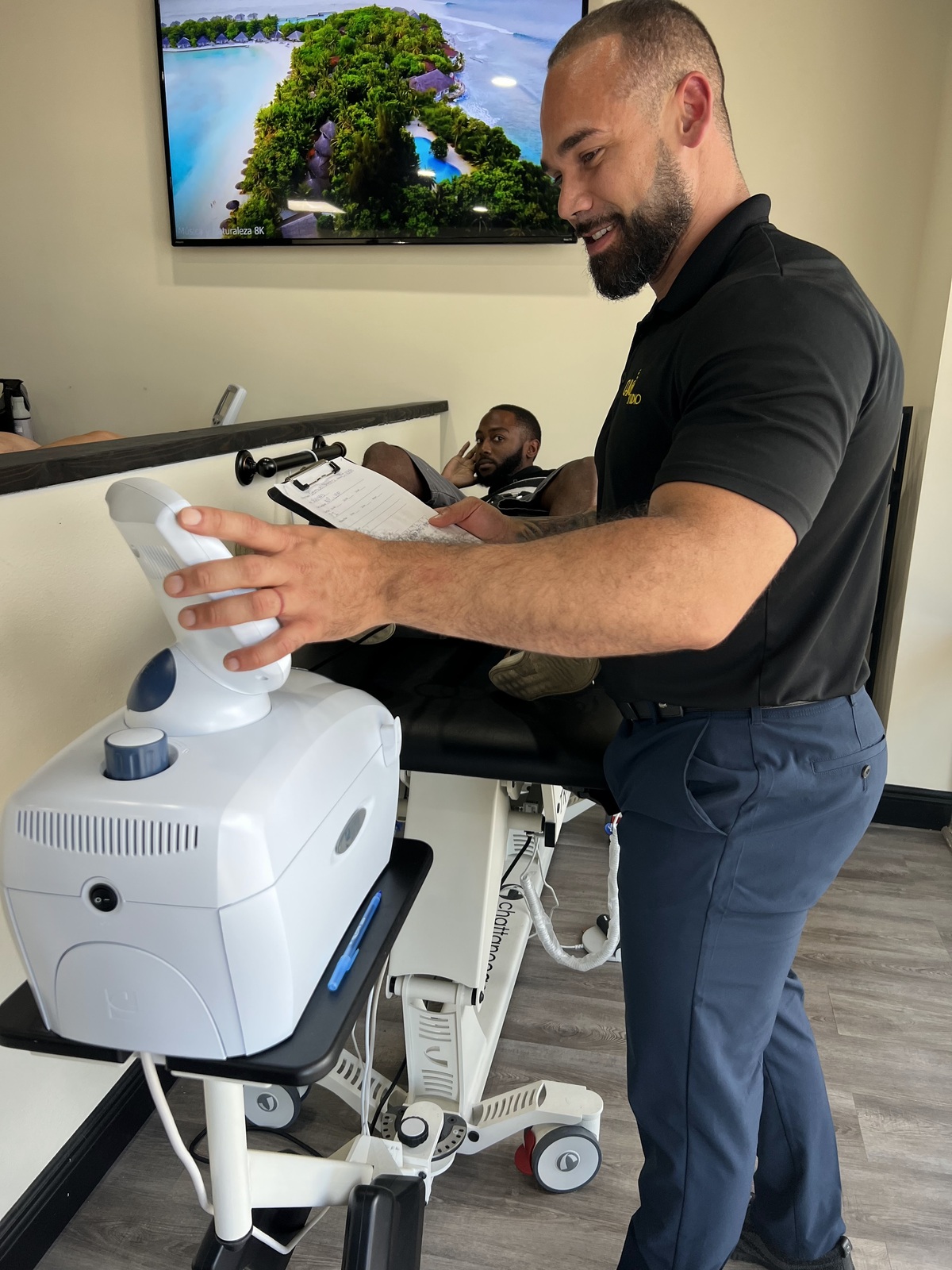
Living with back pain doesn’t have to be your normal. We know how much it can take from you — the sleep, the energy, the ability to do the things you love. At Chiro Studio in Cocoa, FL, Dr. Isidoro Acevedo Jr and the entire care team are passionate about helping members of this community find real, lasting relief without relying on surgery or long-term medication use.
Spinal decompression is one of the most effective tools available in conservative back pain care, and it’s especially powerful when combined with chiropractic adjustments and a personalized wellness plan. If you’ve recognized yourself in any of the five signs discussed in this article, we encourage you to take that as a cue to reach out and get a proper evaluation. You deserve to understand what’s actually happening in your spine — and what can genuinely be done about it.
Our doors are open to the Cocoa community, and we’re here to answer your questions, address your concerns, and walk alongside you on your path to better spinal health. You don’t have to figure this out alone.
Frequently Asked Questions About Spinal Decompression
How many spinal decompression sessions will I need?
The number of sessions varies depending on the severity of your condition and how your body responds to treatment. Most care plans involve a series of sessions over several weeks. Dr. Isidoro Acevedo Jr will develop an individualized plan based on your specific findings and goals.
Is spinal decompression covered by insurance?
Coverage varies widely depending on your insurance provider and plan. It’s best to contact Chiro Studio directly to discuss your specific coverage situation and available options for your care.
Can spinal decompression make my condition worse?
When performed by a qualified chiropractor after a thorough evaluation, spinal decompression is considered safe for most patients with disc-related conditions. There are certain contraindications — such as spinal instability, fractures, or pregnancy — which is why a proper assessment before beginning therapy is essential.
What does a spinal decompression session feel like?
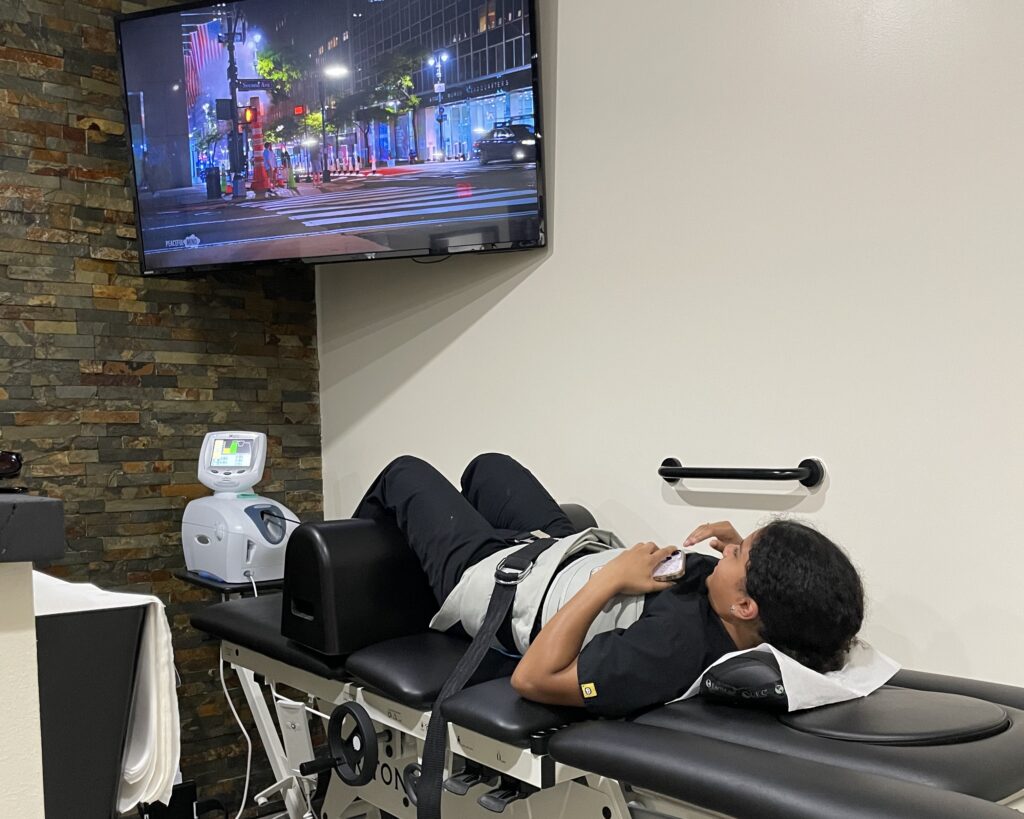
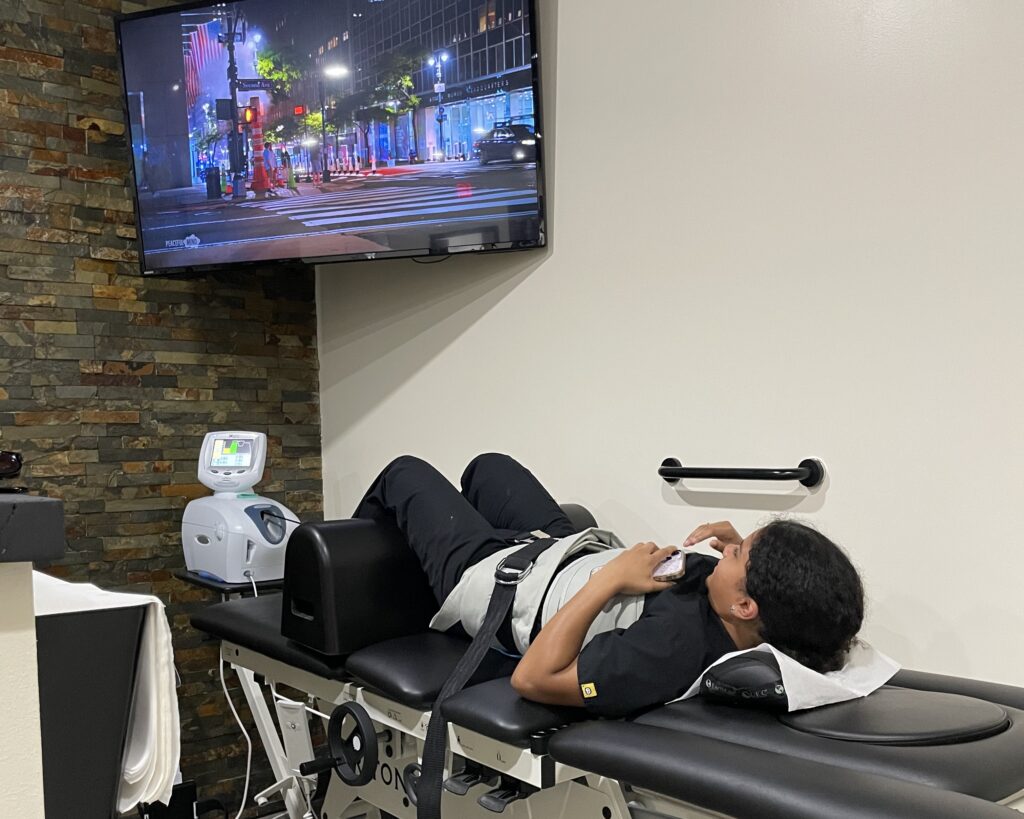
Most patients describe the experience as comfortable and even relaxing. You lie on a motorized table, and a harness gently applies a controlled traction force to the spine. Sessions typically last around 30 minutes, and many patients notice a gradual reduction in pain over the course of their treatment plan.
Can I receive chiropractic adjustments and spinal decompression at the same time?
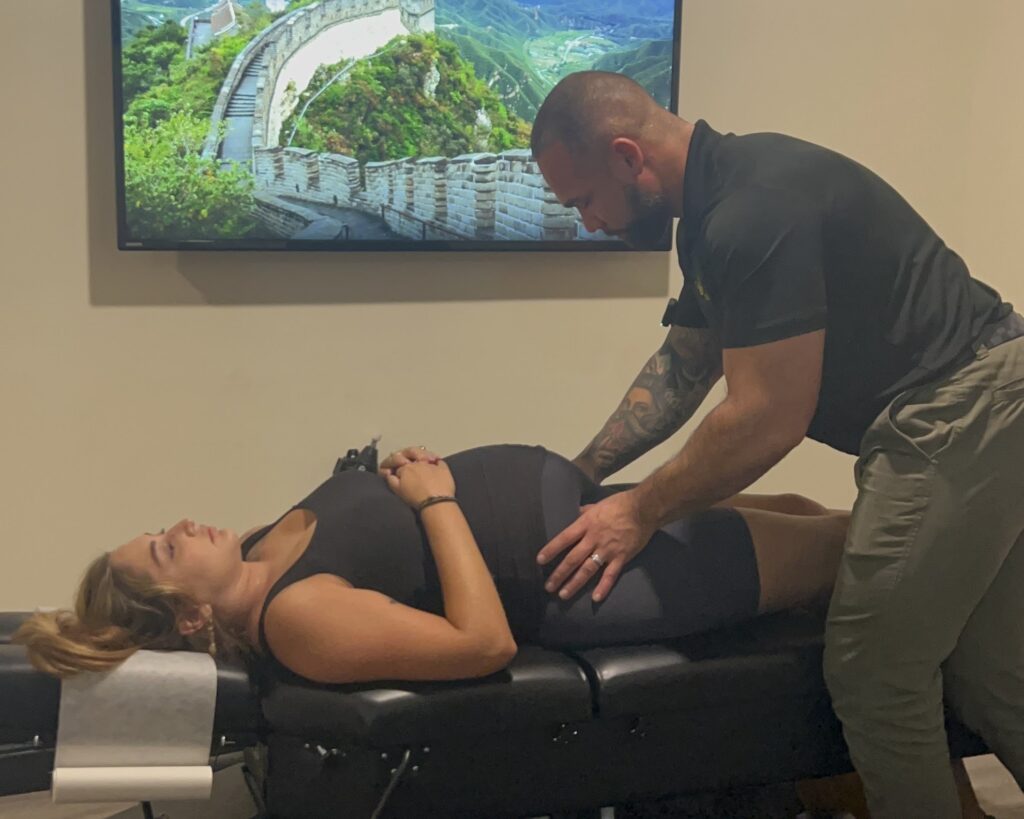
Yes — in fact, combining chiropractic adjustments with spinal decompression is often the most effective approach. Adjustments help restore proper spinal alignment, which allows decompression therapy to work more efficiently. At Chiro Studio, these therapies are often used together as part of a coordinated care plan.
How do I know if I’m a good candidate for spinal decompression?
The best way to find out is to schedule an evaluation with Dr. Isidoro Acevedo Jr at Chiro Studio in Cocoa, FL. He will review your history, symptoms, and any imaging you have to determine whether spinal decompression is appropriate for your condition and overall health.
TL;DR — Key Takeaways
-
Spinal decompression is a gentle, non-surgical therapy that reduces pressure on compressed spinal discs and nerves.
-
Five key signs your back pain may benefit from decompression include: radiating leg pain, a disc diagnosis, pain that worsens with sitting, failed previous treatments, and neurological symptoms like numbness or tingling.
-
Decompression is most effective when combined with chiropractic adjustments and a personalized care plan — not used in isolation.
-
Early evaluation leads to better outcomes; don’t wait until pain becomes unbearable to seek care.
-
Dr. Isidoro Acevedo Jr and the team at Chiro Studio in Cocoa, FL are here to help you understand your options and find a path to lasting relief.