If you’ve been dealing with persistent neck or back pain that just won’t quit, you’re not alone. Here in Cocoa, countless people wake up every day wondering if they’ll ever find relief from the aching, tingling, or radiating discomfort that’s taken over their lives. Maybe you’ve tried medications, heat packs, stretches, or even injections—and still, the pain lingers. The good news? There’s a safe, non-surgical option that’s helping many patients regain their quality of life: spinal decompression therapy. At Chiro Studio in Cocoa, FL, Dr. Isidoro Acevedo Jr and his team have seen firsthand how this gentle, targeted approach can make a real difference for people struggling with chronic spinal conditions.
This article will walk you through what spinal decompression therapy is, how it works, who it may benefit, and why it’s becoming a go-to solution for residents right here in Cocoa looking to break free from long-term neck and back pain without surgery or heavy reliance on medication.
What Is Spinal Decompression Therapy?
Spinal decompression therapy is a non-invasive treatment designed to relieve pressure on the spinal discs and nerves by gently stretching the spine. Using a specialized motorized table or device, the therapy creates negative pressure within the discs, which can encourage herniated or bulging disc material to retract, promote nutrient and oxygen flow to damaged tissues, and reduce nerve compression. Unlike aggressive traction methods of the past, modern spinal decompression is controlled, comfortable, and tailored to each individual’s condition.
Table of Contents
- Understanding Chronic Neck and Back Pain
- How Spinal Decompression Therapy Works
- Conditions That May Benefit from Decompression
- Key Benefits of Spinal Decompression Therapy
- What to Expect During Treatment at Chiro Studio
- How Spinal Decompression Fits into Chiropractic Care
- Practical Tips to Support Your Recovery
- When to Consider Spinal Decompression Therapy
- Spinal Decompression vs. Other Common Treatments
- Myths vs. Facts About Spinal Decompression
Understanding Chronic Neck and Back Pain
Chronic neck and back pain is defined as discomfort lasting more than three months. Unlike acute pain that arises from a sudden injury and heals relatively quickly, chronic pain often develops gradually and becomes deeply entrenched in your daily life. It can affect your ability to work, play with your kids, sleep comfortably, or even sit through a movie without shifting constantly.
The causes of chronic spinal pain are varied. Degenerative disc disease, herniated or bulging discs, spinal stenosis, arthritis, poor posture, and repetitive stress are among the most common culprits. Many patients here in Cocoa work physical jobs, spend long hours at computers, or have experienced old injuries that never fully healed. Over time, these factors compound, leading to ongoing inflammation, nerve irritation, and structural imbalances.
What makes chronic pain particularly challenging is that it’s not just physical. Persistent discomfort can lead to frustration, anxiety, sleep disturbances, and a reduced sense of well-being. That’s why finding an effective, long-term solution is so important—not just to silence the pain, but to restore your confidence and your ability to live fully.
How Spinal Decompression Therapy Works
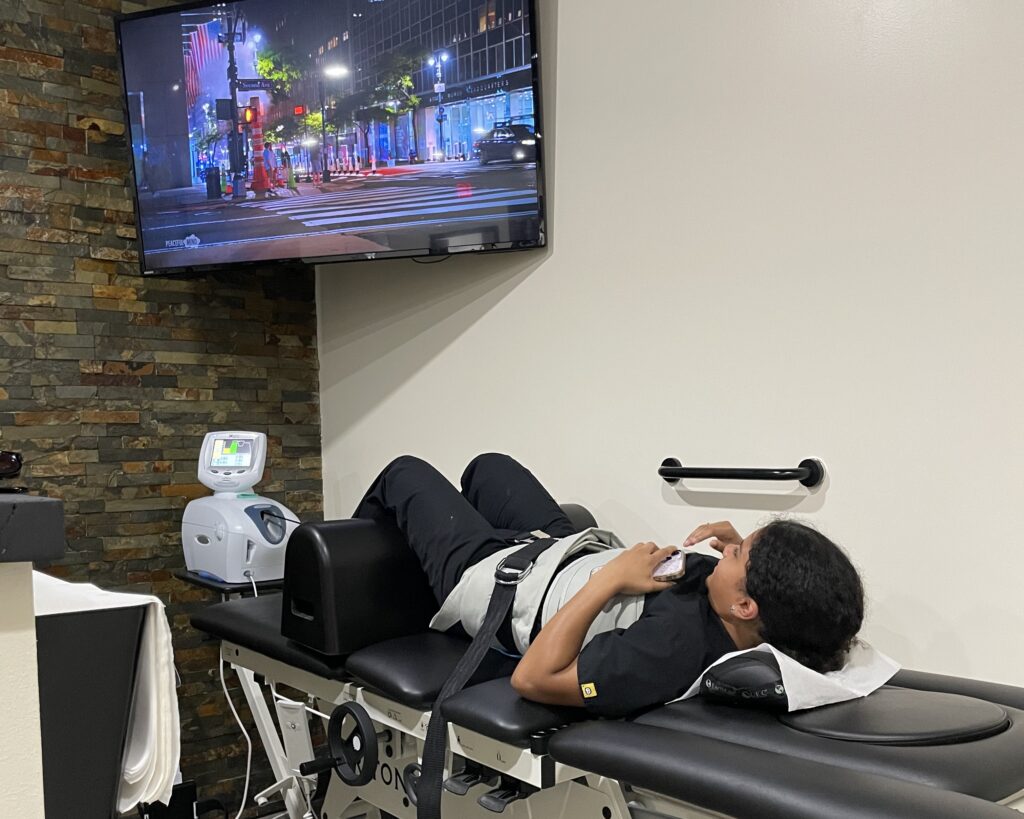
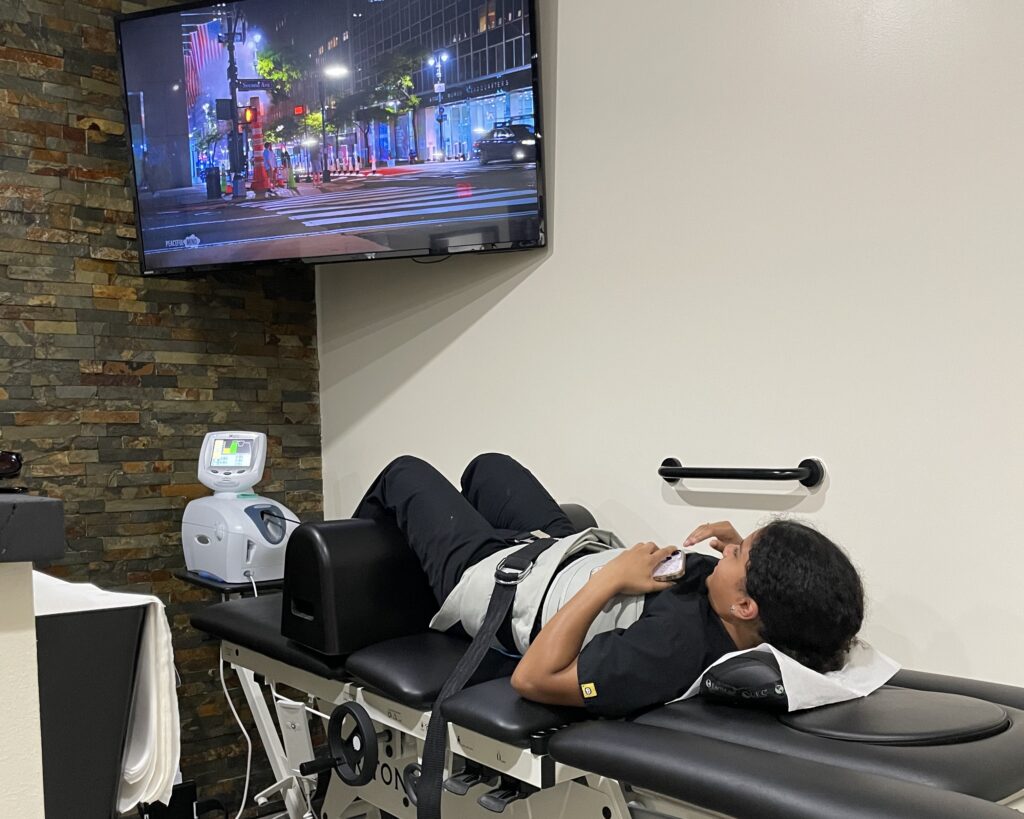
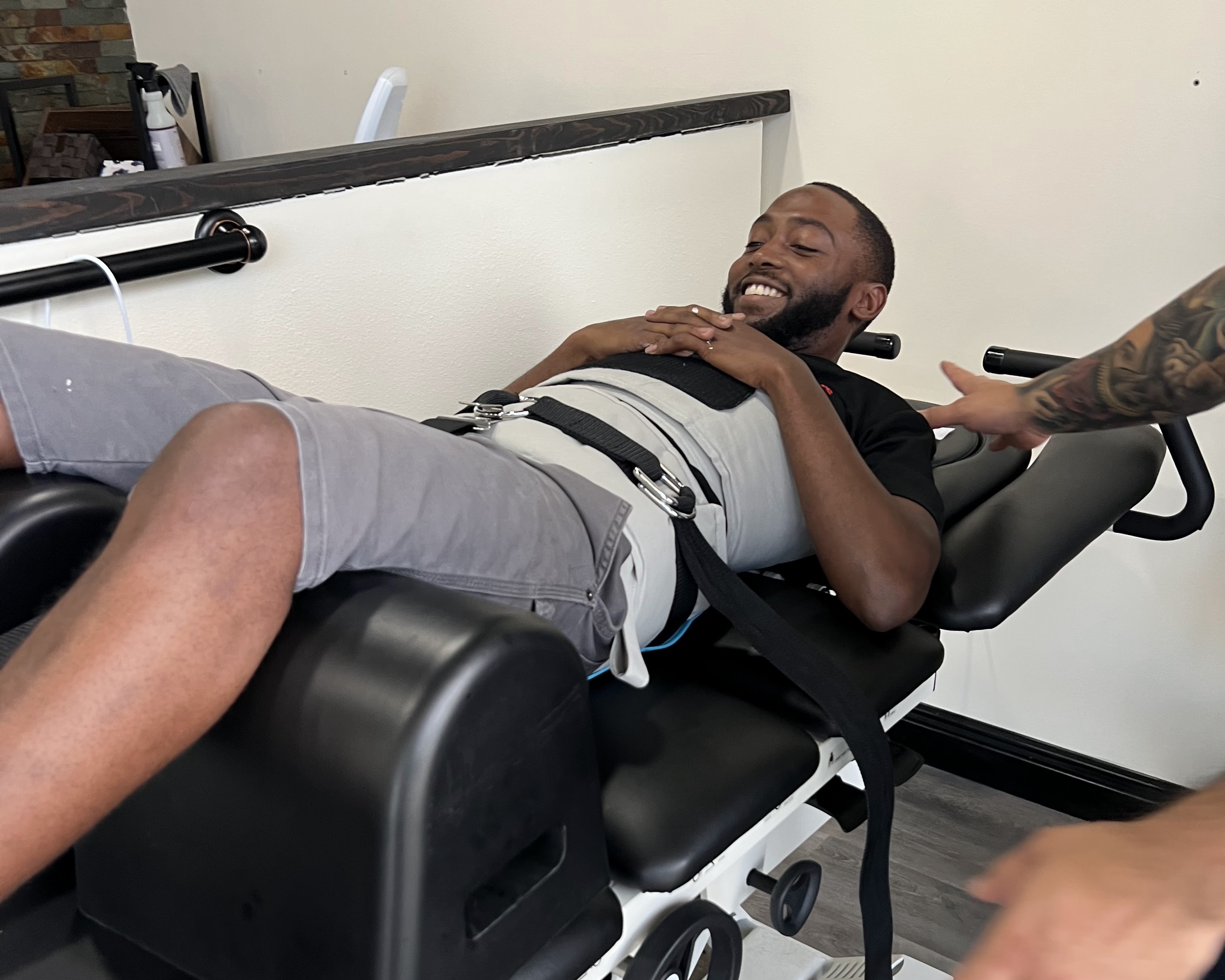
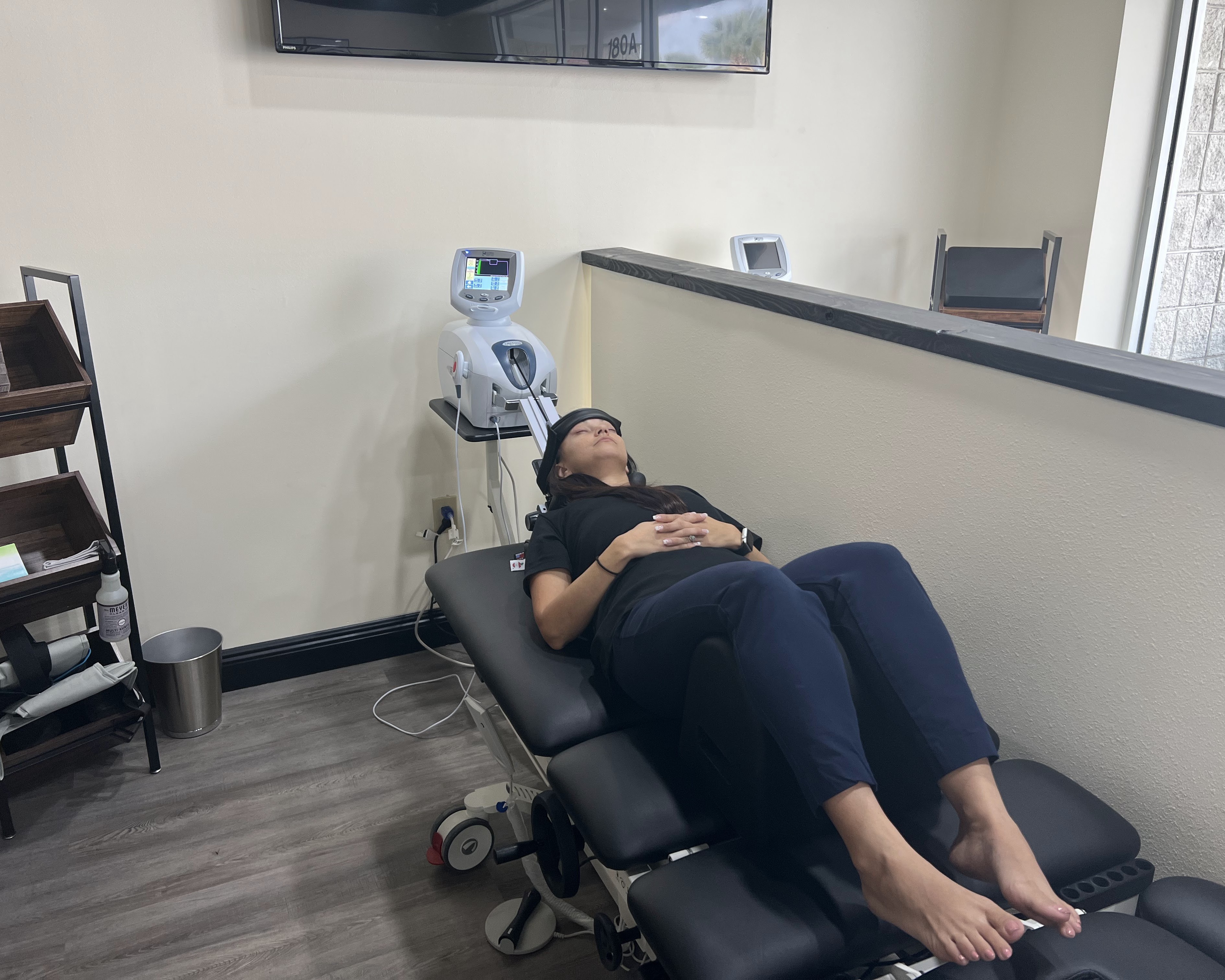
Spinal decompression therapy works by using a precise, computer-controlled pulling force to gently stretch the spine. The patient lies comfortably on a specialized table, secured with a harness around the hips or torso. The table then applies a carefully calibrated traction force that alternates between pulling and relaxing cycles. This rhythmic motion is key—it prevents the muscles from reflexively tightening up, which would counteract the treatment.
The goal is to create negative intradiscal pressure. Think of your spinal discs as small cushions filled with gel. When pressure inside a disc decreases, it can allow bulging or herniated material to retract away from irritated nerves. It also encourages the flow of water, oxygen, and nutrients into the disc, which promotes healing. Discs have limited blood supply, so enhancing nutrient exchange is crucial for recovery.
Research suggests that spinal decompression may help reduce nerve root compression, improve mobility, and decrease pain levels in patients with certain disc-related conditions. While outcomes vary, many patients report noticeable improvements after a series of sessions. At Chiro Studio, Dr. Isidoro Acevedo Jr carefully evaluates each patient to determine whether spinal decompression is an appropriate option based on their specific diagnosis, symptoms, and overall health.
Conditions That May Benefit from Decompression
Spinal decompression therapy is not a one-size-fits-all solution, but it has shown promise for a variety of spinal conditions. Here are some of the most common issues where decompression may play a helpful role:
Herniated or Bulging Discs: When the inner gel of a spinal disc pushes outward, it can press on nearby nerves, causing sharp pain, numbness, or tingling down the arms or legs. Decompression therapy aims to reduce this pressure.
Degenerative Disc Disease: As we age, spinal discs naturally lose hydration and height. This can lead to chronic pain and stiffness. By promoting nutrient flow and reducing compression, decompression therapy may help slow progression and ease discomfort.
Sciatica: Sciatic nerve pain, often radiating from the lower back down the leg, is frequently caused by disc herniation or spinal stenosis. Relieving pressure on the affected nerve roots can reduce radiating pain and restore function.
Spinal Stenosis: Narrowing of the spinal canal can compress nerves and cause pain, weakness, or numbness. While decompression doesn’t widen the canal, it can reduce pressure and inflammation around affected nerves.
Facet Syndrome: Irritation of the small joints in the spine can contribute to chronic back or neck pain. Decompression may help by reducing overall spinal compression and allowing better joint function.
Failed Back Surgery Syndrome: Some patients continue to experience pain even after surgery. Non-surgical decompression offers a conservative option to explore before considering additional invasive procedures.
It’s important to note that not every patient is a candidate. Conditions like fractures, severe osteoporosis, tumors, or certain types of spinal instability require different approaches. That’s why a thorough evaluation is essential before beginning treatment.
Key Benefits of Spinal Decompression Therapy
So why are more and more people in Cocoa turning to spinal decompression? Let’s break down the specific benefits that make this therapy stand out:
Non-Surgical and Non-Invasive: Spinal decompression offers a way to address serious disc and nerve issues without going under the knife. There are no incisions, no anesthesia, and no lengthy hospital stays. For many patients, this is a huge relief.
Drug-Free Pain Relief: Rather than masking symptoms with medications, decompression targets the underlying mechanical issue. This approach aligns well with chiropractic philosophy and reduces the need for long-term pain medication use.
Improved Disc Health: By creating space and encouraging nutrient flow, decompression therapy supports the body’s natural healing processes. Healthier discs mean better shock absorption, flexibility, and long-term spinal function.
Reduced Nerve Pressure: When a nerve is compressed, it can cause pain, numbness, tingling, or weakness. Decompression helps take the pressure off, which can restore normal nerve function and reduce radiating symptoms.
Minimal Downtime: Most patients can return to their normal activities immediately after a session. There’s no recovery period like you’d have with surgery. You can schedule treatments around your work and family commitments.
Customizable and Comfortable: Modern decompression tables are designed with patient comfort in mind. Treatment protocols are tailored to your specific condition, tolerance, and progress. Sessions typically last 20 to 30 minutes and feel like a gentle, controlled stretch.
Complementary to Other Therapies: Spinal decompression works well alongside chiropractic adjustments, physical therapy, corrective exercises, and lifestyle modifications. This integrative approach often leads to better, longer-lasting results.
What to Expect During Treatment at Chiro Studio
If you’re considering spinal decompression therapy at Chiro Studio in Cocoa, FL, here’s what the process typically looks like. First, Dr. Isidoro Acevedo Jr will conduct a comprehensive evaluation. This includes reviewing your health history, discussing your symptoms, performing orthopedic and neurological tests, and possibly reviewing imaging studies like X-rays or MRIs. The goal is to determine whether decompression is appropriate for your specific condition.
If you’re a good candidate, the doctor will explain the treatment plan, including how many sessions you may need and what kind of results are realistic. Most patients undergo a series of sessions over several weeks—often 15 to 30 sessions total, depending on severity. Some people notice improvement within the first few visits, while others experience gradual, cumulative benefits.
During each session, you’ll lie on the decompression table, and a harness will be secured comfortably around your pelvis or torso. The table is computer-controlled and applies gentle traction in cycles. You’ll feel a pulling sensation, but it should never be painful. Many patients describe it as relaxing—some even doze off during treatment.
Between sessions, the team at Chiro Studio may recommend complementary therapies like spinal adjustments, soft tissue work, or specific exercises to reinforce your progress. They’ll also provide guidance on posture, ergonomics, and activity modifications to support healing.
How Spinal Decompression Fits into Chiropractic Care
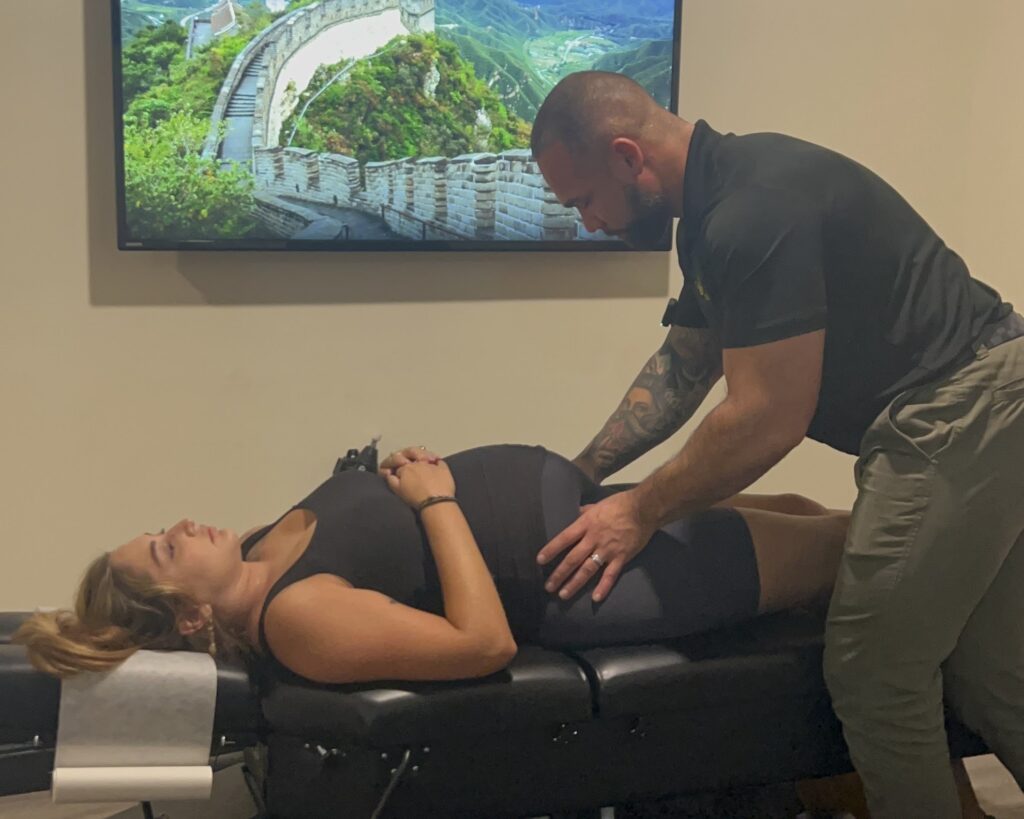
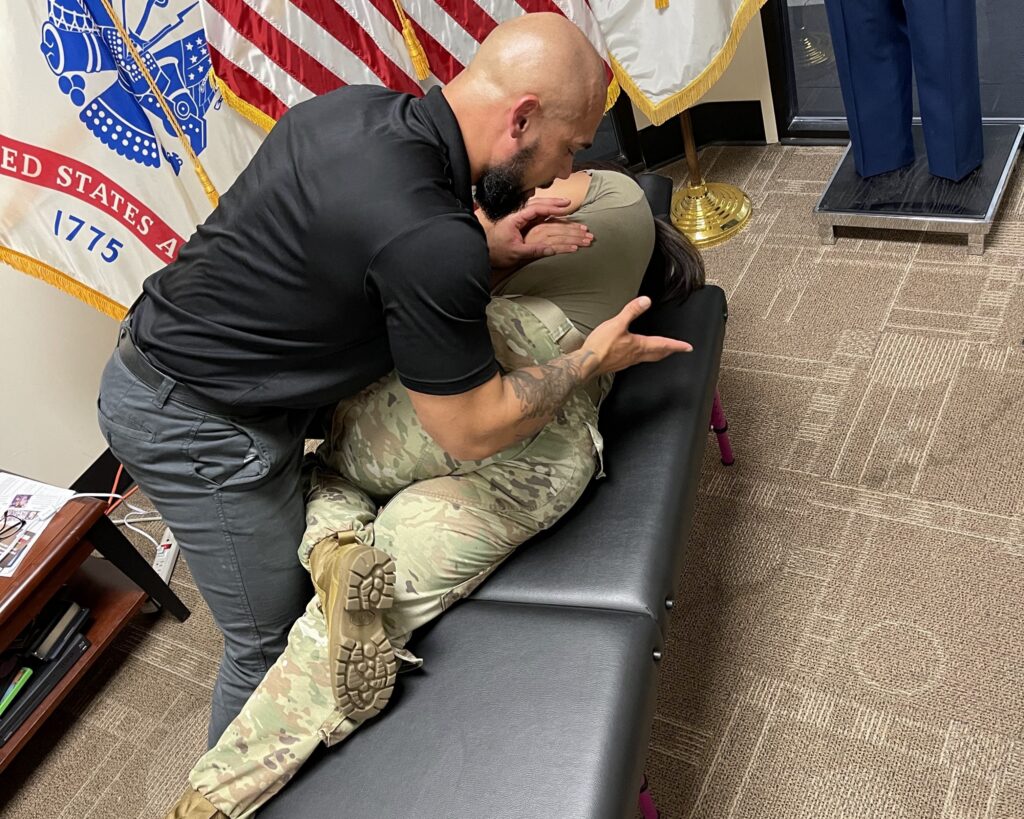
Chiropractic care has always been about restoring proper function to the spine and nervous system without drugs or surgery. Spinal decompression therapy fits naturally into this philosophy. It’s a tool that addresses mechanical dysfunction at the disc level, which complements the joint-level work that chiropractic adjustments provide.
Think of it this way: if a spinal adjustment helps restore proper alignment and movement to the vertebrae, decompression helps create space and reduce pressure within the discs themselves. Together, they work synergistically to improve overall spinal health.
At Chiro Studio, the approach is holistic and patient-centered. Dr. Isidoro Acevedo Jr doesn’t just treat symptoms—he looks at the bigger picture. How is your posture? What does your workstation look like? Are there lifestyle factors contributing to your pain? By combining spinal decompression with adjustments, therapeutic exercises, and lifestyle coaching, the practice offers a comprehensive path toward lasting relief.
This integrative model is especially beneficial for chronic conditions. When pain has persisted for months or years, it’s rarely due to a single isolated issue. It’s usually a combination of structural imbalances, muscle weakness, inflammation, and movement patterns. Addressing all these factors together gives you the best chance at meaningful, sustainable improvement.
Practical Tips to Support Your Recovery
While spinal decompression therapy can be highly effective, your results will improve when you actively participate in your own care. Here are some practical, evidence-informed tips to support your recovery:
Stay Consistent with Treatment: Don’t skip sessions. The cumulative effect of regular decompression is what drives improvement. Missing appointments can slow your progress.
Follow Your Home Exercise Program: Dr. Isidoro Acevedo Jr or his team may give you specific stretches or strengthening exercises. These help stabilize your spine and prevent future flare-ups. Make them part of your daily routine.
Mind Your Posture: Whether you’re sitting at a desk, driving, or standing, maintain neutral spinal alignment. Avoid slouching or leaning forward for prolonged periods. Use lumbar support if needed.
Stay Active, But Smart: Movement is medicine, but high-impact activities or heavy lifting may need to be modified during your recovery. Walking, swimming, and gentle yoga are usually safe and beneficial.
Hydrate Your Discs: Spinal discs rely on hydration to maintain their cushioning properties. Drink plenty of water throughout the day to support disc health.
Manage Inflammation: Reduce intake of processed foods, sugar, and alcohol, which can promote inflammation. Focus on whole foods rich in omega-3 fatty acids, antioxidants, and lean protein.
Get Adequate Sleep: Your body heals during rest. Aim for seven to eight hours of quality sleep each night. Consider sleeping on your back or side with proper pillow support to maintain spinal alignment.
Avoid Prolonged Sitting: If your job requires long hours at a desk, set a timer to stand and stretch every 30 to 45 minutes. This reduces cumulative stress on your spine.
When to Consider Spinal Decompression Therapy
How do you know if spinal decompression therapy is right for you? Here are some indicators that it may be worth exploring:
You’ve had chronic neck or back pain for three months or longer: If your pain has become a constant companion despite trying other treatments, decompression may offer a new avenue for relief.
You’ve been diagnosed with a herniated, bulging, or degenerative disc: These conditions are among the most common reasons people seek decompression therapy, and evidence suggests it can be helpful for many patients.
You’re experiencing radiating pain, numbness, or tingling: Symptoms that travel down your arms or legs often indicate nerve compression. Decompression aims to relieve that pressure.
Conservative care hasn’t fully resolved your symptoms: If physical therapy, medication, and rest have provided only partial relief, adding decompression to your care plan may help push you over the finish line.
You want to avoid or delay surgery: Surgery should always be a last resort. Spinal decompression offers a non-invasive option that many patients try successfully before considering surgical intervention.
That said, there are situations where you should seek immediate medical attention rather than starting with decompression. Red flags include sudden loss of bowel or bladder control, progressive weakness in the legs, severe trauma, unexplained weight loss, or pain accompanied by fever. These symptoms may indicate serious underlying conditions that require urgent evaluation.
If you’re unsure whether spinal decompression is appropriate for you, schedule a consultation at Chiro Studio in Cocoa, FL. Dr. Isidoro Acevedo Jr will conduct a thorough assessment and discuss all your options, ensuring you make an informed decision about your care.
Spinal Decompression vs. Other Common Treatments
| Treatment | Invasiveness | Recovery Time | Drug Use | Best For |
|---|---|---|---|---|
| Spinal Decompression | Non-invasive | None—immediate return to activities | Drug-free | Disc herniations, chronic pain, nerve compression |
| Pain Medication | Non-invasive | None | Relies on drugs | Temporary symptom relief, not a long-term solution |
| Epidural Injections | Minimally invasive | 1-2 days of soreness | Uses corticosteroids | Severe inflammation, short-term relief |
| Physical Therapy | Non-invasive | None | Drug-free | Muscle imbalances, post-injury rehab, general conditioning |
| Surgery | Highly invasive | Weeks to months | Post-op pain meds often required | Severe structural issues, failed conservative care |
Myths vs. Facts About Spinal Decompression
Myth: Spinal Decompression Is Just Fancy Traction
Fact: While decompression is a form of traction, modern devices use computer-controlled, cyclical patterns that prevent muscle guarding and allow for deeper, more effective stretching. It’s far more sophisticated than the static traction methods used decades ago.
Myth: It’s Painful and Uncomfortable
Fact: Most patients find spinal decompression therapy relaxing and comfortable. The treatment involves a gentle pulling sensation, and parameters are adjusted to your tolerance. If you ever feel discomfort, the therapist can modify the settings immediately.
Myth: Results Are Immediate
Fact: While some patients notice relief after a few sessions, decompression typically requires a series of treatments to achieve lasting results. Healing takes time, especially when you’re addressing chronic, degenerative conditions.
Myth: Once You Start, You’ll Need It Forever
Fact: Spinal decompression is not a lifelong dependency. Most patients complete a course of treatment and then maintain their results through exercise, posture awareness, and periodic chiropractic care. The goal is to help you heal and stay healthy, not create dependence.
Myth: It’s Only for Severe Cases
Fact: Decompression can benefit a range of conditions, from moderate disc bulges to more advanced degenerative changes. You don’t have to be in unbearable pain to be a candidate—early intervention can prevent worsening over time.
Final Thoughts from Chiro Studio in Cocoa, FL
Living with chronic neck or back pain is exhausting. It affects your mood, your relationships, your work, and your ability to enjoy the simple pleasures of life. But it doesn’t have to be your reality forever. Spinal decompression therapy offers a safe, non-surgical, drug-free option that addresses the root causes of many spinal conditions—not just the symptoms.
Here in Cocoa, Dr. Isidoro Acevedo Jr and the team at Chiro Studio are committed to helping you find relief and reclaim your quality of life. Whether you’re dealing with a herniated disc, sciatica, degenerative disc disease, or chronic discomfort that just won’t quit, spinal decompression may be the missing piece in your care plan. Combined with chiropractic adjustments, corrective exercises, and lifestyle guidance, it provides a comprehensive, patient-centered approach to healing.
If you’ve been searching for answers, you’re not alone—and you don’t have to keep suffering in silence. Reach out to Chiro Studio in Cocoa, FL, and take the first step toward a healthier, more comfortable future. Your spine—and your life—will thank you.
Frequently Asked Questions
How many spinal decompression sessions will I need?
Most patients benefit from 15 to 30 sessions over the course of several weeks, though the exact number depends on the severity of your condition and how your body responds. Dr. Isidoro Acevedo Jr will create a personalized treatment plan based on your specific needs.
Is spinal decompression safe?
Yes, spinal decompression is considered very safe when performed by a trained professional. Side effects are rare and typically mild, such as temporary soreness. It’s non-invasive and does not involve drugs or surgery.
Does spinal decompression hurt?
No, the treatment should not be painful. Most patients describe it as a gentle, controlled stretch that feels relaxing. If you experience discomfort, the settings can be adjusted immediately to ensure your comfort.
Can I do spinal decompression if I’ve had back surgery?
It depends on the type of surgery and your current condition. Some patients with failed back surgery syndrome benefit from decompression, while others may not be candidates. A thorough evaluation is necessary to determine appropriateness.
Will my insurance cover spinal decompression therapy?
Coverage varies by insurance provider and plan. It’s best to contact Chiro Studio directly to discuss your insurance benefits and payment options.
Can spinal decompression help with neck pain, or is it just for the lower back?
Spinal decompression can be used for both the cervical spine (neck) and lumbar spine (lower back). If you’re dealing with chronic neck pain due to disc issues or nerve compression, decompression may be a helpful option.
TL;DR: Key Takeaways
- Spinal decompression therapy is a non-invasive, drug-free treatment that gently stretches the spine to relieve pressure on discs and nerves.
- It may benefit conditions like herniated discs, degenerative disc disease, sciatica, and spinal stenosis by creating negative pressure within the discs and promoting nutrient flow.
- Patients typically undergo a series of 15 to 30 sessions over several weeks, with many noticing gradual improvement in pain and function.
- Spinal decompression works well alongside chiropractic adjustments, exercises, and lifestyle modifications for a comprehensive approach to healing.
- If you’re dealing with chronic neck or back pain in Cocoa, FL, contact Chiro Studio and Dr. Isidoro Acevedo Jr to see if spinal decompression therapy is right for you.