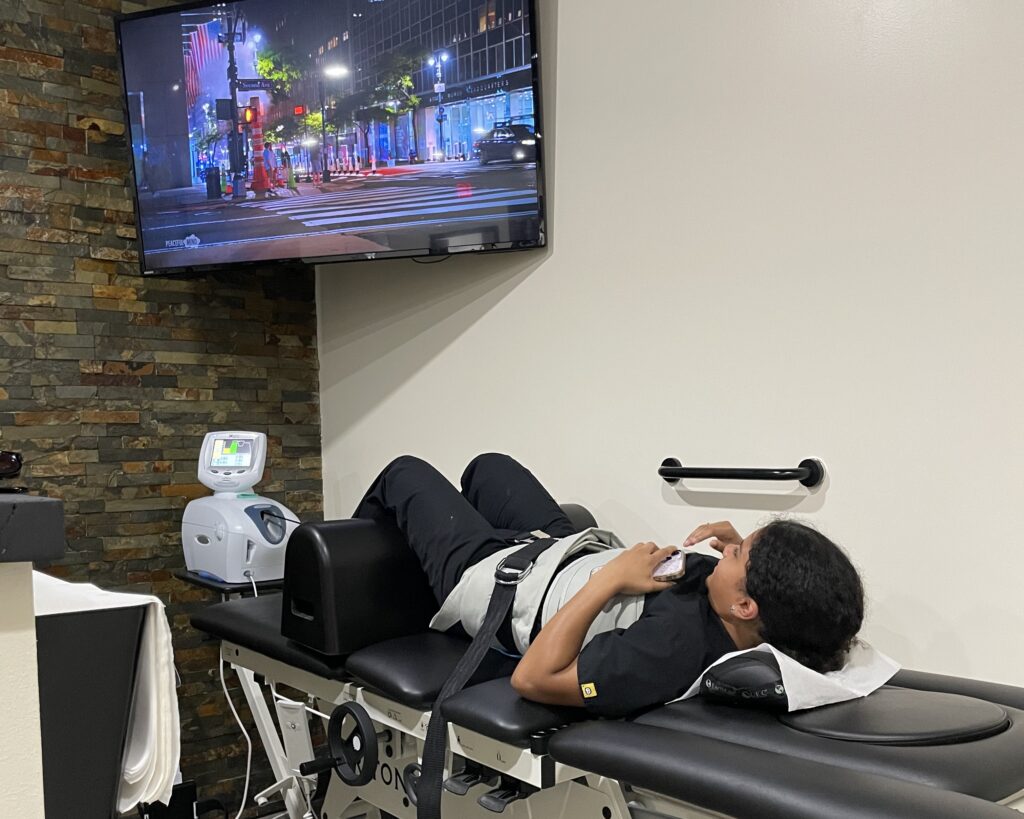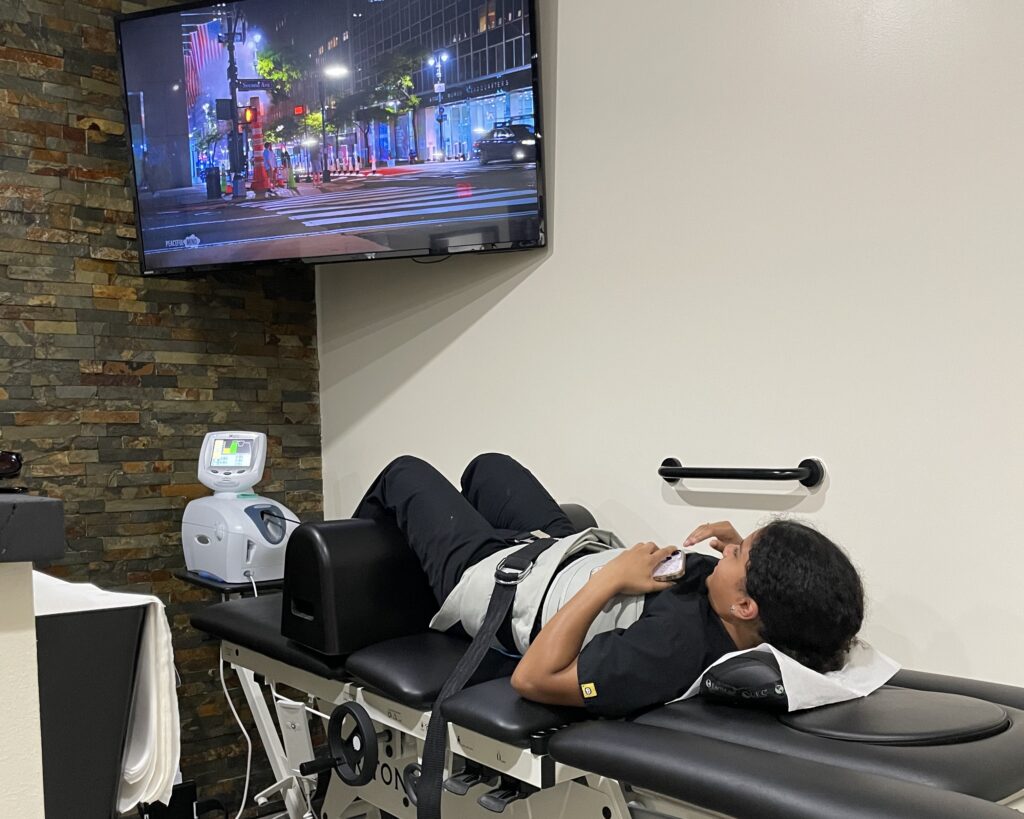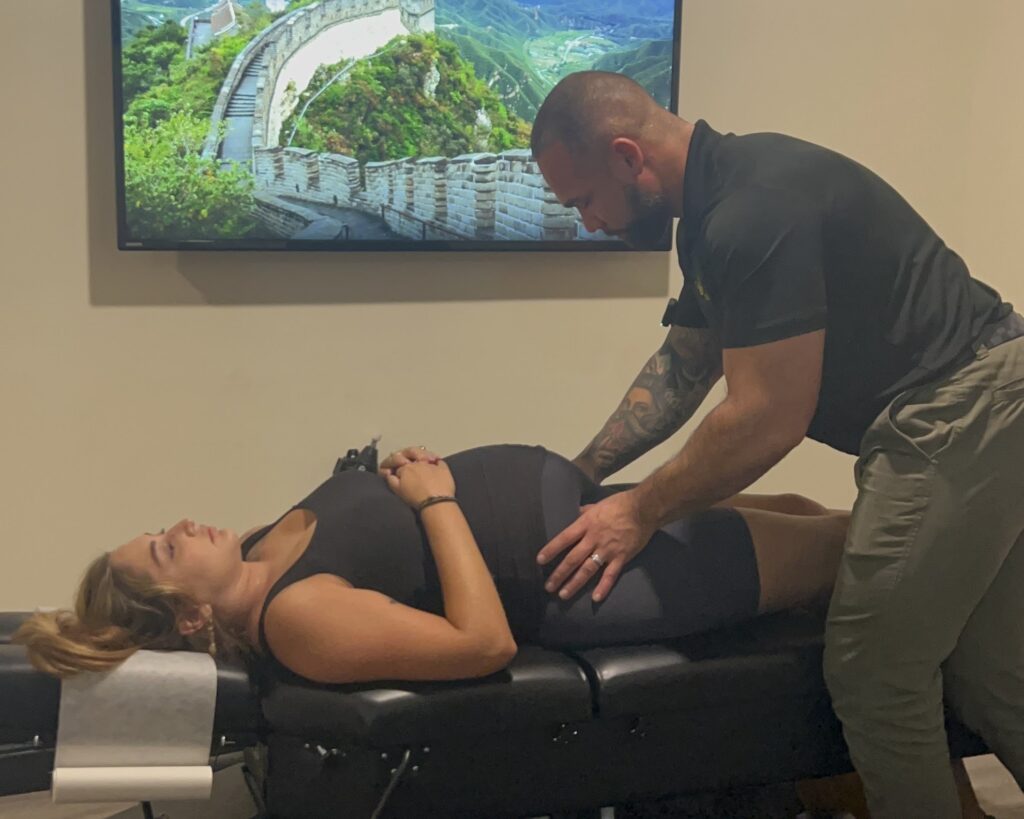
Are you experiencing upper back pain? You're not alone in this struggle. Many individuals encounter similar discomfort, often stemming from common causes like poor posture or the stresses of daily life. As a local chiropractor, I want to help you understand how chiropractic care and natural healing can provide relief.
By taking our quiz, you can identify the specific factors contributing to your pain. This understanding is crucial for finding effective solutions tailored to your needs. It's important to recognize that upper back pain can be linked to several culprits, including muscular tension, spinal misalignments, and lifestyle habits.
Chiropractic care focuses on restoring proper alignment and function to your spine, which can alleviate discomfort and promote overall wellness. Together, we can explore the best approaches for your unique situation, helping you achieve lasting relief and improved health. Let's work together to address your upper back pain and enhance your quality of life!
Understanding Upper Back Pain
As a local chiropractor, I understand that upper back pain can be a frustrating and often debilitating issue that many individuals experience. It can interfere with your daily activities, turning simple tasks into challenges.
It's crucial to understand the nature of your upper back pain in order to address it effectively. This discomfort often stems from more than just physical strain; it can be related to various factors, such as poor posture, muscle tension, and even stress.
When considering your upper back, think about its vital role in supporting your spine and enabling movement. This area contains important muscles, ligaments, and nerves that are essential for your overall mobility. If any of these components become strained or injured, you may experience pain that varies from a dull ache to sharp, shooting sensations.
Pay close attention to how your pain presents itself. Do you find it intensifies after sitting for long periods or after an intense workout? Observing these patterns can assist in identifying potential triggers.
It's also beneficial to evaluate your daily habits—are you slouching at your desk, or lifting objects incorrectly? Such habits can worsen your discomfort.
Additionally, stress can manifest as tension in your upper back, highlighting the importance of addressing your mental well-being. Incorporating relaxation techniques, such as deep breathing exercises or gentle stretching, can significantly alleviate some of that tension.
Common Causes to Consider
As your local chiropractor, I want to help you understand the common causes of upper back pain, which can be key in finding relief through natural healing methods. Many people experience discomfort in their upper back, and recognizing the underlying factors can empower you to take proactive steps toward better health.
Here are a few common causes that may resonate with your experience:
- Poor Posture: Many of us spend hours sitting at desks or looking down at our phones. This slouched position can place undue strain on your upper back muscles, leading to pain that develops over time.
- Muscle Strain: Engaging in activities that involve lifting heavy objects or performing repetitive motions can lead to muscle strains. This discomfort mightn't go away quickly, resulting in persistent pain.
- Sedentary Lifestyle: If you find yourself sitting for long stretches without movement, your back muscles can weaken, making them more vulnerable to pain and discomfort.
- Stress and Tension: Emotional stress often translates into physical tension, particularly in the upper back and shoulders. This tension can contribute significantly to your discomfort.
Understanding these common causes is vital for effectively addressing your upper back pain. I encourage you to reflect on your daily habits and routines—some of these factors may be familiar to you.
By identifying these potential triggers, you can make meaningful changes to improve your posture, incorporate regular movement into your day, and find strategies to manage stress more effectively.
If you can pinpoint the source of your discomfort, you'll be better equipped to explore the right solutions and make lifestyle adjustments that promote healing.
Together, we can work on controlling these contributing factors to help you achieve a more comfortable and pain-free upper back. Remember, chiropractic care focuses on natural healing and can be a valuable resource in your journey to wellness.
Symptoms to Identify
As a local chiropractor, I want to help you understand the importance of recognizing the symptoms of upper back pain for effective relief.
Many of my patients describe sensations such as stiffness, persistent aching, or even sharp pains that can interfere with their daily activities.
By familiarizing yourself with these symptoms, you can better understand how they affect your life and seek the appropriate care.
Chiropractic adjustments and natural healing methods can provide significant relief, and knowing what to watch for is the first step in addressing your discomfort.
Let's work together to identify these signs and create a personalized plan for your recovery.
Common Upper Back Symptoms
As a local chiropractor, I want to help you understand the symptoms of upper back pain and how they can impact your daily life.
It's essential to recognize these signs so you can address them effectively and explore natural healing options. Below are some common symptoms that may indicate an issue with your upper back:
- Sharp or stabbing pain: You might experience sudden, intense pain in your upper back that can significantly affect your daily activities. This kind of pain is often a signal that your body needs attention.
- Muscle stiffness: If you're feeling tightness in your upper back muscles, it may restrict your ability to move your shoulders or neck comfortably. This stiffness can be a result of poor posture or muscle strain.
- Radiating discomfort: Sometimes, pain in your upper back can radiate to your shoulders, arms, or even your chest. This discomfort can be unsettling and may indicate a deeper issue that requires a professional assessment.
- Tension or pressure: A persistent feeling of pressure in your upper back may be related to stress or misalignment in your spine. This pressure can contribute to discomfort and hinder your overall well-being.
If you notice any of these symptoms, it's crucial to take them seriously. Ignoring them can lead to more significant complications down the road.
By becoming aware of how your body feels, you can take proactive steps towards relief. As a chiropractor, I'm here to guide you on a path to natural healing and improved quality of life.
Let's work together to restore your balance and well-being.
Pain Triggers and Causes
As your local chiropractor, I want to help you understand the common triggers and causes of upper back pain, so we can work together towards effective management and relief.
Many of my patients find that discomfort often stems from poor posture, particularly if they spend long hours seated at a desk or looking down at their phones. This can lead to tension in the muscles of your upper back.
Muscle strain is another frequent culprit, especially from heavy lifting or sudden movements. Repetitive motions can also overwork your upper back muscles, leading to pain over time. It's important to recognize how our daily activities can impact our health.
Stress is a significant factor as well. When you're under stress, you might unconsciously tense your shoulders and upper back, contributing to discomfort.
Additionally, conditions like herniated discs or arthritis can lead to pain by exerting pressure on nerves or causing inflammation in the spine.
In some cases, underlying health issues such as scoliosis or fibromyalgia may be the root of your upper back pain. Identifying these triggers is essential for us to find the right solutions for you.
I encourage you to pay close attention to your daily activities and lifestyle. Are there specific movements or postures that aggravate your pain? Keeping a pain diary can be incredibly helpful in pinpointing these causes and discussing them during your visits.
Understanding these factors can guide us toward effective strategies for relief.
Impact on Daily Life
As a local chiropractor, I understand how upper back pain can significantly disrupt your daily life. It can turn even the simplest tasks into daunting challenges. Many of my patients share how activities they once enjoyed without a second thought now require additional care or are even avoided altogether due to discomfort.
This pain not only affects your physical capabilities but can also impact your mood, productivity, and overall quality of life. It's important to understand how upper back pain manifests so that we can work together to find effective solutions through chiropractic care.
Here are some common symptoms that may indicate how upper back pain is affecting your daily life:
- Posture challenges: You might struggle to maintain a straight posture while sitting or standing without feeling discomfort. This can lead to further strain on your back.
- Limited mobility: Tasks like reaching for items on a high shelf or turning your head may become increasingly difficult, hindering your ability to perform daily activities.
- Muscle tension: You may notice persistent tightness or soreness in your upper back, which can make it hard to relax and enjoy your day.
- Sleep issues: Chronic pain can interfere with your sleep quality, resulting in fatigue and irritability that carry over into your daily routine.
Through chiropractic adjustments and natural healing techniques, we can work together to alleviate these symptoms and help restore your quality of life.
Understanding how your body responds to pain is the first step in finding relief and regaining control over your daily activities.
Preparing for the Quiz
As you prepare for the upcoming quiz on upper back pain, I want to share some insights that may help you understand this common issue and the natural solutions available through chiropractic care.
It's important to recognize that upper back pain can stem from various factors, and understanding these can empower you to seek effective relief.
Take a moment to consider your own experiences with upper back discomfort. Reflect on when it began, how it impacts your daily activities, and any specific movements or positions that seem to worsen the pain. This self-awareness is crucial, as it can guide our discussions about treatment options.
Common causes of upper back pain include poor posture, muscle strain, and sometimes underlying health conditions. Poor posture, especially during prolonged sitting or using electronic devices, can lead to significant tension in the upper back. By identifying these contributing factors, we can work together to develop a personalized approach to alleviating your discomfort.
In our practice, we often explore various treatment options that promote natural healing. Chiropractic care focuses on aligning the spine and improving overall function, which can significantly reduce pain.
We may also discuss the benefits of physical therapy, stretching exercises, and ergonomic adjustments to your daily routine. Think about what's worked for you in the past and what you're open to trying.
As you approach the quiz, keep an open mind and be willing to learn about how chiropractic care can benefit your health. Your responses won't only help tailor a solution for your upper back pain but also empower you to take charge of your well-being.
Take a deep breath, and let's embark on this journey to better health together!
Taking the Quiz
As a local chiropractor, I want to encourage you to take a moment to engage with this quiz designed to help you better understand the factors contributing to your upper back pain. This is an important step toward identifying the root causes of your discomfort, and I want you to approach it with focus and confidence.
Take a deep breath and dive in; your honest responses will lead to insights that can guide us in developing effective treatment options tailored to your unique needs.
As you move through the questions, here are some helpful tips to keep in mind:
- Stay Relaxed: There's no need to rush. Take your time to reflect on each question and how it relates to your personal experiences with back pain.
- Be Honest: It's crucial that your answers reflect your true feelings and situations. This isn't a test; consider it an opportunity for valuable insight into your health.
- Consider Your Lifestyle: Reflect on daily habits, posture, and physical activities that may impact your back. This context is important for us to understand how to best support you.
- Trust the Process: Remember, this quiz is designed to assist you in your journey toward healing. Embrace it as a step towards understanding your body better and alleviating your pain.
As you begin to answer the questions, you may uncover patterns or triggers for your discomfort that you hadn't previously noticed. This newfound awareness can be transformative when it comes to addressing your upper back pain.
Analyzing Your Results
Once you've completed the quiz, it's important to take a moment to understand your results, as they can provide valuable insights into the underlying factors contributing to your upper back pain. Each question was thoughtfully designed to help identify potential causes, so reflecting on your answers can be quite enlightening.
Begin by looking for common themes in your responses. Did you highlight stress, poor posture, or lack of physical activity as key contributors to your discomfort? Recognizing these patterns can be incredibly useful in addressing the root causes of your pain. For example, if you indicated that stress is a significant factor, this could suggest a need to incorporate relaxation techniques or stress management strategies into your daily routine.
Next, evaluate the severity of your pain based on your responses. Did you describe your discomfort as mild, or did you indicate that it's more severe? Understanding this distinction is crucial, as it will help you prioritize which issues to focus on first. Additionally, knowing whether your pain is chronic or more occasional can greatly influence your approach to finding relief through chiropractic care.
Lastly, don't underestimate the emotional aspect of your results. If your quiz responses suggest that stress may be contributing to your pain, acknowledging this connection can be a pivotal step toward effective management.
Recommended Solutions
As a local chiropractor, I want to help you understand how to address upper back pain through natural healing methods. One of the first steps you can take is to incorporate stretching and strengthening exercises that specifically target the muscles in your upper back.
These exercises can greatly enhance your muscle support and flexibility.
Moreover, paying attention to your posture is crucial. Proper alignment can significantly reduce discomfort and prevent future issues.
I encourage you to explore these effective solutions, as they're essential in helping you achieve a pain-free lifestyle.
Stretching and Strengthening Exercises
As a local chiropractor, I often see patients struggling with upper back pain, and I want to share how incorporating stretching and strengthening exercises into your daily routine can make a significant difference.
These exercises not only help relieve tension but also build the necessary strength to support your spine. There's no need to dedicate hours at the gym—just a few minutes each day can lead to improvement!
Here are some simple exercises you can easily integrate into your daily life:
- Child's Pose: This gentle stretch is fantastic for opening up your back and shoulders, providing much-needed relief from tightness and discomfort.
- Cat-Cow Stretch: This dynamic movement enhances spinal flexibility while also engaging and strengthening your core, which is vital for overall back health.
- Wall Angels: Stand against a wall and slide your arms up and down. This exercise is excellent for strengthening the upper back and improving your posture, helping to reduce strain on your spine.
- Thoracic Extensions: While sitting or standing, clasp your hands behind your head, and gently arch your upper back. This movement counteracts slouching and promotes better spinal alignment.
I encourage you to incorporate these exercises into your routine a few times a week.
Consistency is essential—over time, you're likely to notice a significant reduction in your upper back pain. Your body will truly thank you for taking these proactive steps toward natural healing!
Posture Improvement Techniques
As a local chiropractor, I want to emphasize the importance of maintaining good posture, especially for those of you who spend long hours sitting at a desk or using your phone. Poor posture can contribute to upper back pain, which is a common issue I see in my practice.
Start by ensuring that your chair and desk are properly adjusted. Your feet should be flat on the ground, and your knees should form a 90-degree angle. It's also crucial that your computer screen is at eye level, so you don't have to strain your neck by tilting your head forward.
When you're sitting, keep your back straight and your shoulders relaxed—avoid slouching. If you find it challenging to maintain the natural curve of your spine, consider using a lumbar support cushion.
Regular breaks are vital; I recommend standing up, stretching, and moving around every 30 minutes. Setting a timer can be a helpful reminder to change positions and avoid prolonged periods of sitting.
Incorporating specific exercises, such as wall angels and chin tucks, can significantly strengthen the muscles in your back and neck. Practicing mindfulness is also beneficial, as it can help you stay aware of your posture throughout the day.
Additionally, ergonomic tools like a standing desk or an adjustable chair can support better posture while you work.
By focusing on these techniques, you may experience a noticeable reduction in upper back pain over time. Remember, good posture isn't just a habit; it's a crucial aspect of your overall health and well-being.
If you have any questions or need further guidance, don't hesitate to reach out. Your journey to better posture and pain relief starts here!
Tips for Prevention
As a local chiropractor, I want to share some valuable insights on preventing upper back pain—something that many of my patients experience due to daily habits and environments we often overlook.
It's essential to understand how our routines and surroundings can lead to discomfort. By making a few mindful adjustments, you can significantly reduce your risk of developing upper back pain.
First and foremost, let's talk about posture. Whether you're sitting at your desk, standing, or lifting objects, maintaining proper alignment is critical for your spinal health. I recommend using ergonomic furniture and tools that support your natural body position.
Another important aspect of your daily routine is incorporating regular breaks. If you find yourself working at a computer or engaged in repetitive tasks, make it a point to stand up, stretch, and move around at least once an hour. This simple change can do wonders for your upper back.
Here are some specific tips to help you prevent upper back pain:
- Strengthen Your Core: Engaging in exercises that enhance your core strength is vital. A strong core provides essential support for your upper back, helping to alleviate strain.
- Stay Hydrated: Don't underestimate the power of hydration! Drinking enough water is crucial for keeping your spinal discs healthy and resilient, which can help prevent discomfort.
- Use Proper Lifting Techniques: When lifting objects, always remember to bend at your knees and not at the waist. This technique allows you to lift with your legs, protecting your back from unnecessary strain.
- Adjust Your Workspace: Take a moment to ensure that your computer monitor is at eye level and that your chair offers adequate support. A well-organized workspace can significantly enhance your comfort and posture.
By implementing these tips, you can take proactive steps toward maintaining a healthy upper back and overall well-being.
If you have any questions or would like to learn more about how chiropractic care can assist you in your journey to better health, feel free to reach out!
Conclusion
Are you struggling with upper back pain? You're not alone, and I'm here to help you understand how chiropractic care can make a difference. Many people are unfamiliar with the benefits of natural healing methods, but by taking our quiz, you can discover tailored strategies that align with your specific needs.
Chiropractic care focuses on improving your posture, relieving tension through targeted exercises, and offering professional guidance to support your recovery. It's essential to take a proactive approach to your health; prevention is vital in maintaining a pain-free lifestyle.
Let's work together to identify the root cause of your discomfort and develop a plan that empowers you to reclaim your comfort and well-being. Start your journey to relief today!