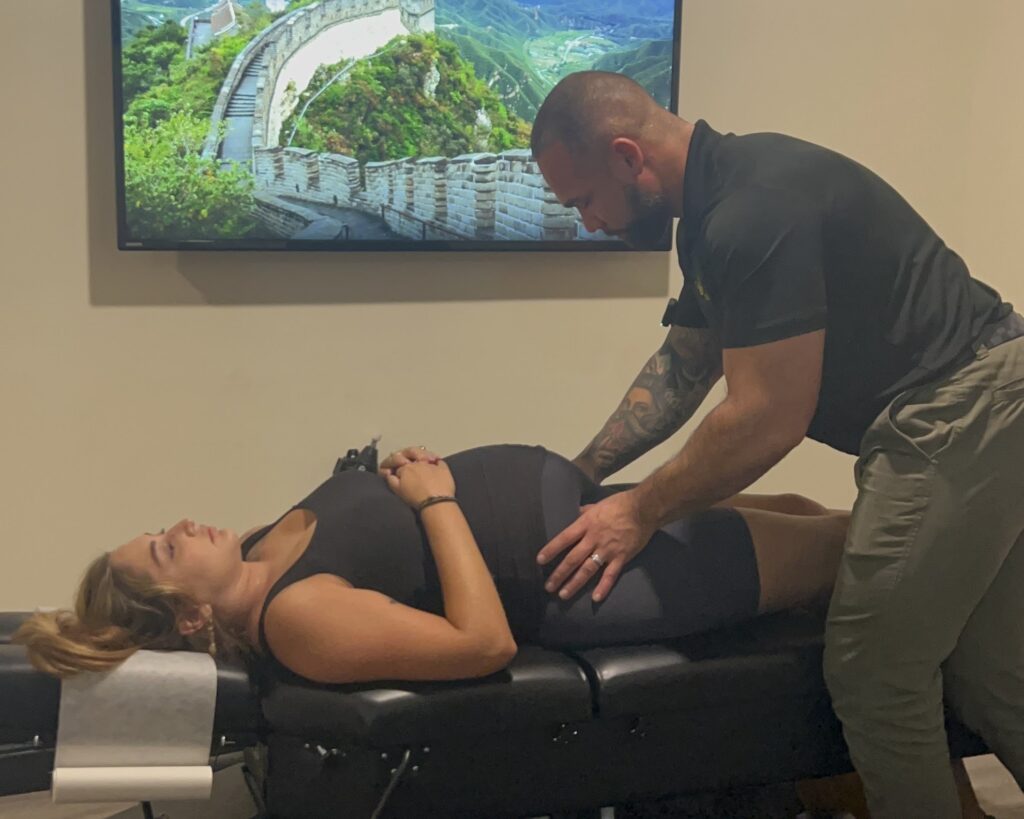
When you're feeling overwhelmed, chiropractic care can offer you a natural path to relaxation that goes beyond just physical adjustments. By understanding how spinal alignment impacts your nervous system, you can explore techniques that promote a balanced mind and body. Integrating mindfulness practices during your sessions can enhance your experience, but there's more to discover about how post-care routines can further support your relaxation journey. Curious about the specific strategies that might work for you?
Understanding Chiropractic Care
Chiropractic care's primary focus is on the relationship between your spine and overall health. When your spine is aligned properly, it can enhance your body's ability to function effectively. Misalignments, or subluxations, can lead to various health issues, affecting not just your back but also other systems in your body.
As you visit a chiropractor, they'll assess your posture, movement, and spinal alignment to identify any misalignments that may be contributing to your discomfort.
During your initial visit, you can expect a thorough examination that may include physical tests and a discussion about your medical history. The chiropractor will use this information to create a personalized treatment plan tailored to your specific needs.
Adjustments are the cornerstone of chiropractic care. These adjustments involve applying controlled force to specific joints, helping to restore proper alignment and function.
You'll likely notice immediate relief from pain or discomfort after an adjustment, but the benefits often extend beyond just alleviating symptoms. Regular chiropractic care can improve your overall well-being, boost your immune system, and enhance your mobility.
It's important to understand that chiropractic care isn't just for those with back pain. Many individuals seek chiropractic treatment to maintain their health and prevent issues before they arise.
Benefits of Relaxation Techniques
Incorporating relaxation techniques into your routine can greatly enhance your overall well-being. These techniques offer numerous benefits that can transform your mental and physical health. First and foremost, they help reduce stress, which is a common issue in today's fast-paced world. By taking time to unwind, you'll find that your mind becomes clearer and your mood improves, allowing you to tackle daily challenges with a refreshed perspective.
Moreover, relaxation techniques, such as deep breathing, meditation, or gentle yoga, can lower your heart rate and blood pressure. This physiological response not only calms your mind but also supports cardiovascular health. When you engage in regular relaxation practices, you may notice a significant decrease in anxiety levels, leading to a more balanced emotional state.
Additionally, these techniques can improve your sleep quality. When you learn to relax your body and mind, you're more likely to fall asleep faster and enjoy deeper, more restorative sleep. This, in turn, boosts your energy levels and enhances your focus during the day.
Lastly, incorporating relaxation techniques can promote better relationships. When you're less stressed and more centered, you're more likely to connect positively with others. You'll communicate more effectively and approach interactions with a calmer demeanor.
In essence, relaxation techniques not only benefit you individually but also create a ripple effect, positively impacting those around you. Embracing these practices can lead to a happier, healthier life.
Chiropractic Adjustments Explained
Chiropractic adjustments can offer you numerous benefits, from reducing pain to improving overall mobility.
You'll find various techniques used by chiropractors, each tailored to your specific needs.
Understanding how often you should receive these adjustments can also enhance your relaxation journey.
Benefits of Chiropractic Adjustments
Experience the transformative effects of chiropractic adjustments, which can greatly enhance your overall well-being. These adjustments help alleviate pain and discomfort by correcting misalignments in your spine. When your spine is aligned properly, your body can function more efficiently, leading to reduced stress and improved mobility.
You'll likely notice that chiropractic adjustments can improve your posture, which not only enhances your physical appearance but also reduces strain on your muscles and joints. Improved posture can lead to fewer headaches and less tension in your neck and shoulders, making daily activities more enjoyable.
Moreover, chiropractic care promotes better nervous system function. By ensuring your spine is in alignment, you enhance communication between your brain and body. This can lead to increased energy levels and a stronger immune response, helping you feel your best.
Regular chiropractic adjustments can also contribute to better sleep quality. When your body is free from pain and tension, you're more likely to enjoy restful nights. As a result, you'll wake up refreshed and ready to tackle the day.
Embracing chiropractic adjustments can be a crucial step toward ideal health and relaxation.
Common Techniques Used
Many techniques are employed in chiropractic adjustments to address spinal misalignments and promote overall wellness. One common method is the Diversified Technique, where you'll feel quick, precise thrusts aimed at restoring proper alignment. It's effective for a range of conditions and is often accompanied by a popping sound, which is completely normal.
Another popular technique is the Gonstead Method, focusing on thorough analysis before adjustments. Your chiropractor will evaluate your posture and spine, ensuring a tailored approach for your specific needs.
If you prefer a gentler method, the Activator Technique might be for you. This uses a small handheld instrument to deliver quick, low-force impulses, making it suitable for individuals who may be sensitive to traditional adjustments.
The Thompson Technique is also worth mentioning, where you'll lie on a specialized table that drops slightly during an adjustment, enhancing the effectiveness of the thrust.
Each technique is designed to alleviate pain and promote healing, so don't hesitate to discuss your preferences and concerns with your chiropractor. They'll guide you in finding the best approach tailored for your unique situation.
Ideal Frequency for Care
Finding the right frequency for chiropractic care can greatly enhance the benefits of the techniques you've just learned about. Understanding how often you should visit your chiropractor can help you achieve ideal results and maintain your well-being.
Here are some factors to evaluate when determining your ideal frequency:
- Initial Assessment: Your chiropractor will assess your condition and recommend a tailored plan that may require more frequent visits at first.
- Severity of Issues: If you're dealing with chronic pain or significant misalignments, you might need adjustments more often until your condition stabilizes.
- Lifestyle Factors: Your daily activities, such as work posture, exercise routines, and stress levels, can impact how often you should seek care.
- Long-term Maintenance: After addressing acute issues, many people benefit from periodic adjustments to maintain their health, typically ranging from once a month to once every few months.
Mindfulness and Chiropractic Sessions
Integrating mindfulness into your chiropractic sessions can greatly enhance your overall relaxation and healing experience. When you approach your appointments with a mindful attitude, you're more likely to reap the benefits of the treatment.
Start by setting an intention before each session. Think about what you want to achieve, whether it's alleviating pain, reducing stress, or simply feeling more balanced.
As you enter the chiropractic office, take a moment to ground yourself. Notice the environment around you—the sounds, smells, and even the temperature. This awareness helps you to stay present and focused.
Once you're on the treatment table, pay attention to your body. Notice how it feels as the chiropractor works on your spine and muscles. Instead of letting your mind wander to daily stressors, concentrate on the sensations in your body. Acknowledge any tightness or discomfort, but don't judge it; simply observe.
You can also incorporate mindfulness techniques during the adjustments. When the chiropractor applies pressure, visualize the tension melting away. Imagine each adjustment aligning your body and mind, promoting healing and relaxation.
By practicing mindfulness, you create a deeper connection with your body, which can lead to more effective adjustments.
Finally, after the session, take a few moments to reflect on your experience. Appreciate the changes you've noticed, both physically and mentally. This habit not only enhances your chiropractic care but also encourages a more mindful approach to your overall health and well-being.
Breathing Exercises for Stress Relief
Breathing exercises are a simple yet powerful tool for stress relief, and just a few minutes can make a significant difference in how you feel.
Integrating these techniques into your daily routine can help you manage stress more effectively, especially when paired with chiropractic care.
Here are four breathing exercises you can start practicing right now:
- Deep Diaphragmatic Breathing: Sit or lie down comfortably. Inhale deeply through your nose, letting your abdomen rise. Exhale slowly through your mouth. Repeat for five minutes. This encourages relaxation and reduces tension.
- 4-7-8 Breathing: Inhale through your nose for a count of four, hold your breath for a count of seven, and exhale through your mouth for a count of eight. This technique helps calm the nervous system and can be particularly effective before sleep.
- Box Breathing: Inhale through your nose for a count of four, hold your breath for a count of four, exhale through your mouth for a count of four, and hold again for four. This rhythmic pattern can enhance focus and reduce anxiety.
- Alternate Nostril Breathing: Using your thumb to close one nostril, inhale through the other. Then close that nostril with your ring finger, release the thumb, and exhale through the open nostril. This balances your energy and promotes a sense of calm.
Post-Care Relaxation Strategies
After your chiropractic session, it's important to incorporate relaxation strategies to maintain that sense of calm.
Deep breathing techniques can help ground you, while gentle stretching exercises keep your body feeling loose and free.
Let's explore how these practices can enhance your post-care experience.
Deep Breathing Techniques
Sometimes, the simplest methods can offer the greatest relief after a chiropractic session. One of the most effective techniques is deep breathing, which helps calm your mind and relax your body. When you focus on your breath, you engage your body's relaxation response, promoting overall well-being.
Here are four deep breathing techniques you can try:
- Diaphragmatic Breathing: Sit or lie down comfortably. Place one hand on your chest and the other on your abdomen. Inhale deeply through your nose, allowing your abdomen to rise. Exhale slowly through your mouth.
- Box Breathing: Inhale for a count of four, hold your breath for four, exhale for four, and pause for four. Repeat this cycle several times.
- 4-7-8 Breathing: Inhale for four counts, hold your breath for seven counts, and exhale for eight counts. This technique can help reduce anxiety and improve sleep quality.
- Alternate Nostril Breathing: Close one nostril and inhale through the other. Switch nostrils and exhale. This method balances your body's energy and promotes relaxation.
Feel free to incorporate these techniques into your post-care routine for deeper relaxation.
Gentle Stretching Exercises
Incorporating gentle stretching exercises into your post-chiropractic care routine can markedly enhance your relaxation and recovery. These stretches help to maintain flexibility, reduce muscle tension, and promote overall well-being. After your chiropractic adjustment, your body may benefit from movements that gently lengthen your muscles and improve blood flow.
Start with simple neck stretches by tilting your head side to side, holding each position for about 15 seconds. This can alleviate any stiffness you might feel.
Next, try shoulder rolls—move your shoulders up, back, and down in a circular motion. This helps release tension built up during daily activities.
For your lower back, consider a gentle seated forward bend. Sit on the floor with your legs extended, then reach forward toward your toes while keeping your back straight. Hold for 20-30 seconds.
Finally, finish with a few gentle spinal twists while seated, turning your torso to each side. These stretches can improve mobility in your spine and further enhance the benefits of your chiropractic care.
Remember to listen to your body and avoid any movements that cause discomfort.
Incorporating Chiropractic Into Your Routine
Finding ways to weave chiropractic care into your daily life can greatly enhance your overall well-being. You don't have to wait for discomfort to seek out these natural methods. By incorporating chiropractic principles into your routine, you can promote better alignment and relaxation.
Here are four practical tips to help you get started:
- Morning Stretching: Begin your day with gentle stretches to ease tension and prepare your body for the tasks ahead. Focus on areas that commonly hold stress, like your neck and shoulders.
- Posture Checks: Throughout your day, take a moment to assess your posture. Whether you're sitting at a desk or standing in line, maintaining good posture can prevent misalignments and discomfort.
- Regular Adjustments: Schedule regular chiropractic visits. Consistent adjustments not only help relieve pain but also keep your spine aligned, contributing to your overall health.
- Mindfulness Practices: Incorporate mindfulness techniques, such as deep breathing or meditation, into your day. These practices can reduce stress and enhance the benefits of chiropractic care by fostering a relaxed state of mind.
Conclusion
Incorporating chiropractic care into your wellness routine can greatly enhance your relaxation and overall well-being. By embracing mindfulness techniques, breathing exercises, and post-care strategies, you'll not only experience relief from tension but also foster a deeper mind-body connection. Remember, your journey to relaxation is unique, and combining these natural methods with chiropractic adjustments can lead to lasting benefits. So, take a moment for yourself and enjoy the serene state that chiropractic care can offer.