As a local chiropractor, I understand that dealing with lower back pain can be challenging, especially when you're faced with the choice between conventional treatments and alternative therapies. Many patients find that options like NSAIDs, physical therapy, and chiropractic care can provide quick relief from their discomfort. However, I encourage you to consider the benefits of alternative methods, such as acupuncture and yoga, which can offer a more holistic approach to healing.
It's important to reflect not only on the immediate relief these treatments provide but also on how they can contribute to the long-term management of your pain. When making your decision, think about what factors matter most to you—whether that's the goal of pain relief, improving your overall health, or finding a solution that fits your lifestyle.
As your chiropractor, I am here to help guide you through this process. I believe in the power of natural healing and personalized care, and I'm committed to ensuring that the treatment we choose aligns with your unique needs and circumstances. Let's work together to find the best path forward for your back pain relief and overall well-being.
Understanding Lower Back Pain
As a local chiropractor, I often see patients struggling with lower back pain, which can be a frustrating experience that significantly impacts your daily activities. Simple tasks, like lifting a grocery bag or bending down to tie your shoes, can become challenging when you're in discomfort.
It's crucial to understand the underlying causes of your lower back pain so we can effectively manage it together. Typically, lower back pain originates from muscle strain, injuries, or even the way we hold our bodies—often referred to as posture.
If you find yourself spending long hours hunched over at a desk or slouching on the couch, you may be inadvertently placing extra stress on your lower back. Additionally, factors such as obesity, lack of physical activity, or even stress can contribute to your discomfort.
It's also essential to recognize that lower back pain can be tied to various conditions, including herniated discs, arthritis, or spinal stenosis. Understanding whether your pain is acute or chronic is important; acute pain often appears suddenly, while chronic pain can persist for months or even years.
Pay close attention to where you feel the pain. Is it focused on one side, or does it travel down your leg? These specifics can provide valuable insights into what's happening in your body and guide us in tailoring the right care for you.
By taking the time to understand your lower back pain, you empower yourself to make informed decisions about your health. As your chiropractor, I can help you explore options like improving your posture, incorporating regular exercise, and practicing effective stress management techniques.
Being proactive in your care can greatly enhance your quality of life. Remember, understanding your pain is the first step toward discovering the right treatment path. Together, we can work towards alleviating your pain and restoring your overall well-being.
Effective Conventional Treatments
As a local chiropractor committed to helping you understand your options for managing lower back pain, I want to share some effective conventional treatments that can complement chiropractic care and natural healing. If you're experiencing discomfort, the best first step is to consult with a healthcare professional to create a personalized plan.
One common approach is the use of non-steroidal anti-inflammatory drugs (NSAIDs), such as ibuprofen or naproxen. These medications can help alleviate pain and reduce inflammation, serving as a temporary measure while you explore more holistic methods.
In conjunction with medication, physical therapy can be incredibly beneficial. A skilled therapist will work with you to develop a tailored exercise program aimed at strengthening your back and enhancing flexibility. They'll also instruct you on proper body mechanics, equipping you with the tools to prevent future issues. Many patients find that incorporating physical therapy into their routine significantly eases their pain and improves overall function.
For those with persistent pain, corticosteroid injections might be suggested by your healthcare provider. These injections can offer temporary relief by reducing inflammation around the nerves, but it's important to view this as a short-term solution rather than a long-term fix.
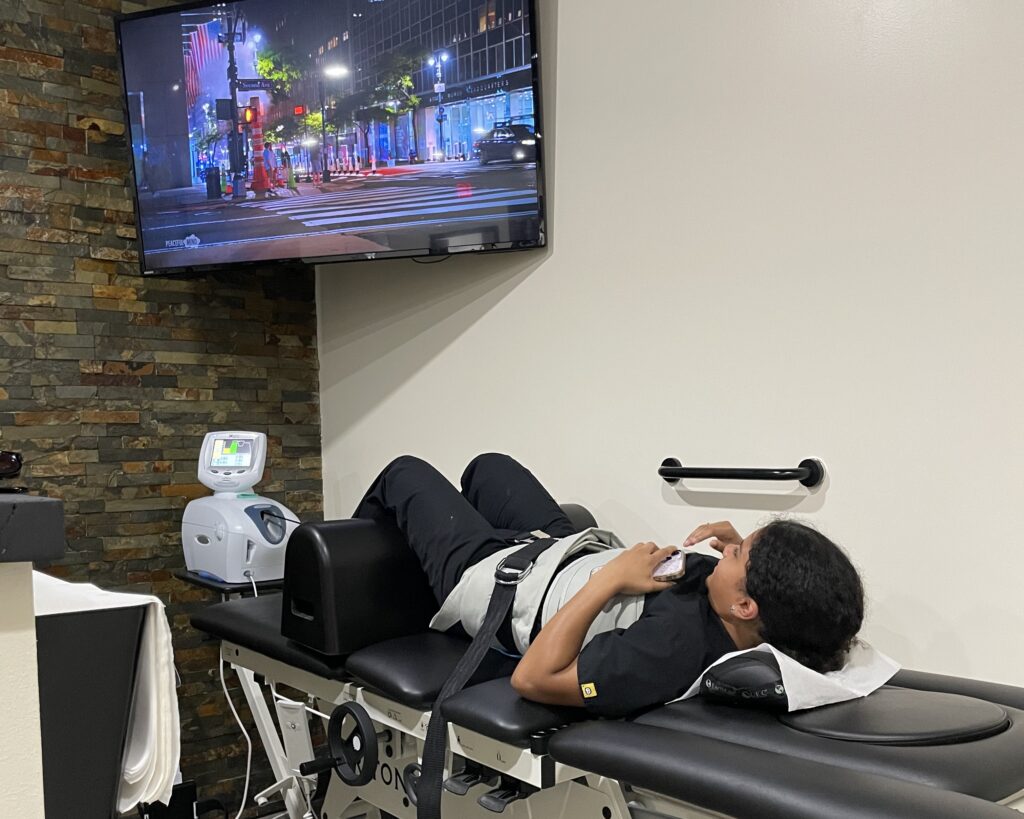
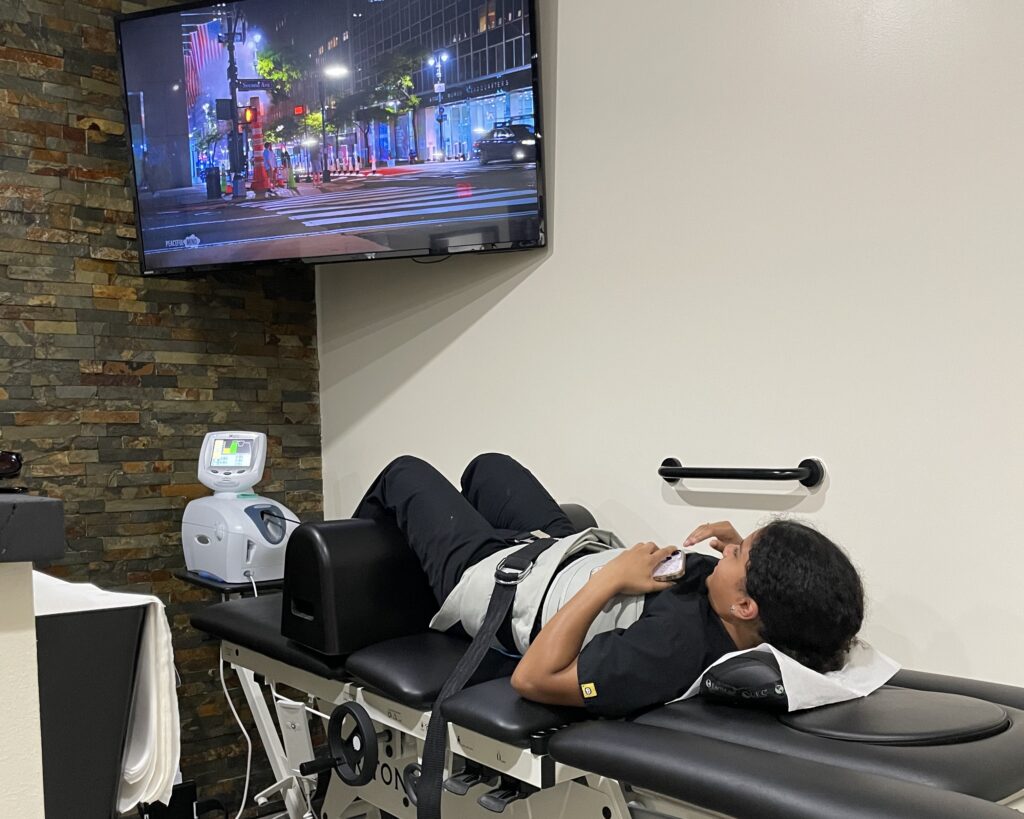
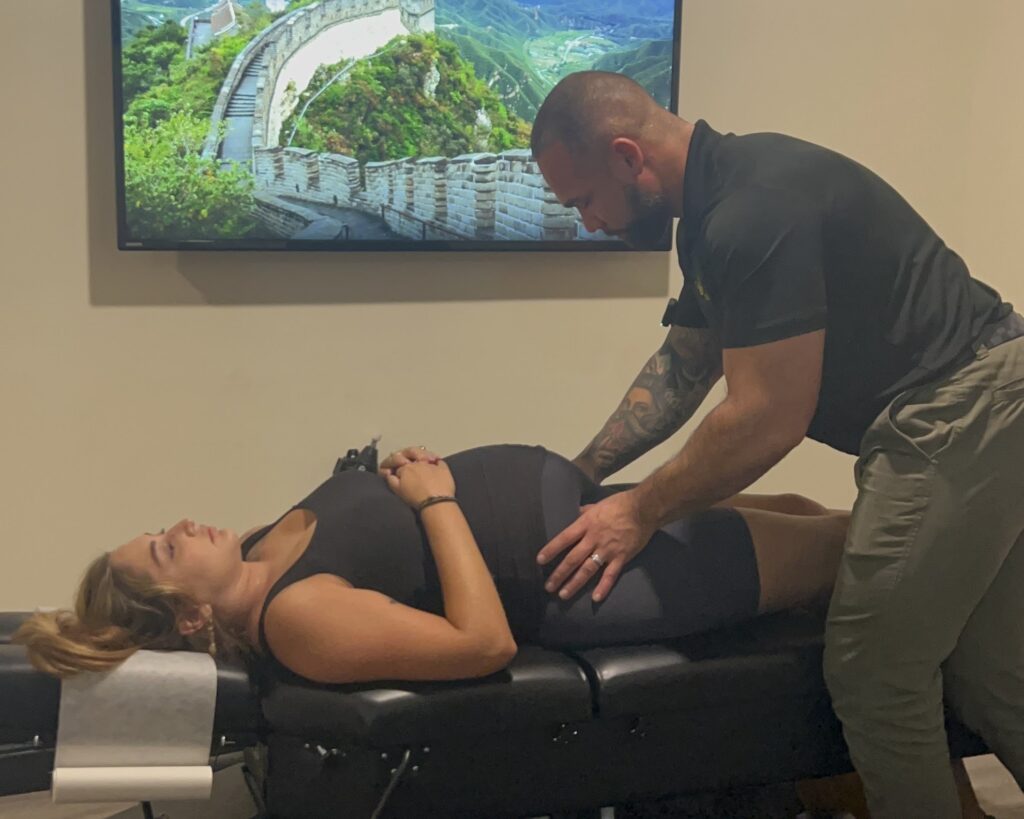
Chiropractic care, which focuses on spinal manipulation, is another effective option. By gently adjusting the spine, we can help relieve pain, improve mobility, and address underlying issues that may be contributing to your discomfort. Many patients experience substantial relief and enhanced quality of life through regular chiropractic adjustments.
In severe cases, where other treatments haven't yielded satisfactory results, surgical options may be discussed by your doctor. However, surgery is typically considered a last resort for specific conditions, such as herniated discs or spinal stenosis.
As your chiropractor, my goal is to educate you about these treatments and empower you to make informed decisions about your health. Together, we can create a comprehensive approach that prioritizes your well-being and promotes natural healing.
Alternative Treatment Options
As a local chiropractor, I want to share some insights on managing back pain through alternative treatment options that may enhance your healing journey.
Many of my patients have found that these methods work well alongside conventional treatments, offering additional relief and promoting overall wellness. Here are four alternative approaches that could benefit you:
1. Acupuncture: This ancient practice involves placing thin needles at specific points on the body. Research indicates that acupuncture can help alleviate pain and enhance mobility by triggering the release of endorphins, your body's natural pain relievers.
2. Chiropractic Care: My primary focus is on spinal alignment. Through gentle manual manipulation, I can help alleviate back pain and improve your range of motion.
Regular chiropractic visits not only reduce discomfort but also promote better posture and overall spinal health.
3. Massage Therapy: Therapeutic massage is effective for targeting tight muscles, providing relaxation and pain relief.
Different styles, such as deep tissue or trigger point therapy, can be tailored to address your specific concerns and enhance your recovery.
4. Yoga and Mindfulness Practices: Incorporating yoga into your routine can improve flexibility and strengthen the muscles that support your back.
In combination with mindfulness techniques, yoga can also help manage stress, which often exacerbates pain.
I encourage you to explore these alternative treatments as part of your back pain management plan.
It's important to consult with me or another healthcare provider before starting any new treatments to ensure they align with your individual health goals.
Together, we can find the relief that works best for you and supports your journey to wellness.
Comparing Treatment Efficacy
As a local chiropractor dedicated to educating my patients about back pain treatment options, I want to share some insights into the efficacy of both conventional and alternative therapies. Many people experience lower back pain, and understanding the most effective treatments available can greatly enhance your journey toward relief.
Conventional treatments, such as physical therapy, medication, and chiropractic care, tend to provide quick symptom relief and are supported by rigorous research. For example, physical therapy is designed to strengthen the muscles that support your spine, which can lead to lasting improvements in your overall well-being. Chiropractic care, in particular, focuses on spinal adjustments to alleviate pain and improve mobility, addressing the root causes of discomfort rather than just masking symptoms.
On the flip side, alternative treatments like acupuncture and herbal remedies, while they may not have the same level of scientific backing, have been beneficial for many individuals. Acupuncture, for instance, is known to help reduce pain and enhance function for certain patients. Additionally, practices such as yoga and mindfulness can help manage stress and tension, which often contribute to back pain.
When comparing these approaches, you'll find that conventional treatments often offer faster relief, while alternative methods can provide a more holistic, long-term strategy for managing pain. In fact, many patients find success by combining both types of treatments, integrating chiropractic care with alternative practices to create a customized plan that suits their unique needs.
Ultimately, the most effective approach will depend on your specific situation, preferences, and how your body responds to different therapies. As your chiropractor, I'm here to guide you through these options and help you discover the most suitable path to relief from your back pain.
Let's work together to find the best plan for your health and wellness.
Risks and Limitations
As a local chiropractor, I want to ensure you have a clear understanding of the treatments available for lower back pain.
It's important to recognize that, like any healthcare approach, chiropractic care and natural healing methods may come with their own set of risks and potential side effects. While many patients experience significant relief, it's crucial to keep in mind that not all alternative therapies have extensive scientific backing, which can sometimes lead to uncertainty about their effectiveness.
Before deciding on a treatment, I encourage you to consider these factors carefully. Open communication is key; I'm here to discuss any concerns you may have and help you understand the benefits and limitations of chiropractic care.
Together, we can make informed choices tailored to your individual needs and health goals. Your well-being is my top priority, and I look forward to guiding you on your journey to relief and recovery.
Potential Side Effects
As a local chiropractor, I want to take a moment to educate you about the potential side effects and limitations associated with lower back pain treatments, particularly those in the realm of chiropractic care and natural healing.
It's essential to be informed about these risks before beginning any treatment. Here are some common side effects you may encounter:
1. Medication Side Effects: Many individuals consider over-the-counter or prescription pain relievers for relief. However, it's important to know that these medications can lead to stomach issues, liver damage, or even dependence when used for extended periods.
2. Chiropractic Risks: Chiropractic adjustments can be highly effective for relieving back pain, but like any treatment, they come with certain risks. If adjustments aren't performed correctly, they may result in muscle strains or, in rare cases, nerve damage.
That's why it's crucial to choose a qualified chiropractor who can ensure safe and effective treatment.
3. Acupuncture Reactions: Some patients may explore acupuncture as a complementary therapy. While it's generally safe, acupuncture can cause side effects such as bruising, soreness, or, though infrequently, infection at the needle sites.
4. Herbal Supplements: Many people turn to herbal remedies for natural relief. However, these can interact with other medications you may be taking or even trigger allergic reactions.
It's vital to discuss any herbal supplements with your healthcare provider.
By understanding these potential side effects, you can make more informed decisions about your treatment options.
I encourage you to consult with a healthcare professional, including myself, to address any concerns and ensure that your chosen method aligns with your overall health needs.
Your well-being is my top priority, and I'm here to support you on your journey to better health.
Limited Scientific Evidence
As a local chiropractor, I want to share some insights about managing lower back pain, especially when considering various treatment options.
While there are many therapies available, it's crucial to understand that not all of them have strong scientific support. For instance, approaches like acupuncture, chiropractic adjustments, and certain herbal remedies may sound appealing, but their effectiveness can often lack the rigorous evidence found in clinical studies.
When exploring these treatments, it's essential to be cautious of claims that seem too good to be true. Some alternative therapies might offer temporary relief, but without solid research backing them, it's difficult to determine if they'll be effective for you or if they could potentially cause harm.
Individual experiences can vary greatly; what helps one person may not work for another, which is why thoughtful consideration is so important.
Before you embark on any alternative treatment, I highly recommend consulting with a healthcare professional who understands your unique situation. They can help you evaluate potential benefits alongside any risks involved.
By focusing on well-researched methods, you can feel confident that you're making informed decisions that genuinely address your lower back pain.
Making Informed Choices
Making informed choices about your treatment options for back pain is crucial for effective management, and as a local chiropractor, I want to help you understand the benefits of chiropractic care and natural healing.
With numerous alternatives available, it's important to equip yourself with the right knowledge. Here's a straightforward approach to guide you:
- Explore Chiropractic and Natural Treatment Options: Investigate how chiropractic care works, including spinal adjustments and other natural therapies. Learn about the scientific evidence supporting their effectiveness in treating back pain and promoting overall wellness.
- Consult with a Chiropractor: Schedule a visit to discuss your symptoms and concerns. As a chiropractor, I can provide personalized guidance based on your specific condition, medical history, and lifestyle, helping you find the most suitable treatment options.
- Assess Risks and Benefits: Every treatment, including chiropractic care, has its potential risks and benefits. It's essential to weigh these factors carefully to determine what aligns best with your health goals and everyday life.
- Track Your Progress: After starting your chiropractic treatment, monitor how you feel and note any changes in your symptoms. If something doesn't seem right or if you have questions, don't hesitate to reach out to me. Adjustments to your treatment plan may be necessary to ensure optimal outcomes.
Conclusion
As a local chiropractor, I want to help you navigate the options for managing lower back pain. It's important to understand the differences between conventional methods and more natural approaches. While many people find relief with NSAIDs and physical therapy, I encourage you to consider the holistic benefits of chiropractic care, yoga, and acupuncture.
Chiropractic care focuses on aligning the spine and improving overall body function, which can lead to long-lasting relief from pain. Unlike some conventional treatments that may only mask the symptoms, chiropractic adjustments address the root cause of your discomfort.
Additionally, practices like yoga and acupuncture can complement chiropractic treatment by promoting flexibility, reducing stress, and enhancing your overall well-being. It's essential to evaluate the pros and cons of each treatment option and discuss them with a healthcare professional, like a chiropractor, who can guide you in creating a personalized pain management plan.
By incorporating a combination of these therapies, you can effectively address your unique needs and work towards regaining comfort and mobility in your daily life. Remember, the goal is to not just alleviate pain, but to promote healing and a healthier lifestyle overall.