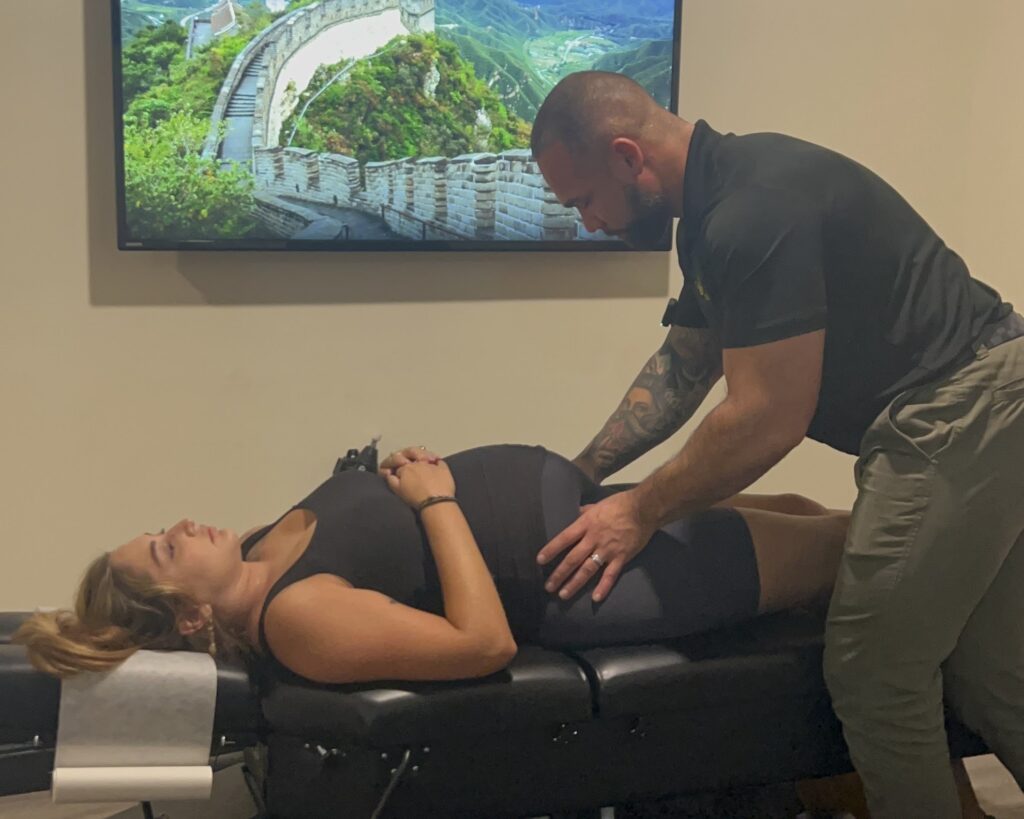
You know that a strong immune system is essential for your overall health, but have you considered how professional care can enhance it? By partnering with healthcare professionals, you can develop personalized nutrition plans tailored to your specific needs, ensuring you get the right nutrients to support your immune function. They'll also guide you in lifestyle modifications and stress management techniques that can make a significant difference. What's the best way to start this journey toward better immunity? Let's explore the key components that can make it happen.
Importance of a Strong Immune System
A strong immune system is your body's first line of defense against illnesses and infections. When your immune system functions well, it identifies and attacks harmful pathogens like bacteria and viruses, keeping you healthy. You mightn't realize it, but every day, your body battles countless invaders, and a robust immune response is essential for your overall well-being.
Maintaining a strong immune system can prevent frequent colds, flu, and other infections. If you find yourself getting sick often, it could be a sign that your immune system needs support. Factors like poor nutrition, lack of sleep, and chronic stress can weaken your defenses, making you susceptible to illnesses.
You can take action by adopting healthy habits that bolster your immune response. Eating a balanced diet rich in fruits, vegetables, whole grains, and lean proteins provides essential nutrients your body needs to function effectively. Regular exercise boosts circulation, helping immune cells travel efficiently throughout your body.
Prioritizing sleep is equally important, as restful nights allow your body to repair and regenerate, enhancing your immunity. Don't forget to manage stress, too. Chronic stress can lead to imbalances in your immune response, making it imperative to incorporate relaxation techniques such as meditation or deep breathing into your routine.
Role of Healthcare Professionals
When it comes to boosting your immunity, healthcare professionals play an essential role.
They provide expert guidance on nutrition and can create personalized wellness plans tailored to your needs.
Expert Guidance on Nutrition
Nutrition plays an important role in boosting your immunity, and healthcare professionals are essential in guiding you through this journey. They possess the knowledge and expertise to help you make informed dietary choices that can enhance your immune system.
Here are a few reasons why seeking their guidance is imperative:
- They can assess your unique nutritional needs based on your health history.
- They stay updated on the latest research regarding immune-boosting foods and supplements.
- They help you create a balanced diet that includes essential vitamins and minerals.
By consulting with a registered dietitian or nutritionist, you can gain valuable insights into the foods that support your immune health. They can recommend specific nutrients like vitamin C, zinc, and antioxidants, which are known to play a significant role in immune function.
Your healthcare professional can also help you identify any dietary gaps and suggest practical changes tailored to your lifestyle.
Getting personalized advice will empower you to make smarter food choices. With the right guidance, you can optimize your nutrition, ultimately strengthening your immunity and enhancing your overall well-being.
Don't underestimate the impact of professional support on your health journey!
Personalized Wellness Plans
Creating a personalized wellness plan is fundamental for optimizing your health and immunity. When you work with healthcare professionals, they can assess your unique needs, lifestyle, and goals to design a plan tailored just for you. This approach goes beyond generic advice, focusing on what really works for your body.
Your personalized wellness plan may include specific dietary recommendations, exercise regimens, and stress management techniques. Healthcare professionals can help you identify any underlying health issues, ensuring that your plan addresses these concerns directly. For instance, if you're prone to allergies or autoimmune conditions, your plan can incorporate strategies to strengthen your immune system.
Regular follow-ups with your healthcare provider are essential. They'll monitor your progress, adjust your plan as needed, and provide ongoing support, keeping you accountable.
It's also important to communicate openly about what's working and what isn't. This collaboration fosters a deeper understanding of your health and builds a stronger foundation for your well-being.
Personalized Nutrition Plans
When it comes to boosting your immunity, personalized nutrition plans can make a significant difference.
You'll benefit from tailored dietary recommendations that cater to your unique needs, helping you address any nutrient deficiencies.
Tailored Dietary Recommendations
A personalized nutrition plan can be your secret weapon for boosting immunity. By tailoring your dietary choices to your unique needs, you can enhance your body's defenses against illness.
Here are three key aspects to take into account when creating your plan:
- Whole Foods: Prioritize fresh fruits, vegetables, whole grains, and lean proteins. These foods provide essential vitamins, minerals, and antioxidants that support immune function.
- Hydration: Consuming adequate water is essential. Staying hydrated helps your body function effectively and allows nutrients to transport efficiently.
- Balanced Macronutrients: Confirm your diet includes the right balance of carbohydrates, proteins, and fats. Each macronutrient plays a critical role in energy production and immune health.
Consulting with a nutrition professional can help you identify specific foods that work best for you. They can also suggest appropriate portion sizes and meal timing to maximize your immune response.
Remember, consistency is key. Adopting these tailored dietary recommendations not only helps strengthen your immune system but also promotes overall well-being.
Nutrient Deficiency Assessments
Understanding your specific nutrient deficiencies is essential for developing a personalized nutrition plan that effectively boosts your immunity. When you identify what your body lacks, you can target those gaps with the right foods and supplements. A nutrient deficiency assessment can reveal important insights into your health, helping you understand how to strengthen your immune system.
You might consider working with a healthcare professional who can conduct tests to determine your nutrient levels. Common deficiencies, such as vitamin D, vitamin C, or zinc, can greatly impact your immune response. Once these deficiencies are identified, you can create a tailored nutrition plan that incorporates foods rich in these essential nutrients.
In addition to dietary changes, your plan might include specific supplements to guarantee you meet your nutritional needs. Regular monitoring of your nutrient levels can also help you adjust your plan as needed.
By staying proactive about your nutrition, you'll empower your body to fight off infections and illnesses more effectively. Remember, a personalized approach not only enhances your immunity but also supports your overall health and well-being.
Vaccinations for Immune Support
Vaccinations play a crucial role in bolstering your immune system and protecting against various diseases. By receiving the right vaccinations, you can enhance your body's ability to fight off infections and illnesses.
Here's why vaccinations are critical for your immune support:
- They help your body recognize and respond to pathogens effectively.
- Vaccinations can prevent serious illnesses, reducing hospital visits and medical costs.
- Keeping your vaccination schedule up-to-date protects not only you but also those around you, especially vulnerable populations.
When you get vaccinated, you're effectively training your immune system. Vaccines introduce a harmless part of the pathogen—like a protein or inactive virus—so your body can learn to recognize it.
This process primes your immune response, so if you ever encounter the actual virus or bacteria, your body can respond swiftly and effectively.
It's important to consult with your healthcare provider to determine which vaccines are appropriate for you based on your age, health history, and lifestyle.
Common vaccines include those for influenza, pneumonia, and tetanus, among others. Staying informed about recommended vaccinations can greatly strengthen your immune defenses.
Stress Management Techniques
Maintaining a strong immune system goes beyond vaccinations; managing stress effectively is equally important for your overall health. When you're under stress, your body produces hormones like cortisol that can weaken your immune response. That's why incorporating stress management techniques into your daily routine is essential.
Start by practicing mindfulness. Take a few minutes each day to sit quietly, focus on your breathing, and clear your mind. This simple act can help reduce anxiety and lower your stress levels.
You might also consider yoga or tai chi, which combine movement, meditation, and breathing exercises to promote relaxation and improve your physical health.
Regular physical activity is another powerful stress reliever. Even a brisk walk can boost your mood and increase your energy levels. Aim for at least 30 minutes of exercise most days of the week. It doesn't have to be intense; find something you enjoy, whether it's dancing, cycling, or swimming.
Don't underestimate the power of social connections. Engaging with friends and family can provide emotional support and help you feel more grounded. Reach out to loved ones, even if it's just for a quick chat or a coffee date.
Lastly, make sure you're getting enough sleep. Aim for 7-9 hours per night, as quality rest can greatly improve your resilience to stress.
Regular Health Screenings
Regular health screenings are vital for keeping your immune system strong and catching potential health issues early. By staying proactive about your health, you can guarantee that any underlying conditions are identified before they become serious.
Here's why you should prioritize regular screenings:
- Early Detection: Catching diseases like diabetes or hypertension in their early stages can make a notable difference in treatment outcomes.
- Personalized Care: Screenings help your healthcare provider tailor advice and treatments specifically to your needs.
- Peace of Mind: Knowing your health status can alleviate anxiety and help you focus on maintaining your well-being.
Routine check-ups often include blood tests, cholesterol levels, and other essential assessments. These screenings provide insight into how well your body is functioning and how effectively your immune system is operating.
Your doctor can also recommend vaccinations based on your health history and lifestyle, which can greatly boost your immunity.
Don't wait until you feel unwell to schedule a screening. Regular appointments create a partnership with your healthcare provider, allowing you to discuss any concerns and stay informed about preventive measures.
Staying on top of your health screenings isn't just about avoiding illness; it's about investing in a healthier future. So, take charge of your health today—schedule that appointment and commit to a regular screening routine. Your immune system will thank you!
Lifestyle Modifications for Immunity
Taking charge of your health goes beyond just regular screenings; it also involves making smart lifestyle choices that can greatly enhance your immune system.
First, focus on your diet. Eating a variety of fruits and vegetables guarantees you get essential vitamins and minerals. Foods rich in antioxidants, such as berries and leafy greens, can help combat oxidative stress, boosting your immunity.
Next, consider your hydration. Drinking enough water is essential for maintaining bodily functions, including your immune response. Aim for at least eight glasses a day, adjusting based on your activity level and environment.
Regular physical activity is another key factor. Aim for at least 150 minutes of moderate exercise each week. Exercise improves circulation, helping immune cells navigate throughout your body more effectively. It also reduces stress, which can weaken your immune system.
Speaking of stress, managing it's critical. Incorporate relaxation techniques like meditation, yoga, or deep-breathing exercises into your daily routine. These practices can lower cortisol levels and enhance your immune function.
Don't overlook sleep, either. Prioritize 7-9 hours of quality sleep per night. Sleep is when your body repairs and regenerates, allowing your immune system to stay strong.
Finally, avoid smoking and limit alcohol intake. Both can impair your immune response, making you more susceptible to illness.
Integrating Holistic Approaches
Embrace holistic approaches to boost your immunity by considering the mind-body connection and natural therapies. Integrating these methods into your daily routine can enhance your overall well-being and strengthen your immune system. Here are some key aspects to focus on:
- Mindfulness Practices: Engaging in meditation or yoga can reduce stress, which is known to weaken your immune response.
- Nutrition: Incorporate whole foods rich in antioxidants and vitamins. A balanced diet fuels your body and fortifies its defenses.
- Physical Activity: Regular exercise boosts circulation and promotes a healthy immune function.
When you adopt a holistic mindset, you recognize that emotional and physical health are closely intertwined. Start by incorporating mindfulness practices into your day. Just a few minutes of deep breathing or meditation can help you feel more centered and reduce stress levels.
Next, evaluate your diet. Make conscious choices to include nutrient-dense foods, such as leafy greens, berries, and nuts. These foods provide essential vitamins and minerals that your body needs to fight off infections.
Finally, don't underestimate the power of physical activity. Aim for at least 30 minutes of moderate exercise most days of the week. It doesn't have to be intense; even brisk walking can yield significant benefits.
Conclusion
Boosting your immunity is all about taking proactive steps with professional guidance. By embracing personalized nutrition plans, keeping up with vaccinations, and managing stress, you can greatly enhance your immune system. Regular health screenings and lifestyle modifications also play an essential role in your overall well-being. Don't forget to incorporate holistic approaches for a well-rounded strategy. With the right support, you can strengthen your immunity and feel your best every day.