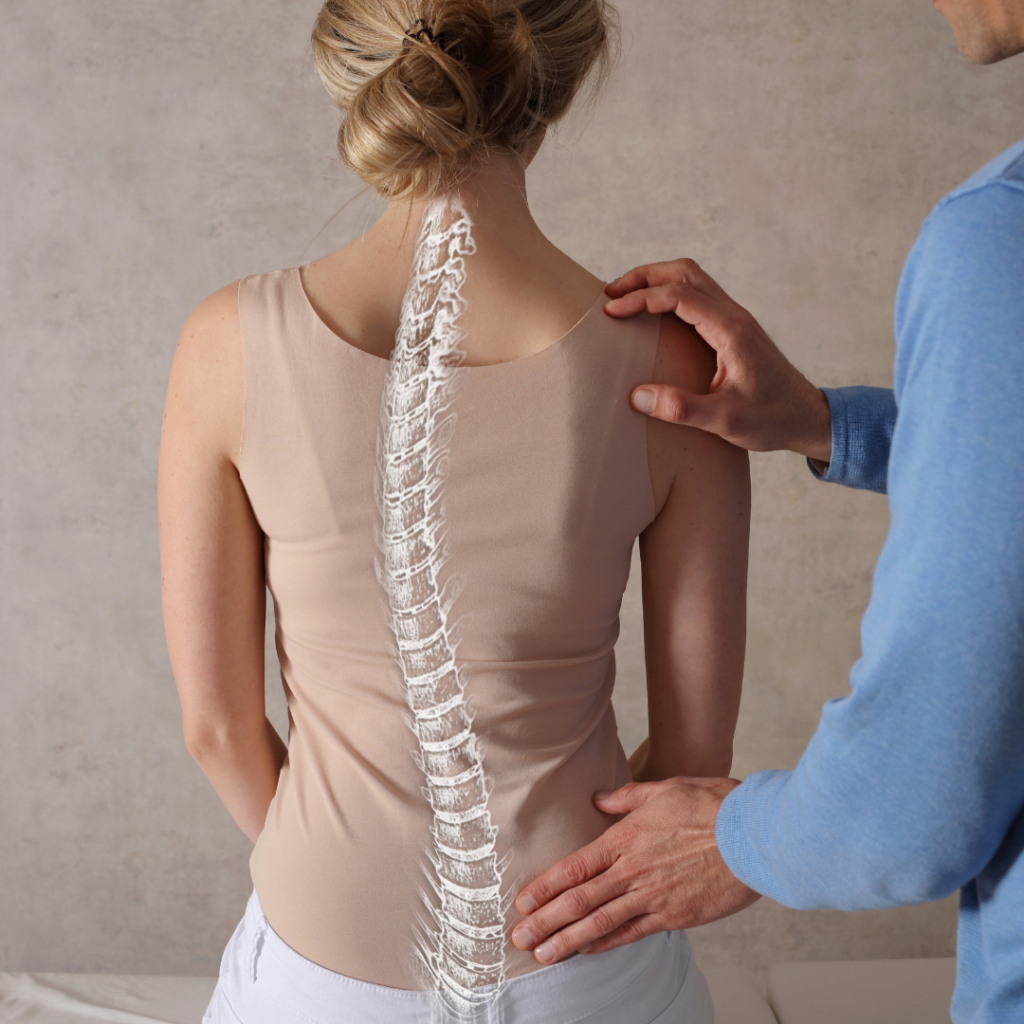
As a local chiropractor, I want to emphasize just how crucial your posture is when it comes to alleviating back pain. Many people don’t realize that poor alignment can place unnecessary strain on your spine, leading to discomfort and fatigue over time. By understanding the connection between your posture and the pain you experience, you can take proactive steps to improve your overall well-being.
You might be wondering, what specific changes can truly make a difference? Simple adjustments to your daily habits can lead to significant relief. For instance, being mindful of how you sit, stand, and even sleep can greatly impact your spinal health. I encourage you to explore these adjustments with me, as they can be the key to unlocking a more comfortable life free from back pain. Let’s work together to find the best solutions for you!
Understanding the Anatomy of the Spine
As a local chiropractor, I want to take a moment to educate you about the incredible structure of your spine and its vital role in your overall health. Your spine isn’t just a collection of bones; it’s a remarkable system comprised of 33 vertebrae that work together to support your body and protect your spinal cord.
It’s divided into five key regions: cervical, thoracic, lumbar, sacral, and coccygeal, each with its own important function. The cervical spine, located in your neck, allows for the flexibility and movement of your head. Meanwhile, the thoracic region helps support your ribcage and vital organs.
The lumbar spine, which is in your lower back, is particularly crucial because it carries most of your body’s weight, contributing significantly to your stability and posture. In between each vertebra, you’ll find intervertebral discs that serve as shock absorbers, cushioning your spine during movement.
Surrounding the spine are ligaments and muscles that provide stability, enabling you to stand, bend, and twist with ease. By understanding the anatomy of your spine, you can appreciate how essential it’s for your health.
Knowledge of its structure empowers you to make informed choices that promote better posture and spinal alignment. This understanding is fundamental to reducing strain on your body and enhancing your overall well-being.
As your chiropractor, I’m here to guide you on this journey towards natural healing and a healthier spine!
The Impact of Poor Posture on Back Pain
As a chiropractor, I often see patients who are unaware of how poor posture can significantly impact their overall health, particularly regarding back pain.
When you find yourself slouching or hunching over, your body struggles to maintain its natural alignment. This misalignment can lead to considerable discomfort and tension in your back.
Poor posture creates additional strain on your spine, muscles, and ligaments, making it challenging for them to support your body effectively. Over time, this can result in muscle fatigue and even chronic pain. You may experience tightness in your shoulders or lower back, and this discomfort can radiate into your neck and hips.
When your body compensates for improper posture, it can create imbalances that exacerbate your pain. Moreover, sitting for long periods in an incorrect position weakens your muscles, making it even harder for them to support your spine.
As your chiropractor, I’m here to guide you in understanding the importance of maintaining proper posture and how it can help alleviate your back pain.
Together, we can work on strategies to improve your alignment and strengthen your muscles, promoting a healthier, pain-free life.
Common Posture Problems and Their Effects
As a local chiropractor, I want to highlight the importance of understanding how common posture problems can significantly affect your overall health, especially when it comes to back pain.
Many individuals are unaware that simple habits—like slouching at your desk or leaning forward while using your phone—can lead to discomfort and long-term issues in your body.
Let’s take a closer look at some prevalent posture problems that I often see in my practice:
- Forward Head Posture: This occurs when your head juts forward, straining your neck and upper back. Over time, this can lead to discomfort and tension headaches.
- Rounded Shoulders: Frequently caused by prolonged sitting or poor ergonomics, rounded shoulders can result in tightness and pain in both your shoulders and back, making it difficult to maintain an active lifestyle.
- Swayback Posture: This posture creates an excessive curve in your lower back, which can contribute to chronic pain and discomfort, impacting your daily activities.
- Flat Back: A flat back can lead to stiffness and discomfort in your spine, ultimately affecting your overall mobility and quality of life.
Recognizing these posture issues is the first step toward alleviating pain and enhancing your well-being.
As a chiropractor, I’m here to guide you through natural healing methods to improve your posture and overall health.
Let’s work together to create a healthier, pain-free lifestyle!
The Role of Ergonomics in Posture
As a chiropractor, I want to share the importance of ergonomics in maintaining good posture, especially in our modern, technology-driven lives. Ergonomics is all about creating a workspace that supports your body’s natural alignment, which can significantly influence how you sit, stand, and move throughout your day.
When your workstation is set up properly, it promotes correct posture and reduces unnecessary strain on your muscles and joints.
To start, make sure your chair is adjusted so that your feet are flat on the ground and your knees form a 90-degree angle. Your computer screen should be at eye level to prevent any awkward neck movements. I recommend using an ergonomic chair that offers lumbar support to help keep your spine in its natural curve.
By applying these ergonomic principles, you not only increase your comfort but also lower the risk of developing chronic back pain, which is something I see often in my practice.
Prioritizing ergonomic designs in your workspace is a proactive approach to improving your posture and enhancing your overall health. Remember, taking care of your body today can prevent discomfort and issues down the road.
How Sitting Affects Your Spine
As a local chiropractor dedicated to your health, I want to shed light on how your sitting habits can significantly impact your spine. Many of us spend long hours seated, whether at work or home, and if our posture isn’t optimal, it can lead to serious issues over time.
Let’s break down some of the key effects that sitting has on your spine:
- Increased Pressure: When you sit, your spinal discs are compressed, which can lead to discomfort and pain. This pressure can be detrimental to your overall spinal health.
- Weak Muscles: Sitting for extended periods can weaken the core and back muscles that are essential for supporting your spine. Weak muscles can contribute to poor posture and increase your risk of injury.
- Poor Alignment: Slouching or leaning forward can misalign your spine. Over time, this can lead to chronic issues, such as herniated discs, which can be quite painful and may require professional care.
- Reduced Flexibility: Remaining in a static position restricts movement in your spine. This lack of mobility can reduce flexibility, making it harder to perform daily activities.
Being aware of how you sit is crucial for maintaining a healthy spine and preventing future discomfort.
I encourage you to make small adjustments to your posture—such as sitting up straight, using ergonomic furniture, and taking regular breaks to stretch. These simple changes can make a significant difference in your spinal health.
If you have any questions or need personalized advice, please feel free to reach out. Your spine will thank you!
Exercises to Improve Posture
As your local chiropractor, I want to emphasize the importance of posture and how it can significantly impact your overall health.
To improve your posture, it’s essential to engage in specific exercises that target core strength and flexibility. Strengthening your core muscles is crucial, as a strong core supports your spine and helps maintain proper alignment.
Additionally, stretching tight areas, particularly in the back and shoulders, can alleviate tension and promote better posture.
Incorporating daily posture exercises into your routine is key. These exercises not only enhance your posture but also contribute to your overall well-being.
By focusing on these movements, you can maintain better alignment throughout your day, reducing the risk of discomfort and injury.
Remember, proper posture isn’t just about looking good; it plays a vital role in your spinal health and overall quality of life.
If you have any questions about these exercises or how chiropractic care can assist you further, feel free to reach out!
Strengthening Core Muscles
As a local chiropractor, I often see patients who focus primarily on stretching to alleviate back pain. While stretching is important, I want to emphasize that strengthening your core muscles is just as vital for enhancing your posture and overall spinal health.
A robust core supports your spine, helping to maintain proper alignment and alleviate strain on your back. Incorporating core-strengthening exercises into your daily routine can yield remarkable benefits for your back health.
Here are some effective exercises that I recommend for my patients:
- Planks: This exercise involves holding a plank position while keeping your body straight. It effectively engages your core muscles, providing stability and support for your spine.
- Bridges: By lying on your back and lifting your hips while squeezing your glutes, you strengthen your lower back and pelvic region, which is crucial for maintaining proper posture.
- Dead Bugs: This exercise entails lying on your back, extending your arms and legs, and alternating movements. It helps to enhance coordination and stability in your core.
- Russian Twists: Sitting on the floor and leaning back slightly while twisting your torso side to side targets your oblique muscles, which play a key role in supporting your spine.
Incorporating these exercises into your routine can significantly improve your core strength and, in turn, support your spinal health.
If you have any questions or need guidance on how to perform these exercises correctly, please don’t hesitate to ask during your next visit! Your journey to better back health is important, and I’m here to help you every step of the way.
Stretching Tight Muscles
As a local chiropractor, I want to emphasize that strengthening your core is just one essential aspect of enhancing your posture and reducing back pain. Equally important is the need to stretch tight muscles that can disrupt your spinal alignment.
I often see patients with tightness in their chest, shoulders, and hip flexors, which are common culprits due to extended periods of sitting. Incorporating simple stretches into your daily routine can make a significant difference.
For instance, doorway chest stretches can help open up your chest, while hip flexor lunges can release the tension in your hips. These stretches not only promote flexibility but also support a healthier back and improved posture.
When you stretch, aim to hold each position for at least 20-30 seconds while breathing deeply. This practice can greatly enhance your comfort and well-being.
Daily Posture Exercises
As a local chiropractor, I want to emphasize that improving your posture is more achievable than you might believe, especially when you incorporate specific exercises into your daily routine.
These exercises not only strengthen your core but also enhance flexibility and promote better alignment, which is crucial for your overall spinal health.
Here are some effective exercises you can start with:
- Wall Angels: Stand with your back against a wall and slide your arms up and down. This will help open your chest and improve your shoulder mobility.
- Plank: Holding a plank position is a fantastic way to engage your core and back muscles, providing stability and strength.
- Shoulder Blade Squeeze: Whether sitting or standing, pull your shoulder blades together and hold for a few seconds. This exercise helps counteract the effects of slouching and strengthens your upper back.
- Cat-Cow Stretch: On your hands and knees, alternate between arching your back (cat) and rounding it (cow). This movement enhances spinal flexibility and can alleviate tension.
By committing to these exercises daily, you’ll likely notice significant improvements in your posture and overall back health.
The Importance of Core Strength
As a local chiropractor, I want to emphasize the crucial role your core muscles play in stabilizing your body and maintaining good posture.
Strong core muscles are essential not only for your appearance but also for your overall health and well-being. When these muscles are well-developed, they help keep your body aligned, which can significantly reduce the risk of experiencing back pain.
Understanding the importance of core strength is key to natural healing and maintaining a pain-free lifestyle.
By incorporating core-strengthening exercises into your routine, you can support your spine and improve your posture, leading to increased comfort and a reduced risk of injury.
Core Muscles Stability
As a local chiropractor, I want to emphasize the importance of core stability for your overall back health and pain prevention. Your core muscles play a crucial role in supporting your spine, enabling you to move with greater ease and confidence.
When your core is strong and stable, it helps distribute your body weight evenly, which significantly reduces stress on your back. Here are some key benefits of developing core strength that I encourage all my patients to consider:
- Improved posture: A well-developed core supports your spine and promotes better alignment, which is vital for maintaining a healthy back.
- Enhanced balance: A stable core is essential for maintaining balance during various activities, whether you’re exercising or going about your daily routine.
- Reduced injury risk: By strengthening your core, you can help protect your back from strains and injuries, reducing the likelihood of discomfort.
- Increased functional strength: A strong core allows you to perform everyday tasks with greater ease, whether that’s lifting groceries or playing with your kids.
Incorporating core-strengthening exercises into your routine can be a game changer for your overall health.
If you have any questions or would like guidance on how to improve your core stability, feel free to reach out. Your journey to better back health starts here!
Enhanced Postural Support
As a local chiropractor, I want to emphasize the importance of strong core muscles for enhancing postural support and overall back health. A robust core plays a crucial role in stabilizing your spine, which can significantly reduce the risk of experiencing back pain. Incorporating exercises such as planks, bridges, and abdominal crunches into your routine can greatly strengthen these essential muscles.
When your core is strong, you’ll find it easier to maintain better posture during everyday activities, whether you’re sitting at your desk or standing in line. Good posture is vital; it aligns your spine and ensures that weight is distributed evenly across your body, which helps minimize strain on your back.
Moreover, improving your core strength can lead to better balance and stability, enhancing your overall physical well-being.
Tips for Maintaining Good Posture Throughout the Day
As a local chiropractor, I understand that maintaining good posture throughout the day can feel like a daunting task, especially for those who are new to chiropractic care and the principles of natural healing.
However, by adopting a few straightforward habits, you can significantly enhance your posture, alleviate back pain, and boost your overall comfort.
Here are some practical tips that I encourage my patients to integrate into their daily routines:
- Set reminders: I suggest using your phone or computer to set alerts every hour. This simple nudge can remind you to check in on your posture and make necessary adjustments.
- Adjust your workspace: It’s essential to create an ergonomic workspace. Ensure that your chair supports your lower back, your feet are flat on the floor, and your elbows are at a 90-degree angle while working. This setup helps reduce strain on your body.
- Practice standing tall: When you walk, focus on keeping your shoulders back and aligning your head with your spine. This not only improves your posture but also promotes better spinal health.
- Stretch regularly: Incorporate short breaks into your day to stretch your back, neck, and shoulders. These stretches can help relieve tension and prevent stiffness, which is crucial for maintaining good posture.
By following these tips, you can take proactive steps towards better posture and overall wellness.
If you have any questions or need personalized advice, feel free to reach out to my office. Together, we can work towards a healthier spine and improved quality of life.
When to Seek Professional Help for Back Pain
As a local chiropractor, I want to emphasize the importance of understanding your back pain and knowing when to seek professional help. Even if you maintain good posture, back pain can arise, signaling that there may be an underlying issue that needs attention.
If you experience pain lasting longer than a week, if it intensifies, or if you have symptoms such as numbness, tingling, or weakness in your legs, it’s essential to consult with a chiropractor.
Don’t overlook signs such as severe pain following an injury or difficulty standing up straight; these symptoms could point to a more significant condition that requires evaluation.
If your back pain disrupts your daily activities or sleep, it’s time to reach out for professional assistance. Persistent pain that doesn’t respond to at-home treatments, like rest or over-the-counter medications, is another sign that a thorough assessment is necessary.
Moreover, any changes in bowel or bladder function shouldn’t be ignored, and immediate care is crucial in such situations.
Remember, addressing back pain early through chiropractic care can help you avoid long-term complications and assist you in returning to a pain-free lifestyle more swiftly.
Your health and comfort are our top priorities, and we’re here to guide you on your journey to wellness.
Conclusion
As a local chiropractor, I want to emphasize the importance of posture in alleviating back pain and improving your overall health. Many people may not realize how crucial proper spinal alignment is to their well-being. Understanding how your spine functions and the effects of poor posture can empower you to make beneficial changes in your daily life.
By integrating ergonomic practices into your workspace, strengthening your core muscles, and maintaining awareness of your posture throughout the day, you can experience significant relief from discomfort. Remember, it’s not just about sitting up straight; it’s about creating a supportive environment for your spine.
If you find that your pain persists despite these efforts, I encourage you to seek professional guidance. Chiropractic care focuses on natural healing and can help you get on the right track towards recovery. Together, we can work towards restoring balance and function to your body, allowing you to live a more comfortable and active life.