You might wonder why chiropractic adjustments can be an effective tool for reducing anxiety. When your spine is aligned properly, it not only alleviates physical tension but also optimizes the release of mood-regulating neurotransmitters. This connection between your body and mind suggests that addressing physical discomfort can lead to emotional stability. But what specific processes occur during adjustments that enhance your overall well-being? Understanding these mechanisms could provide valuable insights into managing anxiety more effectively.
Understanding Anxiety and Its Effects
Understanding anxiety and its effects is vital for managing your mental health. Anxiety isn't just a feeling of worry; it can manifest in various ways, affecting your daily life markedly. You may experience racing thoughts, restlessness, or physical symptoms like a racing heart or muscle tension. These symptoms might disrupt your ability to focus, make decisions, or even enjoy activities you once loved.
When anxiety strikes, it can create a cycle of avoidance. You might shy away from social situations or tasks that trigger your anxiety, leading to isolation and increased feelings of helplessness. It's important to recognize that these effects aren't just in your head; they can impact your physical health as well. Chronic anxiety can lead to issues like insomnia, digestive problems, or even chronic pain.
By understanding your anxiety, you can start to identify triggers and patterns. This awareness allows you to take proactive steps to manage your responses. You might find that journaling your thoughts or practicing mindfulness can help you navigate your feelings.
Remember, it's normal to feel anxious; it's how you respond that makes the difference. Learning about anxiety empowers you. It gives you the tools to confront it rather than avoid it. This knowledge can help you build resilience, ultimately leading to healthier coping mechanisms.
When you understand anxiety and its effects, you're better equipped to take control of your mental health and work towards a more balanced life.
The Mind-Body Connection
Your body responds to stress in ways that can heighten anxiety, affecting everything from your posture to your emotional state.
As you learn how neurotransmitter release dynamics play a role in this process, you'll discover the powerful connection between your mind and body.
Understanding this link can help you manage anxiety more effectively.
Physical Response to Stress
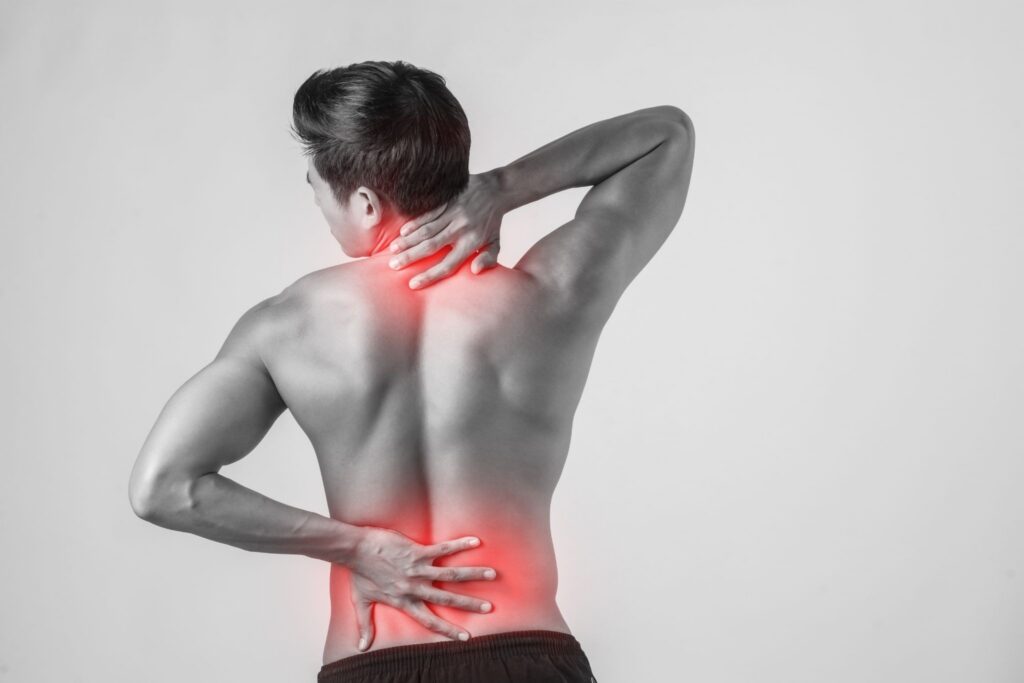
Stress triggers a range of physical responses that can greatly impact your well-being. When you encounter stress, your body goes into a fight-or-flight mode, releasing hormones like adrenaline and cortisol. This response prepares you to react quickly, but it can also lead to physical symptoms such as increased heart rate, muscle tension, and shallow breathing. You might notice your shoulders tense up or your stomach feels knotted.
These physical reactions can affect your daily life, making it harder to focus or sleep. Over time, chronic stress can lead to more serious health issues, including headaches, digestive problems, and weakened immune function. You might even find yourself feeling fatigued or emotionally drained.
Recognizing these physical signals is essential for managing stress effectively. By tuning into your body's responses, you can take proactive steps to alleviate tension. Techniques such as deep breathing, stretching, or engaging in physical activity can help counteract these stress-induced reactions.
Understanding this mind-body connection empowers you to take control of your well-being, ensuring that stress doesn't dominate your life. By addressing your physical responses, you can pave the way for a more balanced and peaceful state of mind.
Neurotransmitter Release Dynamics
The intricate dynamics of neurotransmitter release play an essential role in the mind-body connection, influencing how you experience and respond to anxiety. When you're stressed, your brain releases various neurotransmitters, such as serotonin, dopamine, and norepinephrine. These chemicals communicate with your body, impacting your mood, energy levels, and overall sense of well-being.
Adjustments, particularly in chiropractic care, can help optimize this release. By improving spinal alignment, you enhance the nervous system's ability to function effectively. A properly aligned spine allows your body to communicate signals more efficiently. This improved communication can lead to balanced neurotransmitter levels, which may help reduce feelings of anxiety.
When neurotransmitters like serotonin are released in balanced amounts, you may notice a significant improvement in your mood and stress response. Moreover, adjustments can reduce physical tension and discomfort, which further supports your body's natural ability to regulate neurotransmitter activity.
When you feel less physical stress, your brain can focus on producing the right chemicals to help you feel calm and centered. Ultimately, understanding neurotransmitter dynamics can empower you in managing anxiety through conscious adjustments to your physical and emotional health.
Posture and Emotional State
Posture can greatly influence your emotional state, serving as a powerful indicator of how you're feeling at any given moment. When you slouch or hunch your shoulders, it can signal to your brain that something's wrong, often amplifying feelings of anxiety or sadness. Conversely, standing tall or sitting upright can boost your confidence and improve your mood.
You mightn't realize it, but your body language communicates a lot. When you adopt an open posture, you're sending positive signals to your brain, which can help reduce anxiety. Research shows that simply adjusting your posture can lead to changes in your emotional state.
When you practice good posture, you're not just improving your physical health; you're also promoting mental well-being.
Try this: next time you feel anxious, take a moment to check your posture. Straighten your back, lift your chin, and relax your shoulders. Notice how this small shift can change your perspective.
How Adjustments Work
Adjustments can play an essential role in alleviating anxiety by realigning both your body and mind. When you experience physical misalignments, such as in your spine, it can affect your nervous system and overall well-being. Adjustments target these misalignments, helping restore proper function and communication within your body.
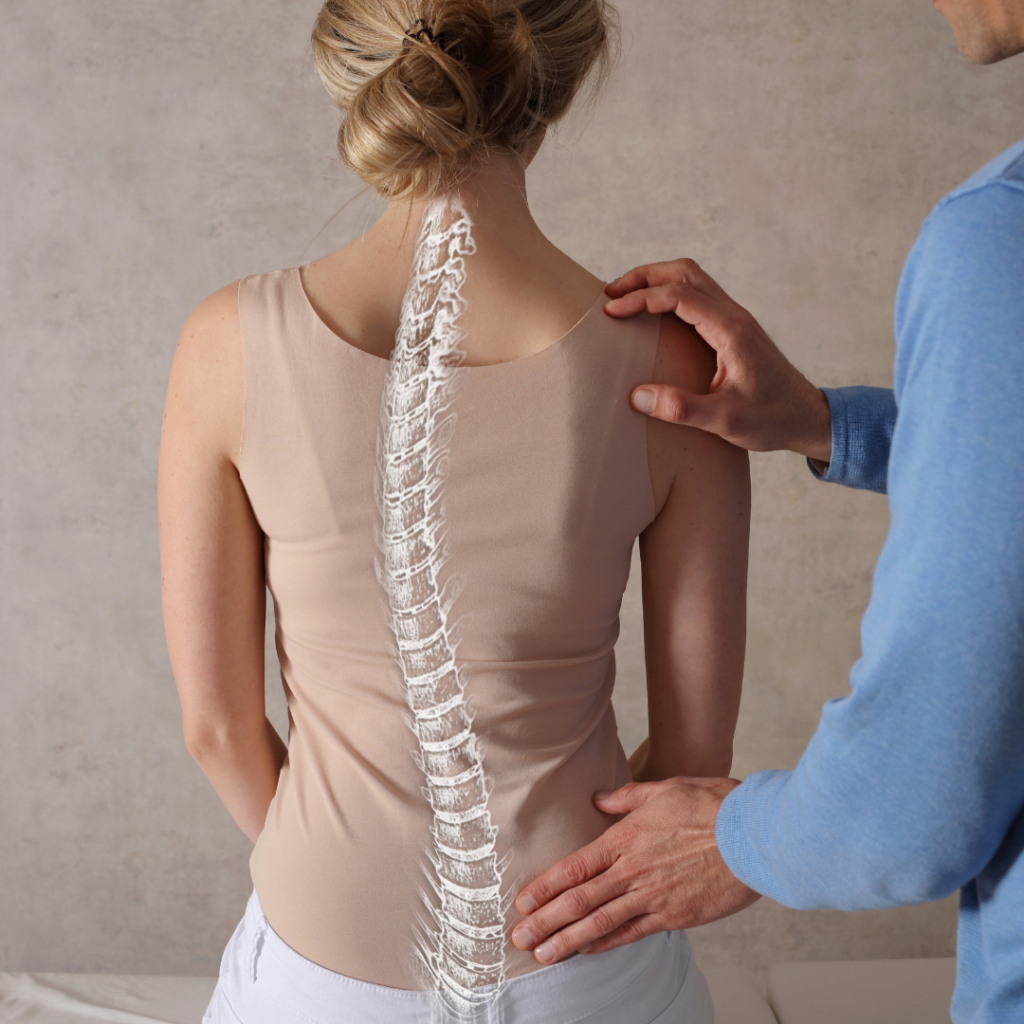
During an adjustment, your chiropractor applies controlled force to specific joints, encouraging them to move into their correct position. This process not only alleviates physical discomfort but can also promote the release of neurotransmitters like serotonin and dopamine, which are vital for mood regulation. As these chemical changes occur, you may feel a sense of calm and relief.
Moreover, adjustments can improve your posture, which directly influences your emotional state. When your body is aligned, you're less likely to experience physical tension, and that tension can contribute to feelings of anxiety. By realigning your spine and improving your posture, adjustments help create a more relaxed physical state, which in turn can ease anxious thoughts.
Additionally, adjustments enhance blood circulation and oxygen flow throughout your body. Improved circulation helps your body effectively manage stress and reduces the physical symptoms associated with anxiety.
It's a holistic approach that addresses both the physical and psychological aspects of anxiety, allowing you to feel more grounded and balanced.
Benefits of Chiropractic Care
Chiropractic care can play an essential role in regulating your nervous system, helping your body respond better to stress.
By realigning your spine, adjustments can enhance communication between your brain and body, promoting overall well-being.
You'll likely find that these benefits contribute to reduced anxiety and a greater sense of calm.
Nervous System Regulation
When your nervous system functions efficiently, you're better equipped to manage stress and anxiety. Chiropractic care plays an essential role in this by ensuring your spine is aligned, which directly impacts your nervous system's ability to send and receive signals. Proper alignment reduces interference in nerve pathways, allowing for ideal communication between your brain and body.
Regular adjustments help restore balance to your nervous system. When your spine is aligned, it promotes better blood flow, contributing to a healthier environment for your nerves. This improved circulation helps your body respond more effectively to stressors, enhancing your overall resilience.
You may also notice that chiropractic care can lead to a reduction in physical tension. As your body experiences less strain, you're likely to feel more relaxed and less anxious in your daily life.
By promoting better nervous system regulation, chiropractic adjustments empower you to cope with challenges more effectively.
In essence, by prioritizing spinal health, you're giving your nervous system the support it needs to help manage anxiety. Embracing chiropractic care can be a significant step toward cultivating a calmer, more balanced life.
Stress Relief Mechanism
Stress relief is a powerful benefit of chiropractic care that many people often overlook. When you receive chiropractic adjustments, you're not just addressing physical alignment; you're also promoting a sense of calm and well-being. The adjustments can help reduce tension in your muscles and joints, which often contributes to feelings of stress and anxiety.
As your body becomes more aligned, it operates more efficiently, allowing you to handle daily stressors with greater ease. This improved physical state can lead to a decrease in the production of stress hormones like cortisol, fostering a more relaxed state of mind.
Moreover, chiropractic care encourages better sleep quality, another essential factor in managing stress. When you're well-rested, you're better equipped to face challenges and maintain a positive outlook.
In addition to physical benefits, the therapeutic environment of a chiropractic session can provide a comforting escape from your daily stressors. You'll find that taking time for yourself in this setting can greatly improve your mood and overall mental health.
Stretching and Posture Improvements
Your body's alignment plays an essential role in managing anxiety levels, and making adjustments to both stretching routines and posture can lead to considerable improvements. When you maintain proper posture, it not only affects how others perceive you but also influences how you feel about yourself. Slouching or hunching can create feelings of vulnerability and stress, while standing tall and confident can boost your mood and reduce anxiety.
Incorporating regular stretching into your routine helps release muscle tension, a common physical manifestation of anxiety. By stretching, you're not only loosening tight muscles but also encouraging blood flow and enhancing your overall sense of well-being. Simple stretches like reaching for the sky or bending forward can help you feel more grounded and relaxed.
Moreover, being mindful of your posture throughout the day can make a huge difference. Try to sit with your back straight and shoulders relaxed. If you work at a desk, adjust your chair and monitor height to promote better alignment. A few minutes of conscious posture correction can shift your mental state considerably.
You might find that combining stretching with posture adjustments amplifies the benefits. For instance, practicing a few stretches while focusing on your alignment can create a powerful calming effect. As you become more aware of how your body feels in different positions, you'll likely discover a newfound sense of control that helps reduce anxiety.
Make these adjustments a regular part of your routine, and you'll likely notice a positive change in your anxiety levels.
Breathing Techniques and Relaxation
Breathing techniques serve as a powerful tool for managing anxiety and promoting relaxation. You mightn't realize it, but the way you breathe can greatly impact your emotional state. When you're anxious, your breath tends to become shallow and rapid, which can exacerbate feelings of panic. By consciously practicing deeper, slower breaths, you can activate your body's relaxation response and restore a sense of calm.
One effective technique is diaphragmatic breathing. To try it, find a comfortable seated position. Close your eyes and place one hand on your chest and the other on your abdomen. Inhale deeply through your nose, allowing your abdomen to rise while keeping your chest relatively still. Exhale slowly through your mouth, feeling your abdomen fall. Repeat this for several minutes.
You'll likely find that your heart rate slows and tension eases as you focus on your breath.
Another technique is the 4-7-8 method. Inhale for a count of four, hold your breath for seven seconds, and then exhale for eight seconds. This method encourages a longer exhalation, which can help release pent-up stress.
Incorporating breathing exercises into your daily routine can enhance your overall sense of well-being. Whether you're feeling overwhelmed or simply need a moment of peace, these techniques offer a practical, immediate way to regain control over your anxiety.
The Role of Neurotransmitters
How do neurotransmitters influence your anxiety levels? These chemical messengers play an essential role in regulating mood, emotions, and overall mental health. When you experience anxiety, it's often linked to imbalances in neurotransmitters like serotonin, dopamine, and norepinephrine. Each of these neurotransmitters has a specific function that can either calm or heighten your feelings of anxiety.
For instance, serotonin is often referred to as the "feel-good" neurotransmitter. It helps stabilize your mood and promotes a sense of well-being. If your serotonin levels are low, you might feel more anxious or depressed.
On the other hand, dopamine is involved in reward and pleasure. Low levels can lead to feelings of apathy or anxiety, making it harder for you to enjoy daily activities.
Norepinephrine, meanwhile, is responsible for your body's fight-or-flight response. Elevated levels can trigger heightened anxiety, making you feel restless or on edge. When your body perceives a threat, norepinephrine prepares you to respond, but excess amounts can lead to chronic anxiety.
Adjustments that promote balance within your body can positively influence these neurotransmitter levels. For example, chiropractic adjustments may help improve spinal alignment, potentially enhancing nerve function and signaling.
This can lead to better neurotransmitter production, reducing anxiety symptoms. By understanding the role neurotransmitters play, you can take proactive steps to manage your anxiety and foster a healthier mental state.
Holistic Approaches to Anxiety
Exploring holistic approaches to anxiety can open up new avenues for managing your mental well-being. These methods focus on treating the whole person rather than just the symptoms. By integrating physical, emotional, and spiritual practices, you can create a balanced approach to reduce anxiety.
One effective strategy is mindfulness meditation. This practice encourages you to stay present, allowing you to observe your thoughts without judgment. By dedicating even a few minutes a day to mindfulness, you can cultivate a greater sense of calm and clarity.
Similarly, deep breathing exercises can help ground you. When you focus on your breath, you activate your body's relaxation response, which can greatly reduce anxiety.
Incorporating physical activity into your routine can also be beneficial. Exercise releases endorphins, which boost your mood and help alleviate anxiety. Whether it's a brisk walk, yoga, or dancing, find an activity that you enjoy and make it a regular part of your life.
Additionally, consider exploring nutritional changes. A balanced diet rich in whole foods can impact your mental health positively. Foods high in omega-3 fatty acids, such as salmon and walnuts, may reduce anxiety levels. Herbal supplements like chamomile and lavender can also provide calming effects.
Lastly, don't overlook the importance of social support. Connecting with friends or family can offer comfort and reduce feelings of isolation.
Incorporating Adjustments Into Daily Life
Making adjustments to your daily routine can greatly enhance your ability to manage anxiety. Start by identifying areas in your life that contribute to stress. Consider your work habits, social interactions, and self-care practices. Small changes can lead to significant improvements.
For instance, if you find yourself overwhelmed by a packed schedule, try prioritizing your tasks. Break down your to-do list into manageable segments and tackle them one at a time. This approach not only reduces the feeling of being overwhelmed but also provides a sense of accomplishment as you check items off your list.
Incorporate mindfulness practices into your day. Even five minutes of deep breathing or meditation during breaks can help ground you. It's all about creating moments of calm amidst the chaos.
You might also want to establish a consistent sleep routine. Quality rest is essential for mental clarity and emotional regulation.
Don't underestimate the power of physical activity. Whether it's a brisk walk or a quick workout, moving your body releases endorphins, which improve your mood and reduce anxiety.
Lastly, connect with supportive people in your life. Sharing your feelings or simply enjoying time together can provide comfort and perspective.
Conclusion
Incorporating chiropractic adjustments into your routine can be a powerful way to reduce anxiety and enhance your overall well-being. By optimizing spinal alignment, you not only alleviate physical tension but also support the release of mood-regulating neurotransmitters. Embracing this holistic approach, along with improved posture, stretching, and relaxation techniques, can empower you to manage stress more effectively. Take charge of your mental health and experience the calming benefits that come with chiropractic care.