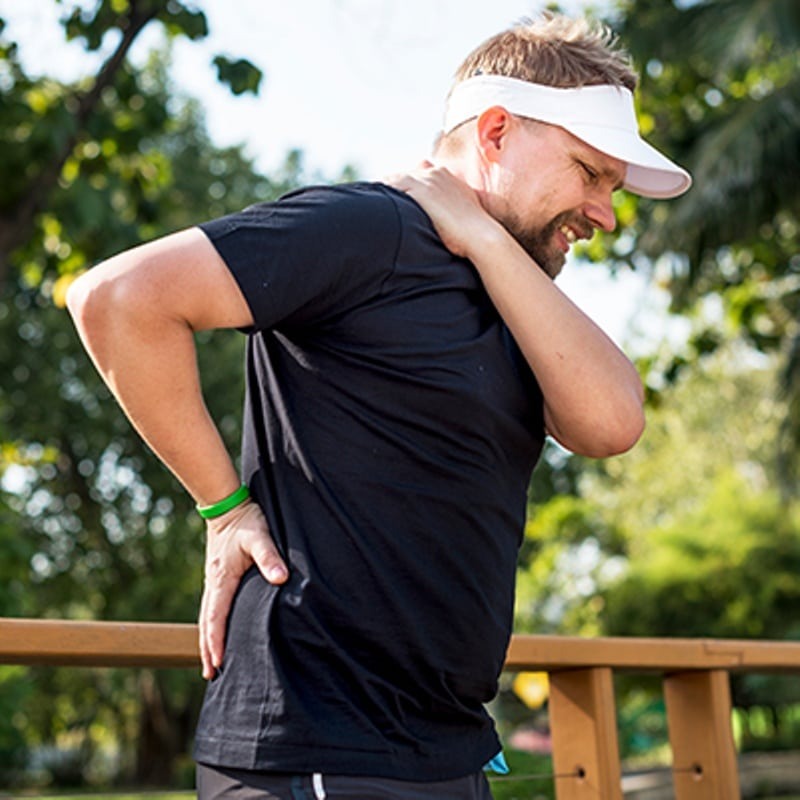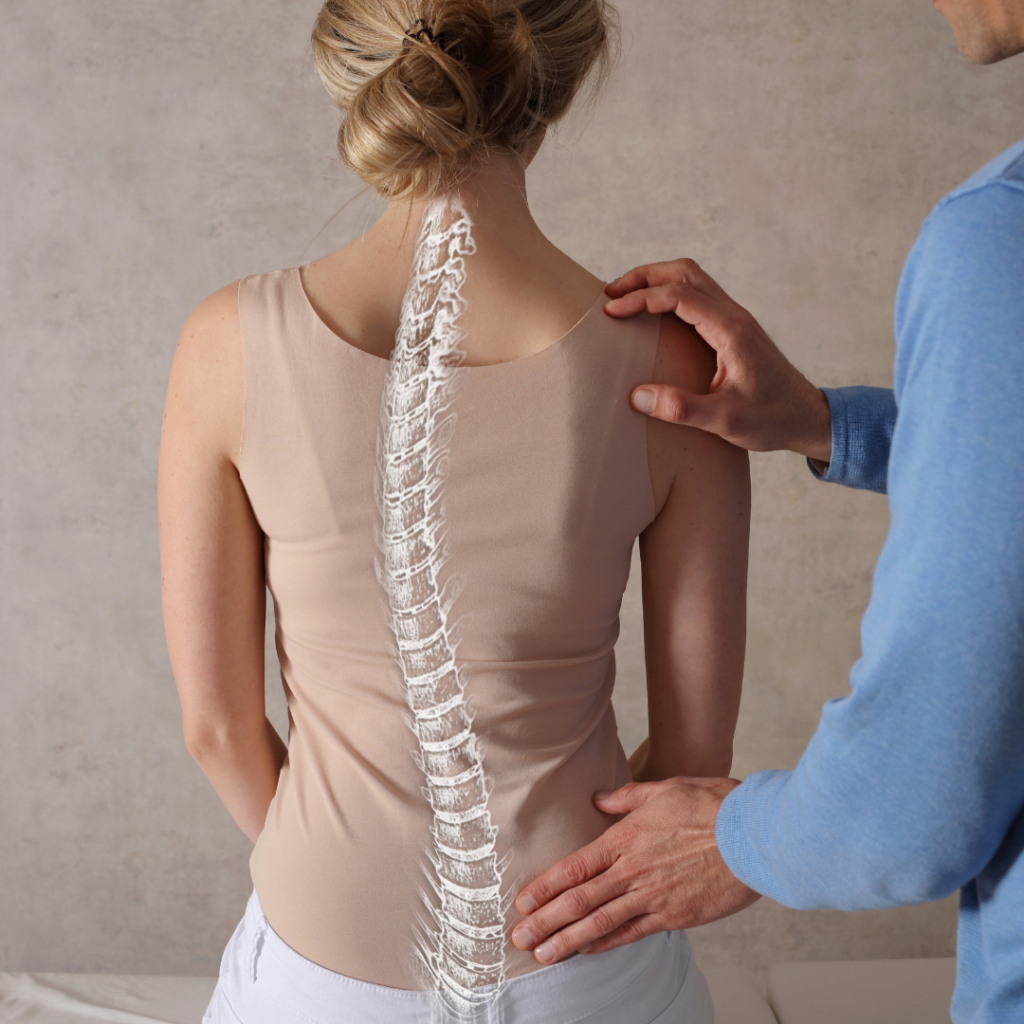
As a local chiropractor, I want to help you navigate the path to recovery after a sports injury. Understanding the right techniques can truly transform your healing process. While you may have heard of the RICE method—rest, ice, compression, and elevation—there are many other effective strategies to consider.
Chiropractic care plays a crucial role in your recovery journey. By focusing on spinal alignment and joint function, we can help alleviate pain and improve mobility, allowing your body to heal more effectively. In addition to adjustments, physical therapy approaches tailored to your specific needs can enhance your rehabilitation.
Don't overlook the importance of nutrition in your recovery. Fueling your body with the right nutrients can significantly speed up the healing process. Incorporating active recovery techniques, such as gentle exercises and stretching, can also promote circulation and prevent stiffness.
I encourage you to explore advanced modalities we offer, such as ultrasound therapy or electrical stimulation, which can further accelerate your recovery. Remember, each recovery journey is unique, so let's discuss how we can create a personalized plan that optimizes your healing. Together, we can ensure that you return to your sport not just healed, but stronger than ever.
Importance of Early Intervention
Early intervention is crucial for effectively recovering from sports injuries, and as your local chiropractor, I want to emphasize the importance of acting quickly. When you experience an injury, prompt attention can significantly influence the healing process. Ignoring initial symptoms or postponing treatment can lead to more serious complications later on. By addressing your injury right away, you can reduce pain and prevent further damage.
Begin by assessing your injury. If you're experiencing persistent pain, swelling, or instability, it's important to seek medical advice without delay. Early diagnosis enables us to create a tailored treatment plan that focuses on the specific issues you're facing. Remember, the sooner you receive care, the sooner you can return to the activities you love—whether it's playing your sport, running, or any other physical endeavor.
While you await professional care, you can start with the RICE method—Rest, Ice, Compression, and Elevation. Resting the injured area is vital to prevent additional strain, while applying ice can help reduce inflammation. Compression supports the injury site, and elevating the affected area aids blood flow, which promotes healing.
Additionally, early intervention is beneficial for your mental well-being. Knowing you're taking proactive steps towards your recovery can help alleviate anxiety surrounding your injury. This empowerment can transform your experience from one of uncertainty to a more positive outlook as you work towards healing.
As your chiropractor, I'm here to guide you through this process and provide the natural healing methods that can support your recovery. Let's work together to get you back to your best self!
Role of Physical Therapy
As a local chiropractor, I want to emphasize the significant role that chiropractic care plays in your recovery from sports injuries. Our approach is focused on restoring your body's natural function and strength. When you experience an injury, it's common for your body to face challenges such as muscle weakness, limited range of motion, and discomfort.
As your chiropractor, I'll conduct a thorough assessment to understand your unique situation and create a personalized treatment plan tailored to your needs. During our sessions, we'll engage in specific adjustments and techniques designed to enhance flexibility, strength, and coordination.
These chiropractic adjustments not only help restore your physical capabilities but also teach you how to prevent future injuries. I'll carefully guide you through each adjustment and movement, ensuring that everything is done with proper technique to avoid any unnecessary strain on your body.
In addition to spinal adjustments, I may incorporate various methods such as soft tissue therapy, therapeutic ultrasound, or electrical stimulation to alleviate pain and promote healing. These techniques can enhance blood circulation and reduce inflammation, thereby accelerating your recovery process.
Education is a cornerstone of chiropractic care. I'll share valuable insights regarding optimal body mechanics, stretching routines, and strengthening exercises that you can easily incorporate into your daily life. This knowledge is vital for your long-term health and athletic performance, empowering you to remain active and reduce the risk of re-injury.
Ultimately, chiropractic care is a crucial component of your recovery journey, providing both immediate relief and lasting benefits. By actively participating in your chiropractic sessions and following my recommendations, you're paving the way for a successful return to your sport and overall well-being.
Benefits of Active Recovery
As a local chiropractor, I want to share with you the incredible benefits of active recovery for your overall health. Engaging in active recovery can significantly improve your blood circulation, which is essential for flushing out toxins from your body and promoting healing.
This means that after your workouts, you may experience reduced muscle soreness, allowing you to recover more quickly and get back to your daily activities.
Moreover, active recovery plays a crucial role in enhancing your mental recovery as well. By incorporating gentle movements and exercises, you can maintain your focus and motivation throughout your rehabilitation process.
Understanding these benefits can help you appreciate how chiropractic care and natural healing methods work together to support your body's recovery and well-being.
Let's explore how we can incorporate active recovery into your routine for optimal health.
Enhanced Blood Circulation
As a local chiropractor, I want to emphasize the importance of enhanced blood circulation in your recovery from sports injuries. When blood flow is improved, it helps deliver vital nutrients and oxygen to your injured tissues, which is crucial for speeding up the healing process.
In addition, better circulation aids in the removal of metabolic waste products that can build up after an injury, allowing your body to recover more efficiently.
Incorporating active recovery techniques into your routine can significantly boost your blood circulation. Simple activities like light jogging, walking, or gentle cycling keep your muscles engaged without putting excessive strain on your body.
These exercises stimulate your heart, promoting a steady flow of blood throughout your system, which can be incredibly beneficial for your recovery.
Furthermore, techniques such as massage therapy or foam rolling can enhance circulation as well. Not only do these methods relieve tension, but they also encourage targeted blood flow to specific areas, further supporting your healing efforts.
As you explore chiropractic care and natural healing, remember that supporting your body's circulation is a key component in recovering from injuries effectively.
I'm here to help guide you on this journey to better health!
Reduced Muscle Soreness
As a local chiropractor, I want to share some valuable insights on how you can reduce muscle soreness and enhance your overall recovery through active recovery techniques. Many athletes, as well as everyday individuals, may not realize the benefits of staying active after intense workouts or competitions. Instead of opting for complete rest, engaging in low-intensity exercises such as walking, cycling, or swimming can significantly help alleviate muscle discomfort.
These gentle activities promote blood circulation, which is crucial for delivering essential nutrients to your muscles and flushing out waste products like lactic acid. This process not only aids in reducing soreness but also supports your body's natural healing mechanisms.
Incorporating activities like yoga or gentle stretching can also be incredibly beneficial. These practices not only improve your flexibility but also help alleviate muscle tightness that often contributes to soreness. It's important to listen to your body; if you're feeling particularly sore, focus on lighter activities that won't further strain your muscles.
Moreover, active recovery has the added benefit of boosting your mood and keeping you mentally engaged in your training routine. By allowing yourself to remain active without overexerting, you establish a balance that fosters healing. The key is to maintain movement while promoting recovery.
Improved Mental Recovery
As a local chiropractor, I want to emphasize that physical recovery isn't the only thing to focus on when healing from an injury; your mental recovery is just as crucial. Engaging in light physical activity can significantly enhance your mental sharpness and focus during your rehabilitation. When you stay active, your body releases endorphins, which are natural mood lifters. This can help alleviate feelings of anxiety or depression that often arise during periods of inactivity.
Moreover, establishing a routine through what we call 'active recovery' can instill a sense of normalcy and purpose in your life. This structure is vital, especially when facing the frustrations that come with an injury. Setting small, achievable goals throughout your recovery journey can bolster not only your physical health but also your mental resilience.
I also encourage you to connect with friends, family, or teammates during your recovery. Social interaction is a vital component of maintaining a positive mindset, and it can significantly lift your spirits while reducing feelings of isolation.
Ultimately, integrating active recovery into your daily life can lead to a more comprehensive healing experience, ensuring that both your body and mind are on the path to recovery. As your chiropractor, I can't stress enough the importance of staying active for your mental well-being during the healing process. Embrace this journey towards holistic health!
Advanced Modalities and Technologies
As a local chiropractor, I want to share how innovation in sports injury recovery can greatly enhance your rehabilitation experience. Advanced modalities and technologies have emerged as remarkable tools to help you recover faster and more effectively from injuries, allowing you to return to your favorite activities sooner.
One of the standout techniques we utilize in our practice is cryotherapy. By exposing the body to extremely low temperatures, we can reduce inflammation and alleviate pain. This method is particularly beneficial for speeding up the healing process, which means you can get back to your sport quicker than ever.
We also incorporate electrical stimulation therapy into our treatment plans. This technique involves applying gentle electrical impulses to your muscles, which encourages muscle contraction and boosts blood flow—both essential for effective recovery. Many patients find that these sessions not only improve their strength but also enhance their range of motion, making them a valuable component of their rehabilitation journey.
Another exciting advancement we use is progressive ultrasound therapy. This technology employs sound waves to promote tissue healing, alleviate pain, and help break down scar tissue. By integrating ultrasound therapy into your recovery plan, we can significantly improve your healing outcomes.
Additionally, we utilize wearable devices that track your progress in real time. These handy tools monitor your movement patterns, muscle activity, and key recovery metrics. By analyzing this data, we can make informed decisions about your treatment, ensuring that you stay on the right path to recovery.
At our practice, we believe in the power of chiropractic care and natural healing methods to support your rehabilitation journey. By embracing these advanced modalities and technologies, we can work together to help you recover efficiently and effectively.
Nutritional Support for Healing
As a local chiropractor, I want to emphasize the vital role that nutrition plays in your recovery from sports injuries. The foods you choose to fuel your body can significantly influence your healing journey and overall health. It's essential to focus on incorporating nutrient-dense foods that are rich in protein, vitamins, and minerals into your daily meals.
Protein is particularly important for muscle repair, so I encourage you to include lean meats, fish, eggs, legumes, and dairy in your diet. A balanced intake of these foods will support your body's natural recovery processes.
Additionally, don't overlook the importance of vitamins and minerals in your healing journey. For example, Vitamin C—found in citrus fruits, berries, and leafy greens—plays a crucial role in collagen formation, which is essential for repairing tissues. Zinc, present in nuts, seeds, and whole grains, can enhance your immune system and promote healing. Omega-3 fatty acids, which you can find in fatty fish like salmon and walnuts, possess anti-inflammatory properties that can reduce swelling and speed up your recovery.
Hydration is another critical aspect of your recovery. Ensuring you drink enough water will help maintain your body's optimal functions and support the transport of nutrients to where they're needed most. If you're involved in physical therapy or light exercises during your recovery, consider adding electrolyte-rich fluids to your routine.
I also want to advise you to steer clear of processed foods that are high in sugar and unhealthy fats. These can impede your healing process and increase inflammation. Instead, prioritize whole foods that provide the essential nutrients your body needs for effective recovery.
Psychological Aspects of Recovery
As a local chiropractor, I want to emphasize how crucial your mental state is in your recovery from a sports injury.
It's not just about the physical healing; your mindset plays a vital role in the entire process. Building mental resilience and incorporating techniques like visualization can significantly support your recovery journey.
By focusing on these psychological aspects, you can enhance your healing and pave the way for a successful return to your sport.
Let's delve into how these strategies can work alongside chiropractic care to optimize your recovery and overall well-being.
Mental Resilience Development
Developing mental resilience is crucial for anyone navigating the recovery process after an injury, and as a local chiropractor, I want to share how this can play a significant role in your healing journey. Strengthening your ability to cope with challenges and setbacks is vital, especially when you're dealing with physical limitations. Fostering a positive mindset can help you stay focused on your goals and maintain motivation during recovery.
To build mental resilience, I recommend setting realistic and achievable milestones in your recovery process. Break your goals into smaller, manageable tasks, and take the time to celebrate your progress along the way. This method not only reinforces your motivation but also keeps you actively engaged in your rehabilitation, which we support through chiropractic adjustments and natural healing practices.
Another essential aspect is cultivating a strong support network. Surround yourself with friends, family, and teammates who understand your journey and can provide encouragement. Sharing your experiences and feelings with others can help alleviate stress and enhance your emotional well-being. Here in our practice, we emphasize the importance of community support in the healing process.
Additionally, practice self-compassion. Recognize that setbacks are a natural part of recovery and remind yourself that it's perfectly okay to feel frustrated. Embracing your emotions allows you to process them more effectively, ultimately fortifying your mental resilience.
Visualization Techniques Utilization
As a chiropractor, I want to share with you the remarkable benefits of utilizing visualization techniques in your recovery from sports injuries. Many people may not be aware, but mental imagery can be a powerful ally in the healing process. By mentally rehearsing your movements and imagining yourself performing at your peak, you can actually support your body's natural healing mechanisms.
Imagine yourself engaging in your favorite sport—feel the sensation of running, jumping, or competing. This kind of mental practice can activate the neural pathways involved in these actions, which may help accelerate your recovery.
To effectively incorporate visualization into your healing routine, find a quiet place where you can focus without distractions. Take a few deep breaths to center yourself, then close your eyes and vividly imagine the specific movements you want to regain. The more detail you include—how your body feels, the environment around you—the more impactful this exercise will be.
You can also visualize the healing process itself, picturing your injury mending and your body becoming stronger. Making visualization a part of your daily routine can significantly enhance your motivation and confidence. It helps you stay connected to your sport during the recovery phase.
Rest and Sleep Optimization
As a local chiropractor, I want to emphasize the importance of rest and sleep optimization for your body's recovery, especially if you've sustained a sports injury. When you're dealing with an injury, your body requires ample time and energy to heal, and quality sleep is a crucial component in this healing process. During deep sleep, your body releases vital growth hormones that facilitate tissue repair and muscle recovery. If you're not giving your body the rest it needs, you could be hindering your healing and extending your time away from the activities you love.
To support your recovery, it's beneficial to establish a consistent sleep schedule. Aiming to go to bed and wake up at the same time every day helps regulate your internal clock, making it easier for you to fall asleep and wake up feeling refreshed. Consider creating a calming bedtime routine—activities like gentle stretching or reading can signal to your body that it's time to wind down and prepare for sleep.
Your sleep environment also plays a significant role in your ability to rest effectively. Make your bedroom a sanctuary for sleep by keeping it dark, quiet, and cool. You might want to invest in blackout curtains or eye masks to block out light and use earplugs or white noise machines to minimize any disruptive sounds.
Additionally, limiting screen time before bed is essential; the blue light emitted by devices can interfere with your body's melatonin production, making it more difficult to drift off to sleep.
Lastly, it's important to listen to your body. If you're feeling fatigued, don't hesitate to allow yourself to take short naps or adjust your sleep schedule as necessary. By prioritizing rest and sleep, you can significantly enhance your recovery process, helping you get back to your best self in no time.
As your chiropractor, I'm here to support you on your healing journey, and optimizing your sleep can make a world of difference.
Stretching and Mobility Exercises
As a local chiropractor, I want to emphasize the importance of stretching and mobility exercises in your recovery process. Many people may not realize how crucial these practices are for healing, flexibility, and overall joint health. When you prioritize stretching, you're not just improving your flexibility; you're also alleviating muscle tension that can lead to pain and discomfort as you recover.
I recommend starting with gentle stretches that are specifically tailored to your injury. This approach can help prevent stiffness and encourage your muscles and tendons to regain their natural range of motion. It's important to focus on slow, controlled movements rather than pushing too hard, as aggressive stretching can often worsen your condition. Holding each stretch for about 20-30 seconds while taking deep breaths will further promote relaxation in your body.
In addition to stretching, mobility exercises play a vital role in your recovery. These exercises enhance joint function and stability, which are often compromised during the healing process. Simple movements like ankle circles, hip openers, and shoulder rolls can greatly improve your range of motion and prepare your body for a gradual return to normal activities.
I encourage you to incorporate stretching and mobility exercises into your daily routine, ideally after warming up or during cooldowns. Consistency is essential—by performing these exercises regularly, you'll start to notice improvements over time.
Gradual Return to Activity
As a local chiropractor, I want to emphasize the importance of a gradual return to activity following an injury. It's essential to approach this process mindfully to avoid re-injury and to promote effective healing. Jumping back into your routine too quickly can hinder your recovery, so here are some guidelines to help you ease back into your activities safely:
- Begin with low-impact exercises: Activities like swimming or cycling are excellent choices to maintain your cardiovascular fitness while minimizing stress on your injury. These forms of exercise help keep your body active without overwhelming it.
- Incorporate strength training: Strengthening the muscles surrounding the injured area is crucial for recovery. Start with light weights or resistance bands to build strength gradually, which can support your healing process.
- Listen to your body: It's vital to pay attention to how your body feels during activities. If you experience discomfort or pain, don't disregard these signals. They're your body's way of communicating that you may need to adjust your approach.
- Gradually increase intensity: Once you start feeling more comfortable, gently ramp up the intensity of your workouts. This gradual increase will help your body adapt without pushing it too hard too soon.
- Set realistic goals: Establishing small, attainable milestones can keep you motivated and allow you to track your progress effectively. This approach can foster a sense of accomplishment as you navigate your recovery journey.
Remember, chiropractic care can play a supportive role in your recovery by helping to align your spine and improve overall function, which can enhance your body's ability to heal naturally.
If you have any questions or need assistance in your recovery process, don't hesitate to reach out. Your health and well-being are our top priorities!
Conclusion
As a local chiropractor, I want to emphasize the importance of early intervention and physical therapy in your recovery from sports injuries. It's crucial to understand that active recovery plays a significant role in healing, along with proper nutrition and mental wellness strategies.
Incorporating techniques like adequate rest and quality sleep is essential for your body to heal effectively. Additionally, stretching and mobility exercises can help improve your range of motion and prevent stiffness.
When you're ready to return to your favorite sports, it's vital to do so gradually. This approach helps minimize the risk of re-injury and supports a sustainable recovery. By embracing these natural healing techniques, you'll be well on your way to a successful recovery and back to enjoying the activities you love! Remember, chiropractic care can also support your healing journey by addressing any misalignments that may affect your recovery process.