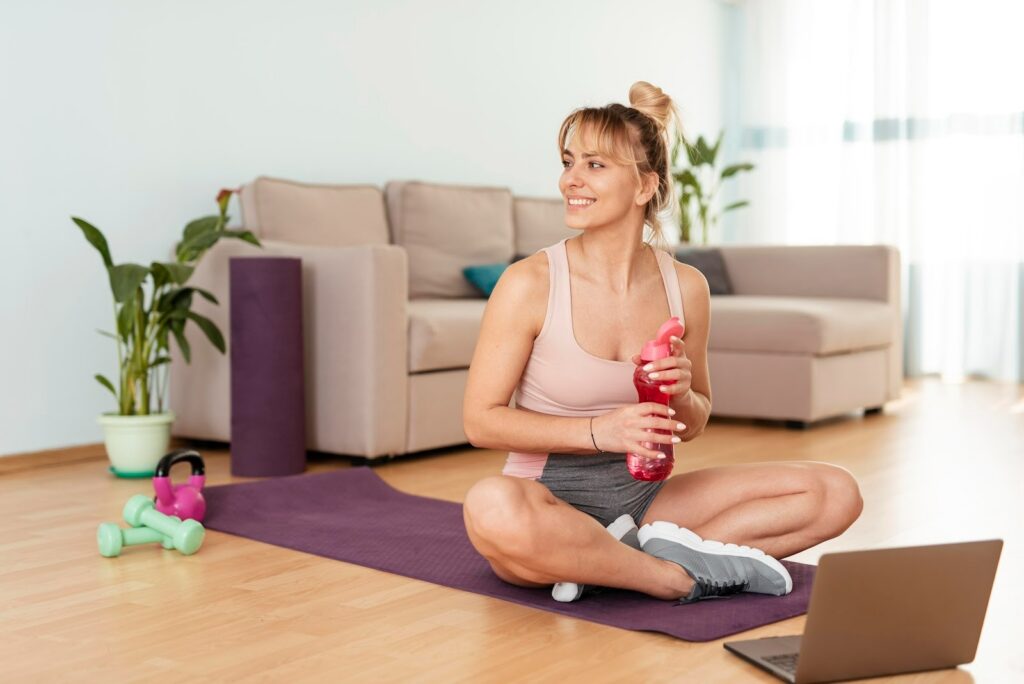
You might be surprised at how effective natural techniques can be for relaxation and stress relief. From mindfulness meditation to deep breathing exercises, each method offers unique benefits that can help you find a sense of calm. Aromatherapy can enhance your mood, while herbal remedies and physical activities, like yoga, promote overall well-being. But what specific practices resonate most with you, and how can you incorporate them into your routine for ideal results? The answer may be simpler than you think.
Mindfulness Meditation
Mindfulness meditation is a powerful tool for calming the mind and reducing stress. By focusing your attention on the present moment, you'll notice how it helps you detach from your worries and anxieties. This practice allows you to observe your thoughts and feelings without judgment, creating a sense of peace and acceptance.
To get started, find a quiet space where you won't be disturbed. Sit comfortably with your back straight, and close your eyes if you feel comfortable doing so. Take a moment to take a few deep breaths, letting your body relax.
Now, focus on your breath. Notice the sensation of the air entering and leaving your body. If your mind begins to wander, gently bring your focus back to your breath. This simple act of redirecting your attention is the essence of mindfulness meditation.
As you continue to practice, you'll discover that your ability to stay present improves. You'll start to notice the small details of life that often go unnoticed, like the warmth of the sun or the sound of rustling leaves. These moments can be grounding and help you cultivate gratitude.
You don't need to meditate for long periods; even a few minutes daily can make a significant difference. Consistency is key, so try to incorporate mindfulness meditation into your routine.
Over time, you'll find that it not only calms your mind but also enhances your overall well-being, making it easier to handle stress when it arises.
Deep Breathing Exercises
Deep breathing exercises are an effective way to quickly reduce stress and promote relaxation. When you focus on your breath, you engage your body's natural relaxation response, helping to calm your mind and body. Here's how you can practice deep breathing to manage stress effectively.
First, find a quiet space where you can sit or lie down comfortably. Close your eyes and take a moment to notice your natural breath. Are you breathing shallowly?
Now, place one hand on your chest and the other on your abdomen. Inhale deeply through your nose, allowing your abdomen to rise while keeping your chest relatively still. This technique encourages diaphragmatic breathing, which is more effective for relaxation.
Hold your breath for a few seconds, then exhale slowly through your mouth, letting your abdomen fall. Visualize stress leaving your body with each exhale. Repeat this process for several minutes. You might try a count of four for your inhale, holding for four, and exhaling for a count of six. Adjust the counts to what feels comfortable for you.
As you practice, you'll notice that deep breathing not only calms your nervous system but also enhances your mental clarity. You can incorporate these exercises into your daily routine or use them in moments of stress.
Whenever you feel overwhelmed, remember that a few minutes of focused deep breathing can bring you back to a state of calm and focus.
Aromatherapy Benefits
Aromatherapy offers a natural way to enhance your well-being and combat stress through the use of essential oils. These concentrated plant extracts can transform your mood and environment, making it easier for you to relax and unwind. When you inhale or apply these oils, they interact with your body's chemistry, triggering responses that promote relaxation and mental clarity.
One of the most popular essential oils is lavender, known for its calming properties. Just a few drops in a diffuser can create a serene atmosphere, helping you to feel more at ease. Similarly, chamomile and bergamot oils are fantastic for reducing anxiety and uplifting your spirits. You might consider adding these oils to your evening routine for a peaceful night's sleep.
Using aromatherapy isn't just about scents; it's about creating a holistic experience. You can blend essential oils with carrier oils for a relaxing massage, combining the benefits of touch with the soothing aromas. This practice can help release tension in your muscles while calming your mind.
Moreover, aromatherapy can enhance your focus and productivity. Oils like peppermint and rosemary can invigorate your senses, making them perfect for use during work or study sessions. Simply inhaling these scents can sharpen your concentration and boost your energy levels.
Incorporating aromatherapy into your daily life can be a simple yet effective way to manage stress. Whether you use a diffuser, apply oils topically, or enjoy a soothing bath, the benefits of these natural scents can lead you to a more relaxed state of mind.
Herbal Remedies
In addition to the soothing effects of aromatherapy, herbal remedies can also play a significant role in alleviating stress and promoting relaxation. You might find that certain herbs have calming properties, making them a great addition to your stress relief toolkit.
For instance, chamomile is renowned for its ability to help you unwind. Drinking chamomile tea before bed can't only improve your sleep quality but also soothe your nerves throughout the day.
Lavender is another powerful herb you should consider. Its scent is often used in aromatherapy, but you can also enjoy it in tea or as a supplement. Research shows that lavender can reduce anxiety and promote a sense of calm, making it ideal for stressful situations.
If you're looking for something with a bit more kick, try valerian root. This herb has been used for centuries to treat insomnia and anxiety, helping you feel more relaxed and ready to tackle life's challenges.
Passionflower is another option worth exploring. It's known to help with anxiety and promote overall relaxation, often used in teas or tinctures.
Lastly, don't overlook lemon balm. This herb not only adds a fresh flavor to your tea but also helps reduce stress and anxiety.
Incorporating these herbal remedies into your routine can provide you with the natural support you need to navigate stress effectively and enhance your overall sense of well-being.
Physical Activity Options
Many people find that engaging in physical activities is one of the most effective ways to relieve stress and promote relaxation. Whether you're hitting the gym, going for a run, or practicing yoga, moving your body helps release endorphins, which can lift your mood and reduce anxiety. You might want to try activities that you genuinely enjoy; this makes it easier to stay committed and feel good while doing it.
Consider incorporating aerobic exercises like cycling or swimming. These activities not only get your heart pumping but also allow your mind to wander, creating a meditative effect. If you prefer something gentler, yoga or tai chi can be excellent options. These practices focus on breathing and mindfulness, helping you center your thoughts and release tension.
Group activities can also enhance your experience. Joining a local sports team or taking a dance class can provide social interaction, which can further reduce stress. The camaraderie and support from others can make a significant difference in how you feel.
If you're short on time, even a brisk walk around your neighborhood can be beneficial. It's a simple way to clear your mind and get your blood flowing.
The key is to find a physical activity that resonates with you, as this will make it easier to incorporate into your routine. So, lace-up those sneakers and start moving—your mind and body will thank you!
Conclusion
Incorporating natural techniques like mindfulness meditation, deep breathing, and aromatherapy into your routine can greatly enhance your relaxation and stress relief. Herbal remedies and physical activities like yoga also play an essential role in promoting emotional balance. By exploring these options, you can find what works best for you, creating a personalized approach to managing stress. Remember, nurturing your well-being is an important part of leading a fulfilling life, so take the time to unwind and recharge.