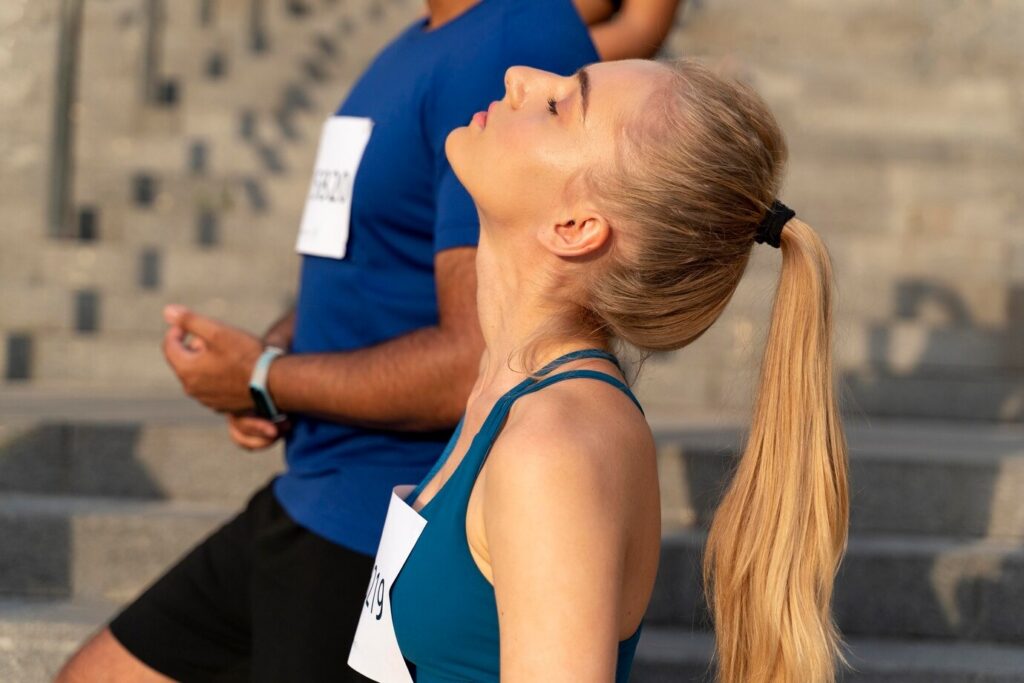
When you're dealing with a sports injury, it's essential to know your options for relief. You might consider traditional methods like the R.I.C.E. technique or explore alternative therapies such as acupuncture and chiropractic care. Physical therapy could offer tailored exercises to help you regain strength, while over-the-counter treatments can provide quick pain relief. However, not all methods suit every injury, and understanding when to seek professional help can be key to a full recovery. So, what's the best approach for your specific situation?
Traditional Healing Methods
When you deal with a sports injury, traditional healing methods can play an essential role in your recovery. These approaches focus on natural remedies and time-tested practices that can help alleviate pain and promote healing.
One of the most common methods is the R.I.C.E. technique—rest, ice, compression, and elevation. This simple yet effective strategy can greatly reduce swelling and discomfort, enabling you to get back on your feet sooner.
Herbal remedies are another traditional option you can explore. Ingredients like arnica, turmeric, and ginger have anti-inflammatory properties that may aid healing. You can apply arnica gel directly to the affected area or consume turmeric in your meals or as a supplement to harness its benefits.
Massage therapy is also a valuable traditional method. It helps improve circulation, reduce muscle tension, and enhance flexibility. You can seek a professional massage therapist or learn some basic techniques to do at home.
Additionally, acupuncture has gained recognition for its potential to relieve pain and promote recovery. By stimulating specific points on your body, acupuncture may help improve blood flow and energy flow, aiding the healing process.
Lastly, don't underestimate the power of adequate nutrition. A balanced diet rich in vitamins, minerals, and protein can support your body's natural healing abilities.
Physical Therapy Options
Physical therapy options provide a structured approach to recovery that can greatly enhance your healing process after a sports injury. When you engage in physical therapy, a trained professional evaluates your specific injury and designs a customized treatment plan tailored to your needs.
This personalized approach often includes exercises aimed at restoring strength, flexibility, and range of motion. One of the core components of physical therapy is therapeutic exercise. These exercises target the injured area, helping to rebuild muscle strength and prevent future injuries.
Your therapist might also incorporate stretching routines to enhance flexibility, which is essential for overall athletic performance and injury prevention. Manual therapy techniques, such as joint mobilization and soft tissue manipulation, may also play a significant role in your recovery.
These hands-on treatments help reduce pain and improve circulation, facilitating a quicker return to your sport. In addition, your physical therapist can educate you on proper body mechanics and techniques to avoid re-injury.
This education is critical, as it empowers you to make informed decisions about your physical activities going forward. Don't underestimate the importance of consistency in your physical therapy program.
Regular attendance and adherence to your therapist's recommendations will optimize your recovery time.
Alternative Therapies
Exploring alternative therapies can offer you additional relief and support in your recovery from sports injuries. These options often complement traditional treatments, helping to enhance healing and reduce pain. Many athletes are turning to these methods to speed up their recovery and improve their overall well-being.
Here are some popular alternative therapies you might consider:
- Acupuncture: This ancient practice stimulates specific points on your body to relieve pain and promote healing.
- Massage Therapy: Therapeutic massage can help reduce muscle tension, improve circulation, and alleviate pain, aiding in recovery.
- Chiropractic Care: A chiropractor can help realign your spine and joints, enhancing mobility and decreasing discomfort.
- Yoga: Practicing yoga can improve flexibility, strength, and balance, aiding in rehabilitation while promoting relaxation.
- Herbal Remedies: Certain herbs, like arnica or turmeric, may have anti-inflammatory properties that help reduce pain and swelling.
Before diving into any alternative therapies, it's essential to consult with your healthcare provider. They can help you determine which options best suit your individual needs and guarantee that they won't interfere with any ongoing treatments.
Over-the-Counter Treatments
Finding effective over-the-counter (OTC) treatments can be a game changer for managing sports injury pain and discomfort. When you're dealing with sprains, strains, or minor aches, these readily available options can provide quick relief, allowing you to get back to your favorite activities sooner.
Nonsteroidal anti-inflammatory drugs (NSAIDs) like ibuprofen or naproxen are popular choices. They help reduce inflammation and alleviate pain. Just remember to follow the recommended dosages, and it's wise to consult with a pharmacist or doctor if you have any pre-existing conditions or are taking other medications.
Topical analgesics, such as creams or gels containing menthol or capsaicin, can also be effective. They work by numbing the area or creating a warming sensation that distracts your brain from the pain. Apply these directly to the affected area for targeted relief.
Another option is acetaminophen, which can help relieve pain but doesn't reduce inflammation. It's a good choice if you can't take NSAIDs due to stomach issues or other concerns.
Don't underestimate the power of cold and heat therapy, either. OTC cold packs or heat wraps can provide temporary relief and aid in recovery. Cold packs help reduce swelling, while heat can relax muscles and improve blood flow.
With these OTC treatments at your disposal, you can effectively manage your sports injury symptoms and stay active. Remember to listen to your body and adjust your activities as needed.
When to Seek Professional Help
After trying various over-the-counter treatments, you might still find yourself in pain or experiencing persistent symptoms.
It's essential to recognize when it's time to seek professional help. Ignoring ongoing discomfort could lead to more severe injuries or complications down the road.
Here are some signs that indicate you should consult a healthcare professional:
- Severe Pain: If your pain is intense and doesn't improve with rest or medication, it's time to get it checked.
- Swelling or Bruising: Significant swelling or bruising around the injury site may signal a more serious condition.
- Limited Range of Motion: If you can't move the affected area as you normally would, seek medical advice.
- Numbness or Tingling: Experiencing numbness, tingling, or weakness could indicate nerve damage or other serious issues.
- Persistent Symptoms: If your symptoms don't improve after a week or worsen over time, don't hesitate to reach out to a healthcare provider.
Consulting with a professional can provide you with an accurate diagnosis and an appropriate treatment plan tailored to your specific needs.
This could include physical therapy, imaging studies, or even surgical options if necessary.
Remember, taking action sooner rather than later can help you recover more effectively and get back to the activities you love.
Don't let uncertainty hold you back; prioritize your health and well-being.
Conclusion
Injuries can be frustrating, but you have plenty of options for relief. Whether you choose traditional methods like the R.I.C.E. technique, explore physical therapy, or try alternative therapies, there's a solution for you. Don't forget about over-the-counter treatments for quick pain relief. Most importantly, if your symptoms persist or worsen, don't hesitate to seek professional help. Remember, taking the right steps now can help you recover faster and get back to the activities you love.