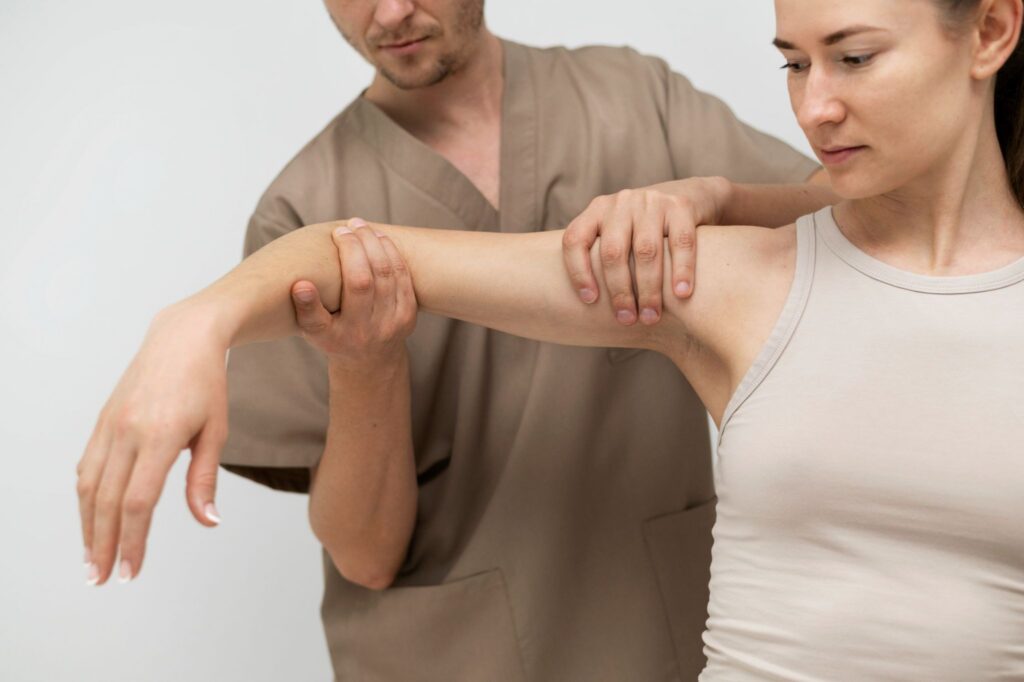
As a local chiropractor, I want to share some insights into recovering from sports injuries that may surprise you. Many people think that recovery is solely about resting the injured area, but there's so much more involved! Effective healing encompasses early intervention, a nutritious diet, and innovative therapies that you might not have considered, like chiropractic adjustments.
By adopting a holistic approach to your recovery, you can pave the way for a smoother return to your peak performance. It's essential to understand that chiropractic care not only helps alleviate pain but also aids in restoring mobility and function by addressing the underlying issues. So, what specific strategies can truly enhance your recovery journey? Let's explore the benefits of chiropractic adjustments, proper nutrition, and other natural healing techniques that can make a significant difference in your healing process.
Understanding Sports Injuries
As a local chiropractor, I want to help you understand sports injuries, their common types, and the natural healing process. Sports injuries can be broadly categorized into two types: acute and chronic. Acute injuries happen suddenly during physical activity, such as sprains, fractures, or strains, often resulting from direct impact, falls, or awkward movements.
In contrast, chronic injuries develop gradually over time, usually due to repetitive stress on a specific body part. Common examples include conditions like tendonitis or stress fractures.
Recognizing the causes of these injuries is crucial for prevention. Factors like poor technique, inadequate warm-ups, and overtraining can significantly increase your risk. If you push your body too hard without allowing adequate time for rest and recovery, you open yourself up to injury.
Additionally, using improper gear or not wearing the right footwear can lead to further complications. Environmental influences, such as uneven surfaces or extreme temperatures, also contribute to the risk of injury. It's essential to remain aware of your surroundings and listen to your body. If you begin to feel pain or discomfort, it's important not to ignore those signals.
Moreover, your physical condition plays a vital role in injury prevention. If you're not in optimal shape for the sport you're engaging in, you're more susceptible to injury. Gradually building strength, flexibility, and endurance can significantly enhance your performance and reduce the risk of injury.
At our chiropractic clinic, we focus on natural healing methods to support your recovery. By addressing misalignments in your spine and improving overall body function, we can help you heal more effectively and get back to doing what you love.
Importance of Early Intervention
As a local chiropractor, I want to emphasize the critical importance of recognizing and addressing sports injuries early on for your recovery and overall health. When you identify an injury at its onset, you significantly improve your chances of a swift recovery and minimize the risk of it developing into a chronic issue. Ignoring symptoms or postponing treatment can lead to complications that may keep you sidelined for much longer than necessary.
Here are a few compelling reasons why seeking early intervention is vital:
- Prevention of Further Damage: By addressing an injury promptly, you can prevent it from worsening, allowing you to get back to your favorite sport sooner rather than later.
- Reduced Recovery Time: The earlier you seek treatment, the quicker your body can heal. This means less time away from the activities you love.
- Enhanced Body Awareness: Early intervention provides you with valuable insights into your body's signals, helping you recognize when something might be amiss in the future.
It's crucial not to overlook the importance of listening to your body. If you experience pain, swelling, or a decline in your performance, don't hesitate to take action. Consult a healthcare professional—like a chiropractor—who specializes in natural healing and can provide you with the right diagnosis and a tailored treatment plan for your specific injury.
By prioritizing early intervention, you aren't just investing in a faster recovery; you're also safeguarding your long-term athletic performance and overall well-being.
Effective Rehabilitation Exercises
As a local chiropractor, I want to emphasize the critical role that effective rehabilitation exercises play in your recovery from sports injuries.
These exercises are designed to restore your strength, flexibility, and range of motion, helping you return to your full athletic potential. It's important to tailor your exercise program to your specific injury, so I always recommend consulting with a healthcare professional, like myself, before you begin.
Start your rehabilitation journey with gentle movements to ease into your routine. For instance, if you've sustained an ankle injury, simple exercises like ankle circles and toe taps can promote mobility without putting excessive strain on your body.
As you become more comfortable, it's beneficial to introduce stretching exercises, such as calf stretches, to enhance flexibility and alleviate stiffness.
As you progress in your healing, we'll shift our focus to strengthening exercises. Resistance bands are excellent tools for gently increasing the intensity of your workouts.
If you have an upper body injury, I might suggest shoulder presses or rows with resistance bands. For lower body concerns, incorporating squats and lunges can effectively rebuild strength, but it's crucial to maintain proper form to prevent any risk of re-injury.
In addition to strength training, balance exercises are vital in your recovery process. Incorporating activities like single-leg stands or using balance boards can significantly improve your stability, which is key to avoiding future injuries.
Lastly, let's not overlook the importance of cardiovascular exercises, such as cycling or swimming. These activities can help you maintain overall fitness while being gentle on your injured areas, ensuring that your heart and lungs remain strong throughout your recovery.
Innovative Therapy Techniques
As you embark on your rehabilitation journey, I want to introduce you to some innovative therapy techniques that can significantly enhance your recovery process and boost your overall performance.
These methods not only speed up healing but also facilitate the regaining of strength and mobility in a more effective manner. Here are a few approaches I recommend considering as part of your rehabilitation routine:
– Cryotherapy: This technique involves exposing your body to very cold temperatures for brief intervals. It's a powerful method for reducing inflammation, alleviating pain, and promoting faster healing by enhancing blood circulation throughout your body.
Many athletes and rehabilitation patients have found it to be an effective addition to their recovery regimen.
– Aquatic Therapy: Exercising in water is an excellent way to minimize stress on your joints while still allowing you to build strength and flexibility. The buoyancy of water supports your body, creating a safe and effective environment for rehabilitation.
This method is particularly beneficial for those recovering from injuries or surgeries.
– Electric Stimulation: This technique utilizes electrical currents to stimulate your muscles, which can be highly beneficial during recovery. Electric stimulation not only helps strengthen your muscles but also reduces pain and enhances circulation, all of which support the healing process.
It's a non-invasive way to aid your recovery while working alongside chiropractic care.
As your chiropractor, I believe in the power of natural healing and the body's ability to recover itself with the right support.
These innovative techniques can complement your chiropractic treatments and lead to a more holistic approach to your rehabilitation.
The Role of Nutrition
As a local chiropractor, I want to emphasize the crucial role nutrition plays in your recovery from sports injuries. Proper nutrition isn't just about eating well; it's about supporting your body's natural healing processes.
When you ensure that you're getting essential nutrients and staying well-hydrated, you're actively promoting muscle repair and overall recovery.
Moreover, the timing of your nutrient intake can greatly influence how quickly you heal. By coordinating your meals and snacks around your physical activity and recovery periods, you can enhance the effectiveness of your healing journey.
Essential Nutrients for Recovery
As a local chiropractor dedicated to promoting natural healing and recovery, I want to emphasize the importance of nourishing your body with the right nutrients, especially after experiencing sports injuries.
When you face an injury, your body has heightened nutritional needs to facilitate effective healing. By focusing on specific essential nutrients, you can significantly enhance your recovery journey.
Here are three critical nutrients to make a priority:
- Protein: This crucial macronutrient is vital for repairing damaged tissues and rebuilding muscle. Incorporating sources of lean proteins like chicken, fish, dairy products, beans, and legumes into your meals can provide the necessary building blocks for recovery.
- Omega-3 Fatty Acids: These beneficial fats, found in foods like fatty fish, walnuts, and flaxseeds, are known for their anti-inflammatory properties. Omega-3s not only help reduce inflammation but also support joint health, which is particularly important during your healing process.
- Vitamins and Minerals: Nutrients such as vitamin C, vitamin D, calcium, and zinc are critical for maintaining bone health and a robust immune system. To ensure you're receiving these essential vitamins and minerals, aim to include a wide variety of fruits, vegetables, and whole grains in your diet.
By understanding and prioritizing these nutrients, you can empower your body to heal naturally and effectively.
As your chiropractor, I'm here to support you on your journey to recovery with both nutritional guidance and chiropractic care.
Let's work together to get you back to your best self!
Hydration and Muscle Repair
As a local chiropractor, I want to emphasize the critical role hydration plays in muscle repair, especially for those recovering from sports injuries. When you maintain proper hydration, your body becomes more efficient at transporting essential nutrients to the injured tissues, which can significantly speed up your healing process.
Water serves as a vital medium for various metabolic functions, ensuring that the necessary vitamins and minerals reach the muscles that require repair.
On the flip side, dehydration can severely impede your recovery. Insufficient fluid intake can slow down your body's healing capabilities, leading to increased muscle soreness and fatigue. This can make it more challenging to return to your favorite activities or sports.
Therefore, it's crucial to keep an eye on your fluid intake throughout the day—not just when you're exercising.
I recommend making hydration a priority by drinking water consistently and keeping a water bottle within reach. Additionally, if you've been sweating a lot, consider incorporating electrolyte-rich beverages.
These drinks can help replenish lost minerals and maintain your body's balance, which is essential for effective healing.
Timing Nutrient Intake
As a local chiropractor, I want to emphasize the importance of proper hydration and nutrition in supporting your overall health and recovery, especially if you're engaging in physical activities or exercises. The timing of your nutrient intake can significantly impact how your body heals and performs.
Here are some key times to focus on when it comes to nourishing your body:
- Post-Workout Window: After an intense workout, it's crucial to consume a balanced meal or snack within 30 to 60 minutes. This timing helps replenish your energy stores and aids in the repair of muscle tissue, which is vital for your body's recovery. Think of it as giving your body the tools it needs to heal itself effectively.
- Pre-Workout Nutrition: Fueling your body 1-3 hours before exercising is essential. Incorporating carbohydrates and protein into your meal will provide you with the energy needed to perform optimally and minimize muscle breakdown. This preparation can enhance your workout experience and promote better results.
- Throughout the Day: It's important to maintain a consistent intake of nutrients throughout the day as well. Regularly spaced meals and snacks will support ongoing recovery and help with muscle maintenance. This holistic approach contributes to your overall well-being and complements the chiropractic care you receive.
By integrating these nutritional strategies into your routine, you're not only supporting your recovery but also enhancing your overall health and vitality.
Mental Strategies for Recovery
As your local chiropractor, I want to emphasize the importance of mental strategies in your recovery journey. Incorporating visualization techniques can be incredibly beneficial; by envisioning your body healing, you can foster a positive mindset that supports your physical rehabilitation.
Additionally, practicing mindfulness and relaxation techniques can help manage stress, which often hinders the healing process. By combining these mental approaches with chiropractic care, we can enhance your resilience and promote a more effective recovery.
Visualization Techniques for Healing
As a local chiropractor, I want to emphasize that while physical recovery from sports injuries is crucial, the mind also plays a significant role in the healing process. Incorporating visualization techniques can greatly enhance your recovery by creating a positive mental environment.
When you visualize your body healing, you can activate your mind's natural ability to support physical recovery.
Here are some effective visualization practices you can easily add to your healing routine:
- Visualize Your Recovery: Take a moment to close your eyes and imagine the healing process taking place. Picture your muscles and tissues repairing and becoming stronger, preparing you to return to your favorite activities even better than before.
- Envision Athletic Success: Picture yourself performing at your peak. Visualize executing your favorite moves with precision and ease; this can significantly boost your confidence and motivation during your recovery journey.
- Relaxation Visualization: Create a mental image of a serene place where you feel at ease. This practice can help alleviate stress, which is vital for healing.
By regularly engaging in these visualization techniques, you can maintain focus, enhance motivation, and reduce anxiety.
By harnessing the power of your mind, you can create a positive feedback loop that supports your physical healing. Start visualizing your recovery today, and you'll be well on your way to a stronger and healthier tomorrow!
If you have any questions or need further guidance, feel free to reach out during your visits.
Mindfulness and Relaxation Practices
Incorporating mindfulness and relaxation practices into your recovery routine can significantly enhance your healing journey. As a chiropractor, I often emphasize the importance of these techniques in reducing stress, promoting mental clarity, and improving overall well-being.
Focusing on the present moment allows you to cultivate a deeper awareness of your body and its needs, which is essential for effective recovery.
Begin with simple breathing exercises. Inhale deeply through your nose, hold for a few seconds, and exhale slowly through your mouth. This practice not only calms your mind but also helps alleviate anxiety related to your injury, which is crucial for optimal healing.
Guided meditation is another excellent tool; there are numerous apps and online resources that offer sessions specifically designed for athletes, enabling you to visualize your recovery journey.
Yoga is also a fantastic option to consider. It combines physical movement with mindfulness, helping to foster flexibility and strength while encouraging relaxation.
Even just a few minutes of gentle stretching can help release tension in your body, promoting a more effective healing process. By integrating these practices into your routine, you can support your chiropractic care and enhance your overall recovery experience.
Utilizing Physical Therapy
Chiropractic care plays a crucial role in the recovery process for sports injuries, assisting you in regaining strength, flexibility, and mobility through natural healing methods. Experiencing an injury can be frustrating, but collaborating with a knowledgeable chiropractor can significantly enhance your recovery journey. They'll evaluate your condition and develop a customized plan tailored to your unique needs and goals.
Here are some key benefits of incorporating chiropractic care into your recovery:
- Individualized Treatment Plans: Your chiropractor will design a program that specifically addresses your injury, ensuring you receive the most effective and personalized care available.
- Natural Pain Relief: Techniques such as spinal adjustments, soft tissue therapy, and therapeutic exercises can help alleviate pain and reduce inflammation without the use of medications.
- Rehabilitation and Strengthening: You'll participate in specific exercises aimed at strengthening the affected area, improving mobility, and reducing the risk of future injuries.
Through regular sessions, you'll gradually rebuild your strength and confidence, allowing you to return to your preferred sports safely.
It's essential to communicate openly with your chiropractor about your progress and any discomfort you may experience during treatments. This communication will enable them to adjust your care plan accordingly, ensuring you make the most of your recovery time.
Embracing chiropractic care can be a powerful step towards achieving optimal health and wellness.
Incorporating Rest and Recovery
As a local chiropractor, I want to emphasize the vital role that rest and recovery play in your healing journey after a sports injury. Many people underestimate the importance of allowing your body the time it needs to heal properly. Pushing yourself too hard can lead to setbacks, prolonging your recovery and delaying your return to the activities you love.
It's crucial to strike a balance between rest and gentle movement. Listening to your body is key. If you're experiencing pain or discomfort, it's important to acknowledge it and give yourself the necessary time to heal. Incorporating regular rest breaks into your routine will facilitate your body's natural repair processes and help you regain strength.
Additionally, make sure you're prioritizing quality sleep—aim for 7-9 hours each night, as this is when your body does much of its restorative work. I also encourage you to consider incorporating active recovery days into your routine. Engaging in low-impact activities such as swimming, cycling, or walking can promote blood circulation and keep your muscles active without placing excessive strain on your injury.
Stretching and mobility exercises are highly beneficial too; they can enhance your flexibility and reduce stiffness, aiding in your recovery. Don't forget about hydration! Staying properly hydrated supports your body's healing processes and can help manage inflammation.
Lastly, I recommend consulting with a healthcare professional, such as myself, for personalized guidance tailored to your recovery plan. Remember, patience is crucial in this process. Rushing back to your sport too soon can lead to re-injury. Prioritizing rest and recovery will ensure a more effective and lasting return to the activities you enjoy.
Preventing Future Injuries
As a local chiropractor, my goal is to help you understand how to prevent future injuries, especially after recovering from a sports injury. It's vital to prioritize your safety so that you can return to your favorite activities without the fear of being sidelined again. By implementing some proactive strategies, you can stay active and healthy.
First, it's crucial to be in tune with your body's signals and limitations. Pay attention to any signs of discomfort; these are often your body's way of signaling that you need to take it easy. Ignoring these signals can lead to further injuries down the line.
Incorporating a balanced training regimen that includes strength, flexibility, and endurance exercises is essential. This holistic approach not only enhances your performance but also fortifies the muscles and joints that support your movements, significantly reducing the risk of re-injury.
Here are some key strategies to help prevent future injuries:
- Warm-Up and Cool Down: Always make time for comprehensive warm-up and cool-down routines. These practices prepare your body for activity and assist in recovery afterward, making a world of difference in how you feel post-exercise.
- Cross-Training: Engage in a variety of exercises to prevent overuse injuries. By mixing up your routine, you can strengthen different muscle groups and alleviate stress on any one area. This variation is beneficial for your overall physical health.
- Proper Gear: Investing in quality, sport-specific equipment is non-negotiable. Using the right shoes and protective gear can significantly reduce your risk of injuries.
As your chiropractor, I encourage you to embrace these strategies to not only enhance your performance but also to promote long-term health and well-being.
Conclusion
As a local chiropractor dedicated to helping you recover from sports injuries, I want to share some essential techniques that can significantly enhance your healing process. When it comes to recovery, early intervention is key. This means addressing any issues as soon as they arise to prevent further complications.
Tailored rehabilitation is another crucial aspect. Every injury is unique, and a personalized approach to your recovery plan can make all the difference. Additionally, don't underestimate the impact of proper nutrition on your healing journey. Nourishing your body with the right foods supports recovery and overall health.
Mental strategies and adequate rest are equally important. Taking the time to relax and focus on your mental well-being can greatly aid your physical recovery. I encourage you to stay proactive and involved in your healing journey. By doing so, not only will you help facilitate your recovery, but you'll also lower your chances of experiencing future injuries. Together, we can work towards a healthier, more active you!