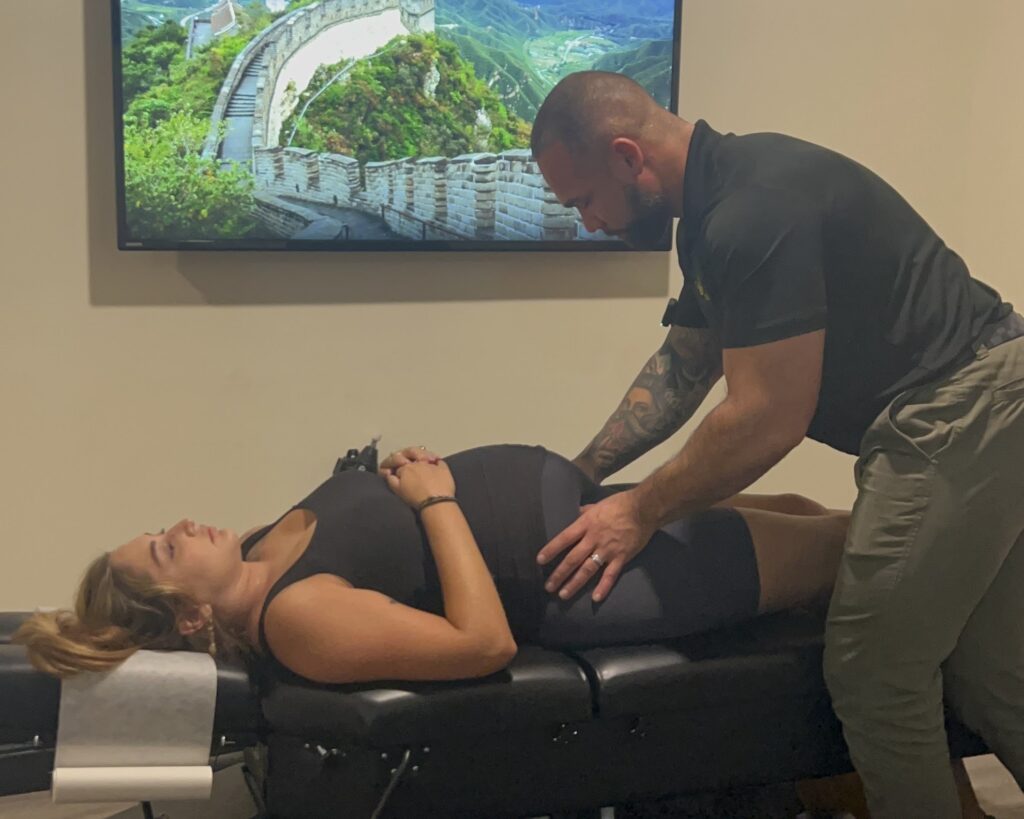
When you're managing chronic pain, it's vital to explore trustworthy techniques that can genuinely make a difference. You might find that integrating mindfulness practices, engaging in regular exercise, and making dietary adjustments can provide significant relief. Additionally, alternative therapies and support networks can play an important role in your journey. By understanding how these approaches work together, you can empower yourself to take control of your pain management strategy. But what specific methods have proven effective for others in similar situations?
Mindfulness and Meditation
When dealing with chronic pain, many people turn to mindfulness and meditation to help manage their discomfort. These practices allow you to focus on the present moment, reducing anxiety and stress that often accompany persistent pain. By cultivating awareness of your thoughts and feelings, you can create a space where pain doesn't dominate your experience.
Mindfulness encourages you to observe your sensations without judgment. Instead of fighting against the pain, you learn to acknowledge it as part of your current reality. This shift in perspective can lessen the emotional weight that chronic pain brings. When you practice mindfulness, you're not just trying to escape pain; you're engaging with it differently.
Meditation complements mindfulness by providing a structured way to quiet your mind. You can start with just a few minutes a day, focusing on your breath or a specific mantra. Over time, this practice can improve your ability to cope with pain, reducing its intensity. You'll find that as you center your thoughts, your body can relax, which may lead to a decrease in perceived pain levels.
Additionally, research supports the idea that regular meditation can change brain patterns related to pain perception. By incorporating mindfulness and meditation into your daily routine, you might discover enhanced resilience against chronic pain.
Physical Therapy Benefits
Physical therapy offers personalized treatment plans tailored to your specific needs, helping you manage chronic pain more effectively.
By focusing on your individual challenges, you can see improvements in mobility and strength.
This targeted approach not only eases discomfort but also empowers you to regain control over your body.
Personalized Treatment Plans
Although chronic pain can often feel overwhelming, personalized treatment plans, especially those incorporating physical therapy, can greatly enhance your quality of life. By tailoring your approach to your specific needs, you can address the unique factors contributing to your pain. This means your treatment won't be a one-size-fits-all solution but rather a strategy designed just for you.
In a personalized plan, your physical therapist will evaluate your condition, taking into account your medical history, lifestyle, and personal goals. This thorough assessment allows them to create targeted exercises that not only aim to alleviate pain but also improve your overall physical health.
You'll likely engage in a mix of stretching, strengthening, and functional movements that help you regain control over your body.
Moreover, personalized treatment plans often involve regular check-ins to assess progress and make necessary adjustments. This ongoing communication guarantees you stay on track and motivated.
You'll also have the opportunity to discuss any challenges you face, allowing your therapist to adapt your plan accordingly. With a tailored approach, you can tackle chronic pain more effectively and enjoy a better, more active life.
Improved Mobility and Strength
Many people experience notable improvements in mobility and strength through targeted physical therapy. When you engage in a personalized physical therapy program, you'll work with a trained professional to focus on your specific needs. This approach helps you regain movement and build strength in affected areas, ultimately enhancing your overall functionality.
As you progress through your therapy, you'll notice that exercises are designed not just to alleviate pain but to promote muscle stability and flexibility. You'll learn techniques that enable you to move more efficiently, which can greatly reduce your pain over time.
Additionally, physical therapy often includes education on body mechanics, teaching you how to perform daily tasks without straining your body. Incorporating strength training into your routine can further enhance your mobility. By gradually increasing your strength, you'll find that activities you once struggled with become easier.
Improved mobility not only boosts your physical capabilities but can also positively impact your mental well-being. You'll feel more confident in your movements, empowering you to engage in your favorite activities without fear of pain or limitation. Overall, targeted physical therapy is an essential step toward reclaiming your life from chronic pain.
Dietary Adjustments
Making dietary adjustments can have a significant impact on managing chronic pain. The foods you choose to consume play an essential role in your body's inflammatory response, which may directly affect your pain levels. Incorporating more anti-inflammatory foods into your diet can help reduce discomfort.
Focus on fruits and vegetables, especially berries, leafy greens, and cruciferous vegetables. These foods are packed with antioxidants that can combat inflammation.
You should also consider including healthy fats, like those found in olive oil, avocados, and fatty fish such as salmon. Omega-3 fatty acids are particularly beneficial for reducing inflammation.
Additionally, whole grains like brown rice and quinoa can provide you with sustained energy while avoiding the spikes in blood sugar that processed carbs can cause.
On the other hand, try to limit or eliminate foods that may worsen inflammation. This includes refined sugars, trans fats, and excessive alcohol. Processed foods, which often contain additives and preservatives, can also contribute to increased pain levels.
Staying hydrated is equally important. Drinking plenty of water helps your body function effectively and can alleviate some discomfort associated with chronic pain.
Lastly, consider keeping a food diary to track how different foods affect your pain levels. This can help you identify specific triggers and make more informed dietary choices.
Alternative Therapies
In addition to dietary adjustments, exploring alternative therapies can offer valuable options for managing chronic pain. These therapies often complement traditional treatments, providing a holistic approach to pain relief.
One popular alternative is acupuncture. By inserting thin needles into specific points on your body, this ancient practice aims to restore balance and alleviate pain. Many people report significant improvements after just a few sessions.
Another effective option is chiropractic care. Regular adjustments can help align your spine and reduce tension, potentially leading to a decrease in pain levels. If you haven't tried this yet, it might be worth consulting a chiropractor to see if it suits your needs.
Massage therapy is also a fantastic way to relieve chronic pain. It promotes relaxation, increases circulation, and reduces muscle tension. Whether you prefer deep tissue or gentle Swedish massage, finding a skilled therapist can make a big difference.
Additionally, herbal remedies and supplements may provide relief. Turmeric, for instance, contains curcumin, known for its anti-inflammatory properties. Always consult your healthcare provider before starting any new supplement, especially if you're on medications.
Lastly, mindfulness and meditation practices can help manage pain by reducing stress and enhancing your emotional well-being. These techniques teach you to focus on the present moment, making it easier to cope with discomfort.
Incorporating these alternative therapies into your routine could lead to a more effective pain management strategy, helping you regain control and improve your quality of life.
Exercise and Movement
When you're dealing with chronic pain, regular movement can make a significant difference in your daily life.
Exploring low-impact exercise options and incorporating stretching can provide relief and enhance your overall well-being.
Let's examine how these strategies can help you manage your pain effectively.
Benefits of Regular Movement
Regular movement plays an essential role in managing chronic pain, offering numerous benefits that can greatly enhance your quality of life. When you engage in regular physical activity, you can improve your overall physical function, making daily tasks easier and less painful. Movement helps maintain flexibility and strength, which can reduce stiffness and discomfort in your body.
In addition, regular movement releases endorphins, the body's natural painkillers. This can lead to an improved mood and a sense of well-being, which is critical when coping with chronic pain. You might even find that staying active helps you sleep better, allowing your body to recover and rejuvenate.
Moreover, incorporating movement into your routine often leads to increased energy levels. You'll feel more motivated to tackle challenges, both physically and mentally. It can also create a sense of accomplishment, boosting your confidence as you notice improvements over time.
Lastly, when you move regularly, you foster a connection with your body, allowing you to better understand your pain triggers. This awareness can empower you to make informed choices that support your pain management journey.
Embracing regular movement truly paves the way for a healthier, more fulfilling life.
Low-Impact Exercise Options
Many people find that low-impact exercise options are ideal for managing chronic pain without putting too much stress on the body. Activities like walking, swimming, and cycling can help you stay active while minimizing discomfort. These exercises elevate your heart rate and improve circulation, which can aid in pain management and promote overall well-being.
Walking is a great choice, as it allows you to control your pace and distance. Aim for short, manageable walks to start, gradually increasing your time as your body adjusts.
Swimming is another excellent option; the water supports your body, reducing strain on your joints while providing resistance to strengthen muscles. You might also consider using a stationary bike, which offers a safe and low-impact way to improve cardiovascular health.
Group classes focused on low-impact aerobics or water aerobics can be fun and motivating, allowing you to connect with others who understand your journey.
Always remember to listen to your body; if something doesn't feel right, modify or stop the exercise. By incorporating low-impact activities into your routine, you can enhance your mobility and potentially reduce pain levels over time.
Stretching for Pain Relief
Stretching can be a powerful tool for alleviating chronic pain and enhancing your overall mobility. By incorporating regular stretching into your routine, you can improve flexibility, reduce muscle tension, and promote blood circulation. This can lead to a significant decrease in pain levels and an increase in your daily comfort.
Here are some key benefits of stretching for pain relief:
- Increased flexibility: Helps your muscles and joints move more freely, reducing stiffness.
- Reduced tension: Eases tightness in muscles, which can contribute to chronic pain.
- Improved circulation: Boosts blood flow to muscles, promoting healing and recovery.
- Enhanced posture: Corrects imbalances that may be causing discomfort.
- Stress relief: Provides a calming effect that can help alleviate pain.
To get started, focus on gentle stretches that target the areas where you feel the most discomfort. Remember to listen to your body; if something doesn't feel right, ease off.
Consistency is key, so try to stretch daily or at least a few times a week. Over time, you'll likely notice improvements in both your pain levels and overall mobility.
Support Networks
Support networks play an essential role in managing chronic pain, often providing the emotional and practical assistance you need. Surrounding yourself with supportive friends, family, and community members can make a significant difference in your daily experience. They understand your struggles and can offer empathy, encouragement, and companionship, making your journey less isolating.
You might consider joining a support group, either in person or online. These groups connect you with others who share similar experiences, allowing you to exchange coping strategies and share resources. Hearing others' stories can help you feel validated and understood, and you may discover new techniques for managing your pain.
Don't underestimate the power of communication. Keep your loved ones informed about your condition, so they can better understand your needs and provide the specific support you require. They may not know how to help unless you tell them. Sharing your emotions and experiences can also strengthen your relationships, fostering deeper connections.
Remember, it's okay to lean on others. Seeking help isn't a sign of weakness; it's a proactive step toward improving your quality of life.
You might also explore professional support, such as therapists or counselors who specialize in chronic pain. They can offer valuable insights and coping strategies tailored to your situation.
Conclusion
By embracing these trustworthy techniques, you can take control of your chronic pain. Mindfulness helps you stay present, while regular exercise boosts your physical and mental well-being. Making smart dietary choices can ease inflammation, and alternative therapies like acupuncture offer additional relief. Don't underestimate the power of support networks—they can empower you on this journey. Remember, you're not alone, and with the right approach, you can find a path to a more comfortable life.