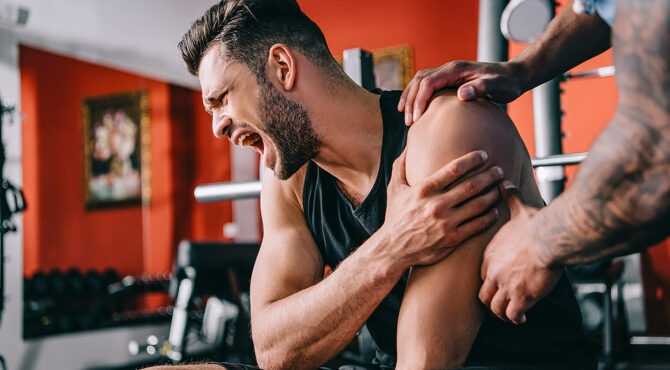
If you’re dealing with back pain from sports activities, I want you to know that chiropractic care can provide you with effective, personalized solutions. As a local chiropractor, I focus on various techniques, such as spinal adjustments and nutritional support, all designed to help you regain your performance and overall well-being. Each method addresses different facets of pain relief and recovery, ensuring a comprehensive approach to your health. If you’re curious about how these trusted techniques can benefit you and help you return to your favorite activities, let’s take a closer look at the key solutions we offer to get you back in the game.
Spinal Adjustments
As a local chiropractor, I want to share how spinal adjustments can be a vital part of managing sports-related back pain and enhancing your recovery. These adjustments work to realign your spine, which can alleviate pressure on nerves and improve your overall bodily function. Many of my patients notice increased mobility and reduced pain after just a few sessions.
In sports, our bodies often endure repetitive motions or face injuries that can lead to misalignments in the spine. Through specific chiropractic techniques, I can address these misalignments, allowing your body to tap into its natural healing abilities more effectively.
Incorporating spinal adjustments into your wellness routine not only helps you recover from pain but also plays a preventative role. By keeping your spine in proper alignment, you can reduce the risk of future injuries.
Many of my patients report feeling better overall and even experiencing improved performance in their sports activities after regular adjustments. If you’re curious about how chiropractic care can benefit you, let’s talk about how we can work together towards your health and athletic goals.
Soft Tissue Therapy
As a local chiropractor, I want to emphasize the importance of soft tissue therapy in your recovery from sports-related back pain.
Techniques such as myofascial release aren’t just buzzwords; they’re effective methods that can significantly enhance your muscle recovery and help prevent future injuries.
Understanding these strategies can empower you to maintain your performance and overall well-being.
Let’s dive into how incorporating soft tissue therapy into your wellness routine can make a difference in your recovery journey.
Techniques for Muscle Recovery
As a local chiropractor, I want to emphasize the importance of muscle recovery for everyone, not just athletes. Recovery is key to enhancing performance, preventing injuries, and maintaining overall well-being.
One effective way to support this process is through soft tissue therapy, which focuses on healing the muscles, fascia, and connective tissues in your body. Here are some essential techniques that can make a difference:
- Massage Therapy: This technique not only reduces muscle tension but also enhances blood circulation, promoting healing and relaxation.
- Trigger Point Release: By targeting specific knots in the muscles, we can relieve pain and restore normal function, helping you move more freely.
- Active Release Techniques (ART): This method involves applying pressure while you move, effectively releasing tight muscles and improving your range of motion.
- Myofascial Release: This technique focuses on addressing restrictions in the fascia, which can lead to improved overall mobility and reduced discomfort.
Incorporating these soft tissue therapy techniques into your routine can significantly speed up your recovery time.
This means you can enjoy a more active lifestyle, train harder, and perform better in all your daily activities.
If you have any questions about how these techniques can benefit you, feel free to reach out!
Benefits of Myofascial Release
As a local chiropractor, I often encounter patients who experience persistent tightness or discomfort that just won’t seem to fade away.
If you find yourself in this situation, myofascial release might be the solution you’ve been searching for. This gentle, hands-on therapy focuses on the fascia, which is the connective tissue surrounding your muscles.
By applying sustained, gentle pressure, myofascial release effectively alleviates tension and enhances blood circulation. Many of my patients report increased flexibility and a noticeable reduction in pain, which allows them to engage more fully in their favorite sports and activities.
Moreover, this therapy fosters relaxation, helping to relieve stress-related tension that may contribute to your discomfort. It also supports your body’s natural healing mechanisms, enabling you to recover more efficiently.
By integrating myofascial release into your wellness routine, you can significantly boost your overall performance and well-being, keeping you active and pain-free.
If you’re curious about how this technique can benefit you, I’d be happy to discuss it further during your next visit.
Injury Prevention Strategies
As a local chiropractor dedicated to helping you understand the benefits of natural healing, I want to emphasize the importance of injury prevention in sports through soft tissue therapy.
By focusing on muscle tightness and imbalances, we can significantly lower your chances of getting injured. Here are some effective strategies to consider:
- Regular Stretching: It’s crucial to include both dynamic and static stretching in your routine, both before and after your workouts. This helps maintain flexibility and prepares your muscles for activity.
- Foam Rolling: Utilizing a foam roller is an excellent way to relieve muscle tension and enhance blood circulation. This practice can aid in muscle recovery and prepare your body for more strenuous activity.
- Strength Training: Developing strength in areas that are prone to injury is vital. Targeting these vulnerable areas can provide much-needed support to your joints during physical exertion.
- Hydration and Nutrition: Proper hydration and a balanced diet play a key role in muscle function. Ensuring you’re well-hydrated and nourished can help your body perform optimally and recover effectively.
By integrating these strategies into your routine, you not only promote your overall health but also empower your body to function at its best, reducing the likelihood of injuries.
If you have any questions about how chiropractic care can further assist you in your journey to better health, don’t hesitate to reach out!
Exercise Rehabilitation
As a local chiropractor, I want to emphasize the importance of exercise rehabilitation in your recovery from sports-related back pain.
By engaging in targeted strengthening exercises, improving your flexibility, and focusing on mobility training, you can establish a strong foundation for your back health.
Additionally, I encourage you to implement effective injury prevention strategies that not only help you stay active but also reduce the risk of future setbacks.
Targeted Strengthening Exercises
As a local chiropractor, I want to emphasize the importance of targeted strengthening exercises in the rehabilitation of sports-related back pain.
These exercises aren’t just about working out; they play a crucial role in building the muscles that support your spine. By incorporating them into your routine, you can alleviate pain and significantly reduce the risk of future injuries.
Focusing on specific muscle groups not only enhances your stability but also improves your overall athletic performance. Here are some effective exercises I recommend:
- Planks: These are fantastic for strengthening your core, which is essential for stabilizing your back.
- Bird-Dogs: This exercise helps improve coordination and balance while specifically targeting your lower back.
- Bridges: Engaging your glutes and lower back with bridges enhances the support for your spine.
- Deadlifts: When done correctly, deadlifts can build strength in your hamstrings and lower back, leading to better movement mechanics.
Before starting any new exercise regimen, I highly recommend consulting with a professional like myself.
This ensures you’re selecting the right movements tailored to your individual needs, promoting healing and preventing future issues.
Your journey to a stronger, pain-free back starts here!
Flexibility and Mobility Training
As a local chiropractor, I want to share with you the vital role that flexibility and mobility training play in your recovery from sports injuries. While building strength in your core and back muscles is important, it’s only one piece of the puzzle. Incorporating flexibility and mobility exercises into your rehabilitation process can significantly enhance your recovery.
Engaging in stretching routines will help improve your range of motion, alleviate stiffness, and ultimately boost your overall performance. I recommend focusing on dynamic stretches before your workouts to warm up your muscles and static stretches afterward to maintain muscle elasticity.
Additionally, activities like yoga or Pilates can be incredibly beneficial; they not only increase flexibility but also promote balance and stability, which are crucial for preventing future injuries.
It’s essential to listen to your body during this process. If you notice any tightness, don’t ignore it—give those areas some extra attention. By integrating flexibility and mobility training into your regular routine, you can move more freely and safely, paving the way for a successful return to your favorite sports.
Injury Prevention Strategies
As a local chiropractor, I want to emphasize the importance of effective injury prevention strategies, especially for those of you recovering from sports injuries.
Implementing these methods can significantly aid in your rehabilitation process and help reduce the risk of future injuries. Here are some essential strategies to consider:
- Progressive Strength Training: It’s important to gradually increase the intensity of your workouts. This not only builds strength but also helps your body adapt and recover more efficiently.
- Functional Movement Patterns: Engaging in exercises that mimic the specific movements of your sport can improve your performance. This functional approach helps you become more agile and resilient during your activities.
- Core Stability Exercises: A strong core is fundamental in supporting your spine and improving your overall balance. Incorporating core exercises can lead to better posture and reduced strain on your back and joints.
- Regular Stretching Routines: Flexibility is key in preventing tightness and strain. Establishing a consistent stretching routine can enhance your mobility and keep your muscles healthy.
By integrating these strategies into your recovery plan, you can empower your body to heal naturally and effectively.
Chiropractic Massage
As a local chiropractor, I want to introduce you to the benefits of chiropractic massage, especially if you’re dealing with sports-related back pain. This approach combines chiropractic care with the therapeutic effects of massage, creating a powerful method to help you regain mobility and comfort.
Chiropractic massage focuses on alleviating muscle tension and addressing misalignments in your spine. During your session, I’ll use specific techniques to relieve tightness in the muscles surrounding your spine, which can significantly enhance your overall well-being. Many patients report feeling immediate relief as I work on the areas contributing to their discomfort.
This hands-on approach not only aids in pain management but also improves flexibility, making it easier for you to get back to participating in your favorite sports activities.
Incorporating chiropractic massage into your wellness routine can be transformative, especially for injury prevention. It helps you maintain peak performance and ensures that back pain doesn’t hinder you from achieving your athletic goals.
Kinesiology Taping
As a local chiropractor, I often encounter patients who are unfamiliar with the benefits of kinesiology taping for recovery from sports-related back pain.
This innovative approach utilizes elastic tape to provide support to your muscles and joints, all while allowing for unrestricted movement. It can be particularly advantageous for athletes aiming to enhance their performance while effectively managing discomfort.
Let me share how kinesiology taping can support your recovery:
- Enhances circulation: The tape encourages increased blood flow to the affected area, which can significantly speed up the healing process.
- Alleviates pain: By lifting the skin slightly, kinesiology tape reduces pressure on pain receptors, providing relief from discomfort.
- Improves stability: It offers essential support to your back, helping to prevent further injury while you’re active.
- Boosts proprioception: This technique increases your awareness of body position, promoting better movement mechanics and coordination.
Integrating kinesiology taping into your recovery strategy can lead to remarkable improvements, enabling you to return to your favorite activities with renewed confidence and a quicker recovery time.
If you’re curious about how this technique can assist you on your healing journey, feel free to reach out for more information!
Posture Correction
As a local chiropractor, I want to emphasize the importance of good posture in preventing and managing sports-related back pain. Proper alignment is crucial as it reduces strain on your muscles and joints, allowing you to perform at your best.
When you maintain correct posture—whether standing or sitting—you help distribute your weight evenly, which minimizes stress on your spine. You may be surprised to learn that even small adjustments to your posture can have a significant impact on your overall comfort and performance.
I encourage you to pay attention to your alignment during your daily activities. Keep your shoulders back, your head aligned with your spine, and your hips level. If you’re training or competing for long periods, it’s essential to take breaks to reset your posture.
Regular chiropractic adjustments can also play a vital role in enhancing your posture, as they help your body adapt to its optimal alignment.
By incorporating posture correction techniques into your routine, you can experience immediate relief from discomfort and enjoy long-term benefits, allowing you to stay active and free of back pain.
Prioritizing your posture won’t only improve your physical well-being but also enhance your performance both on and off the field. Let’s work together to achieve the best posture for your health!
Nutritional Guidance
As a local chiropractor dedicated to helping you manage sports-related back pain, I want to emphasize the vital role that proper nutrition plays in your recovery and overall performance. By fueling your body with the right nutrients, you can significantly reduce inflammation, strengthen your muscles, and promote healing.
Here are some important nutritional tips to consider:
- Stay Hydrated: Drinking plenty of water is crucial for keeping your joints lubricated and preventing stiffness, which can exacerbate pain.
- Incorporate Anti-Inflammatory Foods: Foods rich in antioxidants, such as berries, fatty fish, and leafy greens, can help combat inflammation and support your recovery process.
- Focus on Protein: Ensuring you have enough protein in your diet is essential for muscle repair and growth, which is especially important when recovering from injury.
- Limit Processed Foods: Reducing your intake of sugar and processed foods can help lower inflammation levels in your body and support a healthy weight, both of which are beneficial for managing back pain.
By integrating these nutritional practices into your daily routine, you can enhance your recovery and enjoy a more active lifestyle.
Conclusion
As your local chiropractor, I want to share with you seven trusted solutions that can significantly help with managing sports-related back pain. Many individuals may not be familiar with the benefits of chiropractic care, so let’s explore how these methods can enhance your recovery and performance.
- Spinal Adjustments: These are a cornerstone of chiropractic care. By realigning the spine, we can relieve pressure on nerves, reduce pain, and improve mobility.
- Soft Tissue Therapy: This technique focuses on relieving tension in muscles, tendons, and ligaments. It can help to ease the discomfort associated with sports injuries and promote healing.
- Exercise Rehabilitation: After an injury, engaging in the right exercises is crucial for recovery. I can guide you through specific rehabilitation exercises designed to strengthen your back and prevent future injuries.
- Chiropractic Massage: This therapy complements spinal adjustments by relaxing tight muscles and improving circulation, which can enhance your overall recovery.
- Kinesiology Taping: This method involves applying special tape to support injured muscles and joints without restricting movement. It can help reduce pain and swelling while you remain active.
- Posture Correction: Proper posture is vital for athletic performance and injury prevention. I can provide you with techniques to improve your posture, which will help keep your spine aligned and functioning optimally.
- Nutritional Guidance: Did you know that what you eat can affect inflammation in your body? By incorporating anti-inflammatory foods into your diet, you can support your healing process and overall health.
By integrating these chiropractic solutions into your routine, you’ll be better equipped to stay active and pain-free in your sport. If you have any questions or want to learn more about how chiropractic care can benefit you, don’t hesitate to reach out! Your journey to recovery starts here.