When you're dealing with a sports injury, knowing the best treatments can make all the difference in your recovery. You've probably heard of common methods like rest, ice, and pain relief medications, but there's a lot more to evaluate. Exploring options like physical therapy and innovative techniques can enhance your healing process. Each approach has its benefits, tailored to your specific needs, but it's also essential to understand which combination might work best for you. Curious about how to pinpoint the most effective strategies for your situation?
Rest and Recovery
When dealing with sports injuries, prioritizing rest and recovery is essential for a faster comeback. Taking the time to let your body heal can make all the difference in your performance later on. Ignoring the need for rest may prolong your injury or even lead to more serious problems.
Listen to your body; if you're feeling pain, that's a signal to take a break. Rest isn't just about kicking back on the couch. You should aim for a balance of complete rest and gentle movement, depending on the injury's severity. For minor injuries, like strains or sprains, short periods of light activity can promote blood flow and speed up healing.
However, if you're facing a more severe injury, you might need to stop all activity and give your body the time it needs to recover fully. Incorporating proper nutrition into your recovery routine is also vital. Eating a balanced diet rich in proteins, vitamins, and minerals supports tissue repair and strengthens your immune system.
Stay hydrated, as fluids help maintain joint lubrication and support overall recovery. Don't rush the process. Giving yourself adequate time to heal will prevent re-injury and allow you to return to your sport stronger than before.
Physical Therapy
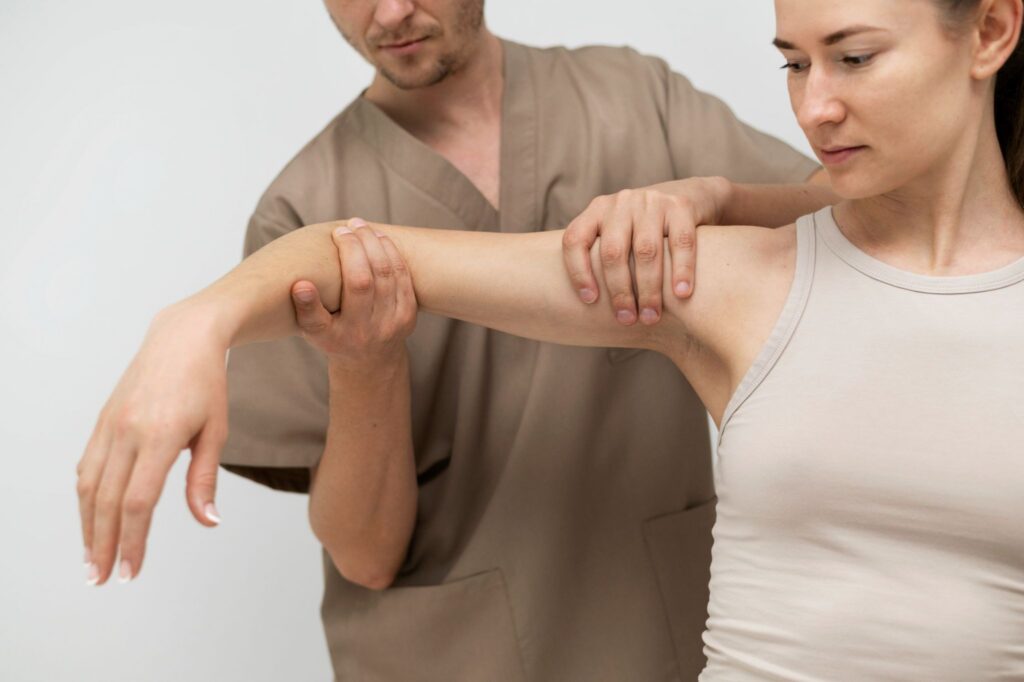
After sustaining a sports injury, physical therapy can play an essential role in your recovery journey. It's not just about healing the injury; it's about regaining strength, flexibility, and functionality. Your physical therapist will assess your injury and develop a personalized treatment plan designed to meet your specific needs.
During your sessions, you'll engage in a variety of exercises that target the affected area, strengthen surrounding muscles, and improve your range of motion. These exercises might include stretching, resistance training, and balance work. Consistent attendance and effort are vital; the more you commit, the better your results will be.
Physical therapy also involves educating you about your injury. Your therapist will explain the mechanics of the injury, how to avoid re-injury, and the importance of proper body mechanics during activities. This knowledge empowers you to take charge of your recovery and future performance.
Additionally, your therapist may incorporate manual therapy techniques, such as massage or joint mobilization, to alleviate pain and improve circulation. They might also use modalities like ultrasound or electrical stimulation to enhance healing.
The emotional aspect of recovery shouldn't be ignored either. Your therapist can provide support and motivation, helping you stay focused on your goals.
Ice and Compression
To effectively manage swelling and pain following a sports injury, ice and compression are two powerful tools you can utilize. Applying ice helps constrict blood vessels, reducing blood flow to the injured area. This not only minimizes swelling but also numbs the area, providing immediate pain relief. You should aim to ice the injury for about 15 to 20 minutes every hour, especially during the first 48 hours after the injury occurs.
Make sure to wrap the ice pack in a cloth or towel to protect your skin from frostbite.
Compression works hand-in-hand with ice to further control swelling. By using an elastic bandage or a compression wrap, you can apply gentle pressure to the injured area. This helps prevent excessive swelling and supports the tissues around the injury.
When applying compression, be careful not to wrap it too tightly; you don't want to cut off circulation. If you notice any numbness or increased pain, loosen the wrap immediately.
Combining ice and compression can greatly enhance your recovery process. The two methods work synergistically, allowing you to manage inflammation effectively.
Remember to keep your injured limb elevated as much as possible; this position helps fluid drain away from the injury site, further reducing swelling.
Incorporate these techniques into your immediate post-injury care, and you'll be on your way to a faster, more comfortable recovery.
Heat Therapy
Heat therapy can be a game-changer for relieving muscle tension and promoting blood flow after a sports injury.
You can apply heat through various methods, like heating pads or warm baths, but it's crucial to know the precautions before you get started.
Let's explore the benefits, application techniques, and safety tips to make the most of this treatment.
Benefits of Heat Therapy
Applying warmth to sore muscles can work wonders for sports injuries, offering a soothing relief that many athletes swear by. Heat therapy helps increase blood flow to the affected area, which promotes healing and reduces stiffness. When you apply heat, it relaxes tight muscles and can alleviate discomfort, allowing you to regain your range of motion more quickly.
Moreover, heat therapy can be a great way to prepare your muscles before a workout. It warms up your muscles, making them more pliable and less prone to injury. This preventive aspect is essential for athletes looking to stay in peak form.
Additionally, the comforting sensation of warmth can greatly reduce stress and anxiety, contributing to an overall sense of well-being.
Using heat therapy after a workout can also help in muscle recovery. By easing tension and promoting relaxation, you can bounce back faster and get back to your training routine.
Methods of Application
Several effective methods can enhance the benefits of heat therapy for sports injuries. One popular method is using a heating pad. You can apply it directly to the affected area for about 15-20 minutes. Just make sure it's warm, not too hot, to avoid burns.
Another option is a warm towel. Soak it in hot water, wring it out, and place it on your injury for a soothing effect.
You might also consider taking a warm bath or shower. The heat from the water penetrates your muscles, promoting relaxation and blood flow. If you have access to a hot tub or sauna, these can provide even greater relief, as the heat envelops your body.
For targeted relief, you can try a microwaveable heat pack. These packs conform to your body's shape, offering focused warmth where you need it most.
Finally, if you're on the go, consider using adhesive heat patches that you can stick directly onto your skin. They're discreet and provide continuous warmth for several hours, making them a convenient choice.
Precautions to Consider
When using heat therapy for sports injuries, it's important to keep a few precautions in mind to guarantee safety and effectiveness.
First, always check the temperature of your heat source before applying it to your skin. You don't want to risk burns or skin irritation, so aim for a comfortable warmth instead of extreme heat.
Next, limit your heat application to 15-20 minutes at a time. Prolonged exposure can lead to overheating and inflammation rather than relief.
Additionally, avoid using heat therapy on swollen or bruised areas since heat can exacerbate inflammation.
If you have any underlying medical conditions, such as diabetes or circulatory issues, consult your doctor before starting heat therapy. It's vital to make sure that heat won't worsen your condition.
Lastly, listen to your body. If you feel any discomfort or increased pain while using heat therapy, stop immediately.
Medication and Pain Relief
When you're dealing with sports injuries, medication can play an essential role in your recovery.
Over-the-counter options like ibuprofen or acetaminophen can help manage pain and inflammation, while prescription medications might be necessary for more severe cases.
Understanding your options can make a significant difference in how quickly you bounce back.
Over-the-Counter Options
Many effective over-the-counter options can help relieve pain and discomfort from sports injuries. Nonsteroidal anti-inflammatory drugs (NSAIDs) like ibuprofen and naproxen are popular choices. They reduce inflammation and alleviate pain, making them ideal for managing acute injuries or flare-ups.
Just be sure to follow the recommended dosage on the packaging to avoid side effects.
Acetaminophen is another option, particularly if you're sensitive to NSAIDs. It's effective for pain relief but won't reduce inflammation. This can be useful for managing pain without the gastrointestinal side effects some experience with NSAIDs.
Topical treatments, such as creams or gels containing menthol or capsaicin, can also provide targeted relief. They work by creating a cooling or warming sensation, distracting your body from pain.
Applying these directly to the affected area can help you get back to your activities sooner.
Lastly, consider muscle rubs or patches that contain analgesics. They offer localized relief and can be convenient for use during sports or workouts.
Always consult a healthcare professional if you're unsure which option suits your needs best. Remember, listening to your body is key to a successful recovery!
Prescription Medications
If over-the-counter options aren't providing enough relief, prescription medications might be the next step in managing your sports injury pain. These medications can target inflammation, pain, and muscle spasms more effectively than regular over-the-counter options.
Your doctor may prescribe non-steroidal anti-inflammatory drugs (NSAIDs) like ibuprofen or naproxen, which can help reduce swelling and alleviate pain.
In some cases, your doctor might recommend stronger opioids for more severe pain, but these come with risks of dependency and should be used cautiously. Muscle relaxants could also be prescribed if you're dealing with muscle spasms, aiding in discomfort relief and promoting better mobility.
It's essential to communicate openly with your healthcare provider about your symptoms and any side effects you experience. They can adjust your prescription or dosage to guarantee you get the most effective pain relief possible.
Always follow your doctor's instructions and never exceed the recommended dosage, as misuse can lead to serious health issues.
Massage Therapy
Massage therapy offers a powerful avenue for sports injury relief, helping to reduce pain and promote healing. If you've recently suffered an injury or are dealing with chronic pain from your athletic pursuits, incorporating massage therapy into your recovery plan can make a significant difference.
This technique works by increasing blood circulation, which delivers essential nutrients to the injured area. The gentle manipulation of muscles and soft tissues not only relieves tension but also helps to break down scar tissue and improve flexibility. You might notice that your range of motion increases after just a few sessions, allowing you to get back to your favorite activities sooner.
There are different types of massage you can consider, such as deep tissue, sports massage, or even trigger point therapy. Each has its own benefits tailored to your specific needs. For instance, sports massage focuses on areas of the body that are overused and stressed from repetitive movements. This can be particularly useful if you're a runner or a swimmer.
It's also important to communicate with your massage therapist about your injury and any discomfort you're experiencing. They can adjust the pressure and techniques used to guarantee that you're comfortable while still receiving the benefits you need.
Incorporating regular massage therapy into your routine can provide ongoing relief, reduce the risk of future injuries, and keep you in peak condition for your sport.
Acupuncture
Acupuncture can be an effective treatment for sports injuries, as it targets specific points in the body to alleviate pain and promote healing. This ancient Chinese practice involves inserting thin needles into designated acupuncture points, which can stimulate the body's natural healing processes. If you're dealing with a sports-related injury, you might find that acupuncture helps reduce inflammation and improve circulation, leading to faster recovery.
When you visit an acupuncturist, they'll assess your injury and overall health before customizing a treatment plan for you. The needles can be placed around the injury site or in other areas to help relieve pain and tension. Many athletes report feeling immediate relief after a session, and the cumulative effects can enhance your long-term recovery.
You might also appreciate that acupuncture is a holistic approach. It doesn't just target the symptoms but addresses underlying issues contributing to your injury. This can include muscle imbalances, stress, or fatigue, all of which can affect your performance and recovery.
Moreover, acupuncture has minimal side effects compared to some conventional treatments, making it a safe option for many. If you're hesitant about needles, rest assured that most clients find the experience surprisingly relaxing.
You may even discover that it helps with not just your injury but also your overall well-being, enhancing your athletic performance and mental focus. So, consider incorporating acupuncture into your recovery routine and give your body the chance to heal naturally.
Cryotherapy
Cryotherapy, or cold therapy, is gaining popularity among athletes for its ability to reduce inflammation and speed up recovery after intense workouts or injuries. When you expose your body to extremely cold temperatures, it triggers a response that can help numb pain and decrease swelling. Many athletes are turning to cryotherapy as a quick and effective way to bounce back from physical stress.
During a typical session, you'll enter a cryotherapy chamber or use localized cold packs. The extreme cold stimulates blood circulation, which helps flush out toxins and promotes healing. You may notice reduced soreness and stiffness in your muscles, allowing you to get back to training sooner.
For those with chronic pain or injuries, cryotherapy can serve as a complementary treatment, enhancing overall recovery. While some may find the experience a bit shocking at first, sessions usually last only a few minutes, making it a relatively quick option for relief.
You can easily fit it into your busy schedule, especially after demanding workouts. Many athletes report feeling rejuvenated and more energetic following their cryotherapy sessions, which can also help with mental clarity and focus.
If you're considering trying cryotherapy, it's important to consult with a healthcare professional to verify it's a suitable option for your specific needs. Always choose a reputable facility with trained staff to guide you through the process.
Rehabilitation Exercises
After an injury, incorporating rehabilitation exercises is crucial for regaining strength and mobility. These exercises help you rebuild the muscles around the injured area, improve flexibility, and reduce the risk of future injuries. A well-structured rehabilitation program can make all the difference in your recovery journey.
Here are three key components to focus on:
- Strengthening Exercises: Start with low-resistance exercises that target the affected muscles. Gradually increase the intensity as you progress. This helps rebuild muscle strength and support your joint.
- Flexibility Training: Incorporate stretching exercises to improve your range of motion. Stretching can alleviate stiffness and enhance your flexibility, making it easier for you to return to your sport.
- Balance and Coordination: Work on exercises that challenge your balance and coordination. This might include single-leg stands or stability ball exercises. Improving your balance helps prevent re-injury and guarantees better overall performance.
It's important to remember that rehabilitation should be tailored to your specific injury and needs.
Always consult a healthcare professional or a physical therapist before starting any exercise program. They can guide you in choosing the right exercises and avoiding movements that could hinder your recovery.
Stay committed, be patient, and celebrate the small victories along the way. By sticking to your rehabilitation exercises, you'll be on track to get back to your sport stronger than ever.
Alternative Treatments
Exploring alternative treatments can offer valuable options for sports injury relief beyond traditional methods. Many athletes find that integrating these approaches into their recovery can enhance healing and improve overall performance.
One popular alternative is acupuncture. This ancient Chinese practice involves inserting thin needles into specific points on the body to alleviate pain and promote healing. Numerous studies suggest that acupuncture can effectively reduce inflammation and improve blood flow, making it a worthwhile consideration for your recovery plan.
Another option is chiropractic care. A chiropractor can help realign your spine and joints, which may relieve pressure on nerves and reduce pain. Regular adjustments may also enhance your overall mobility and performance. If you're dealing with persistent pain, it's worth scheduling a visit to a chiropractor.
Additionally, consider exploring massage therapy. Therapeutic massage can help reduce muscle tension, improve circulation, and speed up the recovery process. It's especially beneficial after intense training sessions or competitions, as it helps to flush out lactic acid and other toxins.
Lastly, incorporating herbal remedies can also be beneficial. Natural anti-inflammatories, like turmeric and ginger, can help ease pain and swelling. Always consult a healthcare professional before trying new supplements to ascertain they're safe for you.
Conclusion
In summary, finding the right combination of treatments for your sports injury is essential for a speedy recovery. By incorporating rest, physical therapy, and various therapies like ice, heat, and acupuncture, you can tailor a healing plan that meets your specific needs. Don't forget to take into account alternative treatments and rehabilitation exercises to enhance your strength and flexibility. With the right approach, you'll be back in the game sooner and stronger than ever!