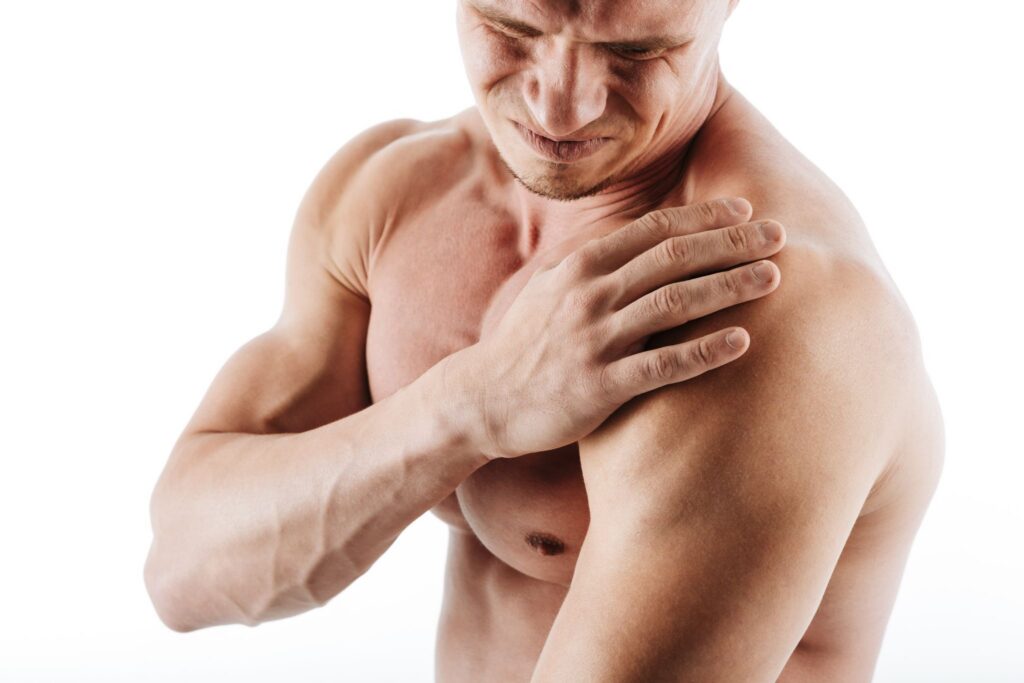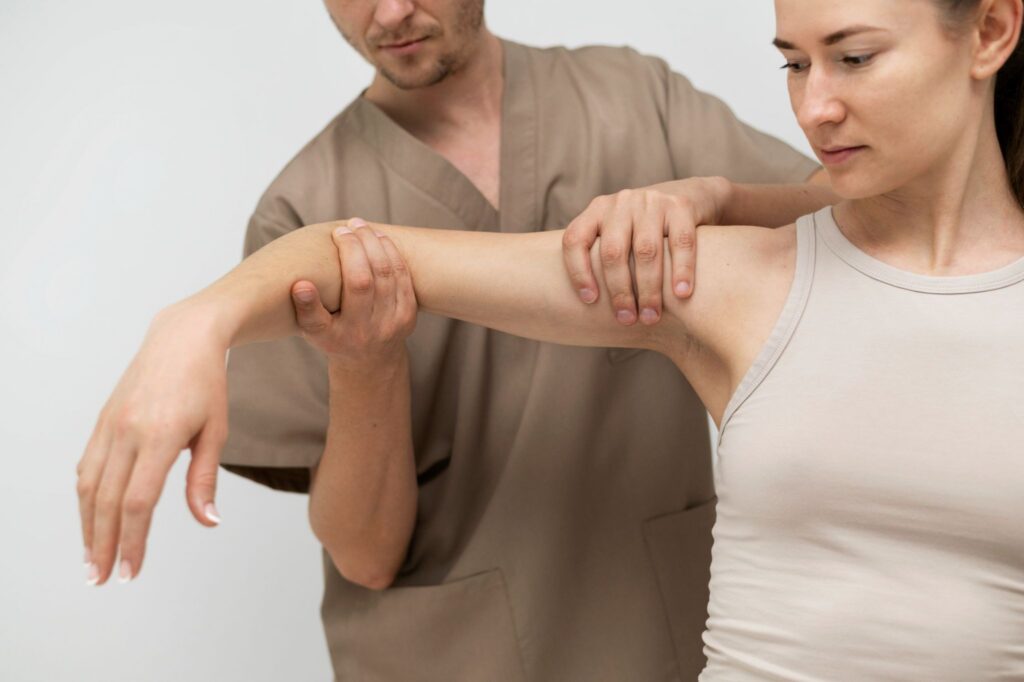
When you face a sports injury, knowing the right relief techniques can make all the difference in your recovery. From cryotherapy to massage, each method offers unique benefits tailored to various types of injuries. You might find that managing pain and inflammation isn't just about one approach, but a combination of strategies that can enhance your overall healing process. As you explore these techniques, consider how they can help you not only recover faster but also return stronger than before. What might surprise you is the range of options available to support your journey back to peak performance.
Ice Therapy
Ice therapy is a powerful tool in managing sports injuries, especially right after an incident. When you experience a sprain, strain, or any acute injury, applying ice can greatly reduce swelling and numb pain.
You'll want to act quickly; ideally, you should start icing the affected area within the first 48 hours.
To use ice therapy effectively, wrap ice cubes or a cold pack in a towel. Never apply ice directly to your skin, as it can cause frostbite. Place the wrapped ice on the injury for 15-20 minutes at a time, allowing your skin to return to normal temperature between sessions.
You can repeat this process every hour, especially during the first day. This method helps constrict blood vessels, minimizing blood flow to the area and reducing inflammation.
Another benefit of ice therapy is its role in limiting muscle spasms. The cold temperature helps to relax the muscles and reduce tension.
If you've sustained a more serious injury, like a fracture, ice can provide comfort while you await further medical evaluation.
Heat Therapy
Heat therapy is an effective method for alleviating muscle tension and promoting healing in sports injuries. When you apply heat to the injured area, it increases blood flow, which helps deliver vital nutrients and oxygen to the tissues. This enhanced circulation can speed up the healing process and help your muscles relax, relieving tightness and stiffness.
You can use various forms of heat therapy, such as hot packs, heating pads, or warm baths. Each method has its benefits, so choose what feels best for you. For example, a heating pad can be convenient for targeted relief, while a warm bath can ease overall muscle tension.
Just remember to keep the heat at a comfortable level—too hot can result in burns or further irritation.
Applying heat is particularly beneficial for chronic injuries or soreness that lingers after more intense physical activity. It's a great way to prepare your muscles for a workout, as it loosens them up and reduces the risk of further injury. You should aim to apply heat for about 15 to 20 minutes at a time, allowing your body to absorb the warmth effectively.
However, it's important to avoid heat therapy on swollen or inflamed areas immediately after an injury, as this can worsen inflammation. Instead, wait until the swelling subsides before incorporating heat into your recovery routine.
Compression Techniques
Compression techniques are an essential part of sports injury recovery, providing support and reducing swelling in affected areas. When you experience an injury, applying compression helps control inflammation, which can greatly speed up your healing process. By restricting the flow of excess fluid to the injured site, compression minimizes swelling and promotes blood circulation.
One common method is using elastic bandages or wraps. You can easily apply these around the injured area, ensuring they're snug but not too tight, as you want to maintain blood flow. The key is to cover the injured site while allowing room for movement. If you notice any tingling, numbness, or increased pain, it's important to loosen the wrap.
Another effective option is compression garments, designed specifically for athletes. These garments, such as sleeves or socks, provide consistent pressure and can enhance recovery by improving venous return and reducing muscle soreness. You can wear these during and after your workouts for maximum benefit.
Additionally, specialized compression devices, like pneumatic compression machines, can be beneficial. These machines use air pressure to apply controlled compression to the affected area, helping to further reduce swelling and improve circulation.
Incorporating compression techniques into your injury recovery routine not only aids in reducing pain but also accelerates your return to activity. By understanding how to effectively use these methods, you'll be better equipped to handle sports injuries and get back to doing what you love.
Elevation Methods
Elevating an injured limb is a simple yet powerful technique that can greatly aid in your recovery process. When you elevate the affected area, you're helping to reduce swelling and improve blood circulation. This is essential, especially in the initial stages of an injury when inflammation is often at its peak.
To effectively elevate your limb, position it above the level of your heart. You can use pillows, cushions, or even a chair to prop it up. Make sure you're comfortable and that the limb is supported to avoid any strain. Aim to keep the limb elevated for at least 15 to 30 minutes at a time, several times a day. This will help minimize swelling and discomfort.
In addition to swelling reduction, elevation can also promote quicker healing. By facilitating better blood flow, you're allowing important nutrients and oxygen to reach the injured area more efficiently. This can expedite the recovery process and help you return to your sport sooner.
Don't forget to combine elevation with other techniques like rest and ice for best results. After all, taking care of your body should be a priority when you're recovering from an injury.
Massage Therapy
How can massage therapy enhance your recovery from a sports injury? Incorporating massage therapy into your recovery plan can greatly speed up healing and improve your overall performance.
When you experience an injury, muscles can become tense and tight, leading to pain and restricted movement. Massage therapy works to alleviate this tension, promoting relaxation and restoring flexibility.
By increasing blood circulation, massage helps deliver essential nutrients and oxygen to injured tissues. This enhanced blood flow can accelerate the healing process and reduce inflammation, which is critical for a swift recovery.
Additionally, massage therapy stimulates the production of endorphins, your body's natural painkillers, helping you manage discomfort more effectively.
You might also find that regular sessions can improve your range of motion and reduce muscle stiffness. This is particularly important if you're keen to get back to your sport. The hands-on approach of massage allows therapists to target specific areas of tightness or pain, tailoring their techniques to your individual needs.
Moreover, massage therapy can play an essential role in preventing future injuries. By identifying and addressing muscle imbalances or areas of tension before they develop into more serious issues, you can maintain peak performance and reduce the likelihood of setbacks.
Stretching Exercises
Stretching exercises play an essential role in maintaining flexibility and preventing injuries.
By focusing on targeted muscle groups, you can improve your range of motion and enhance your overall performance.
Let's explore how incorporating these exercises into your routine can benefit you.
Importance of Flexibility
Flexibility plays an indispensable role in preventing sports injuries and enhancing overall athletic performance. When you maintain good flexibility, your muscles and tendons can stretch more easily, reducing the risk of strains and tears during physical activities. This adaptability allows you to move fluidly, which is essential for executing various sports techniques effectively.
Incorporating stretching exercises into your routine not only improves your range of motion but also helps increase blood flow to your muscles. Increased blood flow can enhance muscle recovery and decrease soreness after workouts, allowing you to train consistently without interruptions. Additionally, flexible muscles can absorb shock better, which can safeguard your joints during high-impact activities.
You should also remember that flexibility can improve your posture and alignment, which is critical for overall body mechanics. When your body is well-aligned, you can perform movements more efficiently, leading to better performance and fewer injuries.
Targeted Muscle Groups
To enhance your flexibility and prevent injuries effectively, focusing on targeted muscle groups is essential. Stretching these specific areas helps reduce tension and improve your overall range of motion.
Start with the hamstrings, as tightness here can lead to lower back pain and limit your athletic performance. Incorporate stretches like the standing hamstring stretch or seated forward bend to loosen these muscles.
Next, pay attention to your quadriceps. A simple quad stretch can alleviate tightness and boost your knee stability.
Don't forget your hip flexors, especially if you spend long hours sitting. Lunging hip flexor stretches can open up your hips and improve your mobility.
Shoulder and chest stretches are also important, especially for athletes who perform repetitive upper body movements. Consider trying doorway stretches or arm circles to relieve tension and enhance flexibility in these areas.
Lastly, always remember to breathe deeply during your stretches. This not only helps you relax but also increases blood flow to the targeted muscle groups.
Foam Rolling
Foam rolling is a game-changer for athletes looking to improve recovery and alleviate muscle soreness. This self-myofascial release technique helps you target tight areas in your muscles, promoting increased blood flow and flexibility. By incorporating foam rolling into your routine, you can effectively reduce muscle tension and enhance your overall performance.
When you roll over your muscle groups, the pressure you apply helps break up knots and adhesions, allowing your muscles to function more efficiently. This can be particularly beneficial after intense workouts or competitions, as it aids in the recovery process.
You'll find that using a foam roller before workouts can also help prepare your muscles, making them more pliable and ready for action.
To get started, simply choose a foam roller that suits your needs—there are various densities available. Begin by targeting major muscle groups like your quads, hamstrings, calves, and back. Roll slowly, spending extra time on any particularly tight spots. You might feel some discomfort, but that's normal; just remember to breathe through it. Aim for about 1-2 minutes per muscle group for best results.
Regular foam rolling can lead to improved range of motion, decreased risk of injury, and faster recovery times. Plus, it's an easy technique to incorporate into your daily routine, whether at home or the gym.
Electrical Stimulation
When it comes to sports injury relief, electrical stimulation can be an effective tool in your recovery arsenal. This technique uses electrical impulses to stimulate your muscles and nerves, promoting healing and reducing pain. It's particularly helpful for muscle recovery after intense workouts or injuries.
You might experience a tingling sensation during the treatment, which many find soothing. Electrical stimulation can help improve blood circulation, delivering essential nutrients to the injured area. This increased blood flow speeds up the healing process and can alleviate swelling and inflammation.
There are various types of electrical stimulation, including Transcutaneous Electrical Nerve Stimulation (TENS) and neuromuscular electrical stimulation (NMES). TENS focuses on pain relief by blocking pain signals to your brain, while NMES helps in muscle contraction, which can be beneficial if you're dealing with muscle atrophy from inactivity.
Incorporating electrical stimulation into your recovery routine can enhance your overall rehabilitation. You can use it in conjunction with other therapies, like physical therapy or massage, to maximize benefits.
It's also relatively easy to use at home with portable devices, making it a convenient option for busy athletes. Always consult with a healthcare professional before starting any electrical stimulation treatment to verify it's appropriate for your specific injury.
Herbal Remedies
While many athletes rely on conventional treatments for sports injuries, herbal remedies offer a natural alternative that can aid in recovery. These remedies often come with fewer side effects and can complement your healing process effectively.
You might want to start with arnica, a popular herb known for its anti-inflammatory properties. Applying arnica gel or ointment to bruises and strains can help reduce swelling and promote healing.
Another powerful option is turmeric. Its active compound, curcumin, has strong anti-inflammatory and antioxidant effects. You can incorporate turmeric into your diet or take it as a supplement to help manage pain and inflammation post-injury.
Ginger is also worth considering; it can improve circulation and reduce muscle soreness when consumed as tea or in food.
If you're dealing with muscle strains or joint pain, you might find relief with eucalyptus oil. This essential oil can be diluted with a carrier oil and massaged into the affected area to alleviate discomfort.
Additionally, consider using willow bark, which contains salicin—similar to aspirin. It may help relieve pain when taken as a tea or supplement.
Lastly, don't overlook the benefits of peppermint. Its menthol content can provide a cooling sensation that soothes sore muscles.
Rest and Recovery
When you sustain a sports injury, rest is essential for your body to heal properly.
Active recovery strategies can also play a key role in helping you bounce back faster.
Understanding the balance between rest and activity will aid in your overall recovery process.
Importance of Rest
Rest is your body's fundamental ally in the healing process, especially when it comes to recovering from sports injuries.
When you push through pain or ignore the signals your body sends, you risk prolonging your recovery and even worsening the injury. Embracing rest isn't just about doing nothing; it's a significant step towards full recovery.
Here are three reasons why prioritizing rest is essential:
1. Healing: Your body regenerates tissues and repairs damage while you rest.
Without adequate downtime, your healing process is compromised.
2. Preventing Further Injury: Continuing to train or compete while injured can lead to more severe injuries that may sideline you for an extended period.
Rest allows your body to mend properly.
3. Mental Clarity: Rest isn't just physical; it's mental, too.
Taking time off helps you regain focus and motivation, ensuring you're ready to get back on track without hesitation.
Active Recovery Strategies
After taking the necessary time to rest, incorporating active recovery strategies can greatly enhance your healing process. Active recovery involves low-intensity exercises that promote blood flow and flexibility without putting excessive strain on your body. You might consider engaging in activities like walking, swimming, or cycling at a relaxed pace. These exercises help reduce muscle soreness and stiffness, speeding up your overall recovery.
Another effective strategy is to include stretching and mobility work in your routine. Gentle stretching can improve your range of motion and alleviate tightness in injured areas. You can also try yoga or Pilates, which focus on controlled movements and breathing, further aiding your recovery.
Don't forget about the importance of hydration and nutrition during this phase. Staying well-hydrated and consuming nutrient-rich foods supports muscle repair and recovery. Aim for a balanced diet that includes proteins, healthy fats, and plenty of fruits and vegetables.
Incorporating these active recovery strategies not only helps you heal faster but also prepares your body for a successful return to your sport. Listen to your body, and adjust the intensity of your activities as needed to guarantee a safe recovery.
Conclusion
Incorporating these top sports injury relief techniques can greatly speed up your recovery and get you back in the game. Whether you're using ice therapy to reduce swelling or heat therapy to enhance blood flow, each method offers unique benefits. Don't forget the importance of rest and rehabilitation exercises, too. By combining these approaches, you can effectively manage pain, improve flexibility, and regain strength, ensuring you're ready for your next athletic challenge.