As your local chiropractor, I want to help you navigate the journey of recovering from sports injuries. Understanding the right chiropractic techniques can significantly impact your healing process. For instance, spinal adjustments can help realign your body and alleviate pain, making it easier for you to regain mobility. Another effective method I often use is the Active Release Technique, which focuses on releasing tension in specific muscles and soft tissues.
Additionally, techniques like the Graston Technique and kinesiology taping can be incredibly beneficial. The Graston Technique addresses particular soft tissue issues, while kinesiology taping provides support to injured areas and can aid in reducing pain and inflammation.
As you consider your recovery options, think about how combining these therapies might enhance your healing journey. Perhaps a combination of spinal adjustments and active release could work well for your specific injury. I'm here to guide you through these options and create a personalized treatment plan that prepares you for your next athletic challenge. Let's work together to find the best approach for you!
Spinal Adjustments
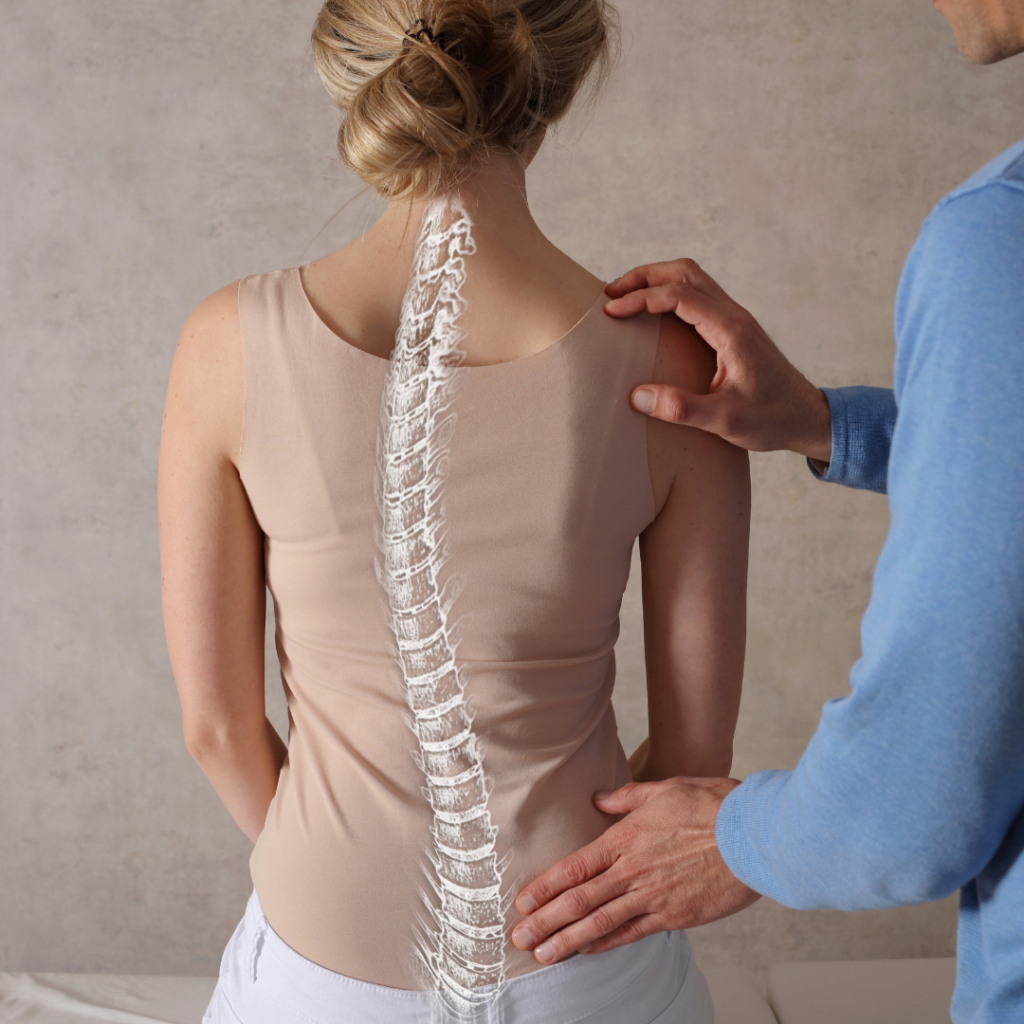
As a local chiropractor, I want to share with you the vital role spinal adjustments can play in your recovery from sports injuries. If you're unfamiliar with chiropractic care, it's important to understand that these adjustments are designed to restore proper alignment to your spine, which can significantly enhance your overall functionality and alleviate pain.
When your spine is misaligned, it can create tension and inflammation in the surrounding muscles, ultimately slowing down your healing process. During your recovery journey, I'll conduct a thorough assessment of your spine to identify any misalignments. Using precise techniques, I'll realign your vertebrae, ensuring that your nervous system operates optimally. This is crucial because a well-functioning nervous system effectively communicates with your muscles and joints, which promotes healing and reduces discomfort.
You may find that after just a few adjustments, your range of motion improves dramatically. This increased mobility is essential for engaging in physical therapy and rehabilitation exercises, allowing you to recover more effectively. Additionally, spinal adjustments can help to alleviate pain that may be associated with your injury by addressing the root cause of your discomfort.
It's essential to work closely with me as your chiropractor throughout this process. Together, we'll develop a tailored treatment plan that meets your specific needs and monitor your progress along the way.
With my guidance and regular adjustments, you'll be setting yourself up for a smoother and more efficient recovery, getting you back to your sport in no time. Remember, natural healing through chiropractic care can be a powerful ally in your recovery journey!
Active Release Technique
As a local chiropractor, I'm excited to introduce you to the Active Release Technique (ART), a specialized approach designed to help with soft tissue injuries.
This technique involves precise movements where I apply targeted pressure to specific areas of your body while you actively engage in movement. It might sound a bit unique, but this method is highly effective and can bring significant benefits, especially for athletes looking to enhance their recovery and improve their overall performance.
Whether you're dealing with an injury or just want to optimize your physical health, understanding ART can be a valuable step towards natural healing and well-being.
How It Works
As a local chiropractor, I want to introduce you to an effective method called the Active Release Technique (ART) that can play a significant role in your recovery from soft tissue injuries. This hands-on approach is designed to identify and treat issues related to muscles, tendons, ligaments, and fascia, helping you heal more quickly and regain your functionality.
Here's a simple breakdown of how ART works:
- Evaluation: During your visit, I'll carefully assess your condition by examining your range of motion, strength, and any pain you may be experiencing. This thorough evaluation allows us to pinpoint the exact areas that need attention.
- Manual Treatment: I'll then apply targeted pressure to the injured tissue while guiding you through specific movements. This combination is crucial for breaking down any adhesions and scar tissue that could be limiting your mobility.
- Reevaluation: After the treatment session, I'll reassess your condition to see how you're improving. This ongoing evaluation ensures that we're making progress toward your recovery goals.
Through this structured approach, ART is designed to restore your body's normal function and enhance your overall performance.
Benefits for Athletes
As a local chiropractor, I want to share with you the incredible benefits of the Active Release Technique (ART) for athletes and anyone looking to enhance their recovery journey. This specialized soft tissue therapy is designed to identify and correct muscle and nerve dysfunctions that can arise from overuse or injury. Many of my patients have experienced how ART can significantly reduce pain and improve mobility, helping them get back to their activities more quickly.
One of the standout features of ART is its ability to specifically target areas of tension in the body. This targeted approach can lead to quicker recovery times and improved performance. By breaking down scar tissue and restoring proper muscle function, ART not only aids in recovery but also helps prevent future injuries, so you can perform at your best when it matters.
Furthermore, ART enhances blood circulation, which is vital for healing and reducing inflammation. Many of my patients have noticed increased flexibility and range of motion after just a few sessions. This is especially important for athletes looking to sharpen their skills and push their limits.
Each ART session is personalized, meaning I tailor the treatment to meet your unique needs, ensuring you receive the most effective care. Incorporating ART into your recovery plan can truly be transformative, enabling you to overcome setbacks and maintain optimal performance levels.
If you're looking for a natural way to enhance your well-being and athletic capabilities, I encourage you to consider this technique. Embracing ART might just give you the competitive edge you've been seeking!
Graston Technique
As a local chiropractor, I want to introduce you to the Graston Technique, a powerful tool we use in our practice to aid in recovery from sports injuries and other soft tissue issues.
This technique involves the use of specialized instruments for instrument-assisted soft tissue mobilization. What this means is that we can specifically target areas of muscle and fascia that may be causing you discomfort or slowing down your recovery.
By utilizing the Graston Technique, we can enhance your muscle recovery speed and significantly reduce pain.
It's an effective, natural approach that complements chiropractic care, allowing your body to heal more efficiently.
If you're looking for a way to get back to your active lifestyle, I invite you to explore how this technique can support your healing journey.
Your body deserves a chance to recover properly, and we're here to help you every step of the way.
Instrument-Assisted Soft Tissue Mobilization
As a local chiropractor, I want to introduce you to a powerful technique known as Instrument-Assisted Soft Tissue Mobilization, commonly referred to as the Graston Technique. This method is frequently utilized by athletes and physical therapists, but it can also significantly benefit anyone dealing with soft tissue injuries.
Here's why you might want to consider incorporating the Graston Technique into your recovery plan:
1. Enhanced Detection: One of the key advantages of this technique is the use of specially designed stainless steel instruments. These tools allow us to identify scar tissue and restrictions in your muscles and fascia that may not be easily detectable through manual assessment.
With this precise detection, we can provide more targeted and effective treatment.
2. Improved Blood Flow: During the treatment, we apply controlled pressure and movement to the affected areas. This process increases blood circulation, which is crucial for healing.
The enhanced blood flow brings essential nutrients and oxygen to the injured tissue, promoting a faster recovery.
3. Accelerated Tissue Repair: The Graston Technique is particularly effective at breaking down adhesions and scar tissue, which can enhance your flexibility and range of motion.
With regular sessions, many patients experience a significant reduction in pain and a quicker return to their daily activities or sports.
Integrating Instrument-Assisted Soft Tissue Mobilization into your recovery journey can truly be transformative, helping you recover more effectively and get back to feeling your best.
If you're interested in learning more about how this technique can assist in your healing process, feel free to reach out!
Enhancing Muscle Recovery Speed
As a local chiropractor, I want to share some valuable insights about the Graston Technique and how it can significantly enhance muscle recovery speed. Many of you may not be familiar with this method, but it's an effective approach to healing soft tissue injuries that can benefit not just your recovery from injuries, but also your overall muscle performance.
The Graston Technique utilizes specially designed instruments to break down scar tissue and restrictions in the fascia, which is the connective tissue surrounding your muscles. This process enhances blood flow and allows essential nutrients to reach your muscles more efficiently.
When you come in for Graston treatment, you can expect to see increased collagen production, which is vital for healing, leading to a more effective recovery process.
One of the great benefits of this technique is that it allows for targeted treatment of specific areas where you may be experiencing tightness or dysfunction. Many of my patients report a noticeable reduction in muscle soreness and stiffness after treatments, which can be especially helpful after intense workouts or sports activities.
Moreover, the Graston Technique can improve your range of motion, which not only helps you perform better but also aids in quicker recovery. This means you can get back to your training plan sooner, helping you maintain peak performance.
If you're looking for ways to boost your muscle recovery speed and enhance your overall athletic performance, I encourage you to consider incorporating the Graston Technique into your rehabilitation journey. Together, we can accelerate your recovery and help you achieve your health and fitness goals naturally.
Kinesiology Taping
As a local chiropractor, I often encounter patients who are unfamiliar with the benefits of kinesiology taping, a technique that can greatly aid in recovery from sports injuries and enhance overall physical well-being.
Kinesiology taping involves the application of elastic therapeutic tape to your skin, offering support and stability to your muscles and joints while allowing for a full range of motion. You may have noticed athletes sporting colorful tape during competitions; this isn't just a visual statement, but an integral part of their recovery process.
Let's explore three significant benefits of kinesiology taping that can assist you in your healing journey:
- Pain Relief: One of the remarkable features of kinesiology tape is its ability to alleviate pain. By gently lifting the skin, the tape reduces pressure on pain receptors, which can lead to a noticeable decrease in discomfort during and after physical activity. This can be particularly beneficial as you work through a rehabilitation program.
- Improved Circulation: Kinesiology tape promotes enhanced blood flow and lymphatic drainage. Improved circulation is crucial because it helps deliver essential nutrients to the injured area while facilitating the removal of waste products. This dynamic process can significantly accelerate your healing and recovery.
- Support for Muscles and Joints: What's exceptional about kinesiology tape is that it provides support to your muscles and joints without restricting your movement. This means you can continue to perform at your best while recovering from an injury, maintaining your athletic performance without compromising your healing process.
Incorporating kinesiology taping into your recovery strategy can be highly effective.
However, I always recommend consulting with a qualified chiropractor or sports therapist to ensure that you're using this technique correctly. Our expertise can help guide you through the application process, maximizing the benefits while minimizing the risk of further injury.
Embracing natural healing methods like kinesiology taping can be a significant step towards achieving your health and wellness goals.
Myofascial Release
As a local chiropractor, I want to introduce you to a remarkable technique that can significantly aid in your recovery from sports injuries: myofascial release. This hands-on approach focuses on the fascia, the connective tissue that envelops your muscles, bones, and organs. When you sustain an injury, this fascia can become tight or restricted, resulting in pain and limited mobility.
During a myofascial release session, I apply gentle, sustained pressure to specific areas of your body. This method helps alleviate the tension within the fascia, promoting increased blood flow and enhancing your body's natural healing processes. Many of my patients report a noticeable reduction in pain and an improvement in their range of motion after just a few sessions.
What I find particularly beneficial about myofascial release is its versatility. Whether you're dealing with a sprained ankle, a strained muscle, or chronic pain, this technique can be tailored to meet your specific needs. Throughout your treatment, I'll work closely with you to pinpoint areas of tension and create a customized recovery plan.
Moreover, myofascial release is a gentle technique, making it suitable for individuals of all ages and fitness levels. You won't need to worry about any aggressive manipulation that could worsen your injuries. Instead, we focus on fostering relaxation and healing, helping you return to your sport stronger and more resilient.
Embracing myofascial release could be a crucial step in your recovery journey, and I'm here to guide you every step of the way.
Rehabilitation Exercises
As a local chiropractor, I want to emphasize the importance of incorporating rehabilitation exercises into your recovery plan, especially after experiencing a sports injury.
These exercises are crucial not only for speeding up your recovery but also for preventing future injuries by enhancing flexibility and stability. By adhering to a structured routine, you can rebuild your muscles, regain your range of motion, and ultimately improve your overall performance.
Here are three essential types of rehabilitation exercises you should consider integrating into your routine:
1. Stretching Exercises: It's vital to focus on gentle stretching to enhance your flexibility. I recommend incorporating dynamic stretches before your workouts to warm up your muscles and static stretches afterward to aid in recovery.
This practice increases blood flow to your muscles, alleviates tightness, and supports the healing process.
2. Strengthening Exercises: Targeting the injured area with specific strength training is key. Utilizing resistance bands, light weights, or even your own body weight can help you gradually build strength.
It's important to start with low resistance and increase it as you feel more comfortable. This approach not only stabilizes the injured area but also supports your journey back to your favorite sports activities.
3. Balance and Stability Exercises: Incorporating exercises that improve your balance and proprioception is crucial. Activities like single-leg stands, stability ball workouts, or balance board exercises can significantly strengthen your core and lower body, thereby reducing the risk of re-injury.
By understanding the value of these rehabilitation exercises, you can take an active role in your healing process and enhance your overall well-being.
As your chiropractor, I'm here to guide you through this journey and ensure you have the tools needed for a successful recovery.
Electrical Stimulation
As a local chiropractor, I want to help you understand how electrical stimulation can play a significant role in your recovery from sports injuries. This natural healing technique utilizes electrical impulses to activate your muscles and nerves, aiding in the healing process and alleviating pain.
When you're on the mend from an injury, it's essential to regain your strength and mobility, and electrical stimulation can be a valuable part of that journey.
During a treatment session, we place small electrodes on your skin near the injured area. These electrodes deliver targeted electrical signals that cause your muscles to contract. This contraction is beneficial because it enhances circulation, which in turn increases blood flow to the affected area.
As a result, you may notice reduced inflammation and a quicker healing time.
If you're experiencing muscle spasms or chronic pain, electrical stimulation could be particularly advantageous for you. It's also a great option for preventing muscle atrophy, especially if you're unable to engage in regular exercise due to your injury.
By incorporating this technique into your rehabilitation plan, you can significantly improve your recovery experience.
Many of my patients appreciate that electrical stimulation is a non-invasive treatment option that can be seamlessly integrated with other therapies.
During the session, you might feel a gentle tingling sensation, but it should never be painful. After your treatment, you may observe enhanced mobility and a decrease in discomfort, which can make a world of difference in your overall well-being.
Cryotherapy
As a local chiropractor, I want to introduce you to an exciting treatment option for managing sports injuries: cryotherapy.
While many of you may be familiar with electrical stimulation for muscle recovery, cryotherapy offers a unique approach that can significantly aid in your healing process. This method involves exposing your body to extremely cold temperatures for a brief period, which can promote healing and reduce inflammation.
If you've just finished an intense workout or competition, cryotherapy could be a game changer for your recovery time.
Let me share three important benefits of incorporating cryotherapy into your sports injury recovery routine:
- Reduces Inflammation: The cold temperature from cryotherapy helps constrict blood vessels, leading to decreased swelling and inflammation in the injured area. This is particularly beneficial when dealing with strains or sprains, as it can provide much-needed relief.
- Alleviates Pain: One of the immediate effects of cryotherapy is pain relief. By numbing the affected area, this treatment can significantly reduce discomfort, allowing you to return to your training regimen more quickly.
- Boosts Recovery: After the cold exposure, blood flow increases, which means essential nutrients and oxygen are delivered to your muscles more effectively. This process not only accelerates healing but also enhances your overall performance.
Integrating cryotherapy into your recovery plan can complement your rehabilitation efforts.
Whether you're an elite athlete or someone who enjoys weekend sports, this innovative technique may be exactly what you need to bounce back stronger.
I encourage you to discuss the potential benefits of cryotherapy with your healthcare provider. Together, we can create a tailored recovery plan that suits your individual needs and helps you achieve your health goals.
Embracing natural healing methods like cryotherapy can lead to a more resilient and active lifestyle.
Nutritional Support
As a local chiropractor, I want to emphasize the vital role nutrition plays in your recovery from sports injuries. When you sustain an injury, your body demands specific nutrients to heal properly. By consuming a balanced diet that's rich in vitamins, minerals, and macronutrients, you can speed up your recovery process and enhance your overall performance.
First and foremost, let's talk about protein. This macronutrient is crucial for tissue repair and muscle recovery. I encourage you to include lean meats, fish, eggs, and plant-based protein sources like beans and lentils in your meals. A protein-rich snack after your workouts can also help kick-start the muscle repair process.
Next, we can't ignore the importance of healthy fats. Omega-3 fatty acids, found in fish, walnuts, and flaxseeds, possess anti-inflammatory properties that can help reduce swelling and promote healing. These healthy fats are also beneficial for enhancing joint mobility, which is essential for a smooth recovery from an injury.
Carbohydrates serve as your body's primary energy source, especially when you're on the mend. Opt for whole grains, fruits, and vegetables to provide sustained energy and essential nutrients. Carbohydrates play a significant role in replenishing glycogen stores, which gives you the energy required for rehabilitation exercises.
Hydration is another crucial component of your recovery journey. It's important to drink plenty of water to support metabolic processes and nutrient transport within your body. Dehydration can hinder your recovery and increase discomfort, so make it a habit to stay well-hydrated throughout the day.
Lastly, consider supplements if you feel it's necessary. Vitamins C and D, along with zinc, are known to support immune function and tissue healing. However, I always recommend consulting with a healthcare professional, such as myself, before beginning any new supplement regimen.
Conclusion
As a local chiropractor, I want to share with you some effective techniques that can significantly enhance your recovery from sports injuries. Many people may not be familiar with chiropractic care, but it plays a vital role in restoring function and alleviating pain.
One of the key methods we use is spinal adjustments, which help realign the spine and improve overall mobility. Additionally, techniques like Active Release Technique (ART) and the Graston Technique are excellent for targeting soft tissue injuries and promoting healing.
To support your recovery even further, we often incorporate therapies such as kinesiology taping, which provides stability to the muscles and joints, and cryotherapy, which reduces inflammation and speeds up healing.
It's also essential to include rehabilitation exercises tailored to your specific injury, along with nutritional support to fuel your recovery. By integrating these chiropractic techniques and supportive therapies, we can help you return to your peak performance more quickly and safely.
Your health is a priority, and with the right approach, you'll be back in the game in no time! If you have any questions about how chiropractic care can assist you, feel free to reach out.