
Sciatica and disc herniation are two of the most common culprits behind debilitating lower back pain, yet their interconnectedness is often overlooked. Sciatica, characterized by sharp pains shooting down the leg from the lower back, is frequently a direct fallout of disc herniation, where the soft cushion between spinal bones protrudes and irritates the nearby nerves. This painful duo can disrupt daily activities and diminish quality of life, making effective treatment a crucial pursuit for sufferers.
Understanding the intricate relationship between sciatica and disc herniation is essential for anyone looking to alleviate their symptoms or help others navigate their pain management journey. By connecting these painful dots, individuals gain insights into how one condition can influence the other, thus paving the way for targeted therapies that address the root cause rather than just the symptoms. As we delve into the latest treatment options and lifestyle adjustments, let’s explore how modern medicine is helping patients reclaim their comfort and mobility.
Understanding the Spine
The human spine is a complex structure made up of bones, muscles, nerves, and connective tissues. The spine provides support for the body and allows for a wide range of movements. At its core are the vertebrae, which are small bones stacked on top of one another, forming the vertebral column. Between each vertebra are discs composed of a tough outer layer called the annulus fibrosus and a gel-like center known as the nucleus pulposus. These discs act as shock absorbers for the spine and allow for mobility.
What Is Disc Herniation?
Disc herniation occurs when the inner gel-like nucleus pulposus pushes out through a tear in the annulus fibrosus. This can happen due to age-related wear and tear, or sudden injury. When the herniated disc protrudes outward, it can put pressure on the nearby nerves, leading to pain and other symptoms.
What Is Sciatica?
Sciatica is a term used to describe the symptoms of leg pain—and possibly tingling, numbness, or weakness—that originate in the lower back and travel through the buttock and down the large sciatic nerve in the back of the leg. Sciatica is not a medical diagnosis in itself—it is a symptom of an underlying medical condition, such as a lumbar herniated disc or spinal stenosis.
The Connection Between Sciatica and Disc Herniation
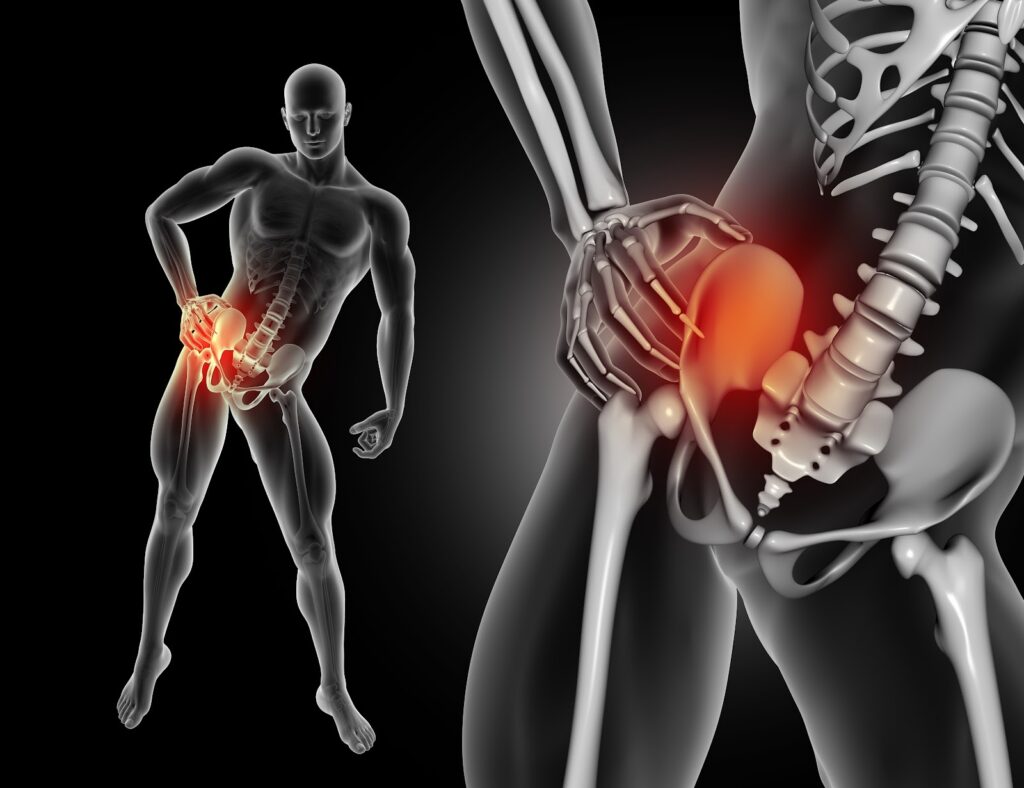
Sciatica often occurs as a result of a herniated disc. When a disc herniates, it can impinge on the roots of the sciatic nerve. This nerve compression can cause the hallmark symptoms of sciatica. Not all disc herniations will lead to sciatica, but it is one of the most common causes.
How Disc Herniation Causes Sciatica
When a disc herniates in the lumbar spine (lower back), it can press directly on the nerves that form the sciatic nerve. This pressure can lead to the characteristic symptoms of sciatica in Cocoa, such as intense pain radiating from the lower back down through the leg and even to the foot.
Symptoms of Sciatica and Disc Herniation in Cocoa
The symptoms of sciatica can vary widely but typically include:
- Sharp pain that can make it difficult to stand up or walk
- Pain that radiates from the lower back down to the buttock and the back of the leg
- Numbness, tingling, or muscle weakness in the affected leg or foot
- Lower back pain that is less severe than leg pain
- Pain that intensifies with movements such as sitting for long periods or during sudden movements
Similarly, symptoms of a herniated disc might include:
- Pain and numbness, most commonly on one side of the body
- Pain that extends to your arms or legs
- Pain that worsens at night or with certain movements
- Pain that worsens after standing or sitting
- Unexplained muscle weakness
Diagnosing Sciatica and Disc Herniation
Diagnosis of sciatica and disc herniation at Chiro Studio involves a physical exam and medical history. A healthcare provider might also utilize imaging tests such as MRI or CT scans to observe the structures of the spine and to pinpoint any abnormalities that may be causing pain.
- Physical Examination
During the physical examination, Dr. Isidoro Acevedo Jr looks for signs of nerve irritation. This includes testing
reflexes, muscle strength, and assessing pain triggered by stretching the sciatic nerve.
- Imaging Techniques
MRI is the most common imaging test used to diagnose sciatica and disc herniation. It provides detailed images of the body’s soft tissues, including the condition of the discs and the presence of any herniations compressing spinal nerves.
- Medical History
Your doctor will inquire about your symptoms, medical history, and any recent injuries or activities that may have contributed to your condition.

Treatment Options for Sciatica and Disc Herniation
Treatment for sciatica and disc herniation aims to alleviate pain, reduce inflammation, and address the underlying cause of the symptoms. Depending on the severity and duration of your symptoms, treatment options may include:
- Pain Medications: Over-the-counter or prescription pain medications, such as nonsteroidal anti-inflammatory drugs (NSAIDs), muscle relaxants, or analgesics, can help manage pain and discomfort.
- Physical Therapy: Physical therapy exercises and stretches can improve flexibility, strengthen the muscles supporting your spine, and alleviate pressure on the affected nerve.
- Alternative Therapies: Alternative therapies can be useful in managing symptoms of sciatica and disc herniation, particularly for those seeking non-surgical options.
These therapies might include:
- Acupuncture: This involves the insertion of needles at specific points on the body to relieve pain and improve function.
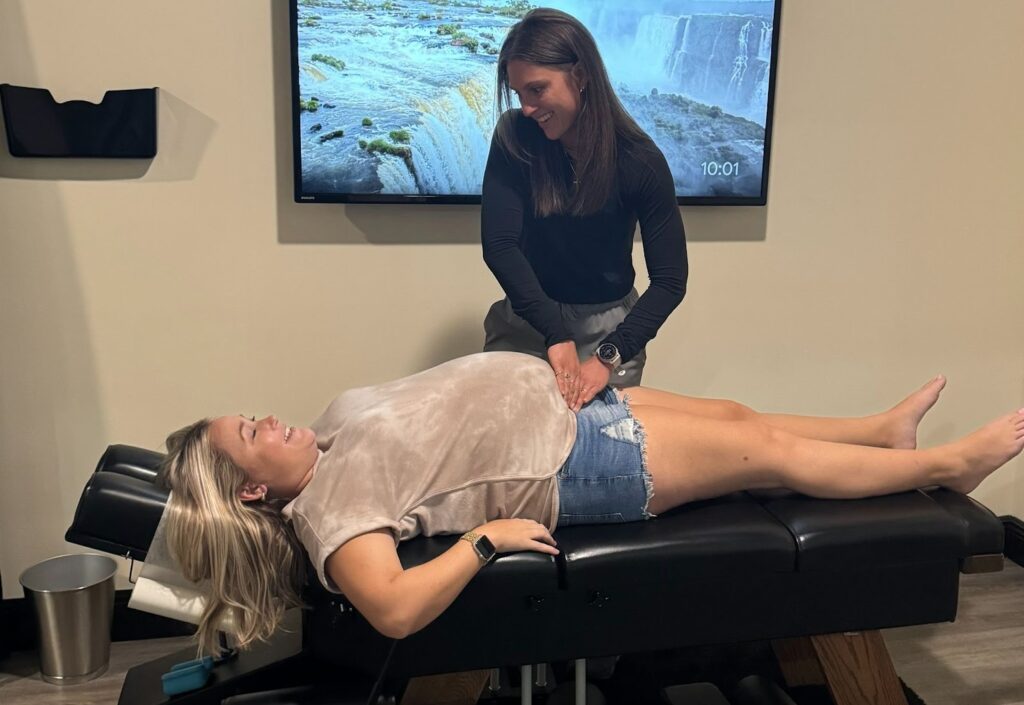
- Chiropractic Care: Chiropractors in Cocoa use spinal manipulation to relieve pressure on sciatic nerves caused by herniated discs.
- Massage Therapy: Helps to relieve muscle tension and pain in the lower back and legs.
- Yoga and Pilates: These exercises can improve flexibility and strengthen the muscles of the back and abdomen, which support the spine.
Prevention Strategies for Sciatica and Disc Herniation
While some risk factors for sciatica and disc herniation, such as age and genetics, are beyond your control, there are steps you can take to reduce your risk and prevent recurrence:
- Maintain Good Posture: Practice proper posture when sitting, standing, and lifting to minimize strain on your spine and reduce the risk of disc herniation.
- Stay Active: Engage in regular exercise and physical activity to strengthen the muscles supporting your spine and improve flexibility and mobility.
- Lift Safely: Use proper lifting techniques, such as bending your knees and keeping your back straight, to avoid straining your lower back and exacerbating disc herniation.
- Avoid Prolonged Sitting: Take breaks to stand, stretch, and walk around if you have a sedentary job or lifestyle to prevent prolonged pressure on your spinal discs.
- Maintain a Healthy Weight: Excess weight can increase the load on your spine and contribute to disc degeneration and herniation. Maintain a healthy weight through a balanced diet and regular exercise.

Shockwave Therapy for Sciatica and Disc Herniation
Shockwave therapy is a non-invasive treatment that uses acoustic waves to stimulate healing in targeted tissues. It has been explored as a potential treatment for various musculoskeletal conditions, including sciatica and disc herniation.
Shockwave Therapy for Sciatica
Sciatica is a condition characterized by pain radiating along the sciatic nerve, which runs down one or both legs from the lower back. It is often caused by a herniated disc or bone spur pressing on the nerve. Shockwave therapy for sciatica aims to:
- Reduce pain: The acoustic waves can help reduce nerve sensitivity and decrease pain levels.
- Promote healing: The therapy stimulates blood flow and cellular activity, which can promote the healing of damaged tissues.
- Improve function: By reducing pain and promoting healing, shockwave therapy can improve the overall function and mobility of the affected area.
Shockwave Therapy for Disc Herniation
A herniated disc occurs when the soft center of a spinal disc pushes through a crack in the tougher exterior casing, sometimes pressing on spinal nerves and causing pain, numbness, or weakness. Shockwave therapy for disc herniation aims to:
- Alleviate pain: The therapy can help reduce inflammation and pain associated with the herniated disc.
- Enhance tissue regeneration: Shockwave therapy may promote the regeneration of the disc and surrounding tissues.
- Improve mobility: By addressing pain and tissue damage, the therapy can help improve overall spinal mobility.
Evidence and Effectiveness
The effectiveness of shockwave therapy for sciatica and disc herniation is still being researched. Some studies have shown promising results, while others suggest that more research is needed to fully understand its benefits and optimal treatment protocols. Key points include:
- Pain reduction: Some studies indicate that patients experience significant pain relief after shockwave therapy.
- Functional improvement: Patients often report improved mobility and function.
- Safety: Shockwave therapy is generally considered safe, with few reported side effects.
Spinal Decompression for Sciatica and Disc Herniation
Spinal decompression therapy is a non-invasive treatment option that has shown promising results in alleviating the symptoms associated with these conditions.
How Spinal Decompression Works
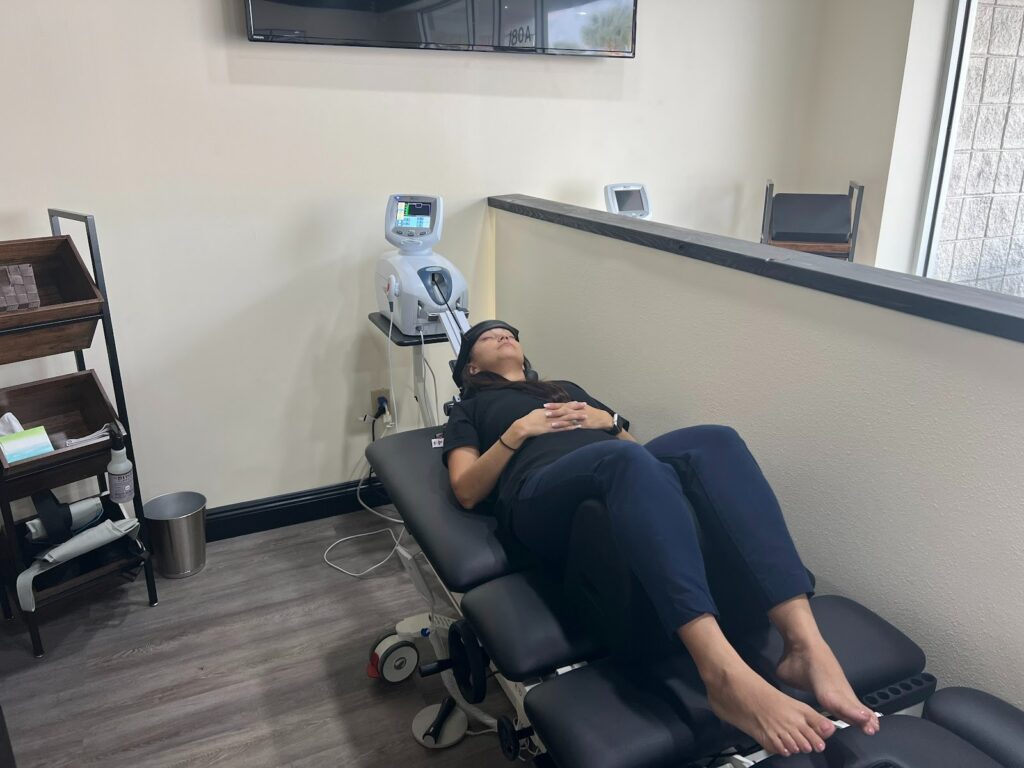
Spinal decompression therapy involves the use of a traction table or a similar motorized device to gently stretch the spine. The goal of this therapy is to create negative pressure within the discs, promoting the retraction or repositioning of the herniated or bulging disc material. This process can help reduce pressure on the affected nerves and improve nutrient and oxygen flow to the discs, facilitating the healing process.
The procedure typically involves the following steps:
- Assessment and Customization: A healthcare provider assesses the patient’s condition and customizes the treatment plan based on the severity of their symptoms and overall health.
- Positioning: The patient is positioned comfortably on the decompression table. Straps or harnesses are used to secure the patient and target the specific area of the spine that requires treatment.
- Decompression: The table gently stretches the spine according to the pre-programmed settings, creating a vacuum effect within the discs. This negative pressure helps retract the herniated disc material and relieve pressure on the affected nerves.
- Relaxation: The decompression cycles between periods of gentle stretching and relaxation, allowing the spine to adjust to the changes gradually.
Benefits of Spinal Decompression
Spinal decompression offers several benefits for individuals suffering from sciatica and disc herniation:
- Pain Relief: By reducing pressure on the sciatic nerve and affected spinal discs, decompression therapy can alleviate pain and discomfort.
- Non-Invasive: Unlike surgical options, spinal decompression is a non-invasive treatment, reducing the risks associated with surgery and the need for extended recovery time.
- Improved Mobility: Patients often experience improved range of motion and flexibility following decompression therapy, making it easier to perform daily activities.
- Enhanced Healing: The increased nutrient and oxygen flow to the discs can promote healing and reduce inflammation.
- Personalized Treatment: Spinal decompression therapy is tailored to each patient’s specific needs, ensuring a targeted approach to treatment.
Connecting the Dots: Sciatica and Disc Herniation
Tackling the challenges of sciatica and disc herniation requires a comprehensive approach that not only addresses the symptoms but also targets the underlying causes. At Chiro Studio in Cocoa, we’re dedicated to providing personalized care plans that integrate the latest treatment modalities with proven traditional techniques. Whether it’s through physical therapy, innovative shockwave therapy, or surgical interventions, our team is committed to helping you regain your quality of life and manage your pain effectively.
For those in Cocoa struggling with the debilitating effects of sciatica and disc herniation, don’t hesitate to reach out. At Chiro Studio, we understand the complexities of spinal health and are here to support your journey to recovery. Contact us today at (321) 431-7470 to schedule a consultation and take the first step towards a more comfortable, active life.