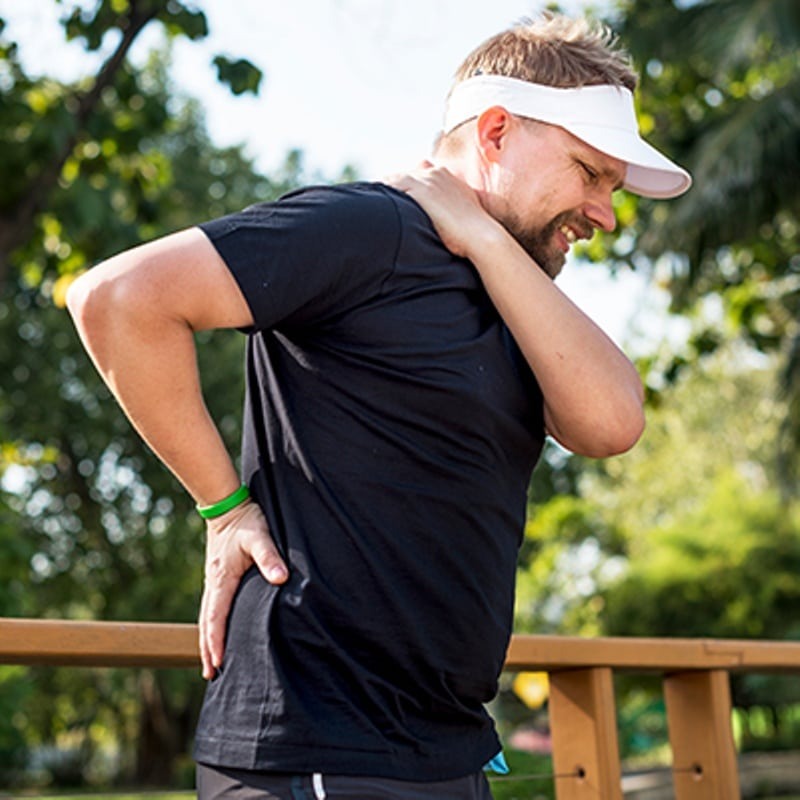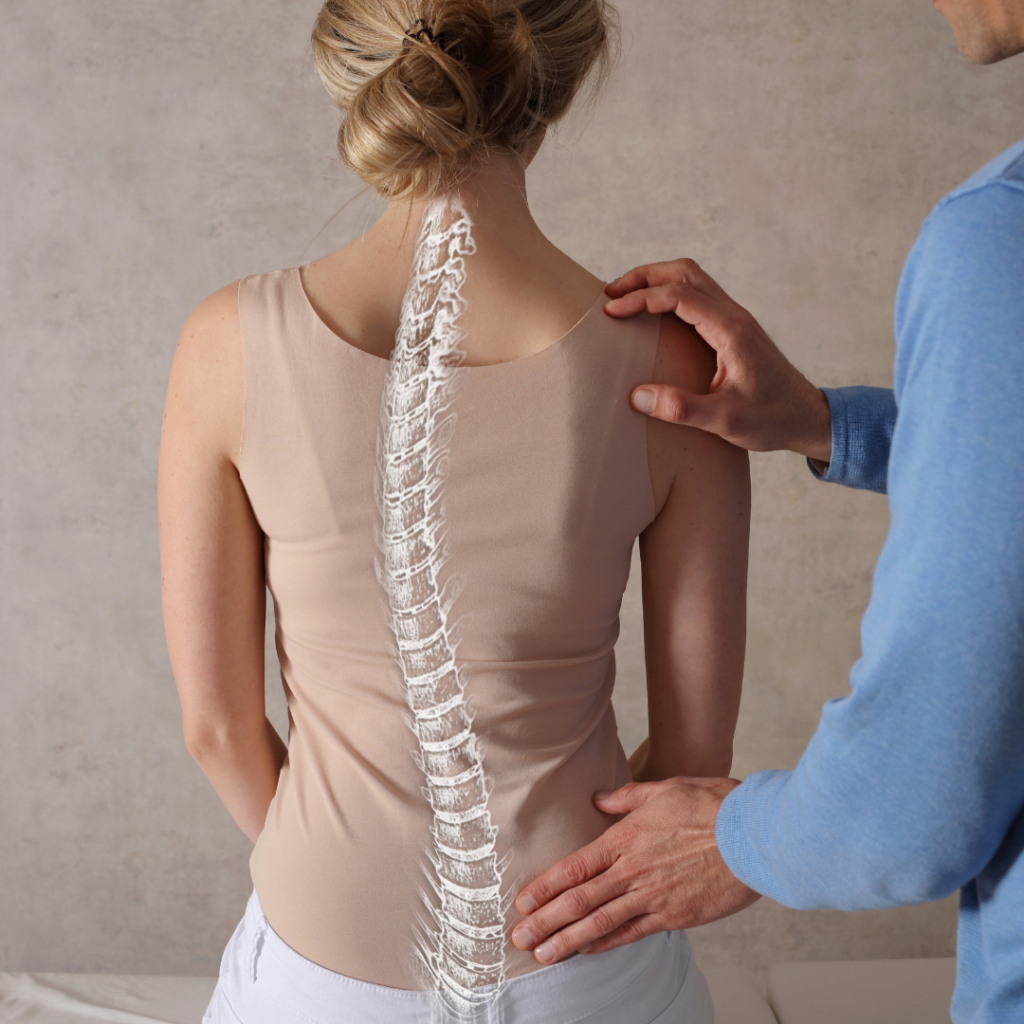
You know that pushing your limits in training is essential, but have you considered how vital recovery is to your performance? It's not just about resting; it's about employing expert techniques that can elevate your athletic game. From optimizing your nutrition and hydration to integrating effective recovery tools, each strategy plays a pivotal role in your overall success. But what if you could also enhance your mental resilience and set a recovery routine that works for you? Let's explore these methods and uncover how they can transform your approach to performance.
Importance of Recovery
Recovery is essential for every athlete, regardless of their sport or skill level. It's not just about taking a break; it's a vital part of your training regimen.
When you push your body to its limits, you create micro-tears in your muscles. Recovery allows those tears to heal, making your muscles stronger and more resilient. Without adequate recovery, you risk injury, fatigue, and burnout.
You may think that more training equals better performance, but that's a common misconception. In reality, overtraining can lead to diminishing returns. You need to give your body the time it needs to repair itself.
This means incorporating rest days into your schedule and listening to your body's signals. If you're feeling fatigued or sore, it's a sign that your body needs a break.
Mental recovery is just as important as physical recovery. Engaging in relaxation techniques, like meditation or gentle yoga, can help clear your mind, reduce stress, and improve your focus when you return to training.
Balancing both physical and mental recovery will enhance your overall performance and well-being.
Nutrition Strategies
When it comes to recovery, your nutrition plays a vital role. Staying hydrated, timing your protein intake, and choosing nutrient-rich foods can greatly enhance your performance and recovery.
Let's explore how these strategies can help you bounce back stronger after workouts.
Hydration Importance
Hydration plays an essential role in athletic recovery, impacting everything from muscle function to overall performance. When you're adequately hydrated, your body can efficiently transport nutrients, regulate temperature, and remove waste products.
Dehydration, on the other hand, can lead to muscle cramps, fatigue, and decreased endurance.
To maximize your recovery, aim to drink fluids before, during, and after your workouts. Water is vital, but don't overlook the benefits of electrolyte-rich drinks, especially after intense sessions. These beverages can help replenish lost minerals and maintain peak hydration levels.
A good rule of thumb is to drink about 16-20 ounces of fluid two hours before exercise and another 8-10 ounces 20-30 minutes prior. During your workout, sip on water or an electrolyte drink, especially if you're exercising for over an hour.
Post-workout, aim for at least 24 ounces of fluid for every pound lost during exercise.
Remember to listen to your body. Thirst isn't the only indicator of hydration needs; monitoring your urine color can also provide insights. Clear or light yellow indicates good hydration, while dark yellow suggests it's time to drink up.
Keep hydration at the forefront of your recovery strategy!
Protein Timing
After addressing hydration, it's time to focus on protein timing, which is essential for optimizing muscle repair and growth.
You want to guarantee you're consuming protein at the right moments to take full advantage of your workouts. Research suggests that the post-exercise window, typically within 30 minutes to two hours, is vital for protein intake. This is when your muscles are primed to absorb nutrients, enhancing recovery.
Aim for a protein-rich snack or meal during this time. A good rule of thumb is to consume around 20-30 grams of high-quality protein, depending on your body weight and workout intensity. You can use sources like whey protein shakes, Greek yogurt, or lean meats to meet this requirement.
Don't forget about pre-workout protein as well. A small protein-rich snack about an hour before your workout can help fuel your muscles and support recovery.
Spreading your protein intake throughout the day, ideally in 3-4 meals or snacks, can also maximize muscle protein synthesis.
Nutrient-Rich Foods
To enhance your athletic recovery, incorporating nutrient-rich foods into your diet is crucial. These foods provide the vitamins, minerals, and macronutrients your body needs to repair muscles, replenish energy stores, and reduce inflammation. Focus on whole, unprocessed options to maximize benefits.
Start with lean proteins like chicken, fish, and legumes. They help rebuild muscle tissue after intense workouts. Pair these with complex carbohydrates such as quinoa, brown rice, and sweet potatoes to restore glycogen levels.
Don't forget healthy fats from sources like avocados, nuts, and olive oil, which support overall cellular repair.
Fruits and vegetables are important too. Berries, oranges, and leafy greens are packed with antioxidants and phytonutrients that combat oxidative stress and inflammation. Aim for a colorful plate to guarantee a wide range of nutrients.
Hydration is key, so include water-rich foods like cucumbers and watermelon, along with plenty of fluids. If you're feeling adventurous, consider smoothies packed with spinach, banana, and Greek yogurt for a quick recovery boost.
Hydration Techniques
Staying properly hydrated is essential for maximizing your athletic recovery. After intense workouts, your body loses fluids, and replacing those fluids is important. It helps regulate body temperature, transport nutrients, and remove waste products. To optimize your hydration, you should aim to drink water consistently throughout the day, not just when you feel thirsty.
First, assess your hydration needs. A general guideline is to drink at least half your body weight in ounces of water daily. For example, if you weigh 160 pounds, aim for 80 ounces of water.
During workouts, try to consume 7-10 ounces of water every 10-20 minutes to keep your hydration levels stable. If you're exercising for more than an hour, consider incorporating an electrolyte drink to replenish lost salts.
To monitor your hydration status, pay attention to your urine color. Light yellow indicates proper hydration, while dark yellow suggests you need to drink more fluids. Additionally, incorporating water-rich foods into your diet, like fruits and vegetables, can enhance your overall hydration.
Don't forget to hydrate post-workout! Replenish lost fluids within 30 minutes after your training session. You can use a combination of water and electrolyte-rich beverages to restore balance effectively.
Sleep and Recovery
Hydration plays a significant role in recovery, but another key factor is getting quality sleep. While you're pushing your physical limits, your body needs downtime to repair and recharge. Sleep is when your muscles recover, your hormones balance, and your energy levels get restored. If you're skimping on sleep, you're undermining your training efforts.
Aim for at least seven to nine hours of sleep each night. This doesn't just mean hitting the pillow early; it's about ensuring you're in a conducive sleep environment. Keep your bedroom cool, dark, and quiet to help you drift off more easily. Consider using blackout curtains and white noise machines if necessary.
Establishing a consistent sleep schedule is crucial too. Going to bed and waking up at the same time daily helps regulate your body's internal clock, improving the quality of your sleep. Avoid screens for at least an hour before bed, as the blue light can interfere with melatonin production, making it harder to fall asleep.
It's also important to listen to your body. If you're feeling unusually fatigued, don't hesitate to take an extra rest day or indulge in a short nap.
Active Recovery Methods
Active recovery methods can make a big difference in your post-workout routine.
Engaging in low-intensity workouts helps keep your body moving while promoting blood flow, and incorporating dynamic stretching techniques can enhance flexibility.
Low-Intensity Workouts
After pushing your limits in intense workouts, it's crucial to dial back and embrace low-intensity workouts as a key part of your recovery routine.
These workouts help flush out lactic acid, improve circulation, and keep your muscles engaged without overexerting them. Incorporating low-intensity sessions can rejuvenate your body and prepare you for your next challenge.
Here are some effective low-intensity workouts to contemplate:
- Walking: A simple walk can stimulate blood flow and promote recovery without stressing your joints.
- Cycling: Light cycling, whether on a stationary bike or outdoors, is great for maintaining cardiovascular fitness.
- Swimming: The buoyancy of water reduces impact, making swimming an excellent way to work your muscles gently.
- Yoga: Engaging in gentle yoga can enhance flexibility, reduce stiffness, and promote relaxation.
Dynamic Stretching Techniques
Dynamic stretching techniques play an essential role in your recovery routine, helping to enhance flexibility and prepare your muscles for the next workout. Unlike static stretches, dynamic stretches involve movement, which increases blood flow and activates your muscles. Incorporating these techniques can lead to improved performance and reduced injury risk.
Start with leg swings to loosen your hip flexors. Stand next to a wall for support and swing one leg forward and backward for 10-15 reps.
Next, try walking lunges. Step forward with one leg, lowering your body until both knees are bent at a 90-degree angle. Alternate legs for about 10 lunges per side.
Another effective method is arm circles. Extend your arms out to the sides and make small circles, gradually increasing the size. Do this for 30 seconds in each direction.
Finally, incorporate torso twists. Stand with your feet shoulder-width apart and twist your upper body side to side, allowing your arms to follow the motion.
Recovery Tools and Gadgets
When it comes to enhancing your recovery, incorporating the right tools and gadgets can make a significant difference. These items not only help you recover faster but also improve your overall performance.
Here are some essential recovery tools to contemplate adding to your routine:
- Foam Rollers: These are great for self-myofascial release, helping to relieve muscle tightness and improve blood flow.
- Compression Gear: Wearing compression socks or sleeves can enhance circulation, reduce swelling, and speed up recovery after intense workouts.
- Massage Guns: These handheld devices help target specific muscle groups, alleviating soreness and promoting relaxation through percussive therapy.
- Cold Therapy Packs: Applying cold packs can reduce inflammation and numb pain, making it an excellent option for post-exercise recovery.
Using these tools regularly can help you bounce back from tough workouts and keep you performing at your best.
Remember to listen to your body; different tools work for different people. Experiment with various gadgets to find what feels right for you.
Incorporating these recovery tools into your regimen won't only enhance your physical recovery but also contribute to long-term athletic success.
Take the time to invest in your recovery, and you'll notice improved performance and less downtime due to injuries.
Mental Recovery Practices
While physical recovery tools play a vital role in getting your body back on track, mental recovery practices are equally important for overall athletic performance. To truly optimize your recovery, you need to give your mind the same attention you give your body.
Start by incorporating mindfulness techniques into your routine. Mindfulness can help you focus on the present moment, reducing anxiety and stress that may linger after a tough competition or training session.
Visualization is another powerful tool. Picture yourself performing at your best, feeling strong and confident. This mental rehearsal can boost your self-belief and help you overcome any psychological barriers. Set aside time each day to visualize your goals, whether they're related to performance or recovery.
Journaling can also be a beneficial practice. Write down your thoughts about your training, recovery, and emotions. This process not only helps in processing your experiences but also provides insights into patterns that may impact your performance.
It's a way to reflect on your journey and celebrate your progress, no matter how small.
Lastly, don't underestimate the power of rest. Give yourself permission to take mental breaks, allowing your mind to recharge. This could mean engaging in hobbies, spending time with loved ones, or simply enjoying quiet moments.
Setting a Recovery Routine
Establishing a recovery routine is essential for optimizing your athletic performance and ensuring your body heals properly after intense training sessions or competitions. A well-structured routine not only helps reduce muscle soreness but also rejuvenates your mind, setting you up for success in future workouts.
Here are some key components to take into account while setting your recovery routine:
- Hydration: Drink plenty of water and take into account electrolyte-rich beverages to replenish lost fluids.
- Nutrition: Prioritize a balanced diet rich in proteins, healthy fats, and carbohydrates to support muscle repair and energy restoration.
- Sleep: Aim for 7-9 hours of quality sleep each night, as this is when your body does most of its healing.
- Active Recovery: Incorporate light exercises like walking, swimming, or yoga to promote blood flow and reduce stiffness.
To effectively implement your routine, schedule it like any other training session. Consistency is key, so find a time that works best for you.
You could also keep a recovery journal to track your progress, noting how different techniques impact your overall well-being. Don't hesitate to adjust your routine based on your body's needs.
Conclusion
Focusing on recovery is just as important as your training. By prioritizing nutrition, hydration, and quality sleep, you can enhance your performance and resilience. Incorporate active recovery methods and utilize recovery tools to keep your body in peak condition. Don't forget the mental aspect; mindfulness practices can help you recharge mentally. By setting a consistent recovery routine, you'll not only bounce back faster but also lay a solid foundation for future success in your athletic journey.