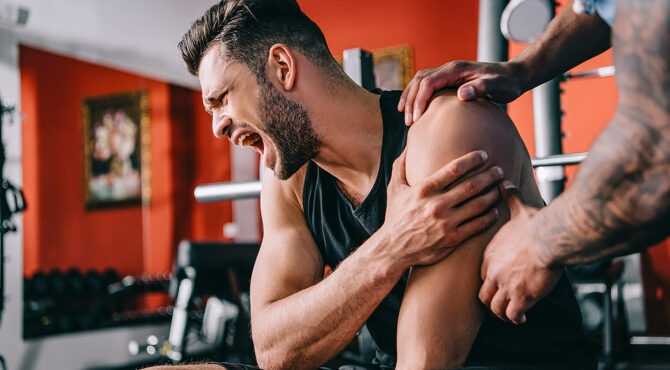
As a local chiropractor, I want to help you understand how to recover from sports injuries naturally. It’s important to take a thoughtful approach that suits your individual needs. First, it’s essential to gain a clear understanding of your injury so you can address it effectively. Prioritizing nutrition, hydration, and rest plays a significant role in your healing process.
Incorporating physical therapy techniques, which I can guide you through, can also enhance your recovery. However, there’s much more we can explore together. Alternative therapies, such as chiropractic adjustments, can help restore proper function and alleviate pain. Additionally, maintaining mental resilience is crucial for a successful recovery.
Together, we can discuss various strategies tailored to your situation, empowering you to support your healing journey and get back to the activities you love.
Understanding Your Injury
Understanding Your Sports Injury from a Chiropractic Perspective
As a local chiropractor, I want to help you understand your sports injury and the healing process involved. When you sustain an injury during physical activity, it’s crucial to recognize the specifics of what’s occurred in your body. Identifying the type of injury—be it a sprain, strain, or fracture—can significantly impact how we approach your recovery.
Paying attention to symptoms such as swelling, pain, or limited mobility not only provides insight into the injury’s severity but also helps us tailor a treatment plan that meets your needs.
Consider the circumstances surrounding your injury. Did it result from improper technique, overexertion, or perhaps a sudden impact? Analyzing these factors is essential, as it allows us to address the root causes and implement preventive measures to avoid future injuries.
If you’re uncertain about the particulars of your injury, don’t hesitate to reach out for a professional assessment. I can provide a thorough evaluation and guide you through a natural healing process, utilizing chiropractic techniques that promote recovery and enhance your overall well-being.
Understanding your injury is a powerful step towards healing. It enables you to set realistic expectations for your recovery timeline and empowers you to make informed decisions about your health as you move forward in your athletic endeavors.
Together, we can work towards restoring your body’s balance and optimizing your physical performance.
The Role of Nutrition in Recovery
As a local chiropractor, I want to emphasize the crucial role nutrition plays in your recovery from sports injuries.
What you choose to eat can significantly influence how quickly and effectively your body heals. Incorporating anti-inflammatory foods into your diet and ensuring you stay properly hydrated are vital steps that can enhance your recovery process.
Let’s take a closer look at how these nutritional components can support your healing journey and complement the chiropractic care you may be receiving.
Anti-inflammatory Foods
As a local chiropractor dedicated to promoting natural healing, I want to share how incorporating anti-inflammatory foods into your diet can significantly support your recovery from sports injuries.
When you focus on foods rich in omega-3 fatty acids, such as salmon, walnuts, and chia seeds, you provide your body with essential nutrients that help reduce inflammation and foster healing.
Additionally, colorful fruits and vegetables like berries, spinach, and kale are loaded with antioxidants that combat inflammation and strengthen your immune system.
Don’t overlook the power of spices like turmeric and ginger, which are known for their potent anti-inflammatory properties. Whole grains, such as brown rice and quinoa, can also be beneficial, offering sustained energy that supports your recovery process.
By prioritizing these anti-inflammatory foods in your diet, you can enhance your body’s natural healing capabilities, allowing you to return to your favorite activities more quickly.
I encourage you to make these dietary changes as part of a holistic approach to recovery, and you’ll likely notice the positive effects as you heal.
Hydration Importance
As a local chiropractor, I want to emphasize the crucial role that hydration plays in your recovery from sports injuries. Many people may not realize that when you’re dehydrated, your body has a harder time healing. Adequate fluid intake is vital for transporting nutrients to the injured areas and for flushing out waste products.
It’s important to drink enough water throughout the day, especially after workouts or if you’re experiencing soreness.
In addition to water, electrolytes are key to recovery. I recommend considering a balanced sports drink or natural options like coconut water to help replenish those essential minerals that can be lost during physical activities.
Don’t forget about hydrating foods! Incorporating fruits and vegetables into your diet can significantly aid your recovery. Foods such as watermelon, oranges, and cucumbers not only keep you hydrated but also provide the necessary vitamins and minerals your body needs to heal effectively.
By prioritizing your hydration, you’ll not only enhance your body’s ability to recover but also help reduce inflammation, allowing you to return to your sport more quickly and with greater strength.
Importance of Rest and Sleep
As a local chiropractor, I want to emphasize the critical role of rest and sleep in your recovery from a sports injury.
When you sustain an injury, your body requires time to heal properly, and this process is significantly enhanced by getting enough restorative sleep.
Prioritizing rest and quality sleep not only aids in tissue repair but also helps reduce inflammation and pain, allowing you to recover more efficiently.
By understanding the importance of these natural healing processes, you can expedite your return to the activities you love.
Healing Through Adequate Rest
As a local chiropractor, I want to emphasize the importance of giving your body the rest it needs, especially after an injury. Many people feel the urge to jump back into their training routines too quickly, but this can hinder your recovery.
Here are three key reasons why prioritizing rest is crucial for your healing process:
- Muscle Repair: When you allow your body to rest, your muscles have the opportunity to rebuild and strengthen. This is essential for restoring your performance levels and ensuring that you can train effectively in the future.
- Injury Prevention: Taking adequate time off reduces the risk of re-injuring yourself. It’s vital to let your body fully recover before diving back into intense physical activities, which can lead to further complications if not addressed.
- Mental Clarity: Rest isn’t only beneficial for your physical health; it also aids in maintaining your mental sharpness. When you’re well-rested, you’re more focused and prepared to engage in your training safely and effectively.
Listen to your body—it has a unique way of signaling what it needs for optimal healing.
At our clinic, we support natural healing processes and encourage a holistic approach to recovery, which includes adequate rest and rehabilitation.
Sleep’s Role in Recovery
As a local chiropractor, I want to emphasize that recovery goes beyond just resting your body; sleep is a crucial component of the healing process. When you sleep, your body engages in essential repair and regeneration. During deep sleep, growth hormones are released, which are vital for healing tissues and muscles that may have been strained or injured during physical activities.
If you’re not getting enough sleep, you may find that your recovery slows down, you become more sensitive to pain, and you might even be at a higher risk for further injuries. It’s recommended to aim for 7-9 hours of quality sleep each night to support your body’s healing capabilities.
To enhance your sleep quality, consider establishing a calming bedtime routine. It’s also beneficial to steer clear of screens before bed and to create a sleep environment that’s dark and cool.
Prioritizing sleep not only aids in your physical recovery but also helps improve your mental focus, which is incredibly important, especially if you’re actively participating in sports or physical activities.
Incorporating Physical Therapy Techniques
As a local chiropractor, I want to share how incorporating physical therapy techniques can significantly enhance your recovery after a sports injury.
These methods not only help relieve pain but also support your mobility and strength, allowing your body to heal naturally.
Here are three effective approaches we can utilize together:
1. Manual Therapy: This hands-on technique is a cornerstone of chiropractic care. By using various methods to manipulate your muscles and joints, we can relieve tension and improve circulation in the affected areas.
This can lead to a more efficient healing process and a return to your favorite activities.
2. Ultrasound Therapy: Utilizing sound waves, this technique is designed to promote tissue healing and reduce inflammation.
It’s particularly beneficial for soft tissue injuries, helping to accelerate your recovery time and restore function.
3. Electrical Stimulation: This method involves using gentle electrical impulses to stimulate your muscles, which can help reduce pain and improve muscle function.
It’s especially useful for those experiencing muscle weakness following an injury, and can play a key role in your rehabilitation.
Utilizing Stretching and Strengthening Exercises
As a local chiropractor, I want to emphasize the importance of stretching and strengthening exercises in your recovery from a sports injury. These exercises are vital not only for restoring your movement but also for preventing future injuries.
Let’s start with gentle stretching. Stretching helps improve flexibility and increases blood flow to the injured area, which can significantly reduce stiffness and promote healing. It’s essential to focus on stretches that target the muscles surrounding your injury, and always ensure you stay within a comfortable range of motion.
Once you feel your flexibility returning, it’s time to gradually incorporate strengthening exercises. Strengthening the muscles around the injured area is crucial for enhancing stability and minimizing the risk of re-injury. You can use resistance bands or your own body weight for these exercises. Just remember to pay close attention to your form to avoid any further strain.
Always listen to your body during this process. If any exercise causes discomfort or pain, it’s important to stop and reassess.
Consistency is key in this journey; by incorporating these exercises into your routine, you won’t only enhance your recovery but also build a stronger foundation for your athletic performance.
I encourage you to take an active role in your healing process, and please feel free to reach out to me with any questions or for guidance on the best exercises tailored to your specific needs.
Exploring Alternative Therapies
As a local chiropractor dedicated to your well-being, I want to emphasize the importance of a comprehensive approach to recovery. While stretching and strengthening exercises are vital, exploring alternative therapies can significantly enhance your healing journey.
These methods complement traditional chiropractic care and contribute to a more holistic recovery experience. Here are three effective options to consider:
- Acupuncture: This time-honored technique involves the insertion of thin needles at specific points on the body. Acupuncture promotes increased blood flow and alleviates pain, making it a valuable addition to your recovery process.
- Massage Therapy: Regular massage sessions can effectively relieve muscle tension, boost circulation, and promote relaxation. All these factors are crucial for your recovery and can work synergistically with chiropractic adjustments.
- Yoga: Integrating gentle yoga into your routine can improve flexibility, reduce stress, and help you reconnect with your body as it heals. It’s a wonderful way to support both physical and emotional well-being during your recovery.
By incorporating these alternative therapies into your recovery plan, you may find the relief and support you need to return to your sport feeling stronger and more resilient.
As your chiropractor, I’m here to guide you on this journey toward optimal health and healing.
Staying Mentally Strong During Recovery
As you embark on your recovery journey, it’s crucial to recognize that maintaining mental strength is just as important as addressing your physical healing. Many individuals experience frustration and setbacks during this process, but cultivating a positive mindset can significantly influence your recovery.
I encourage you to set small, achievable goals to sustain your motivation. Celebrate every milestone, no matter how minor it may appear.
It’s beneficial to surround yourself with supportive friends and family who understand your journey. Their encouragement can be a tremendous source of uplift when you’re feeling down.
Incorporating mindfulness techniques, such as meditation or yoga, can also be effective in managing stress and keeping your focus on healing.
Visualizing your return to your activities can be a powerful tool. Imagine yourself functioning at your best, and let that mental imagery foster your resilience.
Remember, it’s perfectly acceptable to seek professional help if you’re struggling with your mental health. Just as you prioritize care for your body through chiropractic treatments, taking care of your mind is equally vital during this recovery phase.
As your chiropractor, I’m here to guide you on both your physical and mental healing journey.
Gradually Returning to Sports
As your local chiropractor, I want to guide you through the process of gradually returning to sports after an injury. It’s important to take your time and not rush back into activities, as doing so can lead to setbacks in your recovery.
Here’s a step-by-step approach to help you ease back into your routine safely:
- Start with Low-Impact Activities: Begin with exercises that are gentle on your body and promote healing. Swimming or cycling are excellent choices, as they allow you to maintain your fitness levels while minimizing stress on the affected area.
- Incorporate Strength Training: As you progress, it’s crucial to focus on rebuilding strength in the injured area. I recommend using resistance bands or light weights to enhance stability and support, which is vital for preventing future injuries.
- Listen to Your Body: Your body will provide you with signals about how it’s handling the increased activity. If you experience any discomfort, it’s important to stop and reassess. Understanding the difference between normal soreness from exercise and actual pain is key to a successful recovery.
By following these steps and working closely with your chiropractor, you can ensure a safe and effective return to your sports activities.
Preventing Future Injuries
As a local chiropractor, I want to emphasize the importance of preventing future injuries for anyone, whether you’re a seasoned athlete or simply enjoy staying active. One of the key components of injury prevention is establishing a solid warm-up routine before any physical activity. This not only prepares your muscles and joints but also enhances your overall performance.
In addition to warming up, strength training plays a crucial role in maintaining your body’s stability and flexibility. Focusing on core strength can significantly support your movements and help you avoid injuries.
It’s also essential to listen to your body—if you’re experiencing fatigue or discomfort, it’s important to take a step back rather than pushing through the pain.
Regularly checking your equipment, such as shoes and other gear, is another vital step. Worn-out items can contribute to injuries, so make sure you’re using the right gear for your activities.
Don’t underestimate the power of rest days in your training schedule. Recovery is just as critical as the workouts themselves. Your body needs time to heal and adapt, which can ultimately enhance your performance.
Lastly, I highly recommend considering a consultation with a chiropractor or a trained coach. We can help ensure that your techniques are correct and efficient, reducing the risk of injury.
Conclusion
As a local chiropractor, I want to share some valuable insights on how you can recover from sports injuries naturally. Incorporating natural recovery strategies can significantly improve your healing process. Focusing on proper nutrition, staying hydrated, and ensuring adequate rest are fundamental steps. Additionally, gentle exercises can help maintain mobility, while alternative therapies can complement your recovery journey.
It’s essential to remember that your mental strength plays a crucial role as well. Setting achievable goals can keep you motivated throughout the healing process. As you begin to return to your sport, keep these practices in mind not just for recovery, but also to help prevent future injuries and support your overall well-being. By embracing a holistic approach to healing, you can strengthen your body and enhance your performance in the long run. If you have any questions about how chiropractic care can aid your recovery, feel free to ask!