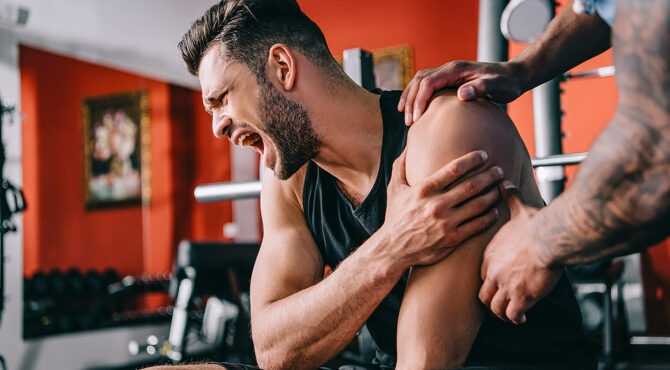
As a local chiropractor, I want to help you understand how to manage sports-related back pain naturally. It’s essential to recognize the underlying causes of your discomfort and explore effective ways to address them. You may be surprised to find that making simple adjustments to your posture and incorporating targeted exercises can lead to significant improvements in your condition.
My goal is to equip you with practical strategies that not only alleviate your current pain but also help prevent future injuries. Through chiropractic care, we can work together to identify the specific issues affecting your back and develop a personalized plan that promotes healing and enhances your overall performance. Let’s take a closer look at some effective techniques that can support your recovery journey and keep you active in your favorite sports.
Understanding the Causes of Sports-Related Back Pain
As a local chiropractor, I want to help you understand the common causes of back pain related to sports, so you can take proactive steps to prevent it. One of the leading contributors to back pain is poor posture. Whether you’re running, lifting weights, or participating in a team sport, maintaining proper body alignment is crucial. When your posture is off, it can create unnecessary strain on your back muscles, leading to discomfort.
Another significant factor to consider is overuse injuries. Many athletes push their bodies beyond their limits, often neglecting the importance of proper recovery. This can result in muscle fatigue and injury. Additionally, skipping warm-up routines can leave your muscles tight and more susceptible to injury during physical activity.
Muscle imbalances are also a key issue. If certain muscles are stronger than others, they can pull your spine out of alignment, leading to pain and dysfunction.
Lastly, using improper equipment—such as worn-out shoes or gear that doesn’t fit correctly—can worsen back problems.
By understanding these causes, you can take proactive measures to protect your back and enhance your athletic performance. As a chiropractor, I’m here to guide you on your journey to better spinal health and overall well-being through natural healing methods.
Let’s work together to keep you active and pain-free!
Effective Stretching and Strengthening Exercises
As a local chiropractor, I want to emphasize the importance of incorporating effective stretching and strengthening exercises into your routine to help prevent sports-related back pain.
It’s essential to focus on stretches that specifically target your lower back, hamstrings, and hip flexors. Simple movements like the cat-cow stretch and child’s pose can significantly enhance your flexibility and alleviate tension in these areas.
In addition to stretching, strengthening exercises are crucial for maintaining a healthy spine. I recommend exercises such as planks, bridges, and bird-dogs.
These activities are excellent for building core stability, which provides essential support to your spine during various physical activities. For optimal results, aim to perform these exercises at least three times a week.
By integrating these practices into your lifestyle, you can’t only reduce your risk of back pain but also promote overall wellness.
If you have any questions or need further guidance on how to get started, feel free to reach out during your next visit!
The Role of Proper Posture and Mechanics
As your local chiropractor, I want to emphasize the importance of proper posture and mechanics in preventing back pain, especially during sports activities.
While effective stretching and strengthening exercises are crucial for a healthy back, the way you hold your body and move plays a significant role as well.
When you participate in any physical activity, maintaining an upright and aligned posture is essential. It helps distribute your body weight evenly, which in turn reduces unnecessary strain on your spine and surrounding muscles. This is something I often discuss with my patients, as good posture can make a world of difference in how your body feels during and after exercise.
I encourage you to pay close attention to your body mechanics, particularly when lifting, bending, or twisting. Always use your legs to lift instead of straining your back, and keep your core muscles engaged for added support.
Additionally, be mindful of your technique in sports; improper form can lead to injuries and discomfort that may require chiropractic care to address.
Practicing good posture not only enhances your performance but also minimizes the risk of overuse injuries. By prioritizing proper mechanics, you’re setting yourself up for success—allowing you to enjoy your favorite sports without the burden of back pain.
Utilizing Heat and Cold Therapy
As a local chiropractor, I want to share some valuable insights into managing back pain through the natural methods of heat and cold therapy. Many athletes and individuals alike have found significant relief by incorporating these techniques into their routines.
Heat therapy, which includes options like warm towels or heating pads, is beneficial for relaxing tight muscles and enhancing blood circulation. This increased blood flow is crucial for healing. To properly utilize heat therapy, apply it for about 15-20 minutes. Just make sure that the heat source is warm and comfortable, avoiding temperatures that could cause burns.
Conversely, cold therapy—using ice packs or cold compresses—can be highly effective for reducing inflammation and numbing sharp pain. I recommend using ice for 10-15 minutes, especially after engaging in intense physical activity or following an injury, as it helps to minimize swelling.
For optimal results, consider alternating between heat and cold therapy. This combination can significantly enhance your recovery process. It’s essential to listen to your body; if one method seems to provide more relief, feel free to prioritize that approach.
Remember, if your pain persists or worsens, it’s always a good idea to consult with a healthcare professional.
Exploring Alternative Treatments and Therapies
As a local chiropractor, I want to share some valuable insights for those struggling with sports-related back pain. If you’re seeking relief, exploring alternative treatments could be a game-changer for you.
Chiropractic care, along with therapies like acupuncture and the use of herbal remedies, can provide unique benefits tailored to your needs. Chiropractic adjustments focus on realigning the spine, which can alleviate pain and improve your overall function.
These adjustments help restore proper movement and can enhance your athletic performance. Additionally, incorporating acupuncture may help reduce inflammation and promote healing, while herbal remedies can support your body’s natural recovery processes.
I invite you to learn more about how these therapies can work together to help you find the relief you deserve. Your journey towards a pain-free life may just begin with a conversation about chiropractic care and natural healing options.
Acupuncture for Pain Relief
As a local chiropractor, I want to share an effective approach to managing back pain that goes beyond traditional treatments like medication and physical therapy.
One alternative worth considering is acupuncture, an ancient practice that works with your body’s natural healing processes.
During an acupuncture session, thin needles are strategically inserted into specific points on your body. This process promotes energy flow, which can help reduce pain and address the underlying causes of discomfort rather than merely masking symptoms.
Many athletes have turned to acupuncture for relief, as it can lead to benefits such as reduced inflammation, improved circulation, and enhanced flexibility.
Typically, acupuncture sessions last between 30 to 60 minutes, and many patients notice positive results after just a few treatments.
If you’re seeking a holistic and natural approach to managing your sports-related back pain, I encourage you to consider acupuncture as part of your care plan.
It could be the solution you’ve been looking for to help you feel better and perform at your best.
Chiropractic Adjustments Benefits
As a local chiropractor, I want to share how chiropractic adjustments can be a powerful tool for anyone dealing with back pain, especially for athletes. While acupuncture can be beneficial for pain management, chiropractic care focuses on realigning your spine and enhancing joint function, which addresses the root causes of discomfort.
Many of my patients notice a significant reduction in pain and an improvement in mobility after just a few sessions.
In my practice, I use various techniques, such as spinal manipulation and soft tissue therapy, which are tailored to meet your individual needs. This hands-on approach not only helps alleviate pain but also contributes to your overall well-being, ultimately enhancing your athletic performance.
Moreover, regular chiropractic adjustments can play a crucial role in preventing future injuries by ensuring that your body maintains proper alignment and function.
By committing to your chiropractic care, you can lead a more active lifestyle, allowing you to stay engaged in your favorite activities without the burden of persistent back pain.
I’m here to help you understand the benefits of chiropractic care and support you on your journey to better health.
Herbal Remedies Overview
As a local chiropractor, I often see patients seeking relief from sports-related back pain. One approach I recommend is exploring herbal remedies, which can provide a natural and effective solution for many individuals.
For instance, turmeric is a powerful herb known for its anti-inflammatory properties, making it a popular choice among athletes. Another option is devil’s claw, which has been shown to help alleviate pain. Ginger is also worth considering, as it can enhance circulation and reduce discomfort.
Incorporating topical solutions made from these herbs can offer targeted relief directly to the affected area. Additionally, valerian root is beneficial for promoting muscle relaxation and improving sleep quality, both of which are crucial for recovery from injuries.
However, it’s essential to consult with a healthcare professional before starting any herbal regimen, as these remedies can interact with other medications you may be taking.
Tips for Injury Prevention and Maintenance
As a local chiropractor, I want to emphasize the importance of maintaining a healthy back while engaging in sports activities. Injury prevention and maintenance are crucial for your overall well-being. One of the first steps you can take is to incorporate proper warm-up techniques before you start any physical activity. This helps prepare your muscles and joints for the strain ahead.
Additionally, focusing on strengthening your core muscles is vital. A strong core provides stability and support to your spine, reducing the likelihood of injuries.
I also recommend incorporating a regular stretching and flexibility routine into your regimen. This not only improves your range of motion but also helps alleviate tension in your muscles.
By adopting these strategies, you can stay active, enjoy your favorite sports, and significantly reduce your risk of experiencing pain or injury.
Proper Warm-Up Techniques
As a local chiropractor, I often see many athletes who underestimate the significance of warming up before engaging in physical activity. It’s crucial to understand that incorporating proper warm-up techniques can significantly lower your risk of experiencing sports-related back pain.
Start your warm-up with a gentle 5-10 minutes of light aerobic activity. This helps to increase blood flow to your muscles, preparing them for more intense movements. Following this, I recommend dynamic stretches specifically targeting your back, hips, and legs. Exercises like leg swings and torso twists can be particularly beneficial.
It’s also important to focus on movements that closely mimic the actions of your sport. This not only prepares your body for the specific demands of the activity but also helps to enhance your overall performance. While stretching, pay close attention to your form—avoid bouncing, as this can put unnecessary strain on your muscles.
Additionally, consider adding mobility exercises to your routine. These exercises can improve your flexibility and stability, further reducing your risk of injury.
By dedicating this time to a proper warm-up, you’re not just preparing for a workout—you’re investing in your health and well-being. A thorough warm-up sets the stage for a safer, more enjoyable sports experience, allowing you to perform at your best while minimizing the chance of injury.
Strengthening Core Muscles
As a local chiropractor, I want to emphasize the importance of strengthening your core muscles for both injury prevention and overall stability. A robust core is essential for supporting your spine, improving your balance, and enhancing your performance in various physical activities.
I recommend incorporating exercises like planks, bridges, and Russian twists into your fitness routine. Aim for at least three sessions each week, and remember that focusing on proper form is more beneficial than rushing through your workouts.
Additionally, consider integrating functional movements that replicate the actions you perform in your favorite sports. This approach will engage your core muscles more effectively and help you develop strength that translates to better performance.
Don’t overlook the value of core variations like side planks or medicine ball exercises, which can further challenge your muscles.
It’s also crucial to listen to your body. If you feel any discomfort while exercising, don’t hesitate to adjust your routine.
Stretching and Flexibility Routine
As a local chiropractor, I want to emphasize the importance of incorporating a consistent stretching and flexibility routine into your daily life. This practice can significantly lower your risk of injury and improve your overall performance in daily activities.
I recommend starting with dynamic stretches before any physical activity to warm up your muscles and enhance your mobility. Pay particular attention to areas that often become tight, such as your lower back, hamstrings, and hip flexors.
After your workouts, it’s beneficial to switch to static stretching. This not only aids in recovery but also helps increase your flexibility. Hold each stretch for 15-30 seconds while taking deep breaths to help your muscles relax.
Additionally, consider integrating yoga or Pilates into your routine, as these practices provide a comprehensive approach to flexibility and overall wellness.
Remember, consistency is crucial; aim to incorporate stretching at least three to four days a week. By making flexibility a priority, you’ll be supporting your body in maintaining optimal function and reducing the likelihood of experiencing back pain.
Embracing these natural healing methods can significantly enhance your well-being.
Conclusion
As a local chiropractor, I want to help you understand how to effectively manage sports-related back pain using natural methods. First, it’s essential to recognize the common causes of this discomfort. By integrating effective stretching and strengthening exercises into your daily routine, along with maintaining proper posture, you can significantly reduce your pain.
I also encourage you to explore the benefits of heat and cold therapy, as well as alternative treatments, which can greatly enhance your recovery process. Remember, preventing injuries is crucial. It’s important to stay consistent with your routine and pay attention to what your body is telling you.
By adopting these strategies, you won’t just alleviate your pain; you’ll also pave the way for a healthier and more active lifestyle in your sports activities. If you have any questions or need guidance on specific exercises, feel free to reach out. I’m here to support you on your journey to better health!