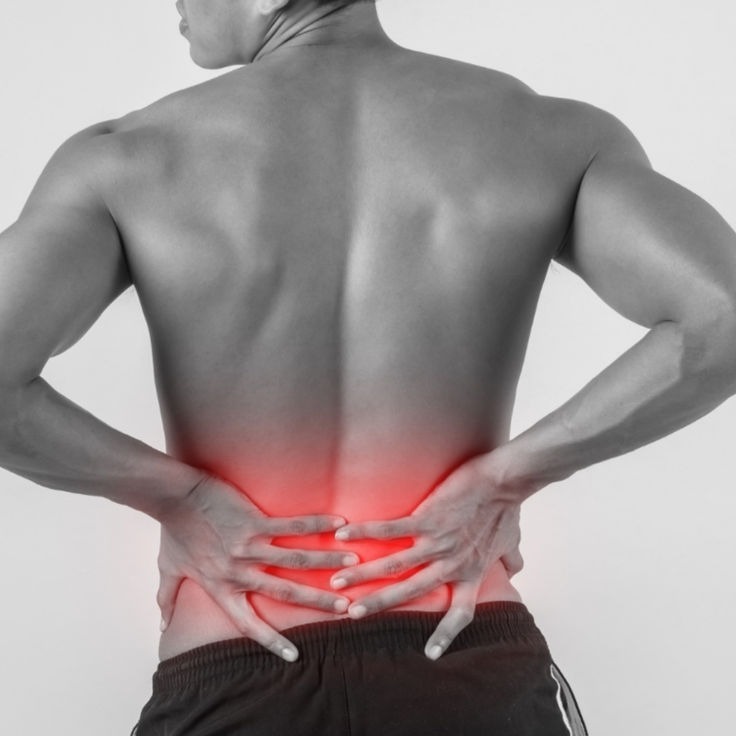
When you face a sports injury, knowing where to turn for effective relief can be overwhelming. You might wonder about the best strategies for recovery and how to prevent future setbacks. Early intervention plays a pivotal role, and understanding your options is crucial for a successful comeback. From physical therapy techniques to innovative treatment options, the right approach can make all the difference. But what specific steps should you take to guarantee your healing process is both effective and sustainable? Exploring these solutions can guide you toward a healthier, more active lifestyle.
Understanding Sports Injuries
When you engage in sports, understanding sports injuries is essential for both prevention and recovery. Sports injuries can occur in various forms, including strains, sprains, fractures, and overuse injuries. Each type has its own causes and implications, making it vital for you to recognize the signs early on.
Strains often result from overstretching or tearing muscles, while sprains involve ligaments. Knowing the difference helps you identify the right course of action.
Common factors that contribute to sports injuries include improper warm-ups, inadequate conditioning, and lack of proper technique. If you skip warm-ups or push your body too hard without training, you increase your risk of getting hurt.
Make sure to incorporate strength and flexibility exercises into your routine; these can enhance your performance and protect you from injuries.
It's also important to listen to your body. If you feel persistent pain or discomfort, don't ignore it. Early recognition of symptoms can prevent minor problems from escalating into severe injuries.
Pay attention to any unusual sensations, like swelling or bruising, and take those signals seriously.
Additionally, consider the equipment you use. Proper footwear and protective gear can greatly reduce the likelihood of injuries.
Always assess the surface you're playing on, as uneven or hard surfaces can lead to accidents.
Importance of Early Intervention
Recognizing the signs of a sports injury early can make all the difference in your recovery process. When you notice pain, swelling, or limited mobility, it's vital to take these symptoms seriously. Ignoring them or pushing through can lead to more severe issues and longer recovery times.
Early intervention allows for timely treatment that can greatly reduce the risk of chronic problems down the line. Acting quickly means you can address the injury before it worsens. Whether it's a sprain, strain, or something more serious, getting a professional evaluation can help identify the right course of action.
You'll likely benefit from a proper diagnosis, which is essential for tailoring your treatment effectively. The sooner you receive care, the sooner you can return to the activities you love.
Moreover, early intervention often leads to better outcomes. The longer you wait, the more likely you're to alter your movements to avoid pain. This can place additional stress on other areas of your body, potentially leading to further injuries.
Physical Therapy Techniques
When dealing with sports injuries, you'll find that physical therapy techniques play an essential role in your recovery.
Manual therapy approaches, exercise rehabilitation programs, and modalities for pain relief can all help you regain strength and mobility.
Let's explore how these methods can support your healing journey.
Manual Therapy Approaches
Manual therapy approaches in physical therapy are essential tools for treating sports injuries effectively. These hands-on techniques help you relieve pain, improve mobility, and restore function. When you visit a physical therapist, they may use methods like joint mobilization, soft tissue manipulation, or myofascial release to target specific areas of discomfort.
By applying controlled pressure, your therapist can help ease muscle tension and increase blood flow, promoting healing. You might find that techniques like deep tissue massage not only alleviate soreness but also encourage relaxation, which is vital for recovery.
Your therapist will assess your condition and tailor the approach to your unique needs, ensuring you receive the best care possible. Incorporating manual therapy can also enhance your overall physical performance by improving flexibility and range of motion.
As you recover from your injury, you'll likely notice that these techniques contribute to a more substantial and sustainable return to your sport. Overall, manual therapy is a key component of your rehabilitation journey, helping you regain strength and confidence as you work towards getting back in the game.
Embrace these approaches, and you'll be on the path to a quicker recovery.
Exercise Rehabilitation Programs
Injuries can leave athletes feeling frustrated and uncertain about their return to the game, but exercise rehabilitation programs offer a structured path to recovery. These programs focus on strengthening your body, improving flexibility, and enhancing your overall performance while guaranteeing you heal properly.
You'll engage in targeted exercises that not only address the injury but also build resilience. Picture yourself:
- Performing controlled movements that gradually increase in intensity, restoring your strength.
- Engaging in stretching routines that enhance flexibility, allowing your muscles and joints to regain their full range of motion.
- Completing functional exercises that mimic your sport's demands, preparing you for a confident return to play.
Through personalized guidance, your therapist will help you track your progress and adjust your program as needed. This tailored approach guarantees you're not just recovering but also optimizing your physical capabilities.
With dedication and the right support, you'll regain the confidence to return to your sport stronger than ever. Embrace the journey of exercise rehabilitation, and soon you'll be back on the field, court, or track, ready to perform at your best.
Modalities for Pain Relief
After you've commenced your exercise rehabilitation journey, addressing pain is the next step toward full recovery. Various modalities can help alleviate discomfort and enhance your healing process. Physical therapists often utilize these techniques tailored to your specific needs.
One effective method is ice therapy. Applying ice can reduce inflammation and numb soreness, especially after intense workouts.
Heat therapy, on the other hand, increases blood flow, promoting healing in stiff or tense muscles. You might also explore electrical stimulation, which uses small currents to relieve pain and stimulate muscle contractions.
Ultrasound therapy is another option. It employs sound waves to penetrate deep tissue, aiding in pain relief and tissue repair.
Additionally, manual therapy techniques, like massage, can improve circulation and flexibility while decreasing muscle tension.
Don't overlook the role of therapeutic exercises. They not only strengthen the injured area but also help manage pain.
As you work with your physical therapist, they'll guide you through these modalities, ensuring you find the most effective combination for your recovery.
Rehabilitation Strategies
When it comes to recovering from sports injuries, effective rehabilitation strategies are vital for regaining strength and mobility.
You'll want to focus on a tailored approach that addresses your specific injury and needs. This process often involves a combination of physical therapy, strength training, and flexibility exercises.
Here are three key strategies to take into account:
– Physical Therapy: Engaging with a licensed physical therapist can guide you through targeted exercises that promote healing and restore function.
They'll assess your injury and create a personalized program that progresses at a safe pace.
– Strength Training: Once you've regained some mobility, incorporating strength training can help rebuild muscle.
Focus on low-impact resistance exercises that won't put undue stress on your injury while still promoting recovery.
– Flexibility and Mobility Exercises: Stretching is essential for maintaining joint function and preventing future injuries.
Regularly incorporating mobility exercises can enhance your range of motion and improve overall performance.
Innovative Treatment Options
When it comes to recovering from sports injuries, you'll want to explore cutting-edge therapies that are transforming treatment.
Personalized rehabilitation plans can also play an essential role in tailoring your recovery to fit your specific needs.
Let's look at how these innovative options can help you get back in the game faster and stronger.
Cutting-Edge Therapies
Harnessing the latest advancements in medical science, cutting-edge therapies are revolutionizing the way sports injuries are treated.
You're no longer confined to traditional methods; now, you can explore innovative options that target your unique needs and enhance recovery.
- Platelet-Rich Plasma (PRP) Therapy: This technique involves drawing your blood, processing it to concentrate the platelets, and injecting it back into your injury site, promoting healing at a cellular level.
- Stem Cell Therapy: By utilizing your body's own stem cells, this treatment aims to regenerate damaged tissues, offering hope for injuries that were once deemed chronic or untreatable.
- Cryotherapy: This method exposes your body to extremely cold temperatures to reduce inflammation and pain, allowing you to bounce back faster from injuries.
These therapies not only address immediate pain but also work to heal the underlying issues.
With each breakthrough, you're closer to getting back in the game.
Don't let injuries hold you back—embrace these cutting-edge options and accelerate your recovery journey.
Personalized Rehabilitation Plans
Creating personalized rehabilitation plans is vital for effective recovery from sports injuries. You need a tailored approach that addresses your specific injury, goals, and lifestyle. One size doesn't fit all when it comes to recovery. By evaluating your injury and understanding your unique circumstances, healthcare professionals can design a plan that maximizes your healing process.
First, your rehabilitation plan should incorporate targeted exercises. These exercises will help regain strength, flexibility, and functionality specific to your sport. Including functional movements can also prepare you for the demands of your activity.
Next, consider integrating modalities such as physical therapy, massage, or aquatherapy, depending on your needs. These treatments can alleviate pain and promote healing.
Additionally, it's important to set realistic milestones. Tracking your progress keeps you motivated and allows adjustments to your plan as you improve.
Don't forget about the psychological aspect of recovery. Incorporating mental wellness strategies can enhance your overall experience and resilience.
Role of Nutrition in Recovery
Nutrition's essential role in recovery can't be overstated. When you're healing from a sports injury, what you eat can greatly impact your body's ability to repair itself. Proper nutrition not only fuels your recovery but also reduces inflammation and promotes tissue healing. You mightn't realize it, but the right nutrients can make a world of difference in how quickly you bounce back.
Focus on incorporating these key components into your diet:
- Lean proteins: Foods like chicken, fish, and legumes help rebuild muscles and tissues.
- Healthy fats: Avocados, nuts, and olive oil can reduce inflammation and support overall health.
- Vibrant fruits and vegetables: Rich in antioxidants, they combat oxidative stress and enhance your immune function.
Hydration is also essential. Water aids in nutrient transportation and keeps your joints lubricated, which is crucial during recovery. Aim for a balanced diet that includes a variety of food groups, as this guarantees you're getting all the necessary vitamins and minerals for effective healing.
Don't forget about timing, either. Consuming a mix of protein and carbs soon after your injury or workout can kick-start the recovery process.
You'll want to listen to your body and adjust your intake based on how you're feeling. By prioritizing nutrition during your recovery, you'll equip your body with the tools it needs to heal effectively and get you back on the field or court faster.
Preventive Measures for Athletes
To stay injury-free, athletes need to take proactive steps in their training and lifestyle. First, always warm up properly before diving into intense workouts or competitions. A good warm-up increases blood flow to your muscles, enhancing flexibility and reducing the risk of strains.
Similarly, cooling down after activities helps your body adapt and recover.
Next, pay close attention to your body's signals. If you feel pain or discomfort, don't ignore it. Taking the time to rest and address minor issues can prevent larger injuries down the road.
Incorporate strength training into your routine, focusing on the muscles most used in your sport. This builds resilience and support for your joints, making you less prone to injuries.
Cross-training is another effective preventive measure. By engaging in different sports or exercises, you can balance muscle development and reduce repetitive strain on specific body parts.
Additionally, invest in proper footwear and gear suited for your activity; the right equipment can greatly lower your injury risk.
Lastly, prioritize recovery. Adequate sleep, hydration, and nutrition play vital roles in your overall performance and injury prevention.
A well-rounded diet rich in vitamins and minerals supports muscle repair and immune function, keeping you ready for action.
Psychological Aspects of Healing
When you face a sports injury, your mental state can greatly impact your recovery.
Developing mental resilience techniques and learning to cope with pain are essential for healing effectively.
Mental Resilience Techniques
How can mental resilience techniques transform your recovery journey after a sports injury? By building mental toughness, you can navigate the emotional ups and downs that often accompany healing. This resilience not only helps you cope with setbacks but also empowers you to stay committed to your recovery goals.
Here are three mental resilience techniques you can incorporate:
- Visualization: Picture yourself performing at your best, fully recovered. This mental imagery can boost your confidence and motivation, helping you to focus on the positive outcomes of your hard work.
- Mindfulness: Engage in mindfulness practices to stay present. By concentrating on the here and now, you can reduce anxiety about the future and enhance your overall well-being.
- Positive Self-Talk: Replace negative thoughts with encouraging affirmations. Remind yourself of your strengths and past achievements to foster a more optimistic outlook.
Incorporating these techniques into your routine can greatly enhance your mental strength, making your recovery process smoother and more effective.
Coping With Pain
Often, coping with pain during your recovery from a sports injury can feel overwhelming. It's essential to recognize that pain isn't just physical; it can take a toll on your mental well-being as well. You might find yourself feeling frustrated, anxious, or even depressed. Acknowledging these feelings is the first step toward healing.
To manage this emotional stress, focus on staying present. Mindfulness techniques can help you reduce anxiety by grounding you in the moment. Simple breathing exercises or meditation can also provide a sense of calm, making it easier to cope with discomfort.
Don't hesitate to lean on your support system. Talk to friends, family, or teammates about your feelings. Sharing your experiences can greatly lighten the emotional burden you carry. Additionally, consider consulting a mental health professional who specializes in sports injuries; they can offer tailored strategies to help you navigate your recovery.
Lastly, set achievable goals for yourself. Celebrate small victories along the way, as these can boost your mood and motivation. Remember, healing is a journey, and each step forward counts, no matter how small.
When to Seek Professional Help
Knowing when to seek professional help for a sports injury can make all the difference in your recovery. If you're unsure about the severity of your injury, it's vital to pay attention to your body's signals. Ignoring these signals can lead to long-term issues, so don't hesitate to reach out for help if you notice any of the following:
- Persistent Pain: If you feel pain that doesn't subside after a few days, it's a sign that something might be wrong.
- Swelling or Bruising: Noticeable swelling or bruising that doesn't improve can indicate a more serious injury that needs medical attention.
- Loss of Mobility: If you find it difficult to move the affected area or experience weakness, professional evaluation is essential.
Consulting with a healthcare professional can provide clarity on your injury and guide you through the necessary steps for recovery.
They can evaluate your condition, recommend appropriate treatment options, and help you develop a plan to get you back on track.
Long-term Management of Injuries
Managing a sports injury doesn't end with the initial treatment; it requires a long-term commitment to recovery and prevention. You need to develop a thorough plan that focuses on rehabilitation, strength training, and gradual return to activity. This means staying consistent with your exercises and following your healthcare provider's recommendations.
Start by setting realistic goals. You might want to regain full mobility, reduce pain, or improve strength in the affected area. Whatever your objectives, track your progress to stay motivated. Incorporate physical therapy if needed—therapists can help you with tailored exercises that promote healing and prevent re-injury.
Don't ignore the importance of cross-training. Engaging in alternative activities can keep you fit without putting excess strain on your injured area. Swimming, cycling, or yoga can maintain your overall fitness while allowing your injury to heal.
Nutrition plays a vital role, too. Eating a balanced diet rich in vitamins and minerals will support your body's healing process. Stay hydrated and consider supplements if recommended by your healthcare provider.
Lastly, listen to your body. If you experience pain or discomfort, don't push through it. Communicate any concerns to your healthcare team to adjust your recovery plan accordingly.
Conclusion
To sum up, finding relief from sports injuries requires a proactive approach. By recognizing symptoms early and seeking professional help, you can guarantee a tailored recovery plan. Embrace physical therapy techniques, innovative treatments, and preventive measures to enhance your healing process. Remember, addressing the psychological aspects of recovery is equally important. Stay committed to your rehabilitation, and you'll not only recover but also build resilience for future challenges. Your journey to a healthier, more active lifestyle starts now!