When you face a sports injury, understanding the range of treatment options can greatly impact your recovery journey. You might start with traditional methods like the R.I.C.E. protocol or explore physical therapy techniques aimed at restoring functionality. However, the landscape of treatment is broad, extending to alternative therapies and even surgical interventions in more serious cases. Each option offers unique benefits, but knowing which route to take can be challenging. What if there's a lesser-known method that could enhance your recovery and performance?
Understanding Sports Injuries
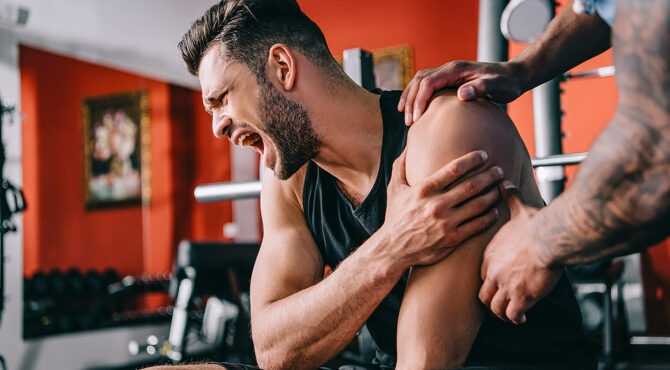
Sports injuries are common occurrences that can sideline athletes of all levels. Whether you're a weekend warrior or a professional athlete, understanding the nature of these injuries is vital for both prevention and recovery. Injuries can result from various factors, including improper technique, overtraining, or inadequate conditioning. Recognizing the signs of an injury early on is important to avoid further complications.
You might experience sprains, strains, fractures, or tendonitis, each affecting different parts of your body. Sprains and strains are the most prevalent, often resulting from sudden twists or impacts. Fractures, on the other hand, usually occur due to intense stress on bones, while tendonitis involves inflammation of the tendons, often caused by repetitive motion. Identifying what type of injury you're dealing with can help you seek appropriate support.
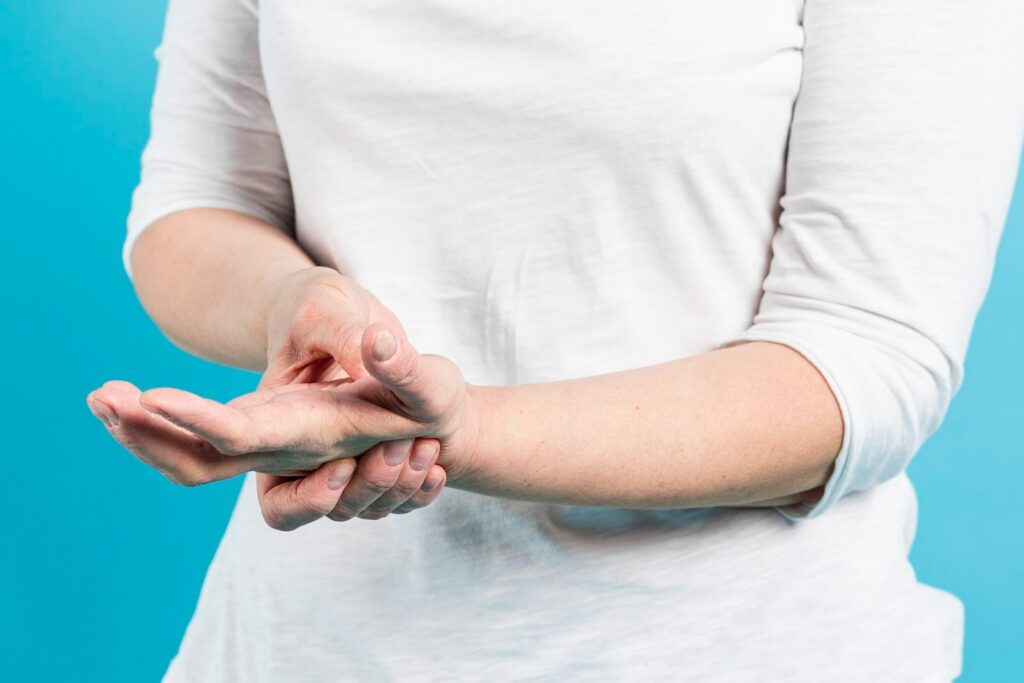
Pay attention to symptoms like swelling, pain, and decreased range of motion. These signals indicate that something isn't right and should be addressed promptly. Ignoring them might lead to chronic issues, forcing you to sit out longer than necessary.
It's also important to recognize that recovery isn't just about healing the injury itself. You need to take into account your overall fitness and mental state. Staying engaged with your sport, even in a modified capacity, can keep your spirits high.
Understanding the mechanics of your body and the risks involved can empower you to make smarter choices, keeping you on the field for longer.
Traditional Treatment Methods
When you get injured, knowing the right treatment methods can make all the difference in your recovery. Traditional treatment methods have stood the test of time for a reason—they're effective and widely accepted.
The first step you should take is to apply the R.I.C.E. method: Rest, Ice, Compression, and Elevation. This approach helps reduce swelling and pain immediately after the injury occurs.
Resting the injured area is essential. Avoid any activities that could exacerbate the injury, allowing your body to begin the healing process.
After resting, applying ice can help alleviate pain and reduce inflammation. Make sure to wrap the ice in a cloth and apply it for 15-20 minutes at a time, several times a day.
Next, compression comes into play. Using an elastic bandage can help control swelling and support the injured area. Be careful not to wrap it too tightly, as this could impede blood flow.
Elevation is also important; keep the injured area raised above the level of your heart to minimize swelling.
For more severe injuries, over-the-counter pain relievers like ibuprofen or acetaminophen can help manage pain and inflammation.
If your injury doesn't improve with these methods, consulting a healthcare professional is vital. They can assess your injury and recommend further treatments, which could include immobilization with a brace or splint.
Physical Therapy Techniques
When it comes to recovering from sports injuries, physical therapy techniques play an essential role.
You'll find that manual therapy approaches can help ease pain and improve mobility, while exercise rehabilitation methods focus on strengthening your body.
Understanding these techniques can greatly enhance your recovery process.
Manual Therapy Approaches
Manual therapy approaches play an essential role in the recovery process for sports injuries, helping you bounce back faster and more effectively.
These hands-on techniques are designed to alleviate pain, improve mobility, and promote healing in the affected areas. By engaging with a skilled physical therapist, you can experience tailored treatments that address your specific needs.
Here are some common manual therapy techniques you might encounter:
- Joint Mobilization: Gentle movements to improve joint function and range of motion.
- Soft Tissue Mobilization: Targeted pressure on muscles and connective tissues to relieve tension and pain.
- Myofascial Release: Techniques aimed at releasing tightness in the fascia, improving flexibility and circulation.
- Trigger Point Therapy: Focused pressure on specific muscle knots to reduce pain and restore normal function.
Incorporating manual therapy into your recovery plan can enhance your overall rehabilitation experience.
You'll likely find that these approaches not only ease discomfort but also empower you to regain strength and confidence in your athletic performance.
Always consult with a qualified therapist to determine the best manual therapy techniques for your situation.
Exercise Rehabilitation Methods
Exercise rehabilitation methods are vital for recovering from sports injuries, and they often complement manual therapy techniques effectively. These methods focus on restoring strength, flexibility, and function, helping you regain your performance.
You might start with gentle range-of-motion exercises to maintain joint mobility without straining the injured area. Gradually, you'll progress to strengthening exercises that target specific muscle groups affected by your injury. Resistance bands, weights, or body-weight movements can be useful here.
As you advance, balance and proprioception exercises become important. They help you regain stability and coordination, which are necessary for returning to your sport. Activities like single-leg stands or using balance boards can enhance your body's awareness in space.
Finally, incorporating sport-specific drills into your routine can prepare you for the demands of your activity. This phase focuses on mimicking the movements required in your sport, ensuring a smooth shift back to full participation.
Throughout this process, always listen to your body and consult with a physical therapist. They'll tailor a rehabilitation plan that suits your unique needs, ensuring a safe and effective recovery.
The Role of Medication
When you're dealing with a sports injury, medication can play a key role in your recovery.
You've got options for pain relief, from over-the-counter solutions to stronger prescription drugs.
Understanding the right choice for your situation can make all the difference in getting back to your game.
Pain Relief Options
For athletes dealing with sports injuries, pain relief is essential for recovery and performance. You need to manage pain effectively so you can stay focused on your training and rehabilitation.
There are several medication options available that can help alleviate discomfort and improve your quality of life while you heal.
Consider the following pain relief options:
- Over-the-Counter Pain Relievers: Medications like acetaminophen or ibuprofen can provide temporary relief for mild to moderate pain.
- Prescription Medications: If over-the-counter options aren't enough, a healthcare provider may prescribe stronger painkillers tailored to your specific needs.
- Topical Analgesics: Creams or gels applied directly to the skin can target localized pain without the systemic effects of oral medications.
- Muscle Relaxants: If muscle spasms accompany your injury, a doctor might prescribe muscle relaxants to help ease tension and discomfort.
Always consult with a healthcare professional before starting any medication regimen. They can guide you in choosing the most effective and safe options tailored to your specific injury and overall health.
Anti-Inflammatory Medications
Athletes' recovery often hinges on effective anti-inflammatory medications, which play an essential role in managing pain and swelling associated with injuries. When you experience a sports injury, these medications can help reduce inflammation, allowing you to return to your training more quickly.
By targeting the underlying cause of discomfort, anti-inflammatories can provide relief that enables you to focus on your rehabilitation efforts.
You'll typically find two main categories of anti-inflammatory medications: nonsteroidal anti-inflammatory drugs (NSAIDs) and corticosteroids. NSAIDs, like ibuprofen and naproxen, are commonly used for their ability to alleviate pain and inflammation without the need for a prescription.
Corticosteroids, on the other hand, may be prescribed for more severe cases of inflammation. They work by suppressing the immune response that leads to swelling.
It's vital to follow the recommended dosage and discuss your options with a healthcare professional, especially if you're dealing with ongoing pain.
Remember, while anti-inflammatory medications can be effective, they should be part of a thorough treatment plan that includes rest, physical therapy, and other recovery strategies.
Prioritizing your overall health will support your journey back to peak performance.
Prescription vs. Over-the-Counter
In the domain of sports injury treatment, choosing between prescription and over-the-counter (OTC) medications can greatly impact your recovery process. While OTC options are often readily available and convenient, prescription medications may offer more targeted relief for severe injuries. Understanding the differences can help you make the best choice for your situation.
OTC medications, like ibuprofen or acetaminophen, can effectively manage mild to moderate pain and inflammation. They're typically safe for short-term use, but they may not address specific conditions.
On the other hand, prescription medications, such as stronger anti-inflammatories or muscle relaxants, can provide enhanced relief but come with potential side effects and require a healthcare provider's supervision.
When considering your options, think about:
- The severity of your injury
- Your medical history and any pre-existing conditions
- Possible side effects and interactions
- The duration of treatment you anticipate needing
Consulting with a healthcare professional can help you weigh the pros and cons of each option, ensuring you choose the right medication to facilitate a smoother recovery.
Prioritize your health and recovery by making informed decisions.
Alternative Therapies
When seeking relief from sports injuries, many turn to alternative therapies as a complement to traditional treatments. These therapies often focus on holistic healing, addressing both the physical and emotional aspects of recovery.
One popular option is acupuncture, which involves inserting thin needles into specific points on the body. This practice can help alleviate pain, reduce inflammation, and enhance your overall healing process.
Another effective alternative therapy is massage. Therapeutic massage can improve circulation, relieve muscle tension, and promote relaxation. Whether you opt for deep tissue massage or a gentler approach, you'll likely find that it helps in reducing pain and improving your range of motion.
Chiropractic care is also worth considering. Chiropractors use spinal adjustments and other techniques to align your musculoskeletal system, which can relieve pressure and tension caused by sports injuries. Many athletes find regular chiropractic visits beneficial for maintaining peak performance levels.
Moreover, incorporating methods like yoga or Pilates can enhance flexibility and strength, aiding in injury prevention and recovery. These practices emphasize body awareness and control, which can be essential for athletes.
Lastly, herbal remedies and nutritional supplements may provide additional support. Always consult a healthcare professional before starting any new regimen to verify it's safe and effective for your specific situation.
Regenerative Medicine Approaches
Regenerative medicine approaches are revolutionizing how we treat sports injuries, offering promising solutions that promote natural healing.
These innovative therapies focus on harnessing your body's own repair mechanisms to restore damaged tissues and enhance recovery. If you're dealing with a sports injury, you might consider these options as part of your treatment plan.
One popular regenerative technique is platelet-rich plasma (PRP) therapy. In this process, a small amount of your blood is drawn, processed to concentrate the platelets, and then injected into the injured area. This helps stimulate healing by releasing growth factors.
Another option is stem cell therapy, which involves using cells that can develop into various types of tissues. By injecting these cells into the injury site, you can potentially accelerate the regeneration of ligaments, tendons, and cartilage.
Additionally, tissue engineering combines biological materials with scaffolds to support the growth of new tissue. This method can be particularly useful for severe injuries that don't respond well to traditional treatments.
Finally, you might explore the use of exosomes—tiny vesicles released from stem cells that carry proteins and genetic material. These play a vital role in cell communication and have shown promise in enhancing healing processes.
- Platelet-rich plasma (PRP) therapy: Stimulates healing through growth factors.
- Stem cell therapy: Regenerates damaged tissues effectively.
- Tissue engineering: Supports new tissue growth.
- Exosome therapy: Enhances cell communication for better recovery.
These regenerative medicine approaches could provide the edge you need in your healing journey.
Surgical Options
If conservative treatments and regenerative medicine approaches aren't enough for your sports injury, surgical options may offer the solution you need. Surgery can help address issues like torn ligaments, cartilage damage, or fractures that don't heal properly. Depending on your specific injury, various surgical techniques might be available, and understanding these can empower you to make informed decisions.
One common procedure is arthroscopy, a minimally invasive technique that allows surgeons to view and repair joint issues using small incisions. This method can be particularly effective for knee and shoulder injuries.
If you have a significant tear, such as an anterior critical ligament (ACL) injury, reconstructive surgery may be necessary to restore stability and functionality to your joint.
In cases of severe fractures, open reduction and internal fixation (ORIF) could be the answer. This procedure involves surgically realigning the broken bone and securing it with plates and screws, ensuring proper healing.
If you're dealing with chronic tendon injuries, tendon repair surgery might be required to alleviate pain and restore movement.
It's essential to fully discuss your options with your orthopedic surgeon. They can assess your specific injury and recommend the best surgical approach tailored to your needs.
Importance of Rehabilitation
Recognizing the essential role of rehabilitation in recovery can greatly enhance your healing process after a sports injury.
It's not just about healing the physical damage; it's about restoring your strength, flexibility, and confidence. By engaging in a structured rehabilitation program, you can guarantee a thorough recovery that minimizes the risk of re-injury.
Rehabilitation provides you with the tools and strategies necessary for a successful comeback. You'll work with healthcare professionals who can tailor a program to your specific needs, helping you regain full function and return to your sport safely.
Here are key benefits of prioritizing rehabilitation:
- Improved Strength: Targeted exercises help rebuild muscle strength, allowing you to perform at your best.
- Enhanced Flexibility: Stretching and mobility work improve range of motion, essential for athletic performance.
- Pain Management: Rehabilitation techniques can reduce pain and discomfort, making daily activities more manageable.
- Psychological Support: Working with a team can boost your morale and confidence, essential elements in your recovery journey.
Preventive Measures and Tips
Preventing sports injuries is vital for maintaining peak performance and enjoying your favorite activities. To achieve this, you need to adopt a proactive approach to your training and overall fitness. Start by warming up properly before each session. Dynamic stretches and light aerobic exercises can prepare your muscles and joints for the demands of your sport.
Incorporating strength training into your routine is another key preventive measure. Targeting specific muscle groups helps build stability and support for your joints, reducing the risk of injury. Don't forget to focus on your core, as a strong core stabilizes your entire body during movement.
Listen to your body. If you feel pain or discomfort, don't push through it. Take a break, assess the situation, and consult a professional if necessary.
Proper hydration and nutrition also play significant roles in injury prevention. Stay hydrated and consume a well-balanced diet rich in vitamins and minerals to support your body's needs.
Wearing the right equipment is essential, too. Invest in quality footwear tailored to your sport, and make certain it fits well. Additionally, utilize protective gear like knee pads or helmets when required.
Finally, consider cross-training to reduce repetitive strain on specific muscle groups and improve overall fitness.
Conclusion
Injuries can sideline you, but exploring treatment options is key to getting back in the game. By combining traditional methods, physical therapy, and alternative therapies, you can craft a personalized recovery plan. Don't overlook the role of medication and regenerative medicine when needed. Remember, rehabilitation is essential for a safe return to your activity. Finally, focus on preventive measures to reduce the risk of future injuries and keep enjoying your favorite sports.