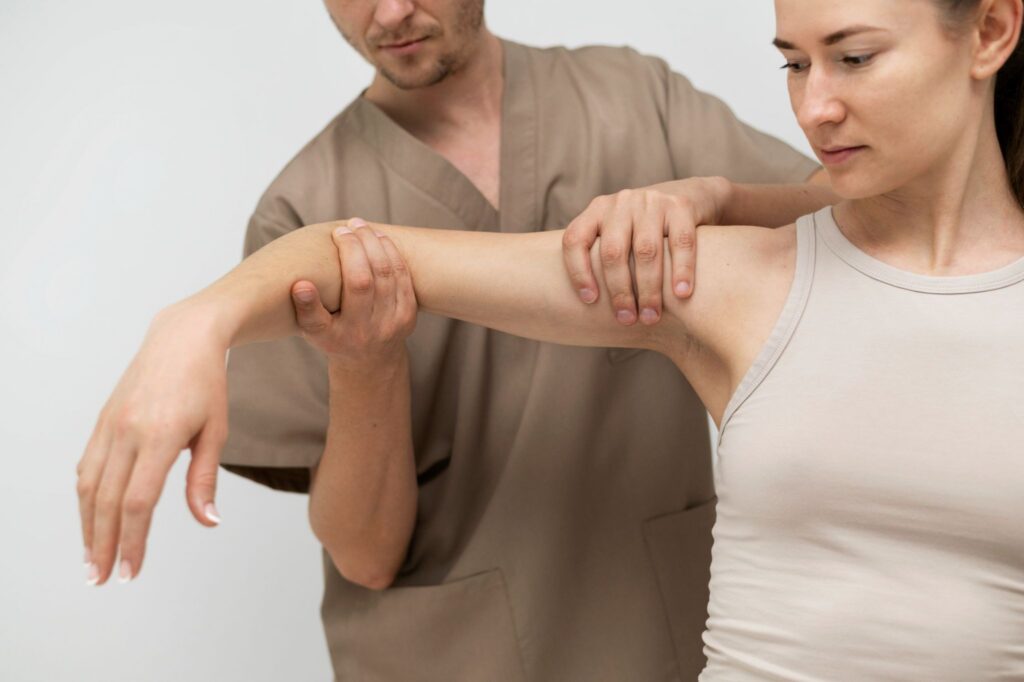
When you experience an athletic injury, navigating the recovery process can be daunting. As a local chiropractor, I want to emphasize the importance of a holistic approach that includes rest, proper nutrition, and targeted rehabilitation. Recovery isn’t just about healing the injury; it’s also about improving your overall performance and minimizing the risk of future injuries.
So, what strategies can you adopt to ensure a more effective recovery? Let’s delve into the key components that can truly make a difference on your journey back to peak performance. By integrating chiropractic care into your recovery plan, you can enhance your body’s natural healing processes, improve mobility, and restore balance. Together, we can work on personalized strategies that not only address your current injury but also promote long-term health and performance.
Understanding Athletic Injuries
Athletic injuries can be quite disheartening, often halting your progress and enthusiasm for training. As a local chiropractor, my goal is to help you understand these injuries and how they can be effectively managed and prevented through natural healing methods.
These injuries can stem from a variety of sources, such as overuse, improper technique, or insufficient warm-ups. It’s crucial to recognize the early signs of an injury, as addressing them promptly can prevent more serious issues down the line.
Common injuries I see include sprains, strains, and tendonitis, each affecting different areas of the body and requiring tailored recovery approaches.
It’s important to pay attention to how your body feels during and after exercise. If you notice ongoing pain, swelling, or a drop in performance, it’s time to reassess your training routine.
Understanding your body’s mechanics and how they relate to your activities can empower you to make better choices. By incorporating injury prevention strategies and tuning in to what your body is telling you, you can significantly enhance your training experience and reduce the likelihood of future injuries.
The Role of Rest and Recovery
As a local chiropractor, I want to emphasize the critical importance of rest and recovery in your overall health and wellness journey, particularly if you’re dealing with injuries or discomfort.
When you engage in physical activity, your body needs adequate time to heal and rebuild itself. Ignoring the need for rest can lead to longer recovery periods and potentially more serious injuries. Always pay attention to what your body is telling you; if it suggests you slow down, it’s essential to listen.
I recommend incorporating regular rest days into your routine, as these days are vital for your muscles to repair and grow stronger.
Additionally, quality sleep is crucial for optimizing your body’s recovery processes, so strive to make it a priority.
You might also consider active recovery methods, such as gentle stretching or yoga, which can promote blood circulation without putting unnecessary strain on your body.
Remember, hydration and proper nutrition are key components of your recovery as well.
By prioritizing these elements of rest and recovery, you’re not only facilitating healing but also preparing your body for enhanced performance when you return to your activities.
If you have any questions about how chiropractic care can support your recovery, don’t hesitate to ask!
Innovative Rehabilitation Techniques
As a local chiropractor, I want to share with you the incredible benefits of innovative rehabilitation techniques that can enhance your recovery from athletic injuries.
Many people may not be familiar with chiropractic care and how it supports natural healing, so let me introduce you to two effective methods: Active Release Techniques and Neuromuscular Electrical Stimulation.
Active Release Techniques is a hands-on therapy that focuses on releasing tension in muscles, tendons, and fascia, helping to restore proper function and alleviate pain.
By targeting specific areas of tightness or restriction, we can promote faster healing and improve your overall performance.
On the other hand, Neuromuscular Electrical Stimulation uses gentle electrical currents to stimulate your muscles, enhancing circulation and accelerating the healing process.
This technique can be especially beneficial for reducing muscle soreness and preventing atrophy during recovery.
By incorporating these innovative rehabilitation methods into your recovery plan, you can experience a more effective and efficient healing journey.
I’m here to guide you through your rehabilitation, ensuring that you return to your athletic pursuits stronger than ever!
Active Release Techniques
As a local chiropractor, I want to introduce you to a remarkable method known as Active Release Techniques (ART). This approach offers a unique and effective way to support your recovery from injuries, especially if you’re an athlete or someone who leads an active lifestyle.
ART is a hands-on therapy that aims to identify and treat soft tissue adhesions—these are areas where muscles and other tissues may become tight or stuck, limiting your movement and causing discomfort.
During an ART session, I’ll apply targeted pressure to these specific areas while you actively move. This process helps to improve blood flow, reduce inflammation, and increase flexibility.
The beauty of ART is that it goes beyond merely relieving symptoms; it addresses the root causes of your pain and limitations.
Many of my patients have found that regular ART sessions not only enhance their recovery from muscle strains, tendonitis, and other overuse injuries but also lead to improved overall performance in their activities.
If you’re unfamiliar with chiropractic care and natural healing methods, I invite you to explore the benefits of ART. It could be a significant step toward feeling better and returning to the activities you love.
Embrace this innovative technique and experience the positive changes for yourself!
Neuromuscular Electrical Stimulation
As a local chiropractor, I want to introduce you to an innovative approach that could significantly enhance your recovery from athletic injuries: Neuromuscular Electrical Stimulation (NMES).
This technique involves using electrical impulses to stimulate your muscles, prompting them to contract and relax. By doing so, NMES not only improves blood flow but also helps reduce muscle atrophy and provides pain relief.
In my practice, I often recommend NMES as part of a comprehensive rehabilitation plan, particularly for those times when traditional exercises mightn’t be feasible.
This therapy is especially beneficial for maintaining muscle strength and enhancing overall functionality as you heal. Many athletes have found NMES invaluable for their recovery after intense training sessions or injuries.
Incorporating NMES into your recovery process can potentially accelerate healing, enabling you to return to your sports activities feeling stronger and more resilient.
If you’re curious about how NMES can fit into your recovery journey, I encourage you to discuss it with me during your next visit so we can tailor it to your unique needs.
Your path to natural healing and improved health is important, and I’m here to support you every step of the way.
Nutritional Strategies for Healing
As a local chiropractor dedicated to your health and recovery, I want to emphasize the vital role that nutrition plays in healing from athletic injuries. It’s not just about the foods you choose; the timing of your meals can significantly impact your recovery process.
Let’s delve into the essential nutrients you need to support your body’s healing and discuss how to optimize your meal timing for the best results.
Understanding how specific nutrients contribute to recovery can empower you to make informed dietary choices. For example, protein is crucial for muscle repair, while vitamins and minerals like Vitamin C and zinc support tissue healing. By aligning your nutrient intake with your body’s needs, you can enhance your healing journey.
Additionally, consider the timing of your meals. Eating nutrient-rich foods shortly after an injury can provide your body with the necessary building blocks to recover more effectively.
As your chiropractor, I’m here to guide you on incorporating these nutritional strategies alongside your chiropractic care, fostering a holistic approach to your health and well-being.
Let’s work together to develop a personalized plan that supports your recovery through both chiropractic adjustments and proper nutrition. Your healing is a priority, and with the right tools, we can expedite your return to optimal health.
Key Nutrients for Recovery
As a local chiropractor, I want to emphasize the importance of nutrition in your recovery from athletic injuries. Incorporating key nutrients into your diet can significantly enhance your healing process.
First, let’s talk about protein. This essential nutrient is crucial for repairing and building muscle tissue. Aim to include lean sources of protein, such as chicken, fish, or plant-based alternatives, in your meals.
Next, healthy fats are equally important. Foods like avocados and nuts can help reduce inflammation, which is often a concern when recovering from injuries.
Don’t overlook carbohydrates, either. They play a vital role in replenishing your glycogen stores, which helps restore your energy levels.
Vitamins and minerals, particularly vitamin C and zinc, are also key players in supporting your immune system and promoting healing.
Lastly, staying hydrated is essential to ensure your body functions optimally during recovery.
By prioritizing these important nutrients, you can give your body the support it needs to heal more effectively and return to your athletic activities stronger than ever.
Timing of Nutrient Intake
As a local chiropractor dedicated to your health and recovery, I want to share some important insights about the timing of nutrient intake, especially when it comes to healing from athletic injuries. Understanding how and when to consume the right nutrients can significantly enhance your recovery process and reduce the time you spend sidelined.
After an injury, it’s crucial to nourish your body effectively. I recommend aiming for a balanced meal or snack that includes both protein and carbohydrates within 30 minutes of the incident. This immediate intake helps replenish your energy stores and initiates the muscle repair process, setting a solid foundation for your recovery.
During your healing journey, it’s beneficial to maintain regular nutrient consumption every 3-4 hours. This consistent supply of essential vitamins and minerals is vital for supporting your body’s natural healing processes.
Additionally, staying hydrated is key; water is essential for the transport of nutrients and overall recovery.
I also encourage you to strategically time your meals around your workouts or physical therapy sessions. This can maximize the uptake of nutrients and enhance their effectiveness in supporting your recovery.
The Importance of Hydration
As a local chiropractor, I want to emphasize the often-overlooked importance of hydration in your recovery and overall health. While many of you may focus on exercise and nutrition, staying properly hydrated is essential for healing, especially if you’re recovering from an injury.
Adequate hydration supports optimal blood circulation, which is critical for delivering necessary nutrients and oxygen to injured tissues. When you’re dehydrated, your body’s natural healing processes can be hindered, which may prolong your recovery time.
Drinking enough water can also help alleviate muscle soreness and stiffness, enabling you to regain your strength and flexibility more efficiently. I encourage you to be mindful of your fluid intake, particularly after workouts or during rehabilitation sessions.
A good rule of thumb is to aim for clear or light yellow urine as an indicator of proper hydration. In addition to water, incorporating electrolyte-rich beverages can further enhance your recovery, especially if you’ve lost fluids through sweating.
Remember, it’s essential not to wait until you feel thirsty to drink; instead, make hydration a consistent part of your daily routine. By prioritizing hydration, you’ll not only boost your recovery but also enhance your overall performance and well-being.
Your body deserves the best care, and proper hydration is a key component of that care.
Mental Conditioning for Recovery
As a local chiropractor, I want to emphasize that while physical rehabilitation is crucial for recovering from athletic injuries, mental conditioning is just as vital in your journey towards full health. A strong mental approach can help you maintain focus, optimism, and motivation throughout your recovery process.
Here are three effective strategies that I recommend to enhance your mental conditioning during this time:
- Visualization: Take a moment to visualize yourself performing at your best. This mental imagery can reinforce positive outcomes and significantly boost your confidence as you heal. It’s a powerful tool that can complement the physical adjustments and therapies we provide in our practice.
- Goal Setting: It’s important to set both short-term and long-term recovery goals. By establishing clear and achievable objectives, you can maintain motivation and create a structured roadmap for your rehabilitation journey. This aligns perfectly with the holistic approach to healing that chiropractic care promotes.
- Mindfulness and Relaxation Techniques: Integrate breathing exercises, meditation, or yoga into your daily routine. These practices can help reduce anxiety, enhance focus, and foster a positive mindset, all of which are essential for a successful recovery.
As your chiropractor, I encourage you to consider how these techniques can complement the physical treatments we provide.
Utilizing Technology in Injury Recovery
As a local chiropractor, I want to share how technology can significantly enhance your recovery from athletic injuries through natural healing methods.
By incorporating innovative tools and devices into your rehabilitation, you can greatly improve your healing process.
Wearable technology, such as fitness trackers and smartwatches, allows you to monitor your activity levels and recovery metrics in real-time. This valuable data can help you adjust your rehabilitation routine to avoid overexertion, which is crucial for healing.
Virtual reality (VR) is another exciting advancement that can transform your rehabilitation experience. It offers immersive exercises that make physical therapy more engaging while helping you improve your motor skills.
There are also specialized apps designed for physical therapy that guide you through customized workouts, ensuring you perform movements correctly to support your recovery.
Telehealth services are a convenient way to consult with your healthcare providers, including chiropractors, from the comfort of your home. This means you can receive expert guidance on your recovery without having to travel, making it easier to stay on track.
Moreover, advanced modalities like cryotherapy and electrical stimulation can be beneficial in reducing inflammation and promoting blood flow, which are essential for healing.
By utilizing these technologies in conjunction with chiropractic care, you can take an active role in your recovery and return to your sport more effectively.
Embracing these tools not only supports your physical healing but also enhances your overall well-being.
Building a Support Network
As a local chiropractor, I want to emphasize the importance of having a strong support network for your recovery from athletic injuries. Surrounding yourself with the right people can truly enhance your healing journey. Here are some essential elements to consider when building your network:
- Family and Friends: Your loved ones can provide invaluable emotional support and encouragement. They play a crucial role in helping you maintain a positive mindset and staying motivated, especially during challenging phases of your recovery.
- Coaches and Trainers: These professionals can be vital allies in your healing process. Not only can they offer insights into effective recovery strategies, but they can also collaborate with me to develop a rehabilitation plan tailored specifically to your needs, ensuring you return to your sport safely.
- Chiropractic and Healthcare Professionals: Engaging with chiropractors, physical therapists, and other healthcare providers is key to your recovery. As a chiropractor, I focus on natural healing methods and can help you create a safe and effective recovery plan.
My expertise, along with that of your healthcare team, will ensure that you’re addressing the root causes of your injuries and not just the symptoms.
Building a solid support network will empower you on your path to recovery and help you regain your strength and performance.
Preventative Measures for Future Injuries
As your local chiropractor, I want to share some important preventative measures to help you avoid injuries and enhance your overall athletic performance. One of the first steps is to begin each session with a proper warm-up. This prepares your muscles and joints for physical activity, reducing the risk of strain.
Incorporating strength training into your routine can significantly build stability and support around your joints. Additionally, flexibility is crucial; regular stretching can help you maintain a full range of motion, which is essential for any athletic endeavor.
It’s also vital to listen to your body. If you experience any discomfort, please address it immediately rather than ignoring it and pushing through the pain.
The right equipment can make a significant difference, so ensure you’re using appropriate footwear and gear tailored to your activities.
A balanced diet rich in nutrients is fundamental for recovery and overall well-being. Don’t forget the importance of hydration—make sure you’re drinking plenty of water before, during, and after your workouts to keep your body functioning optimally.
Lastly, consider cross-training as a way to engage different muscle groups. This approach can help reduce the risk of overuse injuries and promote a more balanced physical condition.
Conclusion
As a local chiropractor, I want to emphasize that enhancing your recovery from athletic injuries involves a comprehensive approach. It’s essential to prioritize rest, proper nutrition, and hydration, as well as mental conditioning to facilitate a more effective healing process. Incorporating innovative rehabilitation techniques, such as chiropractic adjustments, can significantly aid in your recovery by promoting alignment and reducing pain.
Building a strong support network, including your healthcare providers, friends, and family, is crucial in your healing journey. Additionally, remember that taking preventative measures, such as regular chiropractic care and exercises tailored to your needs, can greatly reduce your risk of future injuries. Stay proactive, focused, and engaged in your recovery, and you’ll not only heal but also enhance your overall athletic performance. Embrace the natural healing methods available to you, and let’s work together towards achieving your health goals.