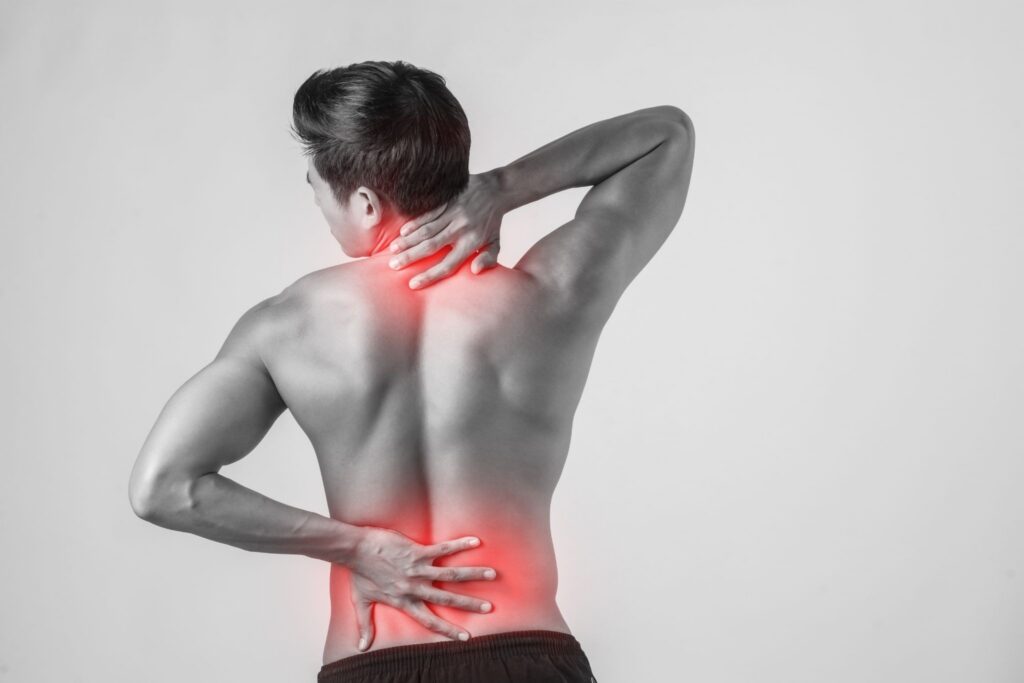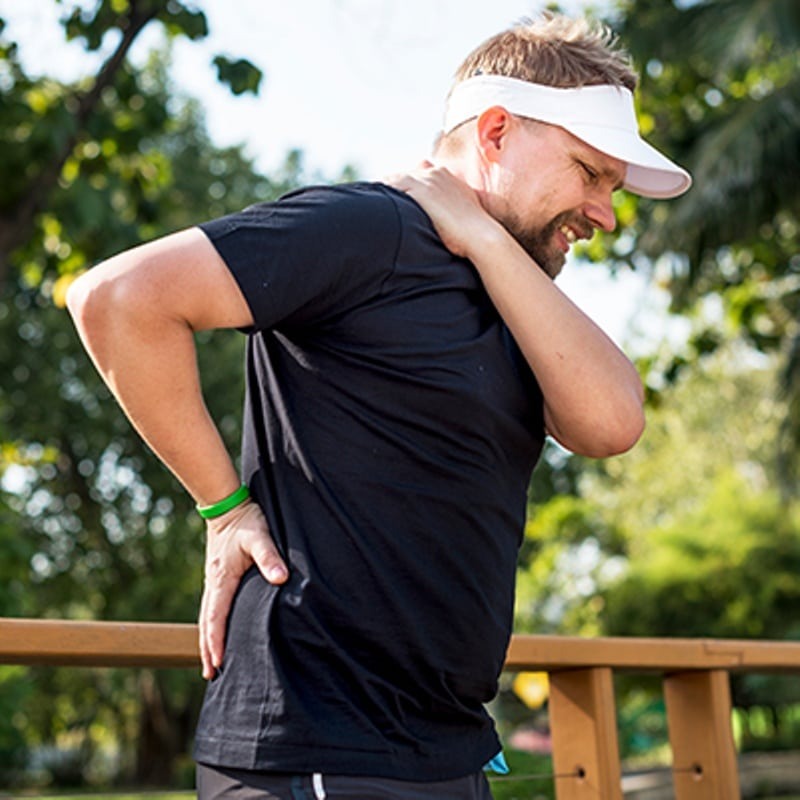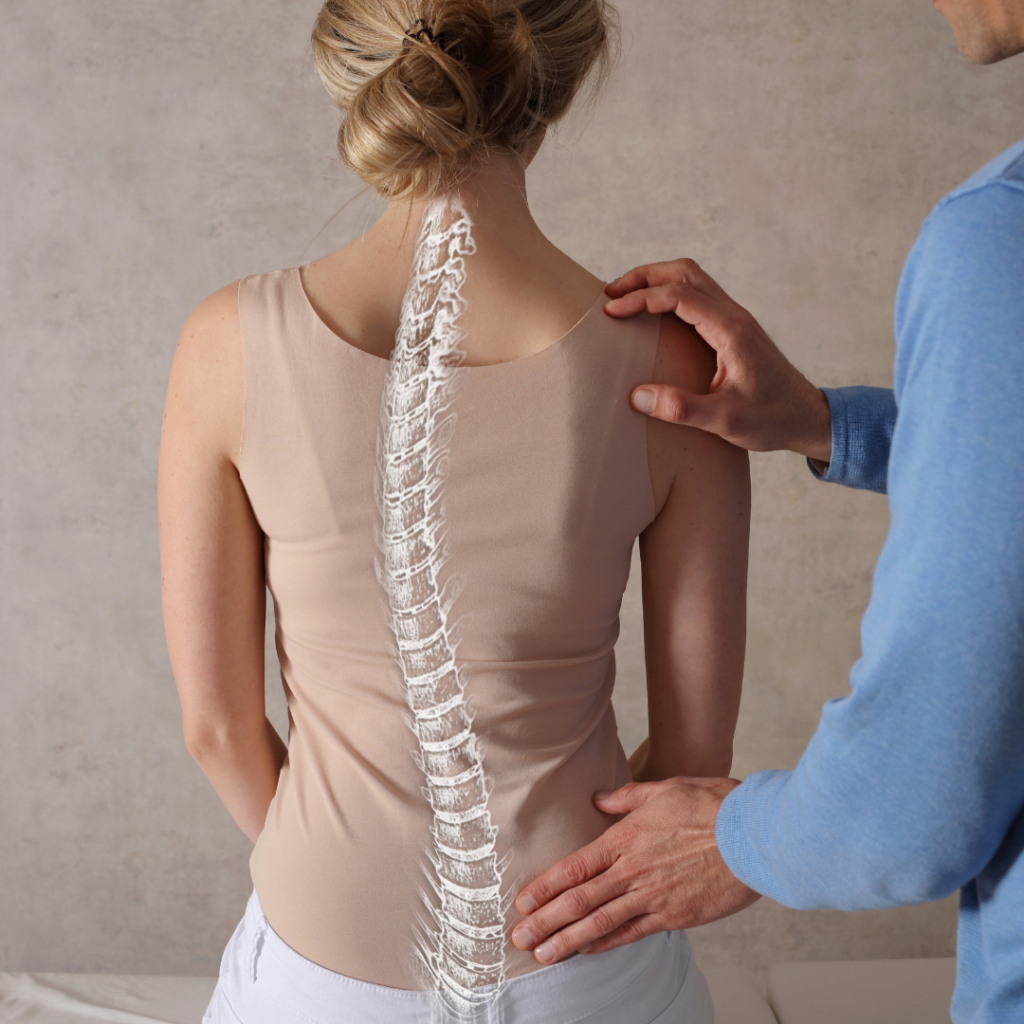
When you experience sports-related pain, it's essential to understand the range of effective treatments available. From physical therapy techniques that enhance recovery to medication options that provide immediate relief, each method plays a role in your healing process. You might also find that alternative therapies, like acupuncture, can complement traditional approaches. However, knowing when to seek professional help and how to integrate these treatments can make all the difference in your performance. What strategies have you considered, and are they truly addressing your specific needs?
Understanding Sports Injuries
When it comes to sports injuries, many athletes experience some form of pain or discomfort at some point in their careers. Understanding these injuries is essential for effective management and recovery. You might find that injuries often stem from overuse, trauma, or poor technique.
Overuse injuries, like tendinitis or stress fractures, develop gradually due to repetitive motion. Traumatic injuries, such as sprains or fractures, occur suddenly, often from a fall or collision.
Recognizing the signs of an injury early can make a significant difference in your recovery. Common indicators include persistent pain, swelling, reduced range of motion, or difficulty bearing weight. If you notice any of these symptoms, it's important to address them promptly. Ignoring pain can lead to more severe complications down the line, prolonging your time away from the sport you love.
Additionally, understanding the specific demands of your sport can help you identify potential injury risks. Different sports place stress on various parts of the body, which can lead to specific types of injuries. For instance, runners may face knee injuries, while swimmers might deal with shoulder issues.
Physical Therapy Techniques
When it comes to recovering from sports injuries, physical therapy techniques can make a significant difference.
You'll find that manual therapy approaches and tailored exercise rehabilitation programs can help restore your strength and flexibility.
Let's explore how these methods can aid in your pain relief and recovery journey.
Manual Therapy Approaches
How can manual therapy approaches enhance your recovery from sports-related pain? Manual therapy techniques, such as massage, joint mobilization, and myofascial release, can greatly improve your healing process. These hands-on methods target soft tissues and joints, promoting circulation and reducing inflammation, which aids in pain relief.
When you engage in manual therapy, you'll notice increased flexibility and a greater range of motion. For instance, skilled therapists apply pressure to specific areas, alleviating tightness and tension that can hinder your performance. This not only helps you feel better but also empowers you to return to your favorite activities more quickly.
Additionally, manual therapy can help identify underlying issues contributing to your pain. Your therapist may assess your posture and movement patterns, allowing them to develop a tailored treatment plan that addresses your unique needs.
By incorporating these approaches, you'll likely experience enhanced recovery and improved overall function.
In short, embracing manual therapy approaches can be a game changer in managing sports-related pain. By working closely with a qualified therapist, you'll set yourself on a path toward effective relief and recovery, getting you back to the sports you love.
Exercise Rehabilitation Programs
Exercise rehabilitation programs play an essential role in your recovery from sports-related pain. These programs are designed to help you regain strength, flexibility, and functionality after an injury. Your physical therapist will assess your condition and create a tailored plan that addresses your specific needs.
You'll typically start with gentle exercises to improve range of motion and gradually progress to more challenging movements as your pain decreases. Incorporating strength training is critical, as it helps rebuild the muscles around the injured area, providing better support and reducing the risk of future injuries.
Balance and coordination exercises can also enhance your athletic performance and stability.
Consistency is key, so committing to your rehabilitation program is fundamental for ideal recovery. You might also benefit from incorporating stretching and conditioning routines to maintain overall fitness.
Medication Options
For athletes dealing with pain, medication options can provide vital relief and support recovery. Over-the-counter (OTC) medications, such as nonsteroidal anti-inflammatory drugs (NSAIDs) like ibuprofen or naproxen, can help reduce inflammation and alleviate pain. These medications are often the first line of defense for managing sports-related discomfort, and they're readily available at most pharmacies.
If OTC options aren't sufficient, you might consider prescription medications. Your healthcare provider may recommend stronger NSAIDs or even opioids for more severe pain. However, it's important to use opioids cautiously due to the risk of addiction and other side effects. Always follow your provider's guidance and use the lowest effective dose for the shortest time necessary.
Topical treatments, like creams and patches containing analgesics or anti-inflammatory agents, can also be effective. These options allow you to target specific areas without systemic side effects, making them a good choice for localized pain relief.
For chronic pain, corticosteroids may be another option. These medications can reduce inflammation and provide longer-lasting relief. Your doctor may administer them through injections or prescribe oral versions, depending on your situation.
As you explore medication options, it's important to communicate openly with your healthcare provider. They can help you weigh the benefits and risks of each treatment and develop a plan tailored to your needs.
Alternative Therapies
When it comes to managing sports-related pain, alternative therapies might be just what you need.
Techniques like acupuncture, chiropractic adjustments, and massage therapy can offer effective relief and improve your overall performance.
Let's explore how these methods can benefit your recovery and wellness.
Acupuncture for Pain Relief
Acupuncture offers a compelling alternative for those seeking relief from sports-related pain. This ancient practice, rooted in Traditional Chinese Medicine, involves inserting thin needles into specific points on the body to stimulate healing.
It's gaining popularity among athletes for its effectiveness in managing pain without the use of pharmaceuticals. Here's why you might consider acupuncture:
- Reduces inflammation: It can help lower swelling and soreness around injuries.
- Enhances blood flow: Improved circulation promotes quicker recovery and healing.
- Relieves muscle tension: It targets tight areas, helping to relax and restore function.
- Promotes overall well-being: Acupuncture can boost your mood and reduce stress, aiding in your athletic performance.
- Customizable treatment: Each session can be tailored to your specific injuries and pain levels.
If you're dealing with nagging pain from sports activities, acupuncture might just be the solution you need.
Many athletes report significant relief and improved flexibility after sessions. Consider consulting a licensed acupuncturist to explore this alternative therapy and see how it fits into your pain management plan.
You may find it's exactly what you've been looking for!
Chiropractic Adjustments Benefits
Chiropractic adjustments can provide significant benefits for athletes dealing with sports-related pain. By realigning your spine and joints, these adjustments help improve your overall mobility and reduce discomfort. When your body's musculoskeletal system is in proper alignment, you'll experience less strain during physical activities, allowing you to perform at your best.
One of the major advantages of chiropractic care is its ability to enhance recovery. Regular adjustments can promote faster healing by increasing blood flow to injured areas and reducing inflammation. This means you can get back to your sport sooner and with less pain.
Additionally, chiropractic adjustments can help prevent future injuries. By addressing any misalignments or muscle imbalances, you're less likely to experience recurring pain or new injuries.
Plus, a chiropractor can provide you with valuable insights on posture and body mechanics to support your athletic endeavors.
Many athletes also report improved performance after chiropractic care. Better alignment can enhance your balance, coordination, and flexibility, giving you that extra edge on the field or court.
If you're dealing with sports-related pain, considering chiropractic adjustments might be a smart move for your recovery and overall athletic performance.
Massage Therapy Techniques
Massage therapy techniques offer a powerful complement to chiropractic care for athletes seeking relief from sports-related pain. By incorporating various methods, you can enhance recovery, improve flexibility, and alleviate muscle tension.
Here are some key benefits of massage therapy:
- Increased circulation: Boosts blood flow, delivering essential nutrients to muscles.
- Reduced muscle tension: Helps relieve tightness and soreness, allowing for improved mobility.
- Enhanced recovery: Speeds up the healing process after intense workouts or injuries.
- Pain relief: Can alleviate chronic pain and discomfort, making it easier to stay active.
- Mental relaxation: Reduces stress and anxiety, helping you focus on your performance.
Techniques like deep tissue massage, sports massage, and trigger point therapy can specifically target areas of pain and tension.
Whether you're preparing for a competition or recovering from an injury, a skilled massage therapist can tailor treatments to your unique needs.
By incorporating massage therapy into your routine, you're not just addressing pain; you're investing in your overall athletic performance and well-being.
Don't underestimate the power of touch—it's an essential tool in your pain relief arsenal.
Preventative Measures
Taking proactive steps to prevent sports-related pain can greatly enhance your performance and overall enjoyment of physical activities.
To start, it's essential to warm up properly before any workout or game. Spend at least 10-15 minutes on dynamic stretches and light exercises to get your muscles ready. This preparation helps increase blood flow and reduces the risk of injury.
Next, focus on strengthening your core and stabilizing muscles. A strong core improves balance and stability, which can protect you from falls and other injuries. Incorporate exercises like planks, bridges, and rotations into your routine to build this strength.
Proper technique is another vital factor. Whether you're running, swimming, or playing a sport, make sure you're using the correct form. If you're unsure, consider working with a coach or trainer who can provide guidance and feedback. This investment in your technique can save you from pain later on.
Don't forget to listen to your body. If you feel fatigue or discomfort, take a break. Pushing through pain can lead to more severe injuries down the line.
Also, make certain you're wearing the right equipment, including shoes that provide adequate support and cushioning.
Lastly, stay hydrated and maintain a balanced diet to keep your body functioning at its best. By implementing these preventative measures, you can greatly reduce the likelihood of sports-related pain, allowing you to enjoy your activities to the fullest.
When to Seek Professional Help
It's crucial to recognize when to seek professional help for sports-related pain, especially if discomfort lingers or worsens. Ignoring persistent pain can lead to more severe injuries and longer recovery times.
Here are some key indicators that it's time to consult a healthcare provider:
- You experience sharp or stabbing pain that doesn't improve with rest.
- Swelling or bruising appears around the affected area.
- You can't move the injured joint or limb without significant discomfort.
- Pain persists for more than a few days despite using home remedies.
- You notice a decrease in strength or stability in the affected area.
When you notice any of these symptoms, don't hesitate to reach out to a professional. They can provide a thorough evaluation, determine the underlying cause of your pain, and recommend appropriate treatment options.
Waiting too long may complicate your condition and delay your return to the activities you love.
Conclusion
In summary, finding effective treatments for sports-related pain relief is essential for your recovery and performance. By combining physical therapy, chiropractic care, and medication options, you can address your pain holistically. Don't forget to explore alternative therapies and implement preventative measures to minimize future injuries. If your pain persists or worsens, don't hesitate to seek professional help. Staying proactive about your health guarantees you stay in the game and perform at your best.