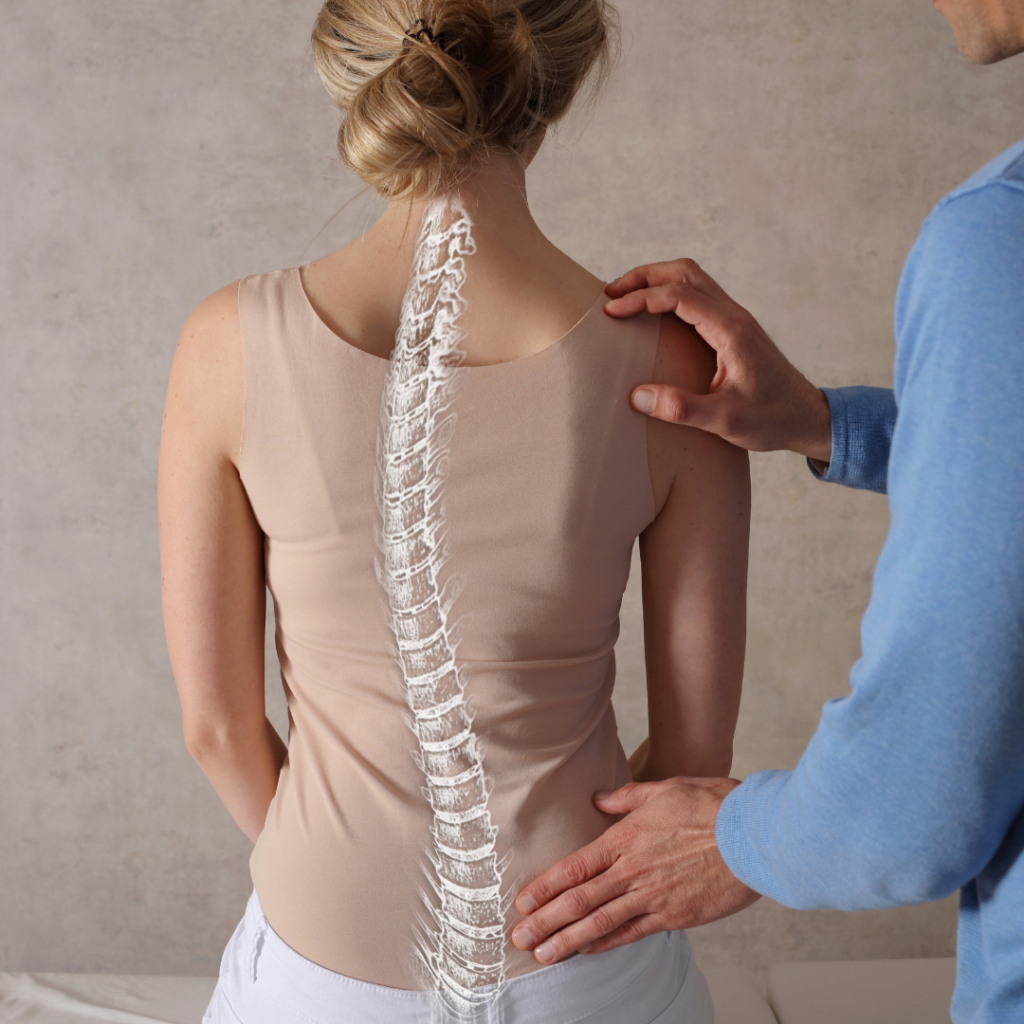
If you're tired of the nagging discomfort of tension headaches, you might want to explore some unexpected methods for relief. Techniques like deep breathing and certain mindfulness practices could play a key role in easing your symptoms. You may find that simple changes to your hydration habits or incorporating essential oils into your routine can also make a difference. But that's just the beginning—there are several other strategies you might not have considered that could offer effective relief. Curious to find out what they are?
Breathing Techniques
When you feel the pressure of a tension headache building, practicing specific breathing techniques can offer immediate relief. One effective method is the deep belly breathing technique.
To start, find a comfortable position, whether sitting or lying down. Inhale deeply through your nose, allowing your abdomen to expand fully. Hold that breath for a moment, then exhale slowly through your mouth. Repeat this cycle for several minutes. Focusing on each breath helps redirect your attention away from the headache, promoting relaxation.
Another useful technique is box breathing. Imagine a box in your mind. Inhale for a count of four, hold your breath for another count of four, exhale for four, and finally, hold again for four. This structured approach calms your nervous system, reducing stress that often contributes to headaches. You can adjust the counts to suit your comfort level, but keep them consistent.
Alternate nostril breathing is also beneficial. Close your right nostril with your thumb, inhale deeply through your left nostril, then close your left nostril with your ring finger while releasing your right nostril. Exhale through the right nostril, then inhale again through the right before switching back to the left.
This technique balances your body's energy, promoting a sense of calm. Incorporating these breathing techniques into your routine can help manage and alleviate tension headaches, providing you with a valuable tool for relief when you need it most.
Hydration Importance
Staying hydrated is essential for preventing tension headaches. You should know the recommended water intake and identify various hydration sources to keep your body functioning well.
Plus, recognizing the signs of dehydration can help you avoid unnecessary discomfort.
Water Intake Guidelines
Proper hydration plays an essential role in preventing tension headaches. When you don't drink enough water, your body can become dehydrated, leading to headaches and other discomforts. Aim to drink at least eight 8-ounce glasses of water daily, which is often referred to as the "8×8 rule."
However, your individual needs can vary based on factors like age, activity level, and climate. Listen to your body; if you're feeling thirsty, it's a clear sign you need to hydrate. Keep a reusable water bottle handy throughout the day to make it easier to track your intake.
If you're active or exposed to hot weather, increase your water consumption to compensate for sweat loss. You might also find it helpful to set reminders on your phone or use hydration apps to encourage regular drinking.
Consider drinking a glass of water before each meal and snack as a good habit. By staying on top of your hydration, you'll not only help ward off tension headaches but also improve your overall well-being. Make hydration a priority, and your body will thank you for it!
Hydration Sources
Hydration doesn't just come from drinking water; various foods and beverages also contribute to your daily fluid intake. Incorporating these sources into your diet can help you stay hydrated and potentially alleviate tension headaches.
Fruits and vegetables, for instance, are excellent hydration sources. Watermelon, cucumbers, oranges, and strawberries are particularly high in water content. Snacking on these can boost your hydration levels while providing essential vitamins and minerals.
Dairy products, like milk and yogurt, also offer hydration benefits. Not only do they keep you hydrated, but they're also packed with calcium and protein.
Herbal teas and broths can be great options too. They're not only soothing but can also help maintain your fluid levels throughout the day.
Just be cautious with caffeinated beverages, as they can have a dehydrating effect if consumed in excess.
Signs of Dehydration
When you're not drinking enough fluids, your body can quickly show signs of dehydration. You might notice a dry mouth, fatigue, or dizziness creeping in. These symptoms can be subtle at first, but they're your body's way of signaling that it needs more water.
Another common sign is dark yellow urine. If your urine appears darker than usual, it's a clear indicator that your hydration levels are low. You may also experience headaches, which can often feel like tension headaches, making it even more essential to stay hydrated.
Additionally, dry skin is another telltale sign. If your skin feels less elastic or looks flaky, it's time to reach for that water bottle.
Muscle cramps and irritability can also surface, as your body struggles to function without adequate hydration.
Massage Therapy Benefits
Massage therapy offers effective techniques for relieving tension headaches by targeting tight muscles and pressure points.
You'll notice enhanced blood circulation, which helps reduce pain and promotes relaxation.
Techniques for Tension Relief
A skilled therapist can work wonders in alleviating tension headaches through targeted massage techniques. By focusing on specific areas, they can release tight muscles, reduce pain, and promote relaxation.
You might find that techniques like deep tissue massage target the neck, shoulders, and upper back, where tension often accumulates. This approach not only eases discomfort but also helps restore mobility.
Another effective method is trigger point therapy, where the therapist applies pressure to specific points that cause pain in other areas. You may be surprised at how much relief can come from simply releasing these knots.
Additionally, gentle techniques like Swedish massage can enhance relaxation while promoting a sense of well-being.
If you prefer a more personalized touch, don't hesitate to communicate your pain points to the therapist. They can adjust their techniques to suit your needs, ensuring maximum relief.
Even a simple neck and shoulder massage can make a significant difference, allowing you to enjoy daily activities without the nagging burden of tension headaches.
Incorporating regular massage therapy into your self-care routine can be a proactive step toward managing headache symptoms effectively.
Enhanced Blood Circulation
Enhanced blood circulation is one of the key benefits you'll experience from regular massage therapy. When you receive a massage, pressure is applied to the muscles, which helps to dilate blood vessels and promote better blood flow. This increased circulation brings more oxygen and nutrients to your tissues, aiding in recovery and reducing tension.
You might notice that improved blood flow can ease the tightness and discomfort associated with tension headaches. As circulation enhances, it helps clear out toxins that build up in your muscles, contributing to a sense of relaxation and relief. This effect can be particularly beneficial for those who spend long hours sitting or working at a desk, as stagnant blood flow often exacerbates headaches.
In addition to alleviating headaches, enhanced circulation supports overall well-being. You'll likely find that you feel more energetic and less fatigued after massage sessions.
Aromatherapy Essentials
Essential oils play an important role in aromatherapy, offering a natural way to relieve tension headaches. When you inhale these fragrant compounds, they interact with your brain's limbic system, which can help reduce stress and enhance your mood. Some of the most effective essential oils for tension headaches include lavender, peppermint, and eucalyptus.
Lavender oil is well-known for its calming properties. Just a few drops in a diffuser or a warm bath can create a soothing atmosphere that eases tension. You can also apply diluted lavender oil to your temples and wrists for quick relief.
Peppermint oil, on the other hand, can invigorate your senses. Its menthol content provides a cooling effect that helps relieve muscle tightness. Try massaging diluted peppermint oil into your temples or the back of your neck for instant relief.
Eucalyptus oil is another excellent choice, especially if you're experiencing sinus pressure. Its anti-inflammatory properties can help clear the nasal passages and ease headaches. Consider using eucalyptus in a steam inhalation or adding it to your bath.
To make the most of aromatherapy, you can create your own blends by mixing these oils. Just remember to dilute them with a carrier oil, like coconut or jojoba oil, before applying them to your skin.
Posture Correction
Good posture can greatly reduce tension headaches, and it's something we often overlook in our daily routines. The way you sit, stand, and move can notably impact the tension in your neck and shoulders, which are common culprits behind those nagging headaches. By correcting your posture, you can alleviate unnecessary strain on your muscles and nerves, leading to fewer headaches.
Start by being mindful of your sitting position. Make sure your feet are flat on the floor, your knees are at a right angle, and your back is supported by the chair. If you work at a desk, adjust your computer screen so it's at eye level. This prevents you from hunching over and straining your neck.
When standing, distribute your weight evenly on both feet, and avoid locking your knees. Keep your shoulders relaxed and pulled back, and your head aligned with your spine.
Incorporate regular breaks into your routine. Stand up, stretch, and walk around every hour to relieve tension that builds from prolonged sitting. Stretch your neck and shoulder muscles gently to improve flexibility and reduce tightness.
Lastly, pay attention to how you carry your body throughout the day. Practice walking with confidence, keeping your core engaged and your head held high. Over time, these changes will help you develop better posture habits that can notably reduce the frequency and severity of your tension headaches.
Take control of your posture, and you'll likely notice a positive shift in your overall well-being.
Mindfulness Practices
How can mindfulness practices help you manage tension headaches? Mindfulness allows you to focus on the present moment, reducing stress and promoting relaxation. When you practice mindfulness, you train your mind to observe thoughts and feelings without judgment. This can be particularly beneficial when you're dealing with tension headaches, as it helps you detach from the pain and anxiety that often accompany them.
One effective mindfulness technique is deep breathing. By taking slow, deliberate breaths, you can activate your body's relaxation response, which may ease headache symptoms. Try inhaling deeply for a count of four, holding for four, and exhaling for four. Repeat this cycle several times, letting go of any tension with each exhale.
Another valuable practice is body scanning. This involves mentally checking in with different parts of your body, starting from your toes and working up to your head. As you focus on each area, notice any tension and consciously relax those muscles. This practice not only promotes relaxation but also increases your awareness of physical sensations, helping you identify triggers for your headaches.
Meditation can also be a powerful tool. Set aside a few minutes each day to sit quietly, close your eyes, and concentrate on your breath. Allow thoughts to come and go without engaging with them. Over time, this practice can enhance your overall mental clarity and reduce the frequency of tension headaches.
Embracing these mindfulness practices can help you regain control over your well-being, offering a natural approach to headache relief.
Warm and Cold Compresses
After practicing mindfulness techniques to manage tension headaches, you might find additional relief through the use of warm and cold compresses. These simple methods can target the discomfort and help ease the tension that builds in your head and neck.
Start with a warm compress. Applying heat can relax tight muscles and improve blood circulation in the affected areas. You can use a warm towel, a heating pad, or even a warm water bottle. Just make sure it's not too hot to avoid burns. Place the compress on your forehead or the back of your neck for about 15-20 minutes. You may feel the soothing effects almost immediately.
On the other hand, cold compresses can effectively numb the area and reduce inflammation. Grab a cold pack, or wrap ice in a cloth—never apply ice directly to your skin. Apply the cold compress to your forehead or temples for 10-15 minutes. This method is particularly useful if your headache feels like it's pounding or throbbing.
You can also alternate between warm and cold compresses for a combined effect. This switch can stimulate blood flow and help relieve muscle tension more efficiently.
Listen to your body; see which method works best for you. Incorporating warm and cold compresses into your routine alongside mindfulness practices can greatly enhance your headache relief strategy. It's a straightforward, accessible way to ease discomfort and regain your focus.
Herbal Remedies
Exploring herbal remedies can provide natural relief for tension headaches, offering a holistic approach to managing your discomfort. These natural options can help to alleviate pain and reduce stress, making them a great addition to your wellness routine.
Here are four herbal remedies you might consider:
- Peppermint: This aromatic herb contains menthol, which can help relax muscles and improve circulation, easing headache symptoms. You can apply diluted peppermint oil to your temples or enjoy peppermint tea for soothing relief.
- Lavender: Known for its calming aroma, lavender essential oil can help reduce tension and anxiety, which are often triggers for headaches. Inhale the scent or use it in a diffuser to create a relaxing environment.
- Ginger: With its natural anti-inflammatory properties, ginger can help alleviate headache pain. You can consume ginger tea or chew on raw ginger to experience its benefits.
- Feverfew: This herb has been traditionally used to prevent migraines and relieve tension headaches. You can find feverfew in supplement form or drink its tea for potential relief.
Incorporating these herbal remedies into your routine may help you find the relief you need.
Always consult with a healthcare professional before starting any new treatment, especially if you have existing health conditions or are taking medications.
Regular Exercise
Engaging in regular exercise can be a powerful way to alleviate tension headaches. When you move your body, you increase blood circulation and release endorphins, which act as natural painkillers. This combination not only reduces the frequency of headaches but also helps to ease the pain when it does strike.
You don't need to hit the gym for hours to reap the benefits; even a brisk 30-minute walk can make a difference. Aim for activities you enjoy, whether it's dancing, swimming, or yoga. Each of these can help relieve muscle tension and stress, two major contributors to tension headaches.
Stretching exercises, in particular, can target tight areas in your neck and shoulders, promoting relaxation.
Consistency is key. Try to incorporate exercise into your daily routine. Set aside time in your schedule and treat it as a priority. If you're unsure where to start, consider joining a group or a class. Exercising with others not only keeps you motivated but also turns it into a social activity, further reducing stress.
Listen to your body, though. If you're feeling fatigued or in pain, opt for gentler exercises like walking or stretching. Remember, the goal is to enhance your overall well-being, not to add more strain.
Conclusion
By incorporating these surprising techniques into your routine, you can find effective relief from tension headaches. Try deep breathing exercises and stay hydrated to keep your body in balance. Don't underestimate the power of massage therapy and aromatherapy; they can work wonders for relaxation. Additionally, maintaining good posture, practicing mindfulness, and using warm or cold compresses can make a significant difference. Regular exercise can also help prevent future headaches. Embrace these strategies and reclaim your comfort!