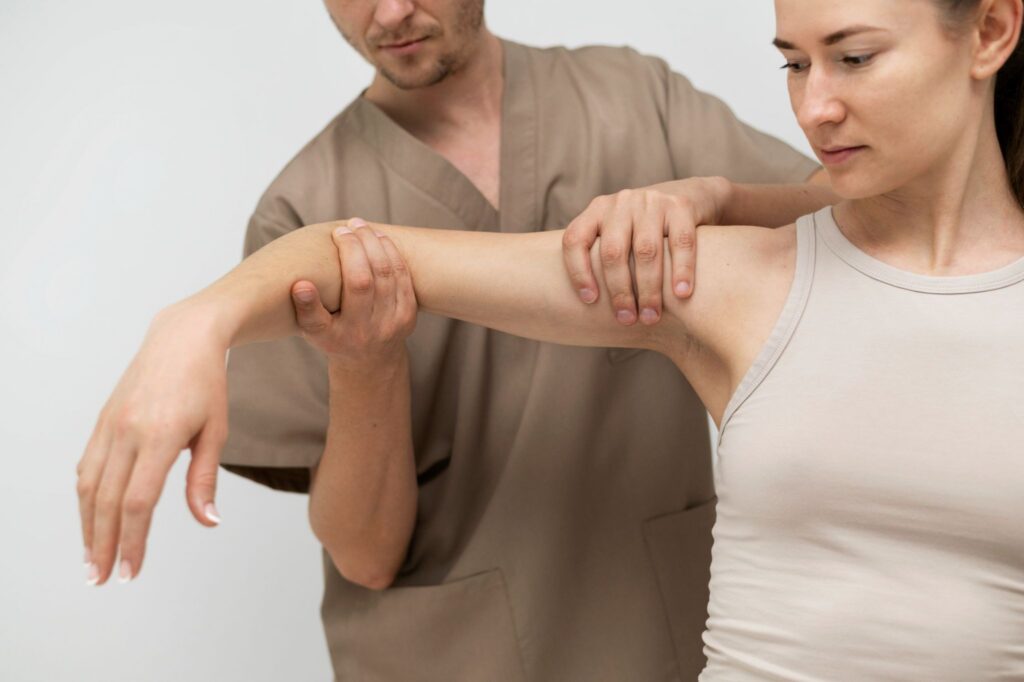
As a local chiropractor, I understand that dealing with a sports injury can be daunting, especially when it comes to selecting the best recovery technique. You may find yourself weighing traditional methods like RICE (Rest, Ice, Compression, Elevation) against newer approaches such as Active Release Techniques or acupuncture. Each of these methods has its own benefits and limitations, and knowing their differences can greatly enhance your recovery experience.
However, it's important to consider that recovery isn't just about the physical techniques you choose. As a chiropractor, I believe that mental wellness and nutrition also play crucial roles in your healing process. A positive mindset can accelerate recovery, while proper nutrition can provide your body with the essential nutrients it needs to heal effectively.
So, as you navigate your recovery journey, I encourage you to explore all aspects of healing, including chiropractic care, which focuses on restoring balance to your body and alleviating pain through natural methods. Together, we can determine the best path forward for you!
Importance of Recovery Techniques
When it comes to your overall health and well-being, especially for those involved in sports, understanding recovery techniques is essential. As a chiropractor, I often see patients who believe that pushing through pain or fatigue is the best route to success. However, neglecting proper recovery can lead to injuries, decreased performance, and even burnout. By prioritizing recovery, you allow your body the chance to heal and adapt, which can improve your training effectiveness and help you compete at your best.
Integrating recovery techniques into your routine is vital for muscle repair, reducing inflammation, and enhancing circulation. These practices not only speed up the healing process but also boost your physical capabilities. Many of my patients discover that dedicating time to recovery can lead to noticeable improvements in their strength and endurance over time.
Remember, your body requires rest to rebuild itself, and honoring that need will ultimately enhance your athletic performance.
In addition to physical recovery, effective techniques can also play a significant role in managing stress and mental fatigue—areas that are just as important as your physical health. Simple practices such as stretching, foam rolling, or even mindfulness meditation can help clear your mind and prepare you for your next training session or competition.
This holistic approach to recovery not only supports your physical body but also nurtures your mental well-being, contributing to a more balanced and healthier lifestyle. As your chiropractor, I encourage you to embrace these recovery techniques and prioritize your health for optimal performance.
Traditional Methods Overview
As a local chiropractor, I want to share some essential recovery techniques that have stood the test of time and are crucial for anyone healing from an injury. Many athletes and active individuals rely on these traditional methods, which focus on natural healing processes. One of the most widely recognized approaches is the RICE method—Rest, Ice, Compression, and Elevation.
When you experience an injury, it's vital to give your body the time it needs to heal. Resting the affected area is crucial; it prevents further damage and allows your body to initiate its natural healing process.
Applying ice to an injury is another fundamental technique that can help. Ice reduces swelling and alleviates pain, making it a go-to remedy. I recommend using ice packs for about 15-20 minutes every hour, especially during the first 48 hours after an injury.
Compression, which can be achieved with bandages or wraps, provides additional support and helps minimize swelling. However, be cautious not to wrap too tightly, as this can restrict blood flow and hinder recovery.
Elevating the injured limb above heart level is also beneficial; it helps reduce swelling and promotes better circulation.
Once the initial swelling has subsided, heat therapy can be a helpful addition to your recovery routine. Applying heat helps relax and soothe muscles, facilitating improved mobility.
Additionally, massage therapy is an essential component of traditional recovery. It enhances circulation, decreases stiffness, and encourages your body's natural healing processes.
While these traditional methods are effective, I encourage you to stay open to learning about alternative techniques and advancements in recovery.
These foundational practices are invaluable in any athlete's recovery toolkit, providing a reliable approach to managing injuries and returning to the activities you love.
Role of Physical Therapy
Chiropractic care plays a vital role in your recovery journey by helping you restore balance, mobility, and overall function after an injury. When you visit a chiropractor, you'll receive a customized treatment plan designed specifically for your individual needs and health goals. We assess your condition, evaluate your spinal alignment, and utilize natural healing techniques to facilitate your recovery.
One of the primary objectives of chiropractic care is to alleviate pain and reduce inflammation in your body. Through gentle adjustments and manipulations of the spine and joints, we aim to relieve discomfort and promote healing. As your pain decreases, we'll introduce specific exercises and stretches to enhance your range of motion and strengthen the muscles supporting your spine.
These exercises will begin at a comfortable level and gradually increase in intensity, ensuring you progress safely while minimizing the risk of re-injury.
In addition to hands-on adjustments, we'll educate you on proper posture and movement techniques to prevent future injuries. This knowledge is particularly important if you plan to return to physical activities or sports. We can provide you with strategies to modify your daily activities, allowing you to heal while still staying active and maintaining your fitness.
Chiropractic care also recognizes the significance of mental well-being and motivation during your recovery process. We'll support you in setting realistic goals and celebrating your progress, regardless of how small those milestones may seem.
With our guidance, you can remain focused on your healing journey and regain confidence in your body's abilities.
Benefits of Rest and Sleep
As a local chiropractor, I want to emphasize the importance of rest and sleep when you're recovering from a sports injury.
Adequate rest is essential for muscle repair and plays a crucial role in strengthening your immune system, which can significantly speed up your recovery process.
By prioritizing these natural healing techniques, you can enhance your overall healing journey.
Remember, taking the time to rest is just as important as any other part of your recovery plan.
Let's work together to ensure you're on the right path to feeling your best!
Enhances Muscle Repair
As a local chiropractor, I want to emphasize the crucial role that sleep and rest play in enhancing muscle repair after sports injuries. When you're on the road to recovery, your body needs this valuable downtime to rebuild and strengthen any damaged muscle tissues.
During deep sleep, your body releases essential growth hormones, which are key players in muscle repair and recovery. Without sufficient rest, you may inadvertently slow down your healing process and delay your return to your favorite activities.
Here are some important benefits of prioritizing sleep and rest for muscle repair:
- Increased Protein Synthesis: When you rest, your body can effectively utilize amino acids to repair muscles, resulting in stronger tissue.
- Reduced Inflammation: Getting enough sleep lowers inflammation levels, which can accelerate recovery and alleviate pain.
- Improved Energy Levels: Quality sleep replenishes your energy reserves, making it much easier to resume your training regimen.
Incorporating regular rest periods and making sleep a priority can significantly enhance your recovery journey.
It's essential to listen to your body; it knows what it needs to heal. By focusing on rest, not only will you recover more quickly, but you'll also come back stronger than ever.
As your chiropractor, I'm here to support you in understanding the importance of natural healing and how to integrate these practices into your rehabilitation process.
Boosts Immune Function
As your local chiropractor, I want to emphasize how crucial rest and quality sleep are for boosting your immune function, especially if you're recovering from sports injuries.
When you're dealing with an injury, your body is working hard to fend off infections and inflammation, and a robust immune system plays a vital role in this healing process.
Adequate sleep is essential because it allows your body to produce cytokines—these are proteins that help regulate your immune responses. During deep sleep, your body engages in vital repairs and regeneration, which can significantly enhance your recovery.
If you're not getting enough rest, your immune system can weaken, making you more vulnerable to illnesses that could hinder your healing journey. To support your recovery, I recommend aiming for 7-9 hours of quality sleep each night.
Establishing a consistent sleep schedule is key. Create a calming bedtime routine that signals to your body that it's time to wind down.
Try to limit your exposure to screens before bedtime and ensure your sleep environment is dark and cool to promote better rest.
Taking these steps can't only improve your overall health but also complement the chiropractic care you're receiving, enhancing your body's natural healing abilities.
Innovative Approaches Explained
As a local chiropractor, I want to introduce you to some innovative recovery techniques that can significantly enhance your healing process after an injury. These approaches emphasize not only your physical recovery but also your mental well-being, which is crucial for a complete return to health.
Let's delve into some of these transformative methods that can support your recovery journey.
- Mindfulness and Visualization: Incorporating mindfulness practices and visualization techniques into your recovery can greatly improve your mental resilience. These practices help you maintain a positive outlook during your healing process, which can contribute to faster recovery.
- Active Release Techniques (ART): This hands-on therapy targets specific issues within your muscles and connective tissues, promoting quicker healing and better mobility. ART can be a game changer for those dealing with tightness and pain in their bodies.
- Electrical Stimulation: Utilizing devices that send electrical impulses can help alleviate pain and stimulate muscle recovery. This technology makes it easier for you to regain strength and functionality after an injury.
These innovative methods not only focus on the physical aspects of recovery but also prioritize your mental state.
By integrating mindfulness and visualization into your routine, you create a powerful mental framework that complements your physical healing. When paired with hands-on techniques like ART and the benefits of electrical stimulation, you'll find that your body can recover more effectively from injuries.
As you consider these recovery options, it's essential to customize your plan to match your unique needs.
I encourage you to consult with a professional like myself, who specializes in these natural healing techniques, to ensure you're receiving the best possible support during your recovery.
Embracing these innovative approaches could be the key to getting you back to your activities faster and stronger than ever.
Understanding Cryotherapy
As a local chiropractor, I want to share some insights into cryotherapy, a treatment that has become increasingly popular for its potential to support recovery and reduce inflammation, particularly after sports injuries.
If you're new to this concept, you may be curious about how this cold therapy works and whether it might be a good fit for your healing journey.
At its core, cryotherapy involves exposing your body to extremely low temperatures, which can be done through localized treatments or in whole-body chambers. This exposure causes your blood vessels to constrict, which can help minimize swelling and alleviate pain.
During a cryotherapy session, you may notice a significant drop in tissue temperature, triggering various physiological responses in your body. One of the key benefits is the release of endorphins—your body's natural pain relievers—which can lead to immediate relief and an overall sense of well-being.
Many athletes find cryotherapy invigorating, as they believe it not only aids in recovery but also enhances their overall performance.
However, it's essential to remember that cryotherapy isn't a universal remedy. While many patients report positive outcomes, it's crucial to pay attention to how your body responds and to discuss any new treatments with a healthcare professional, like myself, who understands your unique health needs.
Combining cryotherapy with other natural healing techniques can also enhance your recovery process.
Understanding how cryotherapy can complement your wellness routine is important. As you explore various options for healing sports injuries, consider incorporating cryotherapy into your recovery toolkit.
It might just be the key to helping you return to your activities faster and feeling stronger. If you have any questions or want to learn more about integrating cryotherapy into your care plan, feel free to reach out!
Effectiveness of Acupuncture
When it comes to recovery techniques, acupuncture is an intriguing option that can greatly complement chiropractic care in alleviating pain and promoting healing after sports injuries. This ancient practice, which is part of Traditional Chinese Medicine, involves the insertion of thin needles into specific points on the body to stimulate energy flow and enhance overall healing.
You may be surprised to learn just how effective acupuncture can be for reducing inflammation, improving circulation, and relieving pain.
Here are some key benefits of incorporating acupuncture into your recovery process:
- Pain Reduction: Numerous studies have demonstrated that acupuncture can significantly reduce pain levels, allowing you to engage more fully in rehabilitation exercises and chiropractic adjustments.
- Faster Healing: By enhancing blood circulation and minimizing inflammation, acupuncture can expedite your recovery, helping you return to your athletic activities more quickly.
- Stress Relief: In addition to physical benefits, acupuncture can help alleviate stress and anxiety, which are crucial for a successful rehabilitation journey.
Considering these advantages, acupuncture could be an excellent addition to your recovery plan alongside chiropractic care.
Many athletes have shared positive experiences after integrating acupuncture into their routines, often feeling more balanced and prepared to tackle their training with renewed vigor.
If you're interested in exploring acupuncture as part of your recovery, I encourage you to consult with a licensed acupuncturist who's experience in treating sports injuries.
They can create a personalized treatment plan that aligns with your specific needs, ensuring you gain the maximum benefit from each session.
Together with chiropractic care, acupuncture can be a powerful ally in your journey to recovery and optimal health.
Massage Therapy Benefits
As a local chiropractor, I want to share with you the transformative benefits of massage therapy in your recovery journey, especially after experiencing a sports injury. While many may not be familiar with the full spectrum of chiropractic care, integrating massage therapy into your healing process can significantly enhance your overall recovery.
One of the primary advantages of massage therapy is its ability to improve blood circulation. This increased flow of blood delivers essential nutrients and oxygen to your injured tissues, which can expedite the healing process. When circulation is optimized, you may find yourself returning to your favorite activities much sooner than expected.
Furthermore, massage therapy is particularly effective in alleviating muscle tension and stiffness. After an injury, it's common for your body to tighten up as it compensates for the affected area. A qualified massage therapist can focus on these tense regions, promoting relaxation and helping to regain flexibility. This newfound range of motion is crucial for your return to physical activities.
Pain relief is another significant benefit of massage therapy. It can stimulate the release of endorphins, which are your body's natural pain relievers. This effect not only helps to ease discomfort but also makes your rehabilitation process more bearable.
Additionally, the mental benefits of massage therapy shouldn't be underestimated. It can help reduce anxiety and stress, fostering a greater sense of well-being throughout your recovery.
Lastly, massage therapy supports lymphatic drainage, which assists in the removal of toxins from your body. This detoxification is vital for preventing complications and ensuring your tissues heal properly.
Incorporating massage therapy into your recovery plan can make a notable difference in how you feel and heal. I encourage you to consult with your healthcare provider to determine the best type of massage for your specific needs. Together, we can set you on the path to a more effective and holistic recovery.
Nutritional Support for Recovery
As your local chiropractor, I want to emphasize the vital role that nutritional support plays in your recovery from sports injuries. Proper nutrition isn't just about eating right; it significantly impacts how quickly and effectively your body can heal. By providing your body with the right nutrients, you can enhance your healing processes, reduce inflammation, and regain strength faster.
Here are some key components to focus on during your recovery journey:
- Protein: This nutrient is crucial for building and repairing tissues. Incorporating lean meats, dairy products, legumes, and nuts into your diet can greatly support your muscle recovery.
- Omega-3 Fatty Acids: Found in foods like fish, flaxseeds, and walnuts, omega-3s are known for their anti-inflammatory properties, which can help promote healing in your body.
- Antioxidants: Consuming foods rich in vitamins C and E—such as a variety of fruits and vegetables—can combat oxidative stress and bolster your immune system, aiding in your overall recovery.
In addition to focusing on these essential nutrients, it's important to stay well-hydrated. Water is crucial for transporting nutrients throughout your body and flushing out toxins. Be sure to drink plenty of fluids throughout the day, especially after workouts or physical therapy sessions.
Also, let's talk about meal timing. Consuming a balanced meal or snack that includes both protein and carbohydrates within 30 minutes after exercising can greatly optimize your recovery. This practice helps replenish glycogen stores and kickstarts the muscle repair process.
As your chiropractor, I encourage you to consider these nutritional strategies as part of your holistic approach to recovery. Together, we can ensure that your body receives the support it needs to heal effectively and efficiently.
Personalized Recovery Plans
As a local chiropractor, I want to emphasize the importance of creating a personalized recovery plan for your healing journey.
This plan is designed specifically for you and incorporates tailored rehabilitation exercises, effective nutritional support strategies, and essential mental health considerations.
By focusing on these key elements, we can work together to enhance your recovery process.
Chiropractic care plays a vital role in this holistic approach, helping to restore your body's natural balance and function.
With the right support, you'll be able to return to your favorite activities stronger and healthier than ever.
Let's embark on this journey to optimal health together!
Tailored Rehabilitation Exercises
As a local chiropractor dedicated to helping you recover from sports injuries, I want to emphasize the significant role of personalized rehabilitation exercises in your healing journey. Tailoring your recovery plan to your specific situation is essential for regaining strength, flexibility, and overall function in a more effective manner.
These exercises are designed to address your unique injury, fitness level, and personal goals, ensuring that you're actively engaged in your recovery rather than just going through the motions.
Let me share a few key benefits of personalized rehabilitation exercises:
- Injury-Specific Focus: Our tailored exercises target the precise areas impacted by your injury, facilitating a more focused and effective recovery process.
- Progress Tracking: As you improve, we'll adjust your exercises to reflect your advancements, keeping you motivated and on the path to recovery.
- Reduced Risk of Re-Injury: By strengthening the right muscles, we can help lower the chances of setbacks, allowing you to return to your sport with confidence.
Working closely with me, you can develop a customized program that aligns with your lifestyle and athletic demands.
Together, we'll identify exercises that are beneficial for your condition while prioritizing your overall well-being and avoiding unnecessary stress on your body.
By committing to a personalized approach, you aren't just focusing on recovery; you're also laying the groundwork for long-term success and resilience in your sport.
Nutritional Support Strategies
As your local chiropractor, I want to emphasize that a comprehensive recovery plan encompasses more than just specialized rehabilitation exercises; it also heavily relies on the right nutritional support. Nutrition is a fundamental aspect of healing, and it can significantly influence how quickly and effectively you recover from injuries.
To enhance your recovery, aim for a balanced diet that includes a variety of proteins, healthy fats, and complex carbohydrates. Proteins are crucial for tissue repair, so try to include sources like lean meats, fish, beans, and legumes in your meals. Healthy fats, found in foods like avocados, nuts, and olive oil, are beneficial for reducing inflammation and promoting overall well-being.
And let's not overlook carbohydrates; they're essential for providing the energy required for your rehabilitation exercises.
Equally important is staying hydrated. Ensure you're drinking plenty of water throughout the day to support your body's metabolic functions and keep your joints lubricated. If you've been more active or sweating a lot, consider incorporating electrolyte-rich beverages to replenish lost minerals.
For those who may want more tailored advice, I encourage you to consult with a nutritionist who specializes in sports recovery. They can develop a personalized nutrition plan that aligns with your specific needs, taking into account your activity level and the nature of your injury.
Mental Health Considerations
As a local chiropractor, I want to emphasize the importance of mental health in your recovery journey. Understanding how your mental well-being can affect your physical healing is crucial for a successful rehabilitation process. When your mind is in a positive state, it can significantly enhance your response to chiropractic adjustments and overall recovery.
To help you on your path to peak performance, here are some key aspects to consider:
- Mindfulness Practices: Incorporating mindfulness or meditation into your routine can reduce anxiety and improve your focus during recovery. These practices allow you to connect your mind and body, promoting a holistic healing experience.
- Support Systems: Surrounding yourself with supportive friends, family, or a therapist can provide vital emotional encouragement. A strong support system can boost your motivation and help you navigate challenges along the way.
- Goal Setting: Setting realistic and achievable goals is essential. This approach not only keeps you motivated but also instills a sense of control over your recovery process. Working together, we can establish goals that align with your health needs and aspirations.
Conclusion
As a local chiropractor, I want to emphasize the importance of combining traditional and holistic healing techniques for effective recovery from sports injuries. Many of you may be familiar with methods like RICE (Rest, Ice, Compression, Elevation), physical therapy, and the vital role of nutrition in healing. However, I encourage you to consider how chiropractic care can enhance your recovery process.
Chiropractic treatment focuses on aligning the spine and improving overall function, which can significantly aid in your healing journey. Alongside chiropractic adjustments, incorporating therapies such as acupuncture and massage can provide additional support by relieving tension and promoting circulation.
Remember, rest and quality sleep are just as crucial as any treatment you receive. It's important to create a personalized recovery plan that addresses both your physical and mental well-being. Don't hesitate to reach out to discuss how we can work together to tailor a recovery strategy that meets your unique needs and helps you get back to your active lifestyle.