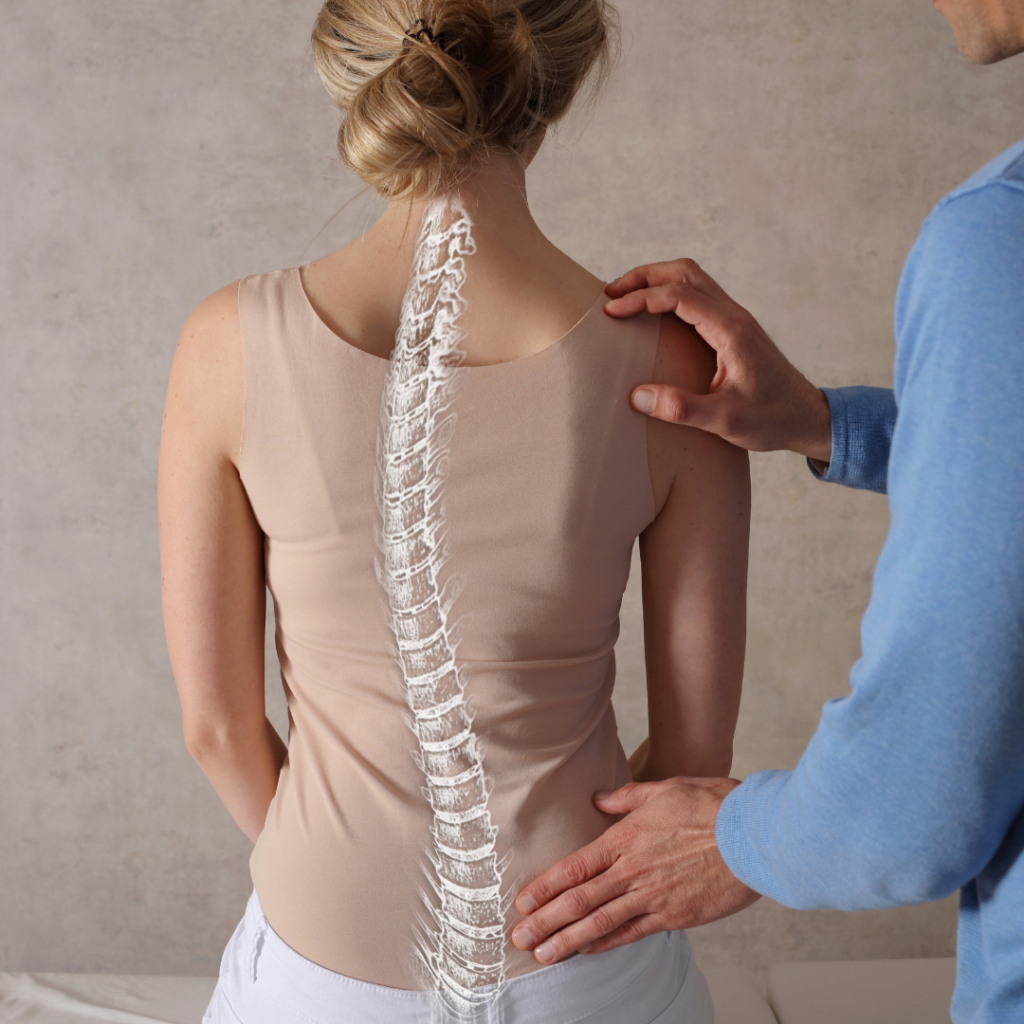
If you’re experiencing low back pain, integrating chiropractor-approved stretches into your daily routine can significantly enhance your recovery and overall well-being. These gentle stretches focus on critical areas such as the hips and spine, helping to alleviate tension, improve flexibility, and promote mobility. Understanding which stretches can best support your healing journey is essential, as chiropractic care emphasizes the body’s natural ability to heal itself.
So, what specific stretches should you focus on to ease discomfort and bolster your back health? Here are some essential options to consider:
- Knee-to-Chest Stretch: Lie on your back, bring one knee up towards your chest while keeping the other leg flat on the ground. This stretch helps to release tension in your lower back and can be easily done at home.
- Cat-Cow Stretch: Get on your hands and knees, alternate between arching your back (like a cat) and sinking it down (like a cow). This dynamic stretch promotes spinal flexibility and helps relieve stiffness.
- Child’s Pose: Kneel on the floor, sit back on your heels, and stretch your arms forward on the ground. This gentle stretch expands your lower back and offers a sense of relief.
- Seated Forward Bend: Sit with your legs extended in front of you and reach toward your toes. This stretch not only soothes the lower back but also stretches the hamstrings.
In addition to these exercises, remember to listen to your body. If a stretch causes pain, stop immediately. Aim to incorporate these stretches regularly into your routine, along with proper hydration and good posture practices, to support your spinal health and enhance your overall wellness.
Chiropractic care is a powerful ally in your journey to optimal health, offering natural, non-invasive solutions to pain relief. By focusing on these simple yet effective stretches, you can take proactive steps in managing your low back pain and improving your quality of life. Always consult with your chiropractor for personalized advice and to ensure you’re on the right track for your specific needs.
Key Takeaways
As a chiropractor dedicated to helping you achieve optimal health, I want to share some effective stretches that can relieve lower back pain and enhance your overall well-being. Incorporating these stretches into your routine can promote natural healing and help you maintain a healthy spine without the need for medications or surgery.
- Child’s Pose: This gentle stretch is excellent for relieving tension in your lower back and hips. By promoting relaxation and enhancing flexibility, Child’s Pose can be a soothing practice after a long day.
- Cat-Cow Stretch: This dynamic movement not only improves spinal flexibility but also engages your core muscles, providing better support for your back. This stretch can help alleviate back pain by promoting movement and balance in your spine.
- Seated Forward Bend: By gently lengthening your spine and increasing hamstring flexibility, this stretch can ease low back discomfort. It’s a simple way to promote relaxation and improve your posture.
- Knee-to-Chest Stretch: This stretch is fantastic for relieving lower back tension and enhancing overall flexibility. It helps decompress the spine and can be easily done while lying on your back.
- Piriformis Stretch: Targeting the hip and glute areas, this stretch can help alleviate discomfort in the lower back region. It’s important for maintaining a healthy spine and can be integrated into your daily routine.
General Tips: Remember to listen to your body while stretching. Always perform each movement slowly and gently, allowing your muscles to relax. Consistency is key, so try to incorporate these stretches into your daily routine for the best results. Additionally, regular chiropractic care can complement your stretching routine, providing you with comprehensive support for your spinal health and overall wellness. Embrace these natural methods to achieve a pain-free, healthier life!
Understanding Low Back Pain
When you experience low back pain, it can be overwhelming and frustrating. You may find yourself wondering about the source of your discomfort and how to relieve it effectively. Low back pain can arise from various issues, including muscle strains, herniated discs, or even poor posture, often linked to lifestyle factors like prolonged sitting or lack of exercise.
Understanding the nature of your pain is crucial. Is it sharp, dull, or throbbing? Does it radiate to your legs? These details are important and can help you and your chiropractor identify the root cause of your pain. Additionally, noting when the pain worsens or improves can provide valuable insights that guide your recovery.
Taking a proactive approach by identifying triggers and adopting healthier habits can significantly impact your journey to relief. Here are a few tips to help you along the way:
- Maintain Good Posture: Whether sitting at a desk or standing, keeping a neutral spine position can help prevent strain on your back.
- Stay Active: Regular exercise strengthens your core muscles, which support your spine. Even simple activities like walking or stretching can make a big difference.
- Listen to Your Body: Pay attention to what activities exacerbate your pain, and avoid them when possible.
- Consider Chiropractic Care: Chiropractic adjustments can help realign your spine and improve overall function, promoting natural healing and pain relief.
- Stay Hydrated: Drinking plenty of water supports the health of your discs and overall spinal function.
Importance of Stretching for Back Health
Stretching is an essential component of maintaining back health, especially when paired with chiropractic care. Regular stretching enhances flexibility and reduces muscle tension around the spine, helping you avoid stiffness and discomfort.
When you make stretching a part of your daily routine, you’ll notice improved mobility, which is key to preventing injuries and promoting a healthier spine.
In addition to improving flexibility, stretching encourages better blood flow to your muscles. This increased circulation aids in recovery and diminishes soreness after physical activities.
With your muscles more relaxed, maintaining proper posture becomes easier—an important factor in supporting your spine and overall health.
One of the great benefits of stretching is its ability to reduce stress, a common contributor to muscle tension. By dedicating just a few minutes each day to gentle stretches, you not only care for your back but also enhance your overall well-being.
As your local chiropractor, I encourage you to prioritize stretching as part of your wellness routine. Here are a few simple tips to get you started:
- Set a Routine: Choose a time each day that works for you to dedicate to stretching. Consistency is key!
- Start Slow: If you’re new to stretching, begin with gentle stretches and gradually increase intensity as your flexibility improves.
- Focus on Major Muscle Groups: Pay special attention to your back, hips, and legs, as these areas can significantly impact your spinal health.
- Listen to Your Body: Stretch to the point of mild discomfort, not pain. This will help prevent injuries.
- Incorporate Breathing: Remember to breathe deeply and steadily while stretching; this can help enhance relaxation and effectiveness.
Child’s Pose
One effective stretch you can easily incorporate into your wellness routine is the Child’s Pose. This gentle stretch not only helps relieve tension in your lower back but also promotes relaxation, making it a perfect complement to your chiropractic care.
To perform Child’s Pose, start by kneeling on the floor with your big toes touching and your knees spread apart. Sit back on your heels, then slowly lower your torso down between your thighs. Extend your arms in front of you with palms facing down, or rest them alongside your body.
As you breathe deeply, focus on feeling the stretch in your back and hips. Hold this position for 30 seconds to a minute, allowing your body to relax and release any tightness. If you want to deepen the stretch, gently press your chest towards the floor. Always listen to your body; if you feel any discomfort, ease out of the pose.
Incorporating Child’s Pose into your routine can enhance flexibility and contribute to a sense of calm, which is essential for overall wellness. While stretches like these can be beneficial, remember that regular chiropractic care is the best way to achieve optimal health and manage pain naturally. By working with a chiropractor, you can address the underlying causes of discomfort and improve your spinal health for long-term relief and wellness.
Cat-Cow Stretch
The Cat-Cow Stretch is a wonderful exercise that not only helps relieve tension in your lower back but also enhances flexibility throughout your spine.
As a chiropractor, I believe incorporating stretches like this into your routine can be a natural way to support your spinal health and overall well-being.
Let’s explore the benefits of this stretch, easy-to-follow instructions to perform it correctly, and some common mistakes to avoid.
Benefits of the Cat-Cow Stretch:
- Relieves Back Pain: By gently moving your spine through flexion and extension, you can alleviate discomfort in your lower back.
- Improves Flexibility: This stretch promotes mobility in the spine, which is essential for maintaining a healthy back.
- Encourages Mind-Body Connection: Practicing this stretch allows you to tune into your body, which is a key aspect of holistic health.
How to Perform the Cat-Cow Stretch:
- Begin on your hands and knees in a tabletop position, ensuring your wrists are directly under your shoulders and your knees are under your hips.
- Cat Pose: Inhale deeply, arch your back, and tuck your chin towards your chest, rounding your spine towards the ceiling. This is the “cat” position.
- Cow Pose: Exhale slowly, drop your belly towards the floor, lift your head and tailbone, and create a gentle curve in your spine. This is the “cow” position.
- Repeat the sequence for several breaths, moving smoothly between the two poses.
Common Mistakes to Avoid:
- Overarching or Overrounding: Ensure that your movements are gentle and controlled to prevent strain on your back.
- Holding Your Breath: Remember to breathe deeply throughout the stretch to maximize its benefits.
- Neglecting Alignment: Keep your wrists, knees, and spine aligned to ensure you’re effectively stretching without causing additional strain.
As you incorporate the Cat-Cow Stretch into your routine, remember that regular chiropractic care can further enhance your spinal health and support your body’s natural healing process.
If you’re experiencing persistent pain or discomfort, consider visiting a chiropractor for a personalized assessment and treatment plan.
By taking these small steps towards a healthier lifestyle, you can support your body and achieve optimal wellness without resorting to medications or invasive procedures.
Happy stretching!
Stretching Benefits Explained
When it comes to alleviating low back pain, one of the most effective and natural methods you can incorporate into your routine is the Cat-Cow stretch. This simple yet dynamic movement not only promotes flexibility in your spine but also helps relieve tension and improve your overall mobility. By gently transitioning between arching and rounding your back, you’re enhancing blood flow to the area, which can significantly reduce stiffness.
Engaging in this stretch also activates your core and strengthens your abdominal muscles, providing better support for your lower back. This is crucial for maintaining proper alignment and preventing future discomfort. Additionally, regular practice of the Cat-Cow stretch can lead to improved posture, which is essential for your spinal health.
One of the beautiful aspects of this stretch is that it encourages mindful breathing, which can help reduce stress and promote relaxation. Incorporating mindfulness into your stretching routine not only benefits your body but also supports your mental well-being.
As a local chiropractor, I encourage you to make the Cat-Cow stretch a part of your daily routine. It’s a simple yet powerful tool for managing low back pain and enhancing your overall health. Remember, consistent practice is key to seeing the benefits. And always consider complementing your stretching routine with regular chiropractic care to achieve optimal health and wellness. Together, they can provide you with a holistic approach to pain relief and a healthier lifestyle.
Step-by-Step Instructions
To begin the Cat-Cow stretch, which is excellent for spinal health and flexibility, get into a tabletop position on your hands and knees. Make sure your wrists are directly under your shoulders and your knees are aligned under your hips. This alignment is crucial for maintaining a healthy spine. As you start, inhale deeply, arching your back and lifting your head and tailbone toward the ceiling for the Cow pose. This movement helps to open up your spine and promote mobility.
Next, exhale as you round your spine, tucking your chin to your chest and drawing your belly button toward your spine for the Cat pose. This action not only stretches your back but also engages your core, which is vital for spinal support.
Repeat this flow while coordinating your breath with your movements. By incorporating this stretch into your daily routine, you can enhance your overall wellness and alleviate tension in your back, which may help reduce the need for other forms of pain relief.
| Step | Action | Breathing |
|---|---|---|
| Step 1 | Arch your back (Cow pose) | Inhale deeply |
| Step 2 | Round your spine (Cat pose) | Exhale fully |
| Repeat | Continue alternating between poses | Sync with breath |
Common Mistakes to Avoid
When practicing the Cat-Cow stretch, it’s important to be mindful of your technique to fully reap its benefits and avoid discomfort. One common mistake is aggressively arching or rounding your back. Instead, focus on executing smooth, controlled movements. Engaging your core is also key; this not only supports your spine but enhances overall stability during the stretch.
Be aware of your neck position as well—strain can occur if you look up or down too much. Keeping your gaze neutral helps maintain alignment. Rushing through the stretch is another pitfall; take your time to truly appreciate each phase of the movement.
Most importantly, always listen to your body. If something feels off, don’t hesitate to adjust your position or take a break. By being mindful of these common mistakes, you can maximize the effectiveness of the Cat-Cow stretch and improve your overall spinal health.
Seated Forward Bend
The Seated Forward Bend is a wonderful stretch that can help ease low back pain by gently lengthening your spine and increasing flexibility in your hamstrings. To get started, find a comfortable seated position with your legs extended straight in front of you and your feet flexed.
Take a deep breath in, raising your arms overhead to create length in your torso. As you exhale, hinge at your hips and lean forward, reaching for your feet or shins. It’s important to keep your spine straight and avoid rounding your back. If you can’t reach your feet right away, don’t worry—just go as far as feels comfortable without causing any strain.
Hold this position for 20 to 30 seconds, taking slow, deep breaths to help you relax. As you hold the stretch, pay attention to how it feels in your lower back and hamstrings. Listening to your body is key; if you experience any pain, ease back and adjust your position. This stretch not only helps relieve tension but also contributes to your overall flexibility.
Incorporating stretches like the Seated Forward Bend into your routine can be a great complement to chiropractic care. Regular adjustments can help align your spine and improve your body’s function, making it easier to perform these stretches and maintain a healthy lifestyle. Remember, your body is designed to move, and keeping it flexible and aligned is essential for optimal health. Always consult with your chiropractor for personalized advice and to discover how chiropractic care can support your journey to wellness.
Knee-to-Chest Stretch
After experiencing the soothing benefits of the Seated Forward Bend, the Knee-to-Chest Stretch can be a fantastic way to further relieve low back tension and enhance your flexibility. This simple stretch is a valuable addition to your wellness routine, especially if you’re seeking natural ways to support your spinal health.
To perform the Knee-to-Chest Stretch, lie on your back with your legs extended comfortably. Begin by bending your right knee and gently pulling it toward your chest with both hands, ensuring that your left leg remains straight on the floor. As you hold this stretch for 15 to 30 seconds, focus on breathing deeply. You should feel a gentle release in your lower back and hip, which can help alleviate discomfort.
Once you’ve completed the stretch on the right side, switch legs and repeat the process with your left knee. For an even deeper stretch, consider bringing both knees to your chest simultaneously. This modification can increase relaxation and comfort, allowing for a more profound release of tension.
Remember to keep your shoulders relaxed throughout the stretch and avoid any straining. Incorporating the Knee-to-Chest Stretch into your regular routine can be particularly beneficial for promoting better spinal health and overall well-being.
As a chiropractor, I encourage you to prioritize these natural self-care practices in your daily life. Doing so not only helps manage discomfort but also supports the body’s innate ability to heal itself. Always listen to your body, and if you find persistent pain, consider consulting with a chiropractic professional to explore personalized care tailored to your needs.
Piriformis Stretch
As you work towards easing low back pain, incorporating the Piriformis Stretch into your daily routine can be a transformative step. This stretch specifically targets the piriformis muscle, which, when tight or in spasm, can lead to discomfort in your lower back.
To perform the stretch, start by lying on your back with your knees bent. Cross your right ankle over your left knee to create a figure four shape. Gently grasp the back of your left thigh and pull it toward your chest. You should feel a pleasant stretch in your right hip and glute area. Hold this position for 20-30 seconds while taking deep breaths to enhance your relaxation. After that, switch sides and repeat the process.
Aim to incorporate this stretch into your daily routine, especially if you find yourself sitting for extended periods. Regularly practicing the Piriformis Stretch can help alleviate tension in your lower back while promoting overall flexibility and comfort.
Additionally, consider pairing these stretches with chiropractic care. A chiropractor can help assess your spine’s alignment, provide adjustments, and offer personalized advice to further improve your health and wellness. Together, these practices can lead you to a more balanced and pain-free life. Give it a try and experience the relief and benefits it can bring!
Standing Forward Bend
The Standing Forward Bend is more than just a powerful stretch; it’s a fantastic way to support your spinal health and enhance your overall well-being.
As a chiropractor, I’ve seen firsthand how this simple pose can help alleviate low back pain and improve flexibility.
To maximize the benefits of this stretch, it’s important to use proper technique and be aware of common pitfalls.
Benefits of the Standing Forward Bend
This pose can help relieve tension in the lower back, stretch the hamstrings, and promote relaxation.
When you incorporate the Standing Forward Bend into your routine, you may find that it not only enhances your flexibility but also fosters a deeper connection to your body and breath.
Key Elements for an Effective Stretch
1. Proper Alignment: Stand with your feet hip-width apart, grounding your weight evenly through your feet.
As you bend forward, keep your spine straight and avoid rounding your back.
This helps protect your spine and ensures you’re targeting the right muscles.
2. Breathe Deeply: Focus on your breath.
Inhale deeply as you prepare to bend, and exhale as you fold forward.
This not only aids in relaxation but also allows for a deeper stretch.
3. Listen to Your Body: Every body is different.
If you feel any discomfort, ease back and modify the stretch to suit your needs.
It’s essential to honor your body’s limits.
Common Pitfalls to Avoid
– Rounding Your Back: This can put unnecessary strain on your spine.
Keep your back straight as you hinge at the hips to avoid injury.
– Overexertion: Don’t push yourself too hard.
Gradually work your way into the pose, respecting your body’s current flexibility levels.
– Holding Your Breath: Remember, deep and steady breathing is key.
If you find yourself holding your breath, gently remind yourself to breathe.
Incorporating the Standing Forward Bend into your daily routine can be a wonderful way to complement your chiropractic care.
It’s a natural method to enhance flexibility and relieve tension, which aligns perfectly with the principles of chiropractic care.
If you’re experiencing ongoing pain or discomfort, I encourage you to seek chiropractic care.
A chiropractor can help address the root causes of your pain, provide tailored advice on stretches like the Standing Forward Bend, and guide you toward optimal health and wellness.
Benefits of Forward Bend
As a chiropractor, I often emphasize the importance of incorporating stretches like Forward Bend, or Standing Forward Bend, into your daily routine. This simple yet effective stretch offers numerous benefits that can greatly alleviate low back pain.
By encouraging relaxation in your spine, Forward Bend helps release the tension that accumulates from our daily activities.
When you bend forward, you not only lengthen your hamstrings and calves, but you also improve your overall flexibility. This increased flexibility can significantly reduce strain on your lower back, which is essential for maintaining a healthy spine. Moreover, this pose promotes better circulation, ensuring that fresh blood flows to your muscles and tissues, facilitating natural healing.
In addition to its physical benefits, Forward Bend can also calm your mind and relieve stress—two factors that often contribute to discomfort and pain. Regular practice of this stretch can enhance your posture, making it easier to maintain proper alignment throughout the day.
For those looking to improve their well-being, I recommend incorporating Forward Bend into your daily routine. It’s a straightforward way to support your spinal health and overall wellness.
Proper Technique Essentials
Incorporating the Forward Bend into your wellness routine can greatly enhance your health, especially when combined with chiropractic care. Using the correct technique is vital to ensure you reap all the benefits while protecting your spine.
Here are some essential tips to help you perform the Forward Bend safely and effectively:
- Stand Tall: Begin by standing with your feet hip-width apart, ensuring your weight is evenly distributed. This stable foundation is crucial for maintaining balance and proper alignment.
- Engage Your Core: Activating your abdominal muscles is important for supporting your lower back as you bend. A strong core not only aids in your stretch but also helps prevent injuries.
- Bend at the Hips: Focus on hinging forward from your hips instead of rounding your back. This technique keeps your spine in a healthy position, reducing the risk of strain and discomfort.
- Relax Your Neck: Allow your head to hang heavy and keep your neck relaxed throughout the stretch. This helps to release tension and promotes a deeper, more effective stretch.
Remember, chiropractic care can play a key role in your journey towards optimal health. Regular adjustments can enhance your overall well-being, ensuring your spine is aligned and functioning properly.
Common Mistakes to Avoid
While practicing the Standing Forward Bend, it’s important to be mindful of common mistakes that can lead to strain or discomfort, especially in your back.
One common error is rounding your back instead of keeping it straight. To maintain proper alignment, focus on hinging at your hips. Remember, it’s not about how far you can go down; listen to your body and know your limits. If you start to feel pain, it’s a signal to ease up.
Additionally, avoid locking your knees—keeping them slightly bent can help prevent unnecessary tension in your lower back. This small adjustment can make a big difference in how you feel during and after your stretch.
And don’t forget to breathe deeply! Holding your breath can increase stress levels and hinder the effectiveness of your stretch.
By steering clear of these common pitfalls, you can enhance your experience and maximize the benefits of the Standing Forward Bend, particularly for relieving low back pain.
Chiropractic care can also play a significant role in maintaining a healthy spine and preventing discomfort. Regular chiropractic adjustments can help ensure proper alignment and function of your spine, supporting your overall wellness journey.
Embrace these tips, and consider how chiropractic care can be a natural and effective way to achieve optimal health.
Spinal Twist Stretch
The Spinal Twist Stretch is an excellent way to alleviate tension in your lower back while improving spinal mobility. As a chiropractor, I often emphasize the importance of natural methods for enhancing your overall health and wellness, and this stretch fits perfectly into that philosophy. Not only can it help you feel more relaxed, but it can also enhance your flexibility—key components of maintaining a healthy spine.
Here’s a straightforward guide on how to perform the Spinal Twist Stretch effectively:
- Start on Your Back: Begin by lying on your back, with your arms stretched out to the sides for stability.
- Knees to Chest: Gently bring your knees toward your chest, keeping your feet together. This initial position helps to warm up your lower back.
- Twist Gently: Slowly drop your knees to one side while ensuring your shoulders remain flat on the ground. Hold this position for 15-30 seconds, allowing your spine to gently release any built-up tension.
- Switch Sides: Carefully return to the starting position and then repeat the stretch on the other side.
Throughout this stretch, remember to take deep, calming breaths. Focusing on your breath can enhance the relaxation response and help you feel more centered.
Incorporating the Spinal Twist Stretch into your daily routine can significantly reduce discomfort and promote a healthier spine. It’s a great way to complement your chiropractic care, which I recommend as a natural and effective approach for pain relief and overall wellness.
Conclusion
Incorporating these chiropractor-approved stretches into your daily routine can significantly enhance your low back health. By focusing on essential areas like the hips, hamstrings, and spine, you will not only relieve tension but also improve your overall mobility. Remember to listen to your body, breathe steadily, and avoid any discomfort while stretching. With regular practice, you’ll likely see a positive change in your comfort levels and flexibility.
Chiropractic care is a natural and effective approach to achieving optimal health and wellness. By maintaining a healthy spine, you can alleviate pain and enhance your overall well-being. It’s important to prioritize your back health every day; even taking just a few moments to perform these stretches can make a big difference.
Here are a few tips to get started:
- Set aside a specific time each day for your stretches, making it part of your routine.
- Focus on gentle movements and be patient with your body as it adjusts.
- Stay hydrated and pay attention to your posture throughout the day.
By choosing chiropractic care and incorporating these simple stretches, you’re taking a proactive step toward a healthier, pain-free life. You deserve to feel your best!