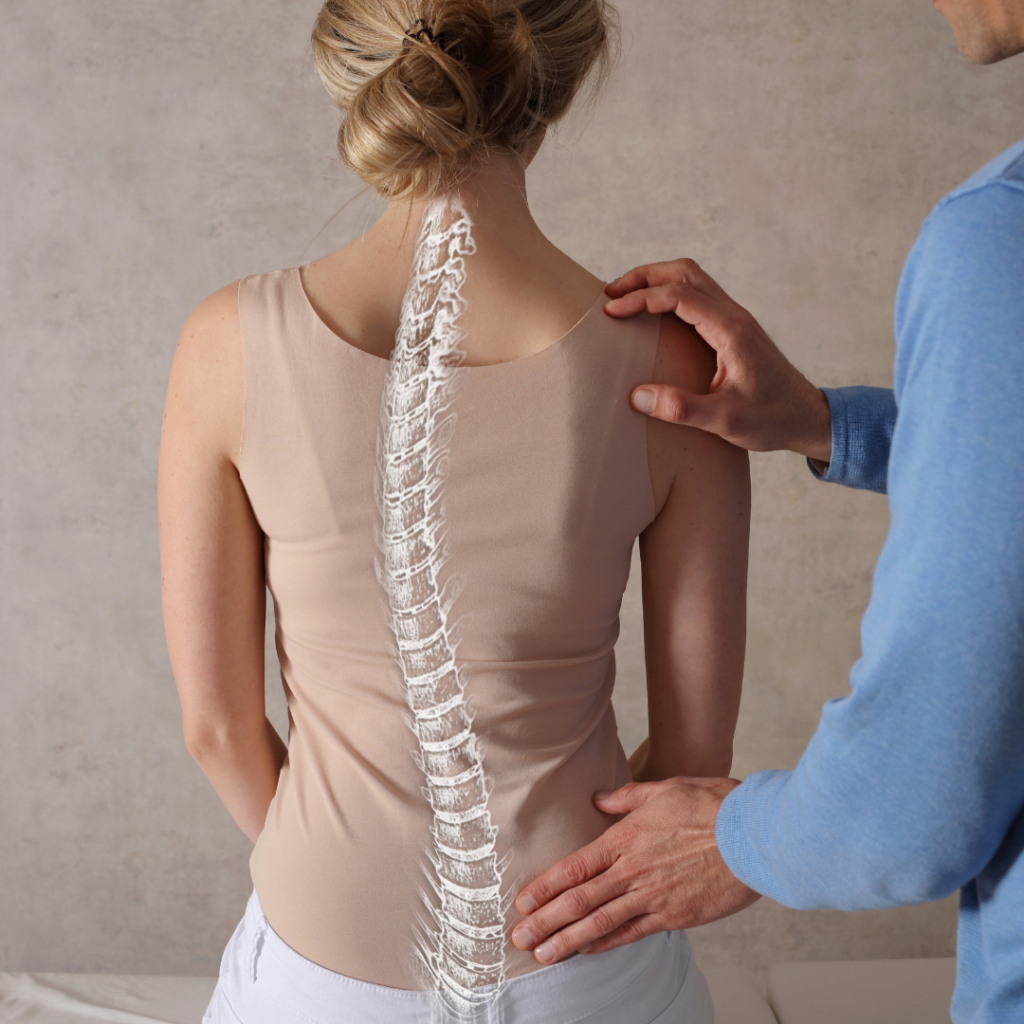
When it comes to back pain, you know that a one-size-fits-all approach rarely works. Each person's experience is unique, shaped by individual injuries, daily habits, and overall health. That's why understanding the importance of personalized plans is essential for effective relief. By identifying your specific pain triggers and incorporating tailored exercises and lifestyle adjustments, you can start a journey toward lasting wellness. But what elements should you consider in creating your custom plan? The answers might surprise you and could change how you approach your pain management.
Understanding Your Back Pain
Back pain is a common issue that affects about 80% of adults at some point in their lives. You might find yourself experiencing discomfort in your lower back, upper back, or even radiating pain down your legs. Understanding the source of your pain is essential for finding effective relief.
First, consider the type of pain you're feeling. Is it sharp, dull, or throbbing? Acute pain usually lasts a short time, often due to injury or strain. Chronic pain, on the other hand, persists for weeks or months, often linked to conditions like arthritis or disc degeneration. Identifying if your pain is acute or chronic can help narrow down potential causes.
Next, think about your daily activities. Do you sit for long hours at a desk? Lift heavy objects without proper form? Poor posture, lack of exercise, and improper lifting techniques can all contribute to back pain. By recognizing these habits, you can take steps to adjust them and reduce your discomfort.
Additionally, pay attention to any accompanying symptoms. Is there numbness, tingling, or weakness in your legs? These could indicate nerve issues requiring medical attention.
Finally, don't ignore your emotional health. Stress and anxiety can manifest as physical pain, including back discomfort. By understanding the multifaceted nature of your back pain, you can better communicate with healthcare professionals and take proactive steps toward relief.
Importance of Personalized Plans
Recognizing the unique nature of your back pain is vital in developing an effective treatment strategy. Each person's experience with back pain can vary widely, influenced by factors like the type of injury, lifestyle, and overall health. That's why personalized plans are important; they take into account your specific circumstances, guaranteeing you receive the most suitable care.
When you opt for a personalized plan, you address not just the symptoms but also the underlying causes of your pain. Generic treatments often overlook the nuances of your condition, which can lead to ineffective results or even exacerbate the problem. A tailored approach allows you to focus on what works best for you, helping to alleviate discomfort and improve your quality of life.
Moreover, personalized plans foster a sense of ownership over your recovery. You become an active participant in your healing journey, making informed decisions that resonate with your unique needs. This empowerment can boost your motivation, encouraging consistency in following your regimen and achieving better outcomes.
In addition, personalized plans can adapt as your condition evolves. As you progress, your treatment can be modified to reflect your improvements or any new challenges that arise. This flexibility guarantees that you're always on the right track toward relief.
Ultimately, embracing a personalized approach to your back pain relief can lead to more effective strategies, a greater understanding of your body, and a more fulfilling path to recovery. Don't settle for one-size-fits-all solutions; invest in what truly works for you.
Targeted Exercises for Relief
When it comes to managing back pain, targeted exercises play a key role in your recovery plan. These exercises can help strengthen the muscles that support your spine, improve flexibility, and enhance your overall posture. By focusing on specific areas, you can alleviate pain and prevent future discomfort.
Start with gentle stretching to improve your flexibility. Simple stretches like the cat-cow stretch or child's pose can relieve tension in your back. Aim to hold each stretch for 15-30 seconds, breathing deeply to promote relaxation.
Gradually incorporate strengthening exercises, such as bridges and planks, which target your core muscles. A strong core stabilizes your spine, making it less susceptible to injury.
It's also important to include exercises that promote mobility. Try gentle rotations and side bends, which can help maintain your spine's range of motion. Listen to your body; if an exercise causes pain, stop immediately and consult a healthcare professional.
As you progress, consider incorporating resistance bands or light weights to enhance your routine. This added resistance can further strengthen your back and core muscles. Aim for consistency; even a short daily routine can lead to significant improvements over time.
Don't forget to balance your exercise regimen with adequate rest. Allow your muscles to recover to avoid overexertion.
Lifestyle Adjustments to Consider
To effectively manage back pain, consider making some lifestyle adjustments.
Setting up an ergonomic workstation, incorporating a regular exercise routine, and practicing stress management techniques can greatly improve your comfort.
Let's explore how these changes can make a difference in your daily life.
Ergonomic Workstation Setup
An ergonomic workstation setup can greatly reduce back pain and enhance your overall comfort while working. To create a workspace that supports your body, start by adjusting your chair to guarantee your feet rest flat on the floor and your knees are at a right angle. If your chair is adjustable, tweak it until it fits you perfectly.
Next, position your monitor at eye level; this helps avoid straining your neck. Keep your screen about an arm's length away to reduce eye strain. If you use a keyboard and mouse, make sure they're at a height that allows your elbows to stay close to your body and form a 90-degree angle.
Don't forget about lumbar support! A small cushion or an adjustable chair with built-in support can help maintain the natural curve of your lower back.
Lastly, take regular breaks to stretch and change positions throughout the day. Standing or walking briefly can do wonders for your back and overall well-being.
Regular Exercise Routine
Incorporating a regular exercise routine can markedly improve your back health and overall well-being. Engaging in physical activity strengthens muscles that support your spine, enhances flexibility, and promotes better posture.
Start by integrating low-impact exercises like walking, swimming, or cycling into your weekly schedule. Aim for at least 150 minutes of moderate aerobic activity, spread throughout the week.
Don't forget to include strength training at least twice a week. Focus on core exercises that target the muscles in your abdomen and lower back, such as planks, bridges, and pelvic tilts. These exercises help stabilize your spine and reduce the risk of injury.
Stretching is equally important. Incorporate gentle stretches for your back, hips, and legs to alleviate tension and improve flexibility. Remember to listen to your body—if something doesn't feel right, modify the exercise or consult a professional.
Finally, consistency is key. Make your exercise routine a habit, and you'll likely see improvements in your back pain over time. By prioritizing regular exercise, you're not just working toward relief; you're investing in a healthier, more active lifestyle.
Stress Management Techniques
Managing stress plays an essential role in alleviating back pain and enhancing your overall well-being. When you're stressed, your body tenses up, which can exacerbate pain. Incorporating effective stress management techniques into your daily routine can provide significant relief.
First, consider deep breathing exercises. Taking just a few minutes each day to focus on your breath can calm your mind and relax your muscles.
Similarly, mindfulness meditation helps you stay present and reduce anxiety, which can also ease physical tension.
Another effective approach is engaging in physical activities you enjoy, such as yoga or tai chi. These practices not only promote flexibility and strength but also incorporate stress-relief techniques through movement and mindfulness.
Additionally, prioritize adequate sleep. A well-rested body can better cope with stress and heal from pain. Establish a calming bedtime routine, and verify your sleep environment is comfortable.
Lastly, don't hesitate to seek support. Talking to friends or a therapist about your stressors can offer new perspectives and coping strategies.
Innovative Therapies and Treatments
When it comes to managing your back pain, innovative therapies and treatments can transform your approach to relief.
From cutting-edge technology solutions to holistic healing methods and tailored exercise regimens, these options offer something for everyone.
Exploring these advancements might just lead you to the relief you've been searching for.
Cutting-Edge Technology Solutions
As you explore options for back pain relief, cutting-edge technology solutions are transforming the landscape of treatment. These advancements offer you innovative ways to manage and alleviate your pain effectively.
One of the most promising options is spinal cord stimulation, where a device is implanted to send electrical pulses to the spinal cord, disrupting pain signals before they reach your brain. This therapy can markedly reduce your discomfort and improve your quality of life.
Another exciting development is the use of regenerative medicine, which employs techniques like platelet-rich plasma (PRP) injections. By harnessing your body's natural healing processes, PRP can promote tissue repair and reduce inflammation in your back.
Wearable technology is also gaining traction. Devices that track your posture and movement can help you identify harmful habits that contribute to your pain.
Lastly, virtual reality (VR) therapy is emerging as a tool for pain management, providing immersive experiences that distract you from discomfort and teach you relaxation techniques.
These cutting-edge solutions empower you to take control of your back pain relief journey, making it more personalized and effective than ever before.
Holistic Healing Approaches
Exploring holistic healing approaches can open new avenues for back pain relief that resonate with your body's innate ability to heal. These methods focus on the whole person, not just the physical symptoms.
You might find relief through practices like acupuncture, which stimulates specific points to reduce pain and promote healing. Many individuals report significant improvements after just a few sessions.
Another option is chiropractic care, where skilled practitioners adjust your spine and joints, aiming to restore alignment and alleviate discomfort. This hands-on approach can enhance mobility and relieve tension in your back.
Mind-body techniques also play an essential role in holistic healing. Practices like yoga and meditation can help reduce stress, which often exacerbates back pain. By incorporating gentle stretches and mindfulness into your routine, you can foster a deeper connection with your body and promote relaxation.
Lastly, herbal remedies and nutritional adjustments may support your healing journey. Certain herbs and anti-inflammatory foods can help manage pain and improve overall health.
Tailored Exercise Regimens
Tailored exercise regimens can considerably enhance your back pain relief journey, offering targeted solutions that cater to your specific condition.
Unlike generic workouts, these personalized plans take into account your unique needs, limitations, and goals, making them more effective.
Here are three key components often included in tailored exercise regimens:
- Strengthening Exercises: These focus on building core muscles to support your spine, reducing strain and improving posture. Simple moves like planks and bridges can work wonders.
- Flexibility Training: Stretching exercises improve your range of motion and relieve muscle tension. Incorporating yoga or specific stretches can help you feel more limber and decrease stiffness.
- Low-Impact Aerobic Activities: Engaging in activities like swimming or walking can boost circulation without putting too much pressure on your back.
These help maintain overall fitness and promote healing.
Creating Your Custom Plan
Creating a custom plan for back pain relief means evaluating your unique situation and addressing your specific needs. Start by identifying the type of pain you're experiencing—whether it's sharp, dull, or radiating—and pinpoint when it occurs. Consider any triggers, like prolonged sitting or heavy lifting, and take note of your daily activities. This understanding will help you craft a plan that targets the root cause of your discomfort.
Next, assess your current physical condition. If you've been inactive or have underlying health issues, consult with a healthcare professional before starting any new regimen. They can help you determine safe exercises and therapies tailored to your capabilities.
It's crucial to include a mix of flexibility, strength training, and low-impact aerobic activities in your plan. Gentle stretches can improve mobility, while strength exercises bolster your back muscles for better support.
Additionally, incorporate lifestyle changes to enhance your overall well-being. Pay attention to your posture during daily activities and invest in ergonomic furniture if you spend long hours sitting. Regular breaks can also prevent stiffness.
Finally, monitor your progress. Keep a journal to track your pain levels, activities, and any modifications you make to your plan. This feedback will allow you to adjust your approach as needed and guarantee you're on the right path to recovery.
Conclusion
Incorporating a personalized plan for your back pain relief is key to your recovery. By understanding your unique pain and making targeted adjustments, you can empower yourself to manage and alleviate discomfort effectively. Remember to include exercises, lifestyle changes, and innovative therapies that suit your needs. Don't hesitate to consult with healthcare professionals to tailor your approach. With the right plan, you can take charge of your healing journey and greatly improve your quality of life.