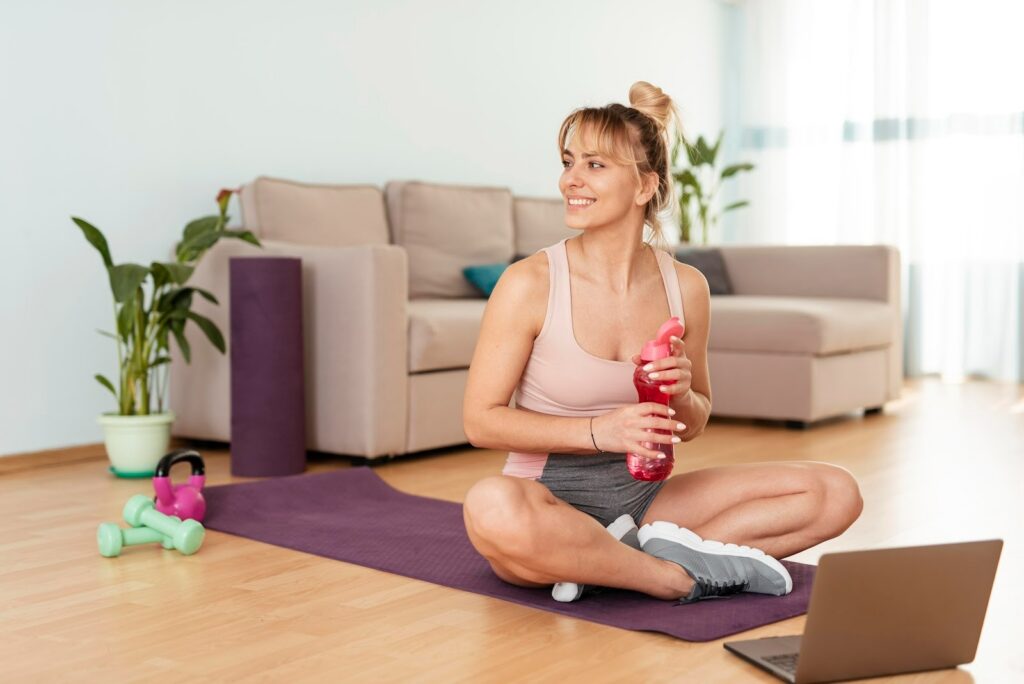
You might be surprised at how simple adjustments can greatly reduce anxiety and stress in your life. Techniques like mindful breathing and establishing a routine can create a sense of stability and calm. By integrating physical activity or even connecting with nature, you can enhance your mood and promote relaxation. These strategies aren't just about managing symptoms; they can transform your overall mental well-being. Curious about how these adjustments work and what specific practices can help? Let's explore the top ten ways to make a meaningful impact on your daily life.
Mindful Breathing Techniques
Amid the chaos of daily life, mindful breathing techniques offer a simple yet powerful way to manage anxiety and stress. When you feel overwhelmed, taking a moment to focus on your breath can ground you, bringing clarity and calmness.
Start by finding a comfortable position, whether you're sitting or standing. Close your eyes if you can, and take a deep breath in through your nose, allowing your abdomen to expand. Hold that breath for a count of four before releasing it slowly through your mouth. Repeat this process several times.
As you breathe, pay attention to the sensations in your body. Notice how your chest rises and falls, and how the air feels as it enters and exits. Try to let go of any racing thoughts; if they pop up, gently acknowledge them and return your focus to your breath. Practicing this for just a few minutes can help you regain control, making it easier to face whatever's causing your anxiety.
You can incorporate mindful breathing into your daily routine. Whether it's during your morning commute, a lunch break, or before bed, these moments of intentional breathing can create a sense of peace.
Over time, you'll likely find that the more you practice, the easier it becomes to tap into this calming technique. So next time stress creeps in, remember that your breath is a powerful tool—use it to your advantage.
Decluttering Your Space
When you clear your space, you create a more inviting environment that helps reduce anxiety.
A tidy area can boost your mental clarity, allowing you to focus better on the tasks at hand.
Start by organizing your surroundings, and watch how it transforms your mindset.
Clear Visual Environment
A cluttered space can quickly lead to a cluttered mind, making it harder for you to focus and relax. When your environment is filled with unnecessary items, it creates visual noise that can overwhelm your senses. By decluttering, you can transform your surroundings into a clear visual environment that promotes peace and tranquility.
Start by evaluating your space. Identify items that no longer serve a purpose or bring you joy. Create designated areas for frequently used items and store away the rest. This not only clears your physical space but also reduces the mental load of having to constantly navigate through chaos.
Consider using storage solutions like bins, shelves, or organizers to keep things tidy. When everything has a place, it's easier to maintain order. A clear workspace can enhance your productivity, making it simpler to concentrate on tasks at hand.
Finally, incorporate elements that inspire calmness, such as plants, calming colors, or artwork. These additions can elevate your mood and create a soothing atmosphere.
Boosted Mental Clarity
Decluttering your space can greatly boost your mental clarity, making it easier to think and make decisions. When you remove unnecessary items, you create a clean, organized environment that allows your mind to focus. This not only reduces distractions but also helps alleviate feelings of anxiety.
You might find the following benefits of decluttering particularly motivating:
- Increased focus: With fewer items vying for your attention, you can concentrate on what truly matters.
- Enhanced creativity: A clear space often leads to a clearer mind, fostering innovative thoughts and ideas.
- Improved mood: An organized environment can lift your spirits, making you feel more in control and less overwhelmed.
- Reduced stress: Knowing your space is tidy can lower anxiety levels, giving you peace of mind.
Take a moment to evaluate your surroundings. Are there items that no longer serve you? By decluttering, you pave the way for mental clarity, allowing your thoughts to flow freely and efficiently.
Establishing a Routine
Your daily routine can be a powerful tool in managing anxiety and stress. When you establish a consistent schedule, you create predictability in your life, which can greatly reduce feelings of uncertainty.
Start by identifying key activities you want to include in your day, such as work, exercise, and relaxation. Having a structure helps you prioritize what matters most and allows you to allocate time for self-care.
Begin your day with a set wake-up time. This simple habit signals your brain that it's time to rise and tackle the day ahead. Incorporate small rituals, like a morning stretch or a cup of tea, to set a positive tone.
Break your tasks into manageable chunks, using time blocks to maintain focus without feeling overwhelmed.
Throughout the day, be sure to schedule short breaks. These moments of pause help you recharge, preventing burnout. Whether you take a brisk walk or practice deep breathing, these breaks can ground you and alleviate tension.
As you wind down, establish a consistent evening routine. This might include reading or meditating, allowing your body to signal that it's time to relax.
A good night's sleep is essential for managing anxiety, so try to maintain a regular bedtime.
Practicing Gratitude Daily
Practicing gratitude daily can transform your mindset and reduce anxiety.
Start your mornings with a gratitude ritual, jot down positive moments in a journal, and don't forget to express thanks to others throughout your day.
These simple actions can help you focus on the good in your life and cultivate a more positive outlook.
Morning Gratitude Rituals
Start each day with a moment of gratitude to set a positive tone for what lies ahead. By incorporating a morning gratitude ritual into your routine, you can markedly uplift your mood and reduce anxiety. Taking just a few minutes each morning to reflect on what you appreciate can create a powerful shift in your mindset.
Consider focusing on these aspects during your morning ritual:
- Loved ones: Think about the people who bring joy and support into your life.
- Nature: Appreciate the beauty of the world around you, from the rising sun to the sound of birds.
- Achievements: Acknowledge your accomplishments, no matter how small they may seem.
- Opportunities: Embrace the potential of a new day and the possibilities it holds.
As you express gratitude, you'll notice a sense of calm wash over you. This practice not only helps alleviate stress but also fosters a more optimistic outlook.
Starting your day with gratitude can pave the way for resilience during challenging moments, enhancing your emotional well-being. So, take a deep breath, smile, and let your heart fill with appreciation as you begin anew.
Journaling Positive Moments
Building on the foundation of morning gratitude rituals, journaling positive moments can further enrich your practice of appreciation. By dedicating just a few minutes each day to write down the good things that happened, you'll train your mind to focus on positivity. This simple act can shift your perspective, helping you recognize the joy in everyday life.
Choose a comfortable space and keep your journal handy. Each evening, reflect on your day and jot down at least three positive moments. They can be as small as enjoying a warm cup of coffee or as notable as achieving a personal goal. The key is to be specific—this clarity deepens your gratitude.
As you consistently journal, you'll start to notice patterns in what brings you joy. This awareness can provide insight into the activities and relationships that make you feel fulfilled.
Plus, revisiting these moments can serve as a powerful reminder during tough times, helping you combat anxiety and stress.
Incorporating this practice into your daily routine not only fosters a sense of accomplishment but also nurtures a positive mindset that can meaningfully enhance your overall well-being.
Expressing Thanks to Others
Expressing thanks to others can greatly enhance your sense of connection and well-being. When you take the time to acknowledge the kindness and support you receive, it not only uplifts those around you but also fosters a positive mindset within yourself.
Practicing gratitude daily can shift your focus from stress and anxiety to appreciation and joy.
Here are some simple ways to express your thanks:
- Write a heartfelt note or message to someone who's made a difference in your life.
- Offer a genuine compliment to a friend or colleague, highlighting their strengths.
- Share a moment of gratitude during family meals, encouraging everyone to join in.
- Volunteer your time or resources to support those in need, spreading kindness further.
When you make gratitude a regular part of your life, you'll find that it creates a ripple effect. You'll not only feel lighter and happier, but you'll also strengthen your relationships and build a more supportive community.
Incorporating Physical Activity
Incorporating physical activity into your daily routine can considerably reduce anxiety and stress levels. Regular exercise releases endorphins, which are natural mood lifters. When you engage in physical activity, even a brisk walk or a short workout, you activate those endorphins, helping to mitigate feelings of stress and anxiety.
You don't have to hit the gym for hours to reap these benefits. Simple activities like gardening, dancing, or playing with your dog can work wonders. Aim for at least 30 minutes of moderate activity most days of the week. You'll notice that even a short burst of exercise can clear your mind and boost your mood.
Additionally, incorporating physical activity can improve your sleep quality. When you're physically active during the day, your body is more likely to feel tired and ready for rest at night. A good night's sleep is vital for managing stress and anxiety.
You might also find that exercising in a group setting provides social support, which can enhance your sense of belonging and reduce feelings of isolation. Consider joining a local sports team or signing up for a fitness class.
Lastly, make physical activity enjoyable. Choose activities that you genuinely like, and you'll be more likely to stick with them. Whether it's cycling, swimming, or hiking, find what energizes you.
Limiting Screen Time
Limiting your screen time can greatly reduce anxiety and stress.
By taking breaks from digital devices, you open up space for mindfulness and being present in the moment.
This digital detox can help you reconnect with yourself and the world around you.
Digital Detox Benefits
Taking a break from screens can do wonders for your mental health. When you step back from the digital world, you create space for clarity and peace in your life. You mightn't realize how much constant notifications and scrolling can wear you down until you take that detox.
Here are some benefits you can experience:
- Improved focus: Without distractions, you can concentrate better on tasks that matter.
- Better sleep: Reducing screen time, especially before bed, promotes deeper, more restful sleep.
- Enhanced creativity: Disconnecting opens up your mind to new ideas and inspiration.
- Stronger relationships: Engaging in face-to-face conversations fosters deeper connections with loved ones.
Embracing a digital detox can help you reclaim your time and energy. By limiting your screen time, you're not just reducing stress; you're enhancing your overall well-being.
You'll find that life's simple pleasures become more vivid and enjoyable. So, why not give it a try? Your mind and body will thank you for it. A little break can lead to big changes, and you deserve that peace.
Mindfulness and Presence
Amid the chaos of daily life, practicing mindfulness can greatly enhance your sense of presence and well-being. One effective way to do this is by limiting your screen time. When you reduce the hours spent on devices, you create space for self-reflection and awareness. Instead of scrolling through social media or binge-watching shows, try to engage with the world around you.
Start with small changes. Designate specific times for checking your phone or computer, and stick to them. Use the extra time to connect with nature, enjoy a hobby, or simply sit quietly and focus on your breath. By being present in these moments, you'll find that your thoughts become clearer, and your anxieties may lessen.
Incorporating mindfulness practices, like meditation or deep breathing, can further enhance your ability to stay grounded. As you become more aware of your surroundings and feelings, you'll cultivate a stronger sense of peace.
Connecting With Nature
How often do you find yourself overwhelmed by daily stressors? Whether it's work deadlines, family obligations, or endless to-do lists, life can feel like a relentless whirlwind. One of the most effective ways to alleviate anxiety and stress is simply to connect with nature. Stepping outside, even for just a moment, can ground you and provide a fresh perspective.
When you immerse yourself in natural surroundings, you might experience the following:
- The soothing sound of rustling leaves can calm your racing thoughts.
- The vibrant colors of flowers and trees can lift your spirits.
- The gentle breeze against your skin reminds you to breathe deeply.
- Watching clouds drift can help you let go of what you can't control.
Nature has a unique way of bringing you back to the present. It encourages mindfulness without effort. You don't need to plan an elaborate trip; a walk in your local park or simply sitting in your backyard can do wonders.
Take a moment to observe the little things—the way sunlight filters through the branches or the sound of birds chirping. These small connections can remind you that the world is larger than your problems.
The natural world offers a refuge, a space where you can recharge and reconnect with yourself. So, next time you feel that wave of anxiety wash over you, step outside, breathe in the fresh air, and let nature work its magic.
Setting Boundaries
Establishing boundaries is essential for managing anxiety and stress in your life. By defining what you'll and won't accept from others, you create a protective space that fosters your well-being. Without clear boundaries, you might find yourself overwhelmed, trying to please everyone, which only heightens your stress.
Start by identifying your limits. Reflect on what makes you feel anxious or drained, whether it's taking on too many responsibilities or tolerating toxic relationships. Once you understand your limits, communicate them assertively. You don't have to be rude; simply express your needs and expectations clearly. For example, if a friend frequently calls you during work hours, let them know you're unavailable and prefer to catch up later.
It's also important to practice saying no. You may feel guilty at first, but remember that prioritizing your mental health isn't selfish. When you say no to things that drain you, you're saying yes to your own peace of mind.
Additionally, set time limits on social interactions. If you're feeling overwhelmed, it's okay to excuse yourself from a gathering early. This not only protects your energy but also reinforces your boundaries.
Lastly, regularly reassess your boundaries. Life changes, and so do your needs. By staying attuned to your feelings and adjusting your boundaries as necessary, you can maintain a healthier, more balanced life, ultimately reducing anxiety and stress.
Utilizing Aromatherapy
Aromatherapy offers a soothing escape from the chaos of everyday life, making it an effective tool for alleviating anxiety and stress. By harnessing the power of essential oils, you can create an environment that promotes relaxation and emotional well-being.
Whether you're at home or on the go, incorporating aromatherapy into your routine can transform your mood and help you find peace amidst the turmoil.
To get started, consider these essential oils that can uplift your spirit and calm your mind:
- Lavender: Known for its calming properties, it can help you unwind after a long day.
- Bergamot: This citrus scent is uplifting and can ease feelings of tension and anxiety.
- Chamomile: With its gentle aroma, it promotes relaxation and can help improve sleep quality.
- Peppermint: A revitalizing scent that invigorates the mind and helps clear mental fatigue.
You don't need to be an expert to enjoy the benefits of aromatherapy. Simply add a few drops of your chosen essential oil to a diffuser, or apply it topically with a carrier oil.
You can also create a calming atmosphere by adding a few drops to your bath or using a scented candle.
Engaging in Creative Hobbies
Engaging in creative hobbies can considerably reduce anxiety and stress, providing an outlet for self-expression and relaxation. When you immerse yourself in activities like painting, writing, or crafting, you allow your mind to focus on something enjoyable instead of stressors. This shift in attention helps you unwind and fosters a sense of accomplishment.
Creative hobbies also encourage mindfulness. As you concentrate on the colors of a painting or the rhythm of your writing, you become present in the moment. This practice can break the cycle of negative thoughts and worries, grounding you in a more positive mindset.
Plus, the act of creating can be meditative, offering a break from the chaos of daily life. Don't worry about being perfect or producing a masterpiece. The goal is to enjoy the process and express yourself freely. Even simple activities like doodling or coloring can provide significant relief.
You might find that losing yourself in a creative project allows you to explore emotions and thoughts you didn't even know were there. Additionally, sharing your creations with others can strengthen social connections, which are essential for mental well-being.
Whether you join a local art class or share your work online, you'll find a supportive community that understands the therapeutic benefits of creativity.
Conclusion
By incorporating these adjustments into your daily life, you can effectively alleviate anxiety and stress. Mindful breathing, decluttering, and establishing routines create a sense of calm and stability. Practicing gratitude and engaging in physical activity boost your mood, while connecting with nature and setting boundaries protect your mental well-being. Don't forget the power of aromatherapy and creative hobbies to enhance emotional expression. Embrace these simple yet impactful changes, and you'll find a greater sense of peace and balance.