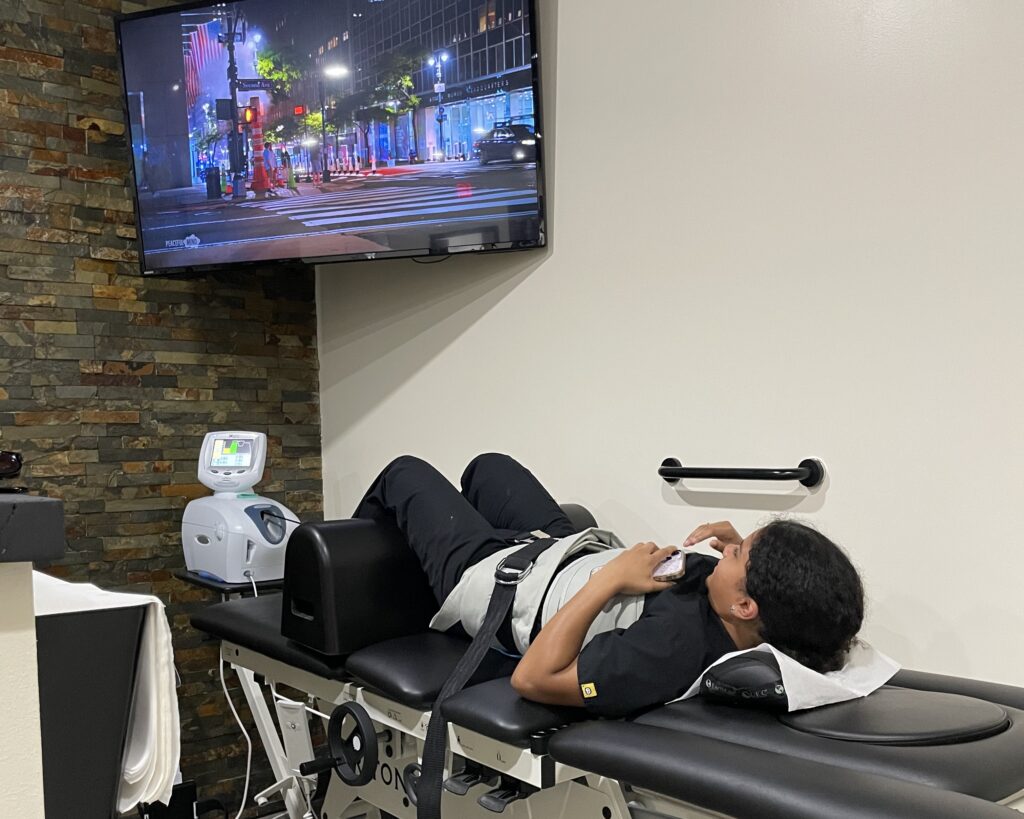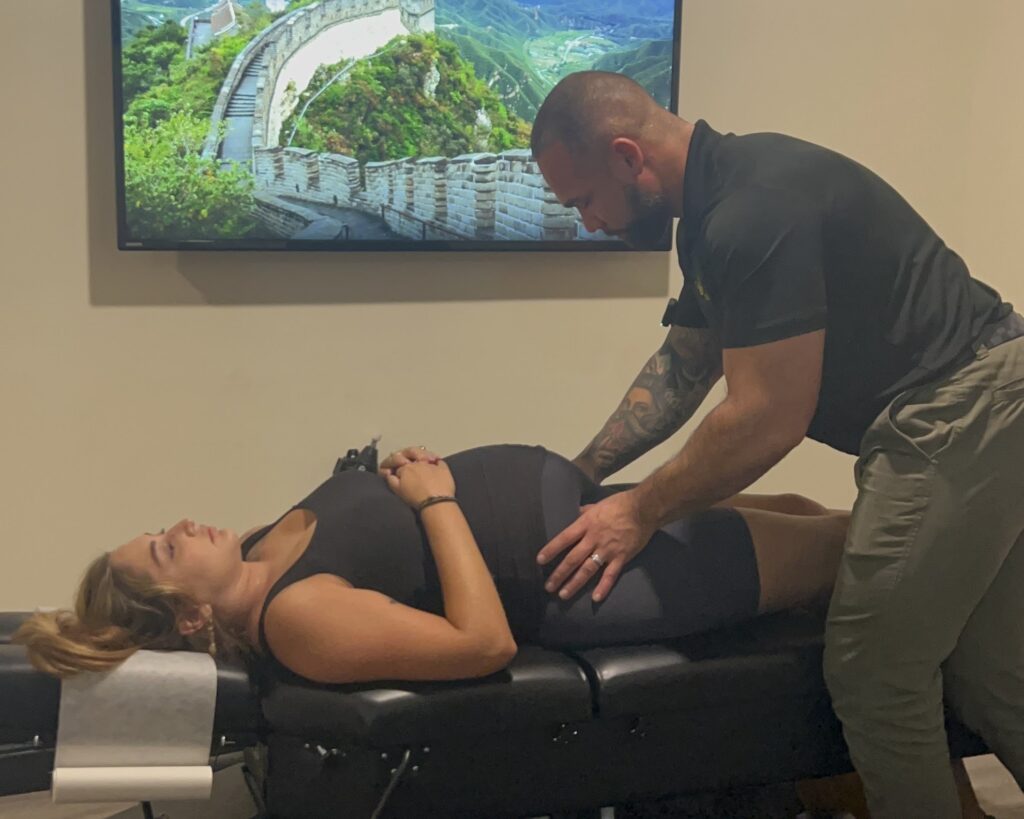
As a local chiropractor, I understand that chronic back pain can be a significant hurdle in your daily life. However, I want to share with you some practical strategies that can help alleviate that discomfort naturally. By paying attention to your posture, incorporating regular exercise into your routine, and exploring mindfulness techniques, you can make substantial progress towards relief.
Chiropractic care focuses on promoting your body's natural ability to heal itself. Methods such as heat therapy can soothe tight muscles and enhance circulation, while alternative treatments we offer may provide surprising benefits to your overall wellness. Each of these approaches targets different aspects of pain management, and discovering the right combination that works for you is essential.
If you're curious about specific steps you can take to create a more comfortable and fulfilling life without relying solely on medication, I encourage you to reach out. Together, we can develop a personalized plan that addresses your unique needs and helps you regain control over your health.
Maintain Good Posture
As a local chiropractor, I want to emphasize how crucial good posture is for the health of your spine and overall well-being. Your backbone thrives when you maintain proper alignment, which can significantly reduce the risk of back pain and discomfort. Many people don't realize that poor posture—like slouching or hunching—can lead to tension and discomfort over time, which is where I come in to help.
To start improving your posture, it's important to be mindful of how your body is aligned throughout the day. When you sit, ensure that your feet are flat on the ground and your knees are positioned at a right angle. Your back should be supported by the chair, and your shoulders should be relaxed, avoiding any slumping.
If you spend long hours at a desk, I recommend adjusting your chair and monitor to ensure they're at the correct height. This will help prevent you from leaning forward or straining your neck.
When standing, distribute your weight evenly across both feet. Keep your shoulders back, your chest lifted, and align your head with your spine. A helpful tip is to visualize a string gently pulling you upward from the crown of your head—this mental image can assist you in maintaining an upright posture.
By paying attention to your posture and making these adjustments, you can support your spine's health and enhance your overall quality of life.
If you have specific concerns or are experiencing discomfort, don't hesitate to reach out for a personalized consultation. Together, we can work towards a healthier, pain-free future.
Exercise Regularly
As a local chiropractor, I want to emphasize the importance of regular exercise in managing and preventing back pain. Engaging in a consistent exercise routine is crucial for strengthening your core muscles, which support your spine, and for improving flexibility, which can help reduce tension in your back.
Incorporating low-impact activities into your daily life is also key, as these can enhance your back's stability and mobility without putting too much strain on your body.
Let's delve into how each of these components contributes to your overall back health. Strengthening your core provides the foundation for a strong spine, while improved flexibility allows for better movement and less discomfort.
Strengthening Core Muscles
As a local chiropractor, I want to share with you the importance of strengthening your core muscles for alleviating back pain and enhancing overall stability. A strong core not only supports your spine but also helps to reduce strain on your back, which is crucial for maintaining a healthy body.
Here are some effective exercises I encourage you to consider incorporating into your routine:
- Planks: Begin by holding a plank position for about 30 seconds. As you build strength, you can gradually increase the duration. This exercise engages multiple core muscles while keeping pressure off your back, making it a safe choice for everyone.
- Bird-Dogs: Start on all fours and extend one arm and the opposite leg at the same time. Hold this position for a few seconds before switching sides. This movement not only improves your balance but also enhances core stability, which is vital for spinal health.
- Bridges: Lie on your back with your knees bent and feet flat on the ground. Gently lift your hips off the floor, squeezing your glutes at the top. This exercise is excellent for strengthening your lower back and glutes, both of which play key roles in supporting your spine.
- Dead Bugs: While lying on your back with your arms and legs raised, slowly lower one arm and the opposite leg, then return to your starting position. This exercise promotes coordination and builds core strength, contributing to better spinal alignment.
By integrating these exercises into your daily routine, you can significantly improve your core strength, which in turn can alleviate back pain and enhance your overall stability.
Remember to start small and stay consistent; over time, you'll likely notice a positive difference in how you feel. As your chiropractor, I'm here to guide you on this journey toward better health and wellness through natural healing practices.
Flexibility and Stretching
As a local chiropractor, I want to emphasize the importance of flexibility and stretching when it comes to maintaining a healthy spine and preventing back pain. While building a strong core is essential, incorporating regular stretching into your routine can be a game changer for alleviating discomfort and enhancing your overall well-being.
When you engage in stretching, you're not just improving your flexibility; you're also increasing your range of motion and reducing muscle tension, which can significantly relieve back pain. I recommend starting with gentle stretches that focus on the major muscle groups in your back, hips, and legs. Simple movements like the cat-cow, child's pose, and hamstring stretch can be incredibly effective in releasing tightness.
To gain the most benefit, hold each stretch for at least 20-30 seconds. Pay attention to your breathing during these stretches, as it promotes relaxation and helps you connect with your body. You don't need to be an expert in yoga to experience the benefits of stretching—just a few minutes a few times a week can make a significant difference.
I encourage you to listen to your body; always avoid pushing yourself into pain. Consistency is vital. As you continue with your stretching routine, you'll likely notice increased flexibility and a reduction in back pain.
Additionally, making stretching a regular part of your day can enhance your mobility, making everyday activities easier and more enjoyable.
Low-Impact Activities
As your local chiropractor, I want to emphasize the importance of engaging in low-impact activities to support your back health and overall well-being.
These exercises can help you stay active while minimizing strain on your joints, which is crucial for maintaining a healthy spine. By incorporating low-impact activities, you can improve your mobility, strengthen your core, and alleviate back pain.
Here are some excellent options to consider:
- Walking: This simple activity can greatly enhance circulation and keep your muscles engaged without placing excessive pressure on your back. It's one of the easiest ways to incorporate movement into your daily routine.
- Swimming: The buoyancy of water provides support for your body, allowing you to move freely and strengthen your muscles without the stress of impact. Swimming isn't only enjoyable but also a fantastic full-body workout.
- Yoga: This practice focuses on gentle stretching and strengthening exercises that can improve your flexibility while reducing tension in your back. Many patients find that yoga helps them develop better body awareness and posture.
- Cycling: Whether you choose a stationary bike or ride outdoors, cycling offers a fantastic cardiovascular workout while being gentle on your spine. It's a great way to get your heart pumping without risking injury.
Incorporating these low-impact activities into your routine can significantly aid in managing chronic back pain and improving your quality of life.
As always, I encourage you to listen to your body and consult with a healthcare professional before starting any new exercise program, especially if you're experiencing discomfort.
Together, we can create a personalized approach to your health and wellness.
Utilize Physical Therapy
While many individuals attempt to handle back pain independently, seeking chiropractic care can offer specialized relief and enhance your overall mobility. As a chiropractor, I'm trained to evaluate your specific condition and develop a personalized treatment plan that caters to your unique needs. My focus is on adjusting the spine and ensuring that your body is functioning optimally, which can help alleviate pain and prevent future issues.
During your visits, you'll learn the correct techniques for stretching and strengthening exercises specific to your situation. This knowledge is crucial, as performing movements incorrectly can worsen your discomfort. I'll also guide you on how to maintain proper posture and body mechanics, which are vital for your daily activities. By integrating these practices into your everyday routine, you'll likely experience a significant reduction in pain.
In addition to spinal adjustments, chiropractic care often includes hands-on techniques such as myofascial release and soft tissue manipulation. These methods can improve circulation and facilitate healing. I may also use supportive therapies like heat, ice, or electrical stimulation to help relieve pain and reduce inflammation.
As you progress in your treatment, I'll continuously evaluate your improvement and adjust your care plan accordingly. This ongoing support is essential to keep you motivated and accountable on your journey to wellness.
Practice Mindfulness and Meditation
As a chiropractor, I want to share how incorporating mindfulness and meditation into your daily routine can significantly help alleviate back pain. These practices promote relaxation and mental clarity, which are essential for overall well-being. When your mind is calm, it can reduce the stress that often exacerbates physical discomfort.
Here are some ways you can integrate mindfulness and meditation to support your recovery from chronic back pain:
- Set Aside Time: I recommend dedicating at least 10-15 minutes each day to mindfulness or meditation. Find a quiet space where you feel at ease and won't be interrupted. Consistency is key to reaping the benefits.
- Focus on Your Breath: Begin by sitting or lying down comfortably. Shift your attention to your breath—inhale deeply through your nose, pause for a moment, and then exhale slowly through your mouth. This practice helps ground you in the present and can ease tension in your body.
- Body Scan Technique: Engage in a body scan to heighten your awareness of physical sensations. Start from your toes and mentally explore each part of your body, noting any areas of tension or discomfort. Acknowledging these sensations can facilitate a release of pent-up stress and contribute to your healing process.
- Guided Meditations: Consider using apps or online videos for guided mindfulness sessions. These resources can offer structure and support, making it easier for you to stay focused and engaged during your practice. They can be a valuable supplement to your chiropractic care.
Apply Heat or Cold Therapy
As your local chiropractor, I want to share some valuable insights about managing back pain through heat and cold therapy.
These methods can truly transform your experience and provide significant relief.
Heat therapy is excellent for relaxing tight muscles and enhancing blood flow to the affected area. It can soothe aching backs and help restore mobility.
On the other hand, cold therapy is effective in reducing inflammation and numbing sharp pain, particularly after a recent injury or flare-up.
Understanding when to apply heat versus cold, and how to switch between the two, can make a substantial difference in your recovery.
I encourage you to explore these natural healing techniques as part of your journey towards better health.
If you have any questions or need personalized guidance, I'm here to help!
Benefits of Heat Therapy
As a local chiropractor, I want to share the incredible benefits of heat therapy for those dealing with back pain. Many of you may not be familiar with the natural healing methods we use, but heat therapy is a simple yet effective way to promote relief and recovery.
When you apply heat to the affected area, it can significantly enhance your healing process and reduce discomfort. Here's how it works:
- Enhanced Circulation: The warmth from heat therapy increases blood flow, allowing vital nutrients to reach damaged tissues. This boost in circulation helps speed up recovery and supports overall healing.
- Muscle Relaxation: Heat is excellent for easing muscle tension. By relaxing tight muscles, it can alleviate stiffness and improve your range of motion, making it easier to move and engage in daily activities.
- Pain Reduction: Heat therapy can effectively block pain signals sent to your brain, providing a soothing sensation that diminishes your perception of pain. This can be particularly helpful for those with chronic pain.
- Improved Flexibility: The combination of increased blood flow and muscle relaxation not only helps reduce pain but also enhances flexibility. You may find it easier to perform everyday tasks without discomfort.
To incorporate heat therapy into your routine, consider using a heating pad, a warm towel, or taking a hot bath.
Just remember to monitor the duration of heat application to avoid burns. By embracing heat therapy, you're taking an important step toward managing your back pain naturally.
If you have any questions or need further guidance, feel free to reach out—I'm here to help you on your journey to wellness!
Cold Therapy Techniques
As your local chiropractor, I'm here to help you understand how cold therapy can be a valuable tool in managing your back pain. Many people are unaware that applying cold can be just as beneficial as using heat. Cold therapy works by reducing inflammation and numbing sharp pain, providing significant relief for those struggling with discomfort.
You can use a variety of cold sources, such as ice packs, frozen vegetables, or specialized gel cold packs. Just a quick reminder: always wrap these items in a cloth before applying them to your skin to prevent any cold-related injuries.
To use cold therapy effectively, find a comfortable position and place the cold source on the affected area for about 15-20 minutes. You can repeat this process every hour as needed. It's essential to listen to your body—if you start to feel more discomfort, remove the cold source right away.
While there are also techniques like contrast therapy, which involves alternating between cold and heat, we'll focus on cold therapy for now as it can be especially effective on its own. Additionally, you might want to consider using a cold compress or a gel pack specifically designed for back pain relief.
Finally, remember the importance of staying hydrated. Drinking water aids your body's recovery from inflammation, enhancing the effects of cold therapy.
When to Alternate
As a local chiropractor, I want to help you understand how to effectively manage chronic back pain through the use of heat and cold therapy. When used correctly, these methods can significantly enhance your recovery and overall comfort.
Here are some key guidelines to help you navigate when to use heat or cold therapy:
- Start with Cold Therapy: If you've recently sustained a back injury or are experiencing swelling, it's best to begin with cold therapy. This method numbs the affected area and helps reduce inflammation, providing immediate relief.
- Transition to Heat: Once the initial 48 hours have passed and the swelling has subsided, incorporating heat therapy can be very effective. Heat helps to relax tight muscles and increase blood circulation, which is essential for the healing process.
- Alternate Every 20 Minutes: For ongoing discomfort, I recommend alternating between heat and cold every 20 minutes. This approach can help manage inflammation while also soothing any persistent soreness you may be experiencing.
- Tune into Your Body: Remember, every individual's experience with pain is unique. It's important to listen to your body and assess how it responds to each type of therapy. If you find that one method offers more relief than the other, it's perfectly fine to follow what feels best for you.
By understanding when to alternate between these therapies, you can take an active role in your recovery and enhance your overall well-being.
If you have any questions or would like personalized guidance, feel free to reach out during your next visit!
Consider Alternative Treatments
As a local chiropractor, I want to share how alternative treatments can provide relief for back pain, especially when traditional methods haven't brought you the results you're looking for. If you've felt frustrated with standard therapies, exploring holistic approaches could be your next step towards healing.
One of the most effective alternative treatments is chiropractic care. Our goal is to help you achieve optimal spinal alignment through gentle manual manipulation. Many patients report significant improvements in their back pain after just a few sessions. If you haven't yet experienced chiropractic care, I encourage you to consult with me or another qualified chiropractor to see how this method can benefit you.
In addition to chiropractic adjustments, practices such as yoga and Pilates can be incredibly helpful. These methods focus on enhancing flexibility, strength, and posture, which are essential for relieving back tension and preventing future discomfort. I often recommend classes or online tutorials to help my patients get started on their journey to better body alignment.
You might also consider incorporating herbal supplements like turmeric and ginger into your routine. Both of these herbs have natural anti-inflammatory properties that may aid in alleviating pain. However, it's crucial to discuss any new supplements with your healthcare provider to ensure they're appropriate for your individual situation.
Lastly, don't underestimate the power of mindfulness and meditation techniques. These practices can significantly aid in pain management by reducing stress and enhancing your mental resilience. By embracing these alternative treatments alongside chiropractic care, you may uncover a new and effective way to address your chronic back pain.
Optimize Your Sleep Environment
As a local chiropractor, I often see how the quality of sleep directly influences your overall well-being, especially when it comes to managing chronic pain, including back pain.
To help you create an optimal sleep environment, I've compiled some essential tips that can make a significant difference in your nightly rest:
1. Select the Right Mattress: It's crucial to choose a mattress that supports your spine properly. I recommend a medium-firm mattress that adapts to your body shape while ensuring adequate support. This can help maintain proper spinal alignment throughout the night.
2. Invest in Supportive Pillows: The right pillow is key to a good night's sleep. If you sleep on your back, consider using a thinner pillow under your head, along with a rolled towel placed under your knees to help keep your spine aligned.
For side sleepers, a firmer, thicker pillow can fill the gap between your head and the mattress, which is essential for maintaining proper neck alignment.
3. Control the Room Temperature: The temperature of your bedroom can significantly impact your sleep quality. Aim for a cool environment, ideally between 60-67°F (15-19°C), as this range is often considered optimal for restful sleep.
4. Reduce Noise and Light: A peaceful sleep environment is vital for restorative rest. To minimize disturbances, consider using blackout curtains to block out light and a white noise machine to drown out any disruptive sounds.
By making these adjustments to your sleep environment, you can create a space that supports your body's natural healing processes and helps you wake up feeling more refreshed and less prone to back pain.
If you have further questions or need assistance with your sleep posture, don't hesitate to reach out!
Conclusion
As a local chiropractor, I want to share some effective strategies to help alleviate chronic back pain that you can incorporate into your daily routine. First and foremost, maintaining good posture is crucial for the health of your spine. I encourage you to be mindful of your body alignment throughout the day.
Regular exercise is another vital component. Engaging in appropriate physical activity strengthens the muscles that support your back, reducing discomfort. I often recommend specific exercises tailored to your needs during our sessions.
Additionally, don't overlook the benefits of mindfulness practices, such as meditation or deep-breathing exercises, which can help you manage pain more effectively. Heat or cold therapy can also provide significant relief, so consider experimenting with these methods to see what works best for you.
Furthermore, I suggest exploring alternative treatments, such as chiropractic adjustments or massage therapy, which can complement your healing journey. Lastly, ensure your sleep environment is conducive to spinal health—investing in a supportive mattress and pillow can make a world of difference.
With commitment and a holistic approach to your well-being, you can find relief from chronic back pain and enhance your overall quality of life. Remember, I'm here to guide you on this path to natural healing.