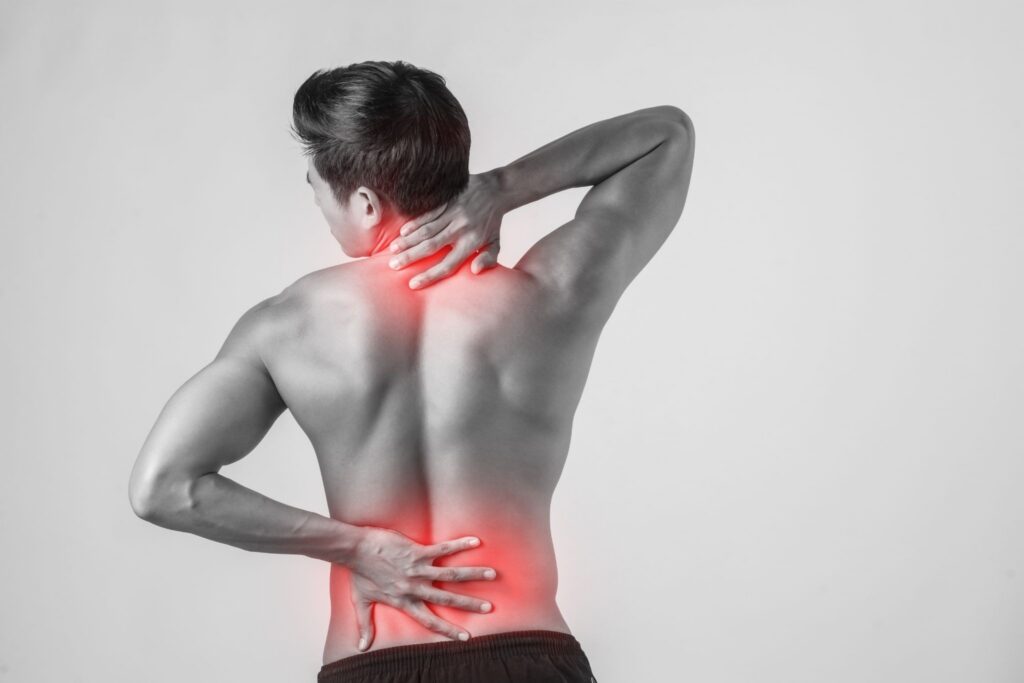
When you manage chronic pain effectively, you open up several key benefits that can greatly improve your quality of life. You'll find that enhancing your physical function can lead to more active days, while a focus on mental well-being helps you cultivate a healthier mindset. Additionally, managing pain can strengthen your social connections, reducing feelings of isolation. But what specific strategies can you implement to achieve these advantages? Let's explore how you can take control of your pain management journey.
Improved Physical Function
Managing chronic pain effectively can lead to improved physical function, allowing you to reclaim activities you once enjoyed. When you address pain management head-on, you'll notice that everyday tasks become less overwhelming. You might find yourself moving with more ease, whether it's taking a stroll in the park, engaging in your favorite hobby, or simply completing household chores.
Incorporating physical therapy and exercise into your routine can greatly enhance your mobility and strength. As you work with professionals, you'll learn tailored techniques that fit your specific needs and limitations. This proactive approach can help you build resilience, so you're not just managing pain but actively improving your body's capabilities.
Moreover, when you focus on improving physical function, you may also discover an increase in your energy levels. By participating in regular, low-impact activities, your stamina can grow, making it easier to engage in social events or family gatherings. As you gain confidence in your body's abilities, you'll be more inclined to pursue new experiences.
Additionally, maintaining a healthy weight through physical activity can alleviate pressure on your joints and muscles, further reducing pain. This cycle of movement and strength-building fosters a sense of empowerment, allowing you to take charge of your health journey.
Ultimately, improved physical function can lead to a more fulfilling, active life, where you're not held back by pain but instead are motivated to explore all that life has to offer.
Enhanced Mental Well-being
Significant improvements in mental well-being often accompany effective chronic pain management. When you take control of your pain, you'll likely notice a marked difference in your mood and outlook on life. Managing chronic pain isn't just about physical relief; it directly impacts your mental state. You'll experience reduced anxiety and depression, which are common companions of chronic pain.
As you implement strategies to manage your pain, whether through medication, therapy, or lifestyle adjustments, you'll find that your ability to cope with stress improves as well. This newfound resilience can lead to a more positive mindset. You might start to enjoy activities you once avoided due to pain, which can boost your self-esteem and overall happiness.
In addition, effective pain management can lead to better sleep quality. Improved sleep is closely linked to enhanced mental well-being. When you're rested, your cognitive functions sharpen, allowing you to think clearly and focus on what truly matters in your life. You'll experience greater emotional stability, making it easier to handle daily challenges.
Lastly, as your mental well-being improves, you'll likely find increased motivation to engage in self-care practices. Whether it's exercising, pursuing hobbies, or practicing mindfulness, these activities contribute to a healthier mindset.
Strengthened Social Connections
Building strong social connections becomes increasingly attainable as you effectively manage chronic pain. When you take charge of your pain, you open doors to more fulfilling relationships and a supportive network. Chronic pain can create isolation, but as you learn to cope, you're more likely to engage with friends, family, and even new acquaintances.
You'll find that sharing your experiences with others who understand can foster deeper connections. Whether it's joining a support group or simply reaching out to loved ones, you'll discover that vulnerability often leads to strength. As you share your journey, you not only receive empathy but also contribute to a sense of community.
Participating in social activities becomes easier when you're not consumed by pain. You can enjoy outings, hobbies, or even volunteer opportunities, which can lead to meeting like-minded people. These interactions can uplift your spirit and provide a sense of belonging that's essential for your overall well-being.
Remember, social connections can act as a buffer against the emotional toll chronic pain can take. Engaging with others helps combat loneliness and builds resilience. You'll likely see that the more you manage your pain, the more energy and motivation you'll have to nurture relationships.
Take small steps—reach out, join groups, or simply ask someone to grab coffee. As you strengthen these connections, you'll find that they not only enhance your quality of life but also provide a valuable support system as you navigate the challenges of chronic pain.
Conclusion
Managing chronic pain isn't just about finding relief; it's about rediscovering your life. By improving your physical function, you'll regain the ability to engage in activities you love. As your mental well-being flourishes, you'll feel more positive and energized. Plus, stronger social connections help you combat loneliness, making every day more fulfilling. Embrace these benefits, and take charge of your life—your journey toward a happier, healthier you starts with effective pain management.
Spinal disc injuries are among the most common musculoskeletal disorders affecting millions of people globally. These injuries can cause significant discomfort and lead to long-term
I loved going to the Chiro studio and I feel so much better! When I couldn’t continue my plan, I prepaid for they made it so easy to cancel and get a refund only because my hours for work weren’t working anymore with their hours. Hope to see you guys again soon thanks for I’m getting me out of pain.
After my first visit, I immediately felt that the Chiro Studio would be a quality partner in my overall care.
My experience with Chiro Studio is life changing.
I really liked how the doctor explained what he was doing and how the adjustments could benefit me in my daily life. He also talked me through each step during the adjustments, which helped me understand what was happening and made me feel more at ease. I would highly recommend him to anyone who needs chiropractic care or therapy.
Excellent adjustment!! Professional well run office. Staff worked like a well oiled machine. Dr. Definitely knew what he was doing!!! I’ve been going to a chiropractor for over 40 years for health maintenance and to keep my back aligned! This organization was highly impressive n effective! What a nice wellness treat for Brevard teachers!!! Thank you for this gift of health!
My wife and I booked a free appointment during this teacher appreciation promo going through August. Dr. Acevedo was incredible and we felt much better after our adjustments. We will be going back as much as possible. We highly recommend all Brevard community members, especially our fellow educators, to check it out!
I was kind of nervous being 36 weeks pregnant going to the chiropractor. However the website give me the information I needed for my prenatal adjustment. Easy to schedule an appointment Dr. Salvor help me so much. Relieving lower back pain and right hip sciatica. My baby is breech and hopefully this adjustment help loosen tight ligaments and uneven pelvis.
***They are offering FREE adjustments for teachers during summer! ***
Chiro Studio was AMAZING! I am a BPS teacher and made an appointment for their free summer teacher adjustments. They just asked me to bring my license and teacher ID. I had my first visit yesterday and it was an excellent experience. Dr. Adam was very professional, took the time to listen to my concerns, and explained everything clearly. The staff SUPER was friendly and welcoming! Looking forward to continuing my treatment here! Highly recommend!!
Thank you for giving back to the community!! We REALLY appreciate it!🙂♥️✏️📚
First time there, all the staff were amazing and respectful. The Dr. made sure I felt comfortable during my first adjustment, accommodating to certain needs of mine that were greatly appreciated. I felt it good hands, definitely recommend!
I visited Chiro Studio for the first time this week. I am an Brevard County teacher and took advantage of the free appointments deal for teachers that I saw being offered on Facebook. No strings attached and I’ve already got my next two appointments scheduled.
All of the staff were amazing. Front desk staff were friendly & helpful. Dr. Adam did a wonderful job explaining the benefits of chiropractic adjustments and took time to learn about the areas I needed him to focus on. He did several adjustment movements which had me feeling some relief instantly. I can’t wait for my next appointment!
Dr. Junior was extremely professional and truly knowledgeable about chiropractic care. He took the time to ask thoughtful questions and carefully listened to my concerns to determine the best treatment plan. His expertise and genuine care for his patients were evident throughout the entire visit.<br>Thank you for such a great first experience! My headache went away almost instantly after the treatment. I highly recommend Chiro Studio to anyone looking for quality chiropractic care.
Very attentive, very caring. Made me feel comfortable and welcomed right away. As a busy music teacher with his fair share of back issues, I appreciate the care, speed, and level of service they offer at Chiro Studio. I highly recommend anyone to give them a try.
Since starting my chiropractor care with Chiro Studio, I have seen a remarkable improvement in my overall physical well being. Dr. Acevedo and his staff are very friendly and their goal is to make sure you leave feeling better than when you initially walk through the door. I am very pleased with the overall treatment I receive when I visit here.
I had a great experience at Chiro Studio Cocoa! The staff was friendly, welcoming, and professional, and the office was very clean. Everything was explained clearly, and I never felt rushed.<br>As a Brevard teacher, I can also confirm that the free unlimited summer adjustments promotion is real, which is such an amazing way to support educators.<br>Highly recommend Chiro Studio Cocoa to anyone looking for quality care and excellent customer service!
I had a great first time experience , while walking into the office the staff was amazing and everything was well explained and got an office tour with detailed explanation. Thank you for appreciating teachers to come in this summer and providing their services. The chiropractor who saw me was knowledgeable gave me an idea of what to expect and also checked how everything was after my visit. The waiting area was spacious, clean and organized.Thank you once again to the team of Chiro studio.
This was my first time ever visiting a chiropractor, and it was an awesome experience! The staff was amazing! Dr. Atom explained everything thoroughly! And it was an extra special treat that they are allowing teachers to come in for the summer, FOR FREE, to be adjusted!
The practice so kindly offered a free month of adjustments for teachers so I tried it out. Yes it is FREE for the month - no catches. Staff were extremely nice and welcoming. Highly recommend!
Came here for the Free teacher month. 1st time going to a chiropractor and they walked me through everything step by step and adjusted my back. I’ve been back 3 times already with $0 out of pocket they didn’t even ask for a payment method! Would 1000% recommend. I sleep better, I feel better, my posture is immaculate.<br>They also have the cutest office dog
Professional, put me on a treatment plan for an injury from 10 years ago! Plus it's FREE for teachers this month and minimal to stay on a treatment plan after that!
2nd appointment for an adjustment and couldn’t be more pleased! Very clean office, friendly staff, and phenomenal service. The rolling table before adjusting is amazing! Will continue to visit and highly recommend!
Friendly staff, very efficient. Doctors are very personable, I felt very comfortable around them And they were easy to talk to. Listened to what I needed and answered all my questions. So far, only two visits, and I’m feeling great
ChiroStudio were fantastic for both me and my wife, she had worsening neck pain, and 10 minutes with Doc Atom she was shedding tears of relief, FINALLY! Entire place and staff were super professional and orderly, handling many people quickly and with ease! Thank you ChiroStudio!
First time at a chiropractor. Very friendly staff. Everything was explained to me in detail about what they were going to do and how. I feel so much better. Would recommend to anyone.
I had a wonderful first visit! I happened to come across an advertisement online encouraging Brevard teachers to come in this summer. I was a little nervous, but the process was so smooth and the staff immediately made me feel welcome. The chiropractor who saw me was also extremely nice and gave me full transparency of what to expect. His analysis of my adjustment and the attention to detail was also spot on. It did’t feel like he was trying to get me in and out too quickly. The entire process just seemed effortless on my part and I’ll definitely be going back.
Went into this morning.My pain level was 5 at this time.It's down to a one feel good. Staff. work with me and tell me what they were doing with me. And how would prove my health.
My first experience was better than I had expected. My pain level was lessened from the adjustments. I had watched videos on instagram and knew I needed to try and they did not disappoint.
Best chiropractic studio I have ever been to! The amenities at this place are incredible, the staff makes this process so easy and enjoyable that chiropractic serves become more of a ‘need’ instead of just a ‘nothing else worked’. Dr. Junior was extremely knowledgeable, extremely professional, and very precise with my care and treatment plan. Not only will I be back but I am bringing the whole family! I’m telling everyone about this spot!
I just had my first visit with Chiro Studio and I have to say, it was pretty amazing. I have had chiropractic services in the path, but nothing quite like this. Chiro Studio has quite an arsenal of equipment and techniques to attack the problem. I will update this review as time goes on, but so far so good, Chiro Studio has exceeded my expectations in terms of a chiropractic practice!
As always I cannot recommend Dr Junior and his team highly enough at Chiro studio.<br>They are like miracle workers and the decompression equipment, shock wave treatment plus adjustments work so well to provide an amazing service.<br>With easily affordable plans treatment is accessible and every visit makes such a huge difference to feeling good and recovery.
Friendly staff and the doctor is very realistic about the recovery process. The office offers a lot of different therapy types. Happy I decided to come here
This is honestly one of the best chiropractic places I’ve ever been to. I’ve been going to Chiro Studio for a few years now, ever since they first opened, and the entire staff has always been incredibly welcoming, professional, and caring.<br><br>After getting out of the Air Force, I slowly started realizing how much damage my body had taken over the years. At one point, I threw my back out just from mopping the house and could barely move. Sitting at a desk for work only made things worse, and my back got to the point where it constantly felt inflamed and painful. I genuinely started worrying that I wouldn’t be functional long term.<br><br>After visiting Chiro Studio and getting X-rays done, they discovered I had multiple bulging discs. Between the adjustments and decompression machine treatments, my back has improved tremendously. After a few visits, I started feeling like myself again, and now my back feels better than it has in years.<br><br>You’d honestly be doing yourself a disservice by not giving this place a try. I can’t recommend Chiro Studio enough.
I've been going here for years and I've always had a great experience. The staff is friendly the doctors are very good at what they do and as someone who suffers from chronic back pain from my military service having a good adjustment just feels great and they always do a great job.
I walked in to Chiro Studio on that Thursday the 25th of May I didn’t call ahead or anything. I was in pain, they took me in and Dr Jr took X Rays and saw my problem and went to work on me right away. He then asked me to take a ten minute walk and readjusted me. That night Dr Jr called me to check and make sure I was okay. I have never received treatment and true concern and compassion from a Physician in almost 57 years of life. I highly recommend if you are experiencing pain and need a chiropractor who truly cares that you go here. They are all a blessing
Parents I highly suggest your child see Chiro Studio. My son plays Varsity Football for MI and Chiro studio makes sure his spine stays in shape all year long. Go see them. You won't regret it.
If you want the best, you go see Dr. Junior, Dr. Sal, and the incredible team at Chiro Studio!!! They have been an amazing support system for my care and incredible health changes.
I’ve been coming here for a few months and everyone/everything is amazing! Every member of the staff that I’ve met so far is so kind. They always make sure to speak and make you feel welcome, even if it’s crazy busy in the office. And the doctors are amazing. I’ve never felt more comfortable in as a patient anywhere else. This is definitely the best investment I’ve ever made.
I have been with the chiro team since the new year and I have experienced such improvement on my overall health! Dr. Jr and the team are not just there to improve mobility but they are like a loving family! The whole staff are professional and happy. It’s a great place and experience! I’m a member for life! 🩷