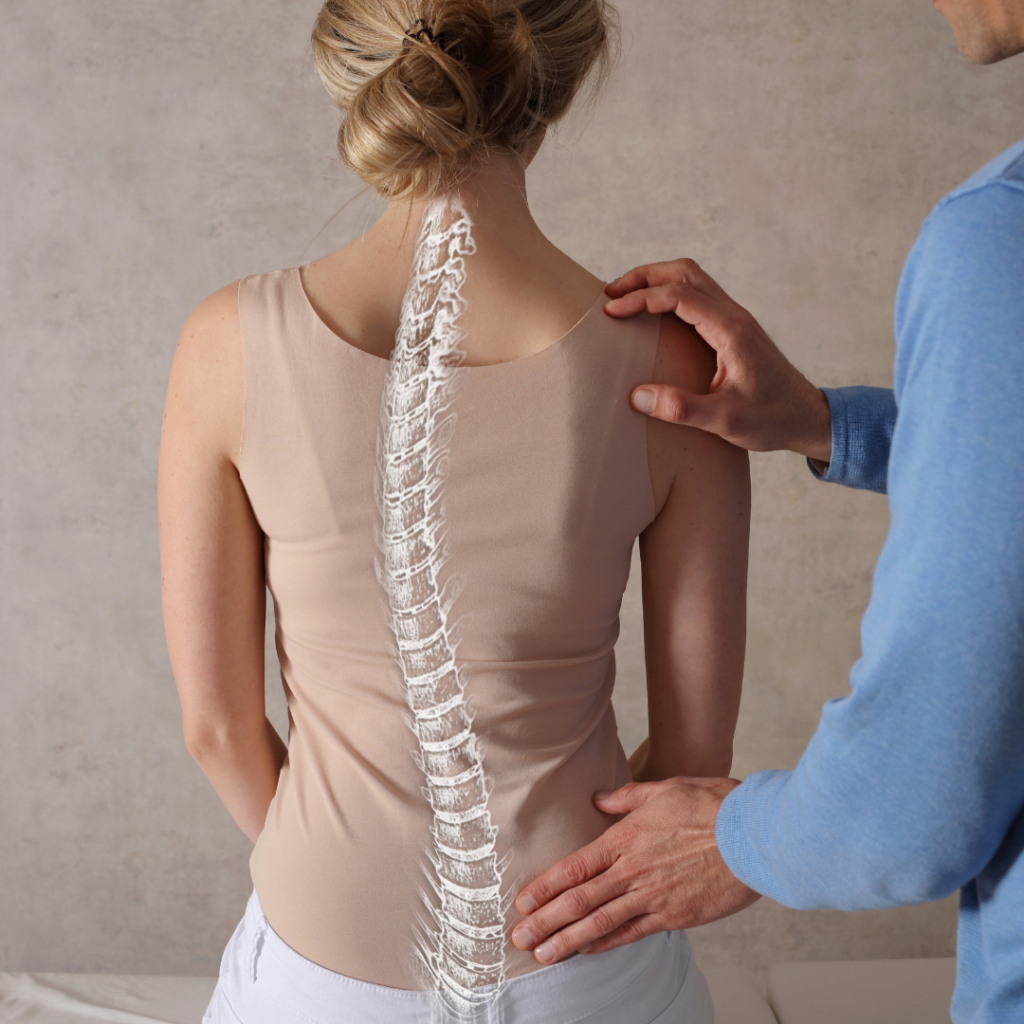
As a local chiropractor, I often see how simple adjustments can profoundly enhance your flexibility. Many people don't realize that everyday factors such as posture, hydration, and the way you warm up can greatly impact your ability to stretch and move comfortably. By integrating specific techniques and practices into your routine, you can unlock your body's potential for greater movement and ease.
Are you wondering which adjustments might be beneficial for you? Let's delve into ten effective methods that can help elevate your flexibility and overall well-being. By understanding these principles, you can take charge of your body's health and experience the benefits of natural healing through chiropractic care.
Incorporate Dynamic Stretching
As a local chiropractor, I want to emphasize the importance of incorporating dynamic stretching into your morning routine, especially before any workout or physical activity. Dynamic stretching is a fantastic way to enhance your flexibility and prepare your muscles and joints for the movements ahead. This practice not only reduces the risk of injury but also improves your overall athletic performance.
Unlike static stretches, which involve holding a position, dynamic stretches consist of controlled movements that elevate your heart rate and increase blood flow to your muscles. This is crucial for warming up your body and getting it ready for physical exertion.
Start with some basic exercises such as leg swings, arm circles, or torso twists. These movements engage multiple muscle groups and help expand your range of motion. For example, while standing, you can swing one leg forward and backward for 10-15 repetitions, then switch to the other leg. This simple movement warms up your hips and activates essential muscles like the glutes and hamstrings.
Another effective dynamic stretch is the walking lunge. As you step forward into a lunge position, alternate legs as you move forward. This exercise effectively targets the quadriceps, hamstrings, and hip flexors. Remember to maintain a steady pace and focus on your form, as this will maximize the benefits of your warm-up.
Incorporating these dynamic stretches into your morning routine doesn't take much time, but it can significantly enhance how you feel during your workout. By actively engaging your muscles through movement, you'll not only improve your flexibility but also support your overall athletic performance.
Adjust Your Posture
Adjusting your posture is crucial for maintaining proper alignment and improving your overall flexibility. As a chiropractor, I want to emphasize the importance of posture in your daily life.
By learning techniques for postural adjustment, you can prevent unnecessary strain on your body and enhance your movement efficiency.
When we sit, stand, or move with the right alignment, we not only feel better but also support our body's natural healing processes.
These adjustments can lead to significant, lasting benefits on your flexibility journey and overall well-being.
Let's delve into how simple changes in your posture can make a remarkable difference in your health.
Importance of Proper Alignment
As your local chiropractor, I want to emphasize the critical importance of proper alignment in your overall well-being. Many people may not realize that the way your body is aligned can significantly impact your flexibility and comfort levels.
When your spine and joints are in their optimal positions, it allows for smooth, efficient movement and minimizes unnecessary strain on your muscles and joints. Conversely, poor alignment can lead to tightness and stiffness, which can impede your flexibility.
By focusing on your posture and making conscious adjustments, you're not just aligning your body; you're also setting the foundation for improved range of motion. When you maintain proper alignment while standing, sitting, or moving, your muscles can function more effectively, enabling you to stretch further with less discomfort.
This efficiency can result in faster recovery times and a reduced risk of injuries during physical activities.
Additionally, maintaining proper alignment is crucial for balance and coordination—two essential components when performing stretches or exercises. When your body is positioned correctly, you become more aware of how your movements influence your flexibility.
I encourage you to take a moment to assess your posture throughout the day. Even small adjustments can lead to significant improvements in your flexibility and comfort over time.
Techniques for Postural Adjustment
As a local chiropractor, I want to share some insights on achieving better postural alignment, which can significantly enhance your flexibility and overall well-being.
First and foremost, it's essential to become aware of how your body is positioned throughout the day. Imagine a string gently pulling you upward from the crown of your head—this visualization can help lengthen your spine and encourage an upright posture.
Let's talk about your shoulders. Gently draw them back and down, away from your ears. This simple adjustment not only opens up your chest but also allows for deeper, more effective breathing, which is crucial for improving flexibility.
When you're seated, ensure that your feet are flat on the ground with your knees forming a 90-degree angle. This position supports your lower back and helps maintain a balanced posture.
Incorporating regular stretches into your routine is vital, especially for areas that tend to tighten up, like your hip flexors and chest. These stretches counteract the negative effects of poor posture and contribute to better flexibility.
Additionally, consider utilizing props such as a sturdy chair or wall to help you maintain proper alignment during your stretching and exercise routines.
By practicing these techniques consistently, you'll likely notice marked improvements in both your posture and flexibility.
Use Foam Rollers
As a local chiropractor, I want to introduce you to a powerful tool for enhancing your flexibility and overall muscle health: foam rollers. Many of my patients are often surprised to learn how beneficial these simple devices can be in relieving muscle tension and improving mobility.
Foam rolling utilizes a technique known as self-myofascial release. Essentially, by rolling your body over the foam roller, you apply pressure to specific tight areas in your muscles. This process helps to break down knots and adhesions, which can impede blood flow and reduce muscle elasticity.
To get started with foam rolling, find a comfortable, quiet space where you can focus on your body. I recommend selecting a foam roller that aligns with your experience level—a softer roller may be more suitable for beginners, while those who are more experienced might benefit from a firmer option.
Begin by placing the roller under a tight muscle group, such as your calves, thighs, or back. Gently roll back and forth, paying special attention to any areas that feel particularly tight or sore. Aim to spend about 30 seconds to a minute on each muscle group, adjusting the pressure as you go along.
If you encounter a tender spot, take a moment to pause and breathe deeply, allowing the muscle to relax before continuing. For optimal results, I suggest incorporating foam rolling into your routine both before and after your workouts. This practice not only prepares your muscles for physical activity but also aids in recovery afterward.
In my experience, regular foam rolling can significantly enhance your flexibility and reduce the risk of injury by keeping your muscles supple and responsive. It's an accessible way to take charge of your body's flexibility, helping you perform daily activities with ease and enjoy your favorite sports without limitations.
If you have any questions or would like guidance on how to integrate foam rolling into your wellness routine, don't hesitate to reach out during your next visit.
Increase Hydration Levels
As your local chiropractor, I want to emphasize the importance of staying properly hydrated for your overall health and flexibility.
Many people aren't aware that hydration plays a crucial role in how your muscles and joints function. When you maintain adequate hydration levels, it helps your muscles and joints perform better, which can significantly enhance your range of motion.
Let's delve into how increasing your water intake can positively influence your flexibility and overall wellness.
Importance of Hydration
As a local chiropractor dedicated to your overall wellness, I want to emphasize the crucial role that hydration plays not only in your health but also in enhancing your flexibility and overall physical performance. Water is vital for many bodily functions, including regulating temperature and transporting essential nutrients. When you maintain proper hydration, your body operates at its optimal level, which is key for achieving your health and wellness goals.
Many people don't realize that inadequate hydration can lead to issues such as fatigue, muscle cramps, and decreased coordination. Even mild dehydration can diminish your focus and energy levels, affecting your daily activities and workout performance. By staying well-hydrated, you can sustain your energy and engage more effectively in both your exercise routines and everyday tasks.
Additionally, hydration is important for digestive health and nutrient absorption. When your body's tissues are adequately hydrated, they function better, which can help prevent stiffness and soreness. This means faster muscle recovery, allowing you to maintain a consistent and effective exercise regimen.
Moreover, drinking sufficient water supports joint lubrication, which is vital for preventing injuries—something we prioritize in chiropractic care. I encourage you to develop the habit of drinking water throughout the day, particularly before, during, and after any physical activity.
Hydration and Flexibility Connection
As a local chiropractor, I want to emphasize the vital role hydration plays in your overall health, particularly in relation to your flexibility. Many people may not realize how interconnected these two aspects are, but staying properly hydrated can significantly enhance your physical performance and well-being.
When you maintain adequate hydration, your muscles and connective tissues can function optimally, which translates to a greater range of motion. Conversely, dehydration can lead to stiffness, making it more challenging to stretch and perform movements efficiently. This is particularly important for those of you who may be experiencing discomfort or limited mobility.
Incorporating hydration into your daily routine is straightforward. It's important to drink water consistently throughout the day, not just when you're exercising. This practice helps keep your muscles flexible and can lower the risk of injuries.
I also recommend considering electrolyte-rich fluids after intense workouts to replenish essential minerals and maintain balance in your body.
Pay attention to the signals your body sends you. If you're feeling fatigued or if your joints seem tight, these may be signs that you need to increase your water intake. Don't wait until you're thirsty—make hydration a priority in your life.
As you boost your water consumption, you may notice improvements in your flexibility and overall physical performance.
In conclusion, the connection between hydration and flexibility is undeniable. By making a conscious effort to stay hydrated, you're supporting your body's ability to move freely and effectively, which can greatly enhance not only your physical activities but also your daily life.
As your chiropractor, I encourage you to prioritize this essential aspect of your health for a more active and fulfilling lifestyle.
Practice Yoga Regularly
As a local chiropractor, I often emphasize the importance of flexibility in maintaining overall health and wellness. One effective way to enhance your flexibility is through regular yoga practice. When you commit to incorporating yoga into your routine, you'll likely begin to notice significant improvements in your range of motion. Yoga combines gentle stretching with mindful breathing, which can help alleviate tension in your muscles and joints, ultimately benefiting your physical health.
As you explore various yoga poses, you'll be targeting specific muscle groups that may hold tightness. For example, poses such as Downward Dog and Forward Bend work to stretch the hamstrings, calves, and spine, promoting lengthening and improved flexibility. With each session, your body will adapt and open up, allowing for deeper stretches over time.
In addition to enhancing flexibility, yoga fosters greater body awareness. This means you'll become attuned to your body's signals and learn to recognize its limitations. This awareness is crucial for injury prevention while also encouraging you to gently challenge your boundaries. The balance of effort and ease that yoga promotes can lead to a more sustainable practice and overall wellness.
Incorporating yoga into your weekly routine doesn't need to be time-consuming. Even a brief daily practice of just 15-30 minutes can yield impressive results. You can begin with foundational poses and gradually progress to more complex sequences as your body becomes accustomed to the movements.
Ultimately, practicing yoga regularly goes beyond simply achieving flexibility; it nurtures a deeper connection to your body. You may find a newfound sense of freedom in your movements, making daily activities more enjoyable and reducing strain.
Employ Resistance Bands
As a chiropractor committed to your overall well-being, I want to introduce you to an effective tool that can significantly enhance your flexibility training: resistance bands.
These bands are versatile and can be a fantastic addition to your exercise routine. By using them, you can target specific muscle groups, which can help improve your range of motion and flexibility.
Incorporating resistance bands into your workouts allows us to engage our muscles in a controlled manner, promoting proper alignment and reducing the risk of injury. This is especially beneficial for those of you who may be new to physical activity or recovering from an injury.
Let's take a moment to explore the benefits of resistance bands and some effective techniques for utilizing them in your daily routine.
Benefits of Resistance Bands
As a local chiropractor, I want to share with you the incredible benefits of incorporating resistance bands into your fitness routine. These bands are a versatile tool that can enhance your strength, flexibility, and overall wellness—elements that are essential for maintaining a healthy spine and body.
One of the standout advantages of resistance bands is their ability to provide constant tension during your exercises. This consistent resistance helps engage your muscles more effectively, leading to improved strength and flexibility as you work on both stretching and strengthening simultaneously. This is particularly beneficial for spinal health, as strong and flexible muscles support proper alignment.
Resistance bands are also lightweight and portable, which makes them an excellent option for workouts at home, in the gym, or even while traveling. They allow you to perform a variety of exercises that target different muscle groups, ensuring that your routine remains fresh and engaging. This variety can help you stay consistent, an important factor in achieving your health goals.
Moreover, using resistance bands can reduce the risk of injury compared to traditional free weights. They promote proper form by guiding your movements and encouraging controlled motions. As a chiropractor, I emphasize the importance of maintaining good form and technique to prevent injuries and support your body's natural alignment.
Incorporating resistance bands into your fitness routine can significantly enhance your wellness journey. Not only can they help you achieve your strength and flexibility goals, but they also support your overall health and well-being—key components of chiropractic care and natural healing.
Techniques for Effective Use
As a local chiropractor, I want to share some insights on how to effectively use resistance bands for your workouts, which can greatly enhance your overall fitness and flexibility.
It's crucial to start by selecting the right band that matches your current fitness level. Initially, opt for a lighter resistance band to ensure you master the movements properly before transitioning to heavier options.
Don't forget to warm up your muscles beforehand; a few minutes of dynamic stretching can significantly reduce the risk of injury and prepare your body for exercise.
When using resistance bands, maintaining proper form is essential. Align your body correctly by engaging your core and keeping a straight posture. This alignment not only targets the appropriate muscle groups but also improves your overall flexibility.
Focus on controlled movements—take your time and avoid rushing through each exercise. Slow and deliberate actions will lead to better muscle engagement and enhance your flexibility over time.
To ensure a well-rounded workout, incorporate a variety of exercises that target different muscle groups. Consider adding squats, shoulder presses, and lateral raises to your routine. Additionally, integrating resistance band stretches can be beneficial for improving flexibility while providing resistance.
Lastly, always listen to your body. If you encounter any discomfort or pain during your exercises, it's important to modify the intensity or adjust the movements accordingly.
By consistently practicing these techniques, you can effectively utilize resistance bands to enhance your flexibility and overall fitness, which aligns perfectly with natural healing principles.
Focus on Breathing Techniques
As a chiropractor, I want to share how breathing techniques can significantly enhance your physical and mental flexibility, which is crucial for overall health and well-being. When you focus on your breath, you create a vital connection between your mind and body. This relationship is essential during stretching, as it promotes relaxation and allows your muscles to lengthen and release tension effectively.
To get started, I recommend practicing deep diaphragmatic breathing. Begin by inhaling deeply through your nose, allowing your belly to expand fully. Hold that breath for a brief moment, then exhale slowly through your mouth. This breathing technique not only calms your mind but also signals your muscles to relax, making it easier to ease into stretches without forcing your body.
Incorporating breath into your stretching routine can elevate your experience significantly. As you stretch, try to synchronize your breath with your movements. Inhale as you prepare for a stretch, and exhale as you gently deepen into it. Finding this rhythm creates a natural flow that promotes a greater range of motion and flexibility.
I also encourage you to harness the power of visualization alongside your breathing. Picture your muscles unwinding and lengthening with each exhale. This mental imagery complements your breath and reinforces the idea of becoming more flexible, both physically and mentally.
Schedule Consistent Stretch Breaks
As a local chiropractor, I want to emphasize the importance of incorporating regular stretch breaks into your daily routine for enhanced flexibility and overall health. Many of my patients are often surprised to learn how much sitting can contribute to tight and stiff muscles, which ultimately limits their range of motion.
By intentionally scheduling stretch breaks, you're taking a proactive step to combat this stiffness and promote your natural flexibility.
I recommend taking a stretch break every hour. It doesn't need to be lengthy—just five to ten minutes can make a significant difference. During these breaks, focus on a variety of stretches that target key muscle groups, particularly those that tend to tighten up, such as your neck, shoulders, back, and hips.
Simple movements like arm raises, torso twists, and hamstring stretches can keep your muscles limber and reduce discomfort.
To make these breaks effective, establish a routine that suits your lifestyle. Consider setting an alarm on your phone or using a timer on your computer as a gentle reminder. If you're working at a desk, take a moment to stand up or step away from your workspace to perform your stretches.
This not only benefits your physical body but also provides your mind with a much-needed break, which can enhance productivity and foster creativity.
Remember, consistency is key. The more regularly you incorporate these stretch breaks, the more flexible and comfortable you'll feel throughout your daily activities.
Over time, you may notice significant improvements in your mobility and overall physical health. Making stretch breaks a staple in your routine can be an essential part of your journey toward better wellness, and as your chiropractor, I'm here to support you every step of the way.
Warm Up Properly
As a local chiropractor, I want to emphasize the importance of warming up properly as a crucial step in enhancing your flexibility and preventing injuries. Many people overlook this vital aspect of their fitness routine, but a well-structured warm-up can make all the difference in preparing your muscles and joints for the physical demands of your workout.
When you take the time to warm up, you not only increase blood flow to your muscles but also raise your body temperature and improve your range of motion. This is especially beneficial for those who may not be familiar with the principles of chiropractic care and natural healing.
Begin your warm-up with light aerobic activities, such as jogging in place or performing jumping jacks for about 5 to 10 minutes. This initial phase elevates your heart rate and prepares your body for more intense movements.
Following that, transition into dynamic stretches—these are controlled movements that gently push your muscles and joints through their full range of motion. Incorporate exercises like leg swings, arm circles, and torso twists. These dynamic stretches not only activate your muscles but also enhance flexibility, which is essential for overall health and wellness.
It's important to focus on the specific areas you'll be using during your workout. For instance, if you plan to go for a run, pay special attention to your legs and hips. Conversely, if you're gearing up for upper body strength training, ensure you warm up your shoulders, chest, and arms.
Don't rush through this essential step. Take your time and listen to your body. A proper warm-up not only enhances flexibility but also sets a positive tone for your entire workout.
You'll feel more energized and focused, allowing you to perform at your best while minimizing the risk of injury. So, before you dive into your routine, prioritize your warm-up; it's a simple yet effective way to maximize your performance and support your overall health in a natural way.
Listen to Your Body
Listening to your body is crucial for enhancing your flexibility and overall health, especially when considering the benefits of chiropractic care and natural healing. As your chiropractor, I encourage you to pay close attention to the signals your body sends. By doing so, you can make informed choices about your stretching routine, which can help prevent injuries.
If you experience tightness or discomfort during a stretch, it's important to modify your approach. Rather than pushing through the pain, take a step back and adjust your position. This responsiveness is key to building flexibility gradually and safely, and it aligns with the principles of chiropractic care that promote natural movement and healing.
It's also vital to monitor your energy levels. If you're feeling fatigued or sore, it may be wise to forego a vigorous stretching session. Instead, consider incorporating gentle yoga or restorative movements that allow your body to recover. Remember, rest days are just as important as active days in enhancing your flexibility over time.
Additionally, don't overlook the connection between your emotions and your physical state. Stress and anxiety can manifest physically, making it difficult to stretch effectively. On days when you feel overwhelmed, focus on deep breathing and gentle stretches to release built-up tension. This mindful approach not only supports your flexibility but also contributes to your overall mental clarity—something we often address in chiropractic care.
Lastly, it's important to remember that each person's body is unique. What may work for someone else mightn't be suitable for you. Embrace your individual journey and progress at your own pace.
Conclusion
As your local chiropractor, I want to share some valuable adjustments you can make to significantly enhance your flexibility and improve your overall movement efficiency. One effective way to start is by incorporating dynamic stretching into your routine, which can help prepare your muscles for activity. It's also essential to maintain good posture throughout your daily activities, as this can contribute to better alignment and flexibility.
Using foam rollers is another fantastic tool for recovery, helping to relieve tension in your muscles and fascia. Staying hydrated is crucial, as it aids in muscle function and recovery, so don't overlook this aspect. Regular yoga practice can also be incredibly beneficial; it not only enhances flexibility but promotes relaxation and mindfulness.
I encourage you to focus on your breathing during stretches and to take consistent breaks to stretch throughout the day. This approach can help prevent stiffness and maintain your range of motion. Most importantly, listen to your body's signals and adjust your routine accordingly. By embracing these natural healing practices, you'll likely notice remarkable improvements in your flexibility and overall well-being. Remember, small changes can lead to significant benefits!