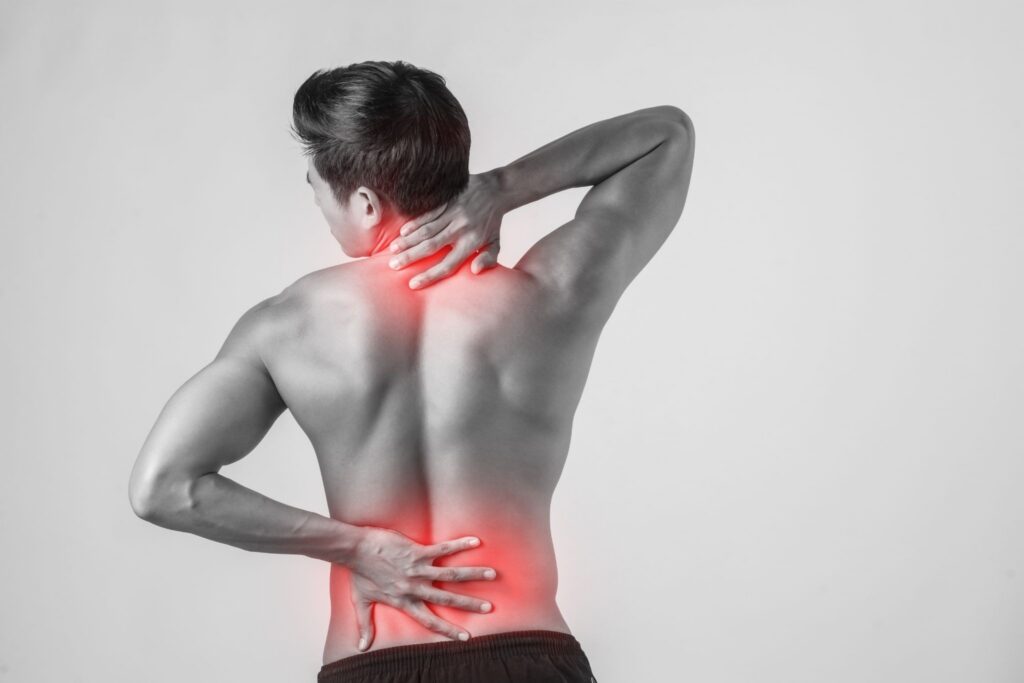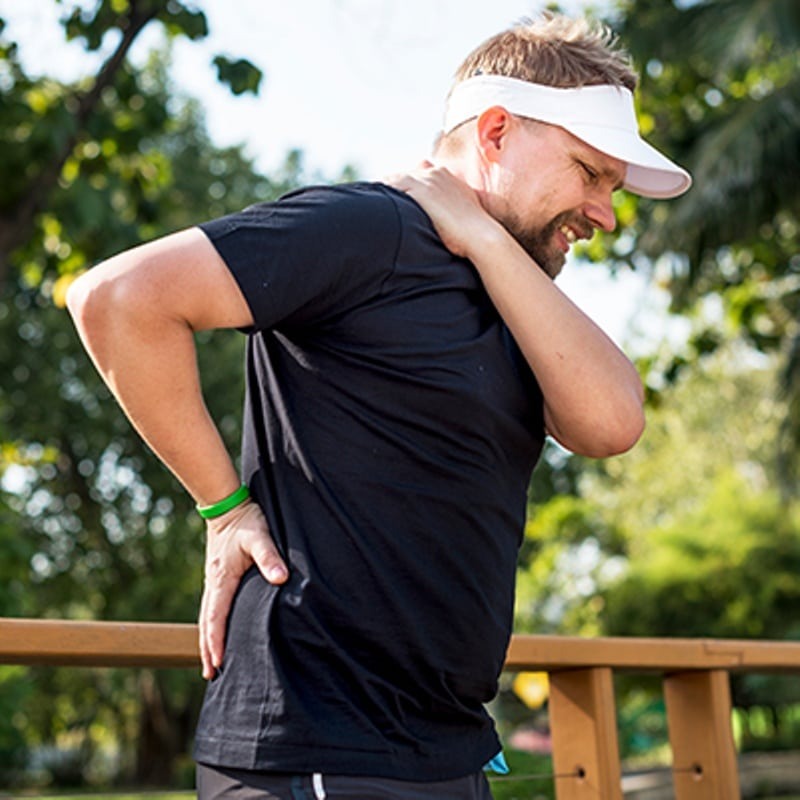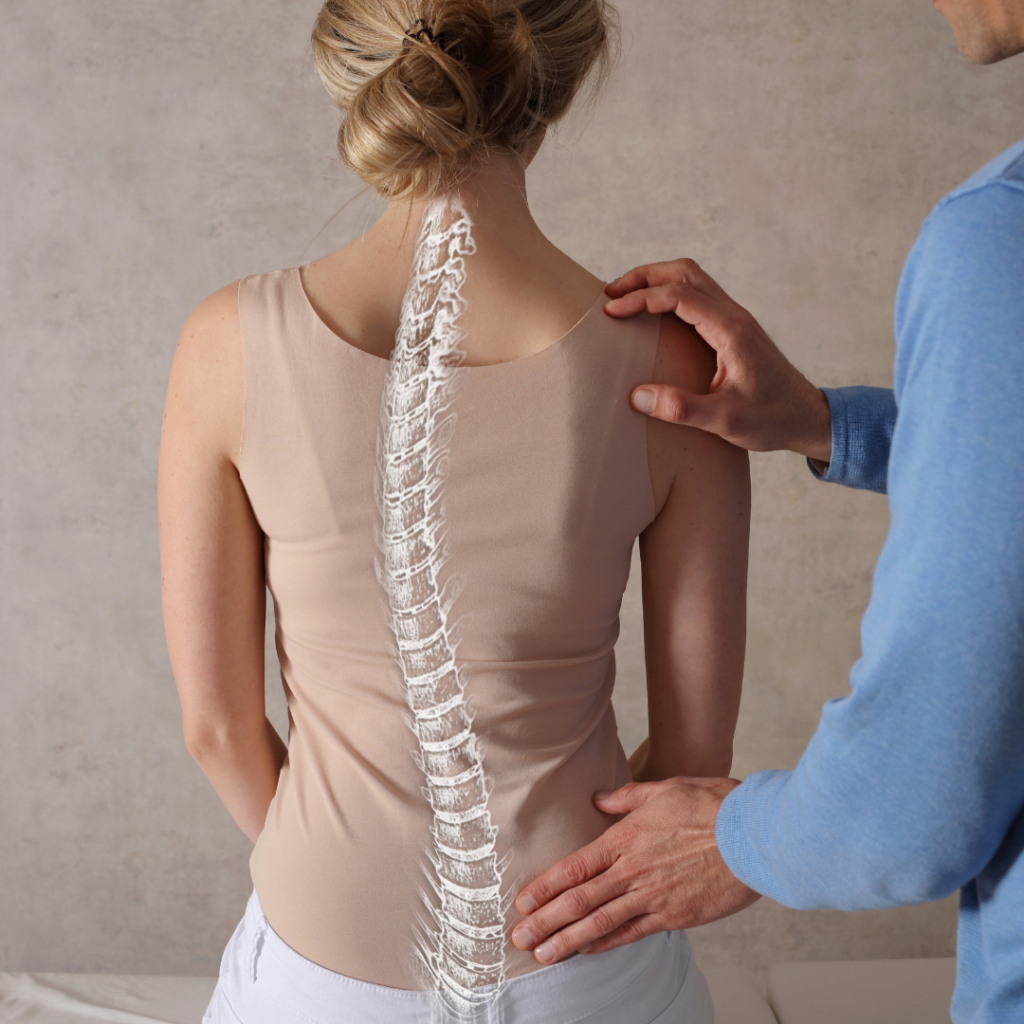
As a local chiropractor, I understand that dealing with a sports injury can be overwhelming. Many people often believe that rest is the sole solution, but there's so much more to effective recovery. Beyond just resting, incorporating a variety of recovery techniques can significantly enhance your healing process.
For instance, ice therapy can help reduce inflammation and pain, while proper nutrition is crucial for repairing tissues and rebuilding strength. It's important to recognize how these methods work together in promoting your recovery. By integrating chiropractic care into your routine, we can address not only the injury itself but also the underlying issues that may contribute to recurring injuries.
I encourage you to explore these essential recovery strategies with me. Together, we can create a personalized plan to help you regain strength and mobility more quickly than you might expect. Let's embark on this healing journey and ensure your recovery is as smooth as possible.
Rest and Recovery
As a local chiropractor, I want to emphasize the importance of rest and recovery when it comes to healing from injuries, especially those related to sports. I understand that your first instinct may be to push through the pain or rush back to your favorite activities. However, it's crucial to listen to your body. Ignoring its signals can lead to longer recovery times and potentially more serious injuries down the line.
Rest means more than just taking a break from physical activity; it's about giving your muscles, tendons, and ligaments the time they need to heal properly. I recommend stepping back from high-impact exercises and instead engaging in low-intensity movements or gentle stretching. This approach not only promotes circulation but also allows your injured area to recover without excessive strain.
Sleep is another essential factor in the recovery process. Aim for 7-9 hours of high-quality sleep each night. During this restorative time, your body is actively repairing tissues and reducing inflammation. Creating a calming bedtime routine can help facilitate better sleep and, in turn, enhance your healing.
Nutrition plays a pivotal role in recovery as well. It's important to fuel your body with the right nutrients to support the healing process. I encourage you to incorporate ample sources of protein, healthy fats, and antioxidants into your meals. Staying hydrated is also critical—make sure to drink plenty of water to help your body function optimally.
Lastly, always tune into what your body is telling you. If you experience pain or discomfort when trying to return to your activities, that's a clear indication to slow down. By prioritizing rest and recovery, you'll be setting yourself up for a stronger, healthier return to your sport.
Ice Therapy
As a local chiropractor, I want to share with you the benefits of ice therapy for managing sports injuries and reducing inflammation. If you've experienced an injury, applying ice can be a highly effective way to alleviate pain and minimize swelling. The first 48 hours after an injury are crucial, as this is when inflammation tends to peak, and ice therapy can play a significant role in your recovery.
To properly utilize ice therapy, it's important to wrap an ice pack or even a bag of frozen vegetables in a thin cloth. This protects your skin from frostbite and ensures safe application. You should apply the ice to the injured area for about 15 to 20 minutes at a time. It's beneficial to repeat this every one to two hours, especially during the initial recovery phase. Just remember to allow your skin to return to its normal temperature between sessions to avoid any adverse effects.
Ice therapy does more than just numb the pain; it constricts blood vessels, which helps to reduce swelling and inflammation. This method can be particularly effective for sprains, strains, and other acute injuries. However, if you experience increased pain or skin irritation while using ice, it's important to take a break and give your body a chance to recover.
While ice therapy is generally safe for most individuals, I always recommend consulting with a healthcare professional if you have any underlying conditions that could be impacted by cold therapy. Listen to your body; if something feels off, it's wise to stop and reassess.
Compression Techniques
As a local chiropractor, I want to emphasize the importance of compression techniques in your recovery from sports injuries. These techniques play a vital role in reducing swelling and providing support to the affected area, which can significantly enhance your healing process.
When applying compression, one of the most common and effective methods is using elastic bandages or wraps. It's essential to wrap the injured area snugly, but be careful not to make it too tight. You want to ensure that circulation remains intact, so keep an eye out for any signs of numbness or increased pain.
I recommend starting the wrap from the farthest point away from your heart and working your way toward it, overlapping each layer by about half for optimal support.
For injuries in the limbs, compression sleeves or socks are another effective option. These specially designed garments provide consistent pressure across the affected area, which not only enhances blood flow but also helps reduce inflammation. They're convenient for everyday wear and can be particularly beneficial during physical activities.
If you're dealing with more severe injuries, you might want to explore the use of pneumatic compression devices. These machines offer intermittent compression that can be especially effective in reducing swelling and accelerating recovery. Many physical therapy clinics have these devices available, so it's worth discussing with your healthcare provider to see if this option fits your recovery plan.
Incorporating compression techniques into your recovery strategy not only supports the healing process but also helps you return to your sport more quickly.
Elevation Methods
As a local chiropractor, I want to share with you the importance of proper elevation when recovering from a sports injury. Elevation is a key component of natural healing, and understanding the right positioning techniques can significantly enhance your recovery process.
It's essential to know how long and how often to elevate the injured area to promote optimal healing. When you elevate the injured area, you're helping to reduce swelling and improve circulation, which can expedite your recovery.
I encourage you to keep your injured limb elevated above heart level for at least 20 minutes every hour during the first few days after the injury. This can be achieved by using pillows or cushions to find a comfortable position.
Incorporating these best practices into your recovery routine can get you back on your feet more quickly and effectively. Remember, your body has a remarkable ability to heal itself when given the right support.
If you have any questions about your recovery or would like personalized guidance, don't hesitate to reach out. Your health and well-being are my top priorities!
Proper Positioning Techniques
As a local chiropractor, I want to share with you the importance of proper positioning techniques in your recovery journey. Elevating an injured limb can significantly enhance your healing process. When you position yourself correctly, you improve blood circulation and reduce swelling, both of which are essential for recovery.
To effectively elevate your injury, start by finding a comfortable place to rest. Use pillows or cushions to lift the injured limb above heart level. This elevation encourages fluid drainage away from the injury site, which can help minimize swelling and discomfort.
While elevating your limb, ensure it's well supported to prevent any additional strain. It's best to keep the limb straight and avoid bending it at awkward angles. For instance, if you're elevating an ankle or foot, a stack of pillows can provide the needed height and support. In the case of an arm injury, resting your arm on a pillow while seated or lying down can work wonders.
Comfort is key when maintaining this elevated position, as prolonged discomfort can hinder your ability to relax and ultimately affect your recovery. Feel free to adjust the height and support until you find what works best for you. It's also important to regularly check on your injury for any signs of increased pain or discomfort.
Remember, maintaining proper positioning isn't just about elevation; it's about creating an environment that allows your body to heal effectively and efficiently. By understanding and implementing these techniques, you're taking an important step towards your natural healing process.
As your chiropractor, I'm here to guide you on this journey to better health.
Duration and Frequency Guidelines
As your local chiropractor, I want to emphasize the importance of elevating your injured limb properly to aid in your recovery. Elevation is a vital part of natural healing that can significantly reduce swelling and improve blood circulation. To achieve the best results, aim to keep your limb elevated above heart level for at least 20 to 30 minutes at a time.
I recommend incorporating this practice into your daily routine, especially during the first 48 hours after your injury. Whenever you're resting or watching TV, take the opportunity to elevate your limb.
Ideally, you should aim for three to four elevation sessions each day during the initial recovery phase. If you notice that swelling continues, consider increasing the frequency of these sessions.
By following these guidelines, you can support your body's natural healing process and get back to your daily activities more comfortably.
Physical Therapy
When recovering from a sports injury, it's crucial to understand the benefits of chiropractic care in your healing process.
As a local chiropractor, I emphasize the importance of personalized treatment plans that focus on natural healing techniques. Chiropractic adjustments can enhance your body's ability to heal itself, while rehabilitation exercises are tailored specifically to meet your unique needs.
This holistic approach not only helps you regain mobility but also strengthens your body effectively, allowing for a more comprehensive recovery.
Embracing chiropractic care can be a vital step towards your overall health and wellness.
Personalized Treatment Plans
A personalized treatment plan is crucial for achieving effective recovery from sports injuries, especially when considering the holistic approach of chiropractic care. Unlike a one-size-fits-all method, chiropractic therapy is tailored to meet your unique needs and circumstances, taking into account your specific injury, the sport you engage in, your overall physical condition, and your personal recovery goals.
When you come to our clinic, we begin with a comprehensive assessment to understand the nature and severity of your injury. This assessment helps us identify any misalignments or dysfunctions in your body that could be contributing to your pain.
Based on this evaluation, we develop a customized plan that may include spinal adjustments, targeted exercises, and rehabilitative techniques. These chiropractic methods not only promote faster recovery but also significantly reduce the risk of re-injury.
Collaboration is key in your recovery journey. You'll work closely with me to monitor your progress and make necessary adjustments to your treatment plan. I encourage open communication, so feel free to share any feelings, concerns, or feedback you may have during our sessions.
In addition to addressing your injury, we also consider your lifestyle and preferences when creating your treatment plan. Whether you have specific exercises you enjoy or certain time constraints, I can adapt our approach to keep you engaged and motivated.
Ultimately, a personalized chiropractic treatment plan ensures you're on the right track to recovery, empowering you to return to your sport stronger and more resilient than ever.
Strengthening and Rehabilitation Exercises
As your local chiropractor, I want to emphasize the importance of strengthening and rehabilitation exercises in your healing journey. These exercises are vital in helping you regain strength and flexibility, which in turn enhances your overall functionality and allows you to return to the activities you love, including sports.
We begin with gentle movements to help restore your range of motion. As you progress, we'll gradually introduce more challenging exercises that specifically target the muscle groups supporting your injured area. For example, if you've experienced a knee injury, we'll focus on exercises that engage your quadriceps and hamstrings to provide stability and protection.
Consistency is crucial in this process. I encourage you to practice these exercises regularly, and I'll be here to guide you every step of the way. Together, we can adjust your routine as you improve, ensuring you're continually progressing without the risk of re-injury.
It's also essential to listen to your body. If any movement causes pain or discomfort, please stop and reach out to me.
By incorporating these strengthening and rehabilitation exercises into your recovery plan, you won't only facilitate healing but also build resilience, significantly reducing the likelihood of future injuries.
Massage Therapy
As a local chiropractor, I want to share with you the significant role that massage therapy can play in your recovery from sports injuries. Many individuals aren't aware that chiropractic care and massage therapy complement each other beautifully, providing a holistic approach to healing and enhancing overall athletic performance.
When you receive a massage, you're not merely addressing muscle discomfort; you're actively promoting healing throughout your body. Massage therapy reduces muscle tension, boosts circulation, and alleviates pain, all of which can significantly speed up your recovery process.
One of the most notable benefits of massage therapy is its ability to improve blood flow to injured areas. This increased circulation brings vital nutrients and oxygen to damaged tissues, aiding in their repair and reducing inflammation.
Furthermore, the relaxation achieved through massage can lower your stress levels, which is essential for effective recovery. A less stressed body is more capable of focusing on healing.
Regular massage sessions can also help uncover tight knots and trigger points that may be affecting your performance. By addressing these issues, you not only enhance your flexibility but also reduce the risk of future injuries.
It's crucial to communicate openly with your massage therapist about any discomfort you may experience during your treatment. This way, they can customize the approach to meet your specific needs.
Integrating massage therapy into your recovery plan can yield remarkable benefits. Whether you opt for deep tissue, sports massage, or other techniques, the primary aim is to support your healing journey and restore your body to optimal condition.
Don't underestimate the power of this valuable tool in your injury recovery toolkit. Prioritize massage therapy, and you may very well notice improvements in both your athletic performance and overall well-being.
Nutrition and Hydration
As a local chiropractor, I want to emphasize the importance of nutrition and hydration in your recovery from a sports injury.
The food you consume and the fluids you drink are crucial components of your healing journey. Essential nutrients not only support the repair of your body but also promote overall wellness.
Staying properly hydrated is equally important, as it helps ensure that your recovery process is as efficient as possible.
Let's discuss how focusing on proper nutrition and hydration can enhance your healing and contribute to a more effective chiropractic treatment.
Essential Nutrients for Healing
As a local chiropractor dedicated to promoting natural healing, I want to emphasize the crucial role that proper nutrition and hydration play in your recovery from sports injuries. When you're healing, your body requires specific nutrients to effectively repair tissues, manage inflammation, and regain strength.
First and foremost, let's talk about protein. This nutrient is vital for rebuilding muscle and mending damaged tissues. I encourage you to incorporate sources of lean protein into your diet, such as chicken, fish, eggs, legumes, and dairy products.
Next, it's important not to overlook vitamins and minerals. For instance, Vitamin C is essential for collagen formation, which is key to tissue repair. You can find this nutrient in citrus fruits, strawberries, and bell peppers.
Zinc is another important mineral that aids in the healing process; you can obtain it from nuts, seeds, and whole grains. Don't forget about omega-3 fatty acids, which are found in fatty fish and can help reduce inflammation, thereby speeding up your recovery.
Carbohydrates also play a significant role in providing the energy you need, especially if you're participating in rehabilitation exercises. Make sure to include whole grains, fruits, and vegetables in your meals for sustained energy.
Lastly, I recommend incorporating antioxidant-rich foods into your diet, such as berries and leafy greens. These foods help combat oxidative stress that may occur during your recovery period.
Hydration's Role in Recovery
As a local chiropractor dedicated to your overall well-being, I want to emphasize the critical role hydration plays in your recovery from sports injuries—a factor that's often overlooked but vital for effective healing.
When you sustain an injury, your body requires adequate water to repair tissues, reduce inflammation, and eliminate toxins. Staying well-hydrated supports optimal blood flow, ensuring that essential nutrients reach the affected areas efficiently.
Many people may not realize that dehydration can significantly slow down the healing process. It can lead to increased fatigue, muscle cramping, and even impede your body's natural healing mechanisms.
To enhance your recovery, I recommend aiming to drink at least half your body weight in ounces of water each day. For instance, if you weigh 150 pounds, you should strive for around 75 ounces of water daily.
In addition to plain water, it's beneficial to incorporate electrolyte-rich beverages, especially if you're sweating or participating in physical therapy sessions. Hydration shouldn't be an afterthought; make it a consistent part of your daily routine.
A simple way to monitor your hydration status is by observing the color of your urine—light yellow usually indicates that you're well-hydrated.
As we work together on your recovery journey, remember that hydration is a fundamental aspect of your healing process. Your body will thank you for it!
Gradual Return to Activity
As a local chiropractor, I want to emphasize the importance of gradually returning to activity after a sports injury. It's crucial not to rush this process, as doing so can lead to reinjury or extend your recovery time. Patience and a systematic approach are key to ensuring both recovery and enhanced performance.
I recommend starting by consulting with me or another healthcare provider to evaluate your readiness for activity. Together, we can create a personalized recovery plan tailored to your specific injury and the demands of your sport.
To begin, focus on low-impact activities that won't put undue stress on your injured area. Options like walking, swimming, or cycling are excellent choices to help maintain your fitness while minimizing the risk of further injury.
As you become more comfortable, you can gradually increase the intensity and duration of your workouts, always paying close attention to how your body feels. Listening to your body is essential. If you experience pain or discomfort, it's a clear indication that you should take a step back and reassess your approach.
Incorporating gentle strength training can also be beneficial to support the injured area. Start with light weights and prioritize proper form to build strength without overexerting yourself.
As you make progress, consider reintroducing sport-specific drills and movements. Start with practice sessions that are low in impact and intensity, gradually working up to full participation. Keep track of your improvements and any challenges you encounter, as this information can be invaluable for our ongoing discussions about your recovery.
Remember, chiropractic care can play a significant role in your healing process. Through gentle adjustments and holistic treatment plans, we can enhance your recovery, promote natural healing, and help you safely return to the activities you love.
Together, let's ensure you stay on the right path to a full recovery.
Mental Health Support
As a chiropractor, I understand that the emotional challenges associated with a sports injury can be just as significant as the physical aspects of recovery. When you suffer an injury, it's common to experience feelings of frustration, sadness, or even anger. It's important to acknowledge these emotions rather than brush them aside. Allow yourself the space to feel and process what you're going through.
Connecting with a mental health professional, such as a therapist or sports psychologist, can be invaluable during this time. They can equip you with the tools to navigate these complex feelings. As your chiropractor, I also encourage you to talk to teammates or friends who can relate to your experience. Sharing your thoughts can help lighten the emotional burden and foster a supportive community around you.
In addition to addressing emotional well-being, incorporating mindfulness and relaxation techniques can play a crucial role in your recovery. Techniques like meditation, deep breathing, or yoga can help manage stress and maintain mental focus. These practices encourage you to stay present, which can significantly reduce anxiety about the future.
Furthermore, setting new, achievable goals can shift your mindset from a sense of loss to one of growth. Focus on the aspects of your training that you still have control over, such as improving your nutrition or enhancing your knowledge about your sport.
Using Technology for Recovery
As a local chiropractor, I want to emphasize the importance of addressing your mental health during recovery, while also highlighting how technology can enhance your healing process.
With the right tools, you can effectively track your progress, manage discomfort, and maintain motivation throughout your recovery journey.
Here are some ways technology can support your healing:
- Wearable Fitness Trackers: These handy devices keep an eye on your activity levels, heart rate, and sleep patterns. By understanding how your body responds to different movements, you can make informed decisions about your rehabilitation.
- Mobile Apps: There are numerous apps available that provide guided stretching routines, mindfulness meditation, and other resources designed to assist you in your recovery. These tools can help you stay focused on your rehabilitation goals and encourage consistency.
- Telehealth Services: With the rise of virtual consultations, you can now connect with healthcare professionals, including chiropractors, from the comfort of your home. This allows you to receive expert advice and tailored rehabilitation plans without the hassle of traveling.
- Ice and Heat Therapy Devices: Advanced therapy equipment, such as electric heating pads and ice packs with timers, can significantly aid in pain and inflammation management. Utilizing these technologies can help you stay committed to your recovery regimen and enhance the effectiveness of your natural healing process.
By incorporating these technological tools into your recovery, you can facilitate a more comprehensive and efficient healing journey.
Conclusion
As a local chiropractor, I want to share how incorporating these ten techniques into your sports injury recovery plan can significantly enhance your healing process. First and foremost, prioritizing rest, proper nutrition, and hydration is essential for laying a solid foundation for recovery.
In my practice, I've seen how effective methods such as ice, compression, and elevation can help manage pain and reduce swelling. Additionally, I strongly recommend considering physical therapy, as it plays a crucial role in a safe and gradual return to activity.
It's equally important to recognize the value of mental health support during recovery. Your mindset can greatly influence your healing journey. Utilizing technology to track your progress can also provide motivation and insight into your improvements.
With dedication and the right approach, you'll be on your way to returning to your sport stronger than ever! Remember, chiropractic care can be a vital component of your recovery, helping to align your body and promote natural healing.