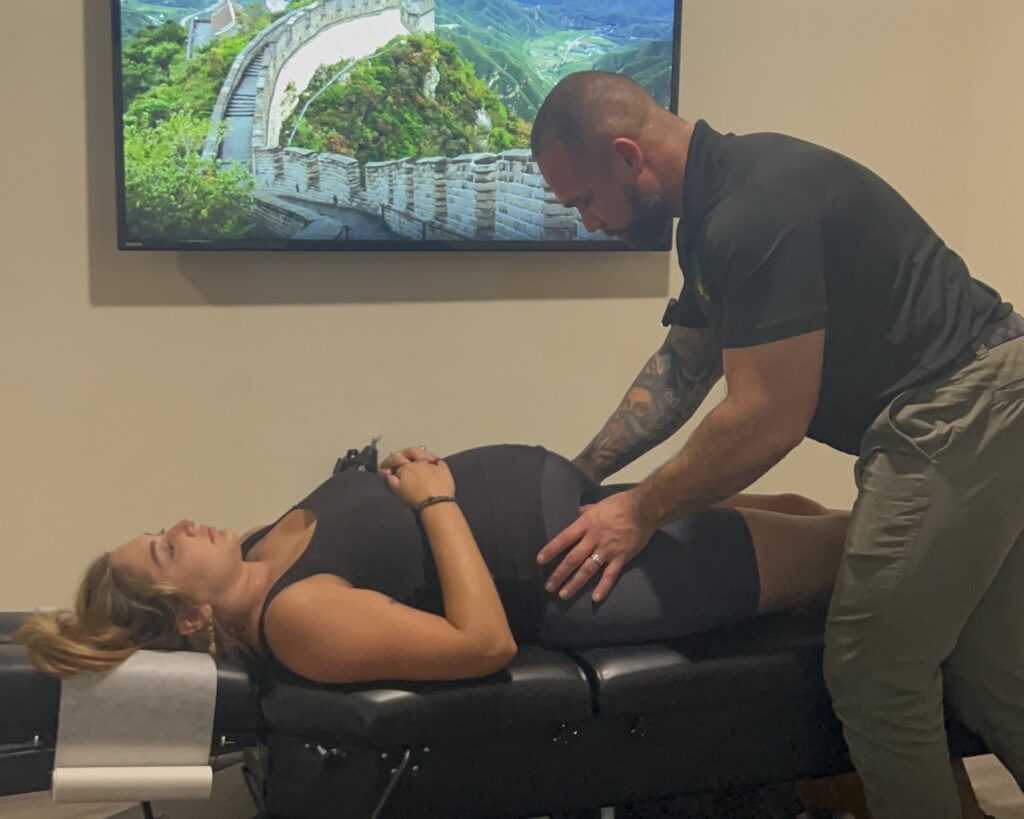
Good posture is essential for alleviating low back pain and plays a crucial role in maintaining your spine’s natural curves. When your body is aligned properly, your core and back muscles work together efficiently, which helps reduce strain and fatigue. Unfortunately, poor posture can create muscle imbalances and increase tension, leading to discomfort and pain.
One of the best ways to improve your posture and prevent low back pain is by incorporating chiropractic care into your wellness routine. Chiropractors are trained to identify and correct misalignments in your spine, which can help restore your body’s natural posture and function. Regular chiropractic adjustments can alleviate pain, improve mobility, and support your overall health.
Here are some simple tips you can implement to enhance your posture and promote a healthier spine:
- Practice Mindful Sitting: When sitting, make sure your back is straight, shoulders relaxed, and feet flat on the floor. Use a chair that provides proper lumbar support.
- Strengthen Your Core: Engage in exercises that strengthen your abdominal and back muscles. A strong core helps support your spine and maintain good posture.
- Stay Active: Regular physical activity, such as walking or yoga, can help keep your body flexible and strong, promoting better posture.
- Set Reminders: If you work at a desk, set reminders to check your posture throughout the day. A simple stretch or adjustment can make a big difference.
- Use Ergonomic Furniture: Invest in ergonomic chairs and desks that support your spine and encourage good posture while you work.
By focusing on these practical steps and seeking regular chiropractic care, you can achieve a healthier spine, alleviate low back pain, and enhance your overall well-being. Remember, your posture is a reflection of your health, so take proactive steps today to support your spine and live pain-free!
Key Takeaways
Why Good Posture Can Help Alleviate Low Back Pain
Maintaining good posture is more than just standing tall; it’s key to keeping your spine aligned and reducing strain on your muscles and joints. When your spine is properly aligned, it helps take the pressure off your back, which can significantly alleviate low back pain.
A well-aligned spine supports the natural curves of your body, allowing weight to be distributed evenly. This means there’s less pressure on the discs in your spine and the nerves that run through them. When these components are not under stress, you’re less likely to experience discomfort.
Moreover, strong core muscles play a vital role in supporting good posture. When your core is strong, it helps stabilize your spine and pelvis, making it easier to maintain an upright position. This can help prevent slouching, which is a common contributor to low back pain.
Flexibility and mobility are also important. When you can move freely, you reduce muscle tension that can lead to misalignment and discomfort in your lower back. Simple stretches and mobility exercises can go a long way in keeping your back healthy.
As a chiropractor, I often see the benefits of regular chiropractic adjustments. These adjustments can help correct misalignments and support your posture, promoting overall spinal health. This proactive approach can be a natural and effective way to relieve low back pain without the need for medications or surgeries.
Takeaway Tips for Better Posture and a Healthier Back:
- Practice Good Posture: Be mindful of your posture throughout the day. Sit up straight, keep your shoulders back, and align your ears with your shoulders.
- Strengthen Your Core: Incorporate exercises that target your core muscles, such as planks and bridges, to support your spine.
- Stay Flexible: Regularly stretch your muscles, especially those in your back and hips, to maintain flexibility and reduce tension.
- Visit Your Chiropractor: Regular chiropractic care can help keep your spine aligned and your body feeling great. Don’t hesitate to schedule an appointment for adjustments and personalized care.
By focusing on these simple practices and considering chiropractic care as a cornerstone of your wellness routine, you can work towards alleviating low back pain and achieving optimal health.
The Importance of Spinal Alignment
When you maintain proper spinal alignment, you significantly reduce the risk of low back pain. Your spine is designed with natural curves that support your body’s weight. When these curves are in alignment, your muscles, ligaments, and joints can work together efficiently. This balance helps lessen strain on your back, allowing you to move freely and comfortably throughout your day.
Good spinal alignment also supports healthy circulation and nerve function. When your spine is aligned, it reduces pressure on your discs and nerves, which can help prevent pain. This means you’ll find it easier to engage in daily activities, enjoy exercise, and get restful sleep without discomfort.
To achieve and maintain proper alignment, pay attention to your posture while sitting, standing, and walking. Consider incorporating exercises that strengthen your core and back muscles, as these are essential for supporting your spine. Simple adjustments, like being mindful of your posture or using ergonomic furniture, can make a significant difference in your spinal health.
Chiropractic care is a fantastic way to help you achieve optimal spinal alignment. Regular visits to a chiropractor can ensure that your spine remains in its natural, healthy position, relieving pain and promoting overall wellness. By prioritizing your spinal alignment through chiropractic care, you can enjoy a healthier, pain-free life. Remember, your spine is the foundation of your health—take care of it!
How Poor Posture Contributes to Back Pain
Poor posture can lead to muscle imbalances that put unnecessary strain on your back, resulting in discomfort and pain over time. When your spinal alignment is off, it’s not just a minor issue—it can significantly impact your overall well-being. Fortunately, recognizing these posture-related problems is the first step toward relief and improved health.
As a chiropractor, I want to emphasize how important spinal health is for your body. Correcting your posture can’t only alleviate back pain but also enhance your overall quality of life. Here are some practical tips to help you maintain better posture throughout your day:
- Sit Smart: When sitting, make sure your feet are flat on the floor and your back is straight. Use a chair that offers good lumbar support to encourage proper spinal alignment.
- Stand Tall: Keep your shoulders back, and avoid leaning forward when standing. Distributing your weight evenly on both feet can help reduce strain on your back.
- Take Breaks: If you’re sitting for long periods, take short breaks to stand, stretch, and move around. This helps to relieve tension and reset your posture.
- Strengthen Your Core: Engaging in exercises that strengthen your core muscles can provide better support for your spine, helping to maintain proper posture.
- Chiropractic Care: Regular visits to a chiropractor can help ensure your spine is aligned properly, which is essential for pain relief and maintaining good posture. Chiropractic adjustments can also address any muscle imbalances that contribute to discomfort.
Muscle Imbalance Effects
Muscle imbalances can significantly impact your back health, especially when poor posture becomes a regular habit. When you slouch or sit for extended periods, certain muscles can weaken while others tighten, leading to an uneven balance. For example, tight hip flexors can pull your pelvis forward, putting unnecessary strain on your lower back. At the same time, weak core muscles may struggle to provide the support your spine needs, which can result in discomfort and pain.
These imbalances don’t just affect how you feel; they can also alter your gait and movements, making everyday activities more challenging. You might notice that you feel strain during tasks that used to be simple. The good news is that by recognizing and addressing these imbalances, you can take steps toward relief and improved health.
Chiropractic care is an excellent approach for restoring balance and alleviating back pain. A chiropractor can help identify muscle imbalances and develop a personalized plan that includes targeted exercises to strengthen weak muscles and stretch tight ones. Additionally, chiropractic adjustments can help realign your spine, enhancing your overall body function.
Here are some general tips to help you maintain better posture and support your spine:
- Stay Active: Regular movement is key. Incorporate activities that strengthen your core and stretch your hip flexors, like yoga or pilates.
- Mind Your Posture: Be mindful of your sitting and standing positions. Keep your shoulders back and your back straight, especially when working at a desk.
- Take Breaks: If you sit for long periods, take short breaks to stand and stretch. This can help prevent muscle tightness and discomfort.
- Strengthen Your Core: Engage in exercises that strengthen your abdominal and lower back muscles, providing better support for your spine.
- Seek Chiropractic Care: Regular visits to a chiropractor can help keep your spine aligned and support your overall health.
Spinal Alignment Issues
Your posture plays a vital role in the alignment of your spine, even if you don’t notice it right away. Slouching or hunching over can lead to unnecessary stress on your spinal discs and ligaments, resulting in misalignment. This misalignment can lead to discomfort, stiffness, and even chronic pain over time. It’s important to understand that poor posture can create a domino effect, affecting other areas like your hips and shoulders as well. While you mightn’t feel immediate pain, these issues can develop into more serious back problems if left unaddressed.
By focusing on maintaining good posture, you can help keep your spine aligned and reduce the risk of pain. Simple adjustments, such as sitting up straight at your desk or using ergonomic furniture, can significantly improve your spinal health. Additionally, incorporating regular chiropractic care into your wellness routine can provide you with the support you need to maintain proper alignment and prevent pain.
Here are a few tips to help you on your journey to better spinal health:
- Be Mindful of Your Posture: Regularly check in with your body throughout the day. Are you slouching or leaning? Make a conscious effort to sit and stand up straight.
- Strengthen Your Core: A strong core supports your spine. Consider exercises like planks or bridges to help build strength in your abdominal muscles.
- Take Breaks: If you work at a desk, make it a habit to stand up and stretch every hour. This can help relieve tension and reset your posture.
- Choose the Right Chair: Invest in a chair that supports your lower back and promotes good posture while sitting.
- Visit Your Chiropractor: Regular chiropractic adjustments can help ensure that your spine remains aligned, reducing the risk of pain and discomfort.
The Role of Muscles in Maintaining Posture
Your muscles play a vital role in maintaining good posture, particularly your core muscles, which provide essential stability to your spine. When there are muscle imbalances, it can hinder your ability to hold yourself upright, potentially leading to discomfort and pain. This is where chiropractic care comes into play.
Chiropractors are experts in assessing and correcting these imbalances through gentle adjustments and targeted exercises. By focusing on your spine’s alignment and your overall muscle health, chiropractic care can help you achieve and maintain optimal posture, reducing the risk of discomfort.
Additionally, flexibility and mobility are crucial for enabling your muscles to support your body effectively. Regular chiropractic adjustments can enhance your range of motion, making it easier to stay active and engaged in your daily life.
Here are some simple tips to help you maintain good posture and support your overall wellness:
- Strengthen Your Core: Engage in exercises that target your core muscles, which are fundamental for stability. Simple planks or bridges can make a big difference.
- Stretch Regularly: Incorporate stretches into your daily routine to improve flexibility. This helps your muscles maintain their natural function and reduces tension.
- Mind Your Sitting Habits: When sitting, ensure your back is supported, your feet are flat on the ground, and your screen is at eye level to avoid straining your neck.
- Stay Active: Regular physical activity strengthens your muscles and promotes good posture. Aim for at least 30 minutes of movement most days.
- Visit Your Chiropractor: Regular chiropractic adjustments can help align your spine, correct muscle imbalances, and keep you feeling your best.
Core Muscle Strength
Maintaining good posture is essential for overall health, and it significantly relies on the strength of your core muscles. These muscles play a crucial role in stabilizing your spine and pelvis, enabling you to sit and stand upright comfortably, without strain. A strong core not only supports your body’s alignment but also helps prevent slouching and reduces the risk of low back pain—a common issue many people face.
As a chiropractor, I believe in the power of natural healing and the importance of core strength for optimal wellness. Here’s a quick overview of the core muscles and their functions, along with some tips to strengthen them:
| Core Muscle | Function |
|---|---|
| Rectus Abdominis | Flexes the spine |
| Transverse Abdominis | Stabilizes the pelvis and spine |
| Obliques | Rotates and bends the torso |
| Erector Spinae | Extends and stabilizes the spine |
Tips for Strengthening Your Core:
- Practice Good Posture: Make a conscious effort to sit and stand up straight. Imagine a string pulling you upwards from the top of your head.
- Engage Your Core: When sitting, standing, or moving, gently pull your belly button towards your spine. This simple action engages your core muscles.
- Incorporate Core Exercises: Simple exercises like planks, bridges, and pelvic tilts can help build core strength. Start with short intervals and gradually increase as you feel stronger.
- Stay Active: Regular physical activity, such as walking, swimming, or cycling, can help keep your core engaged and promote overall wellness.
- Consider Chiropractic Care: Regular visits to your chiropractor can help ensure that your spine and nervous system are functioning optimally, which supports your core strength and overall health.
Muscle Imbalance Effects
Muscle imbalances can significantly impact your posture and overall body mechanics, but there’s good news! By understanding these imbalances and how they affect your body, you can take steps towards better health and wellness.
When certain muscles become stronger or tighter than their opposing muscles, it creates uneven tension throughout your body. This can lead to misalignments in your spine, causing it to curve awkwardly and putting unnecessary stress on your lower back.
For example, if your hip flexors are tight while your glutes are weak, this can pull your pelvis forward, leading to discomfort and pain. You might find yourself compensating for these weaknesses in your body, which can worsen your posture over time.
Chiropractic care is an excellent way to address these muscle imbalances. By working with a chiropractor, you can identify the areas that need attention and develop a personalized plan to strengthen weaker muscles and stretch tighter ones. This not only helps improve your posture but also reduces low back pain and enhances your overall well-being.
Here are some general tips to help you get started on your journey to better posture and health:
- Stay Active: Regular physical activity can help maintain muscle balance. Incorporate exercises that target both your core and lower body.
- Stretch Regularly: Make stretching a part of your daily routine. Focus on areas that tend to be tight, like your hip flexors and shoulders.
- Be Mindful of Posture: Pay attention to your posture throughout the day—whether you’re sitting, standing, or walking. Keeping your spine aligned can prevent discomfort.
- Visit Your Chiropractor: Regular chiropractic adjustments can help keep your spine aligned and your body functioning optimally.
Flexibility and Mobility
While many people emphasize the importance of strength training, it’s crucial to recognize that flexibility and mobility are key components in maintaining proper posture and overall spinal health. When your muscles are flexible and mobile, they provide essential support to your spine, significantly reducing the risk of discomfort and pain. Here’s how improving flexibility can positively impact your life and enhance your wellness journey with chiropractic care:
- Enhanced Range of Motion: Increasing your flexibility allows your joints to move freely, making everyday activities—like bending, reaching, and lifting—much easier and more enjoyable. Regular chiropractic adjustments can help improve your joint function and mobility.
- Reduced Tension: Tight muscles can pull your spine out of alignment, leading to pain and discomfort. Incorporating stretching into your routine can help ease this tension. Chiropractic care focuses on aligning your spine and muscles, which can provide immediate relief and promote relaxation throughout your body.
- Improved Balance: Good mobility is essential for maintaining stability. By enhancing your flexibility, you can prevent falls or injuries that can worsen back pain. Chiropractic adjustments can also aid in improving your balance, helping you move confidently through your day.
Tips for Enhancing Flexibility and Mobility:
- Stretch Regularly: Incorporate stretching into your daily routine, focusing on major muscle groups to improve flexibility.
- Stay Active: Engage in low-impact activities like walking, swimming, or yoga, which can help enhance your mobility without putting too much strain on your body.
- Visit Your Chiropractor: Regular chiropractic visits can help ensure your spine is in the best alignment, supporting your overall flexibility and mobility.
Incorporating these practices, along with chiropractic care, can help you achieve optimal health and well-being. Remember, a flexible body leads to a healthier spine, allowing you to enjoy life to the fullest!
Ergonomics: Creating a Supportive Work Environment
Creating a supportive work environment is crucial for your posture and overall well-being, especially when it comes to preventing discomfort and pain. By ensuring your workspace is ergonomically designed, you can significantly reduce the risk of low back pain and other musculoskeletal issues. As a chiropractor, I encourage you to make simple adjustments that can lead to lasting benefits for your health.
Start by adjusting your chair height so that your feet rest flat on the ground and your knees are level with or slightly below your hips. This positioning helps maintain the natural curve of your spine and reduces stress on your back.
Here’s a handy reference table to guide you in setting up your workspace for optimal comfort:
| Ergonomic Element | Recommended Adjustment |
|---|---|
| Chair Height | Feet flat on the floor |
| Monitor Height | Eye level or slightly below |
| Desk Depth | Allow 3-4 inches from the edge |
These adjustments not only promote better posture but also enhance your productivity throughout the day. Remember to take regular breaks to stretch and move around, as this is vital for spinal health and overall wellness.
Investing time in creating a comfortable workspace can lead to significant improvements in how your body feels during the workday. If you experience persistent pain or discomfort, consider visiting a chiropractor for personalized care and guidance. Chiropractic care is a natural and effective way to achieve pain relief and support your journey toward optimal health. Make these adjustments today, and you’ll likely notice a positive difference in your well-being!
Exercises to Improve Posture and Reduce Pain
To enhance your posture and alleviate discomfort, incorporating specific exercises into your daily routine can greatly benefit your overall well-being. As a chiropractor, I believe that natural healing through movement is one of the best ways to support your spine and promote optimal health.
Here are three effective exercises you can begin today to help improve your posture and reduce pain:
- Chest Stretch: Stand tall and clasp your hands behind your back. Gently pull your shoulders back and down, opening up your chest. This stretch is fantastic for counteracting slouching and relieving tension in your upper body. Remember, good posture starts with an open chest!
- Wall Angels: Find a wall and stand with your back against it. Raise your arms to create a “W” shape, then slowly slide them up to form a “Y” while keeping your arms in contact with the wall. This exercise strengthens your upper back muscles and promotes better alignment. It’s a great way to remind your body what proper posture feels like!
- Plank: Position yourself in a plank on your forearms and toes, ensuring your body remains straight from head to heels. Engaging your core muscles helps stabilize your spine, encouraging better posture throughout the day. Not only does this strengthen your core, but it also supports your overall spinal health.
Incorporating these movements into your daily routine can help you maintain a healthier posture and reduce pain. Remember, chiropractic care is a natural and effective way to enhance your overall wellness.
If you’re experiencing chronic pain or discomfort, consider visiting a chiropractor to explore personalized treatment options tailored to your needs. Your spine will thank you!
Mindfulness and Body Awareness for Better Posture
Improving your posture goes beyond just physical exercises; it involves embracing mindfulness and body awareness, which are key components of a healthy spine. As a chiropractor, I want to emphasize that paying attention to your body can help you identify tension and misalignments before they develop into pain. Make it a habit to check in with yourself throughout the day. Ask yourself: How am I sitting or standing? Are my shoulders hunched? Is my back rounded? By becoming aware of these positions, you can correct them in real-time and promote a healthier posture.
Incorporating mindful breathing into your routine can greatly enhance your body awareness. Taking deep, slow breaths can help relax tight muscles and promote a more upright posture. Additionally, consider taking short moments of stillness throughout the day. Whether you’re standing or sitting, take a moment to feel the ground beneath you, align your spine, and find your balance. This practice not only helps you connect your mind and body but also reinforces the importance of a well-aligned spine.
Chiropractic care is a fantastic way to support your journey towards optimal health and well-being. Regular adjustments can help correct misalignments, relieve discomfort, and enhance your body’s natural ability to function.
Long-term Benefits of Maintaining Good Posture
Maintaining good posture is essential for long-term health and well-being, and it’s something we can all work on every day. As a chiropractor, I want to share how prioritizing your posture can lead to a healthier, pain-free life. Here are three important benefits that can make a real difference in your daily routine:
- Reduced Pain: Proper alignment of your spine is key to minimizing strain on your muscles and ligaments. When you practice good posture, you can significantly lower your risk of chronic pain, especially in areas like your back and neck. Regular chiropractic adjustments can help ensure your spine stays aligned, making it easier for you to maintain good posture.
- Enhanced Confidence: Standing tall not only feels good but also boosts your self-esteem. Good posture sends a positive signal to those around you, conveying confidence and poise. By embracing proper posture, you’ll feel more assured in social and professional situations. Remember, a straight back can reflect a strong mindset!
- Improved Breathing: When you hold an upright posture, your lungs can expand fully, allowing for better oxygen intake. This increase in oxygen can enhance your energy levels and focus throughout the day. If you find it hard to maintain good posture, consider regular chiropractic visits to help train your body to stay aligned and support proper breathing.
Tips for Better Posture:
- Be Mindful: Pay attention to your posture throughout the day, whether you’re sitting at a desk or standing in line. Small adjustments can lead to big improvements.
- Strengthen Your Core: A strong core supports your spine, making it easier to maintain good posture. Incorporate exercises that target your abdominal and back muscles.
- Take Breaks: If you sit for long periods, take short breaks to stand, stretch, and reset your posture. This can help prevent stiffness and discomfort.
Conclusion
In conclusion, maintaining good posture is crucial not only for alleviating low back pain but also for enhancing your overall health and well-being. When your spine is properly aligned, your muscles and ligaments can function optimally, which helps reduce strain and fatigue in your back. As a chiropractor, I believe that incorporating ergonomic practices into your daily life, along with specific strengthening exercises, can significantly improve your posture and prevent discomfort.
Here are some simple tips you can implement right away to support your spinal health:
- Mind Your Sitting Position: When sitting, keep your feet flat on the floor and your back against the chair. Use a cushion if needed to maintain the natural curve of your lower back.
- Stand Tall: When standing, distribute your weight evenly on both feet, engage your core, and avoid locking your knees.
- Take Breaks: If you sit for long periods, set a timer to remind yourself to stand up, stretch, and walk around every 30 minutes.
- Strengthen Your Core: Simple exercises like planks and bridges can help build the muscles that support your spine.
- Be Mindful of Your Movement: When lifting objects, always bend at your knees, not your back, and keep the load close to your body.
Chiropractic care is an excellent way to support your journey towards better posture and a pain-free back. Regular adjustments can help align your spine, relieve tension, and improve function. By prioritizing your posture and considering chiropractic care, you can enjoy a healthier, more vibrant life without the need for surgeries or medications. Embrace these practices, and you’ll be on your way to a stronger, pain-free back!