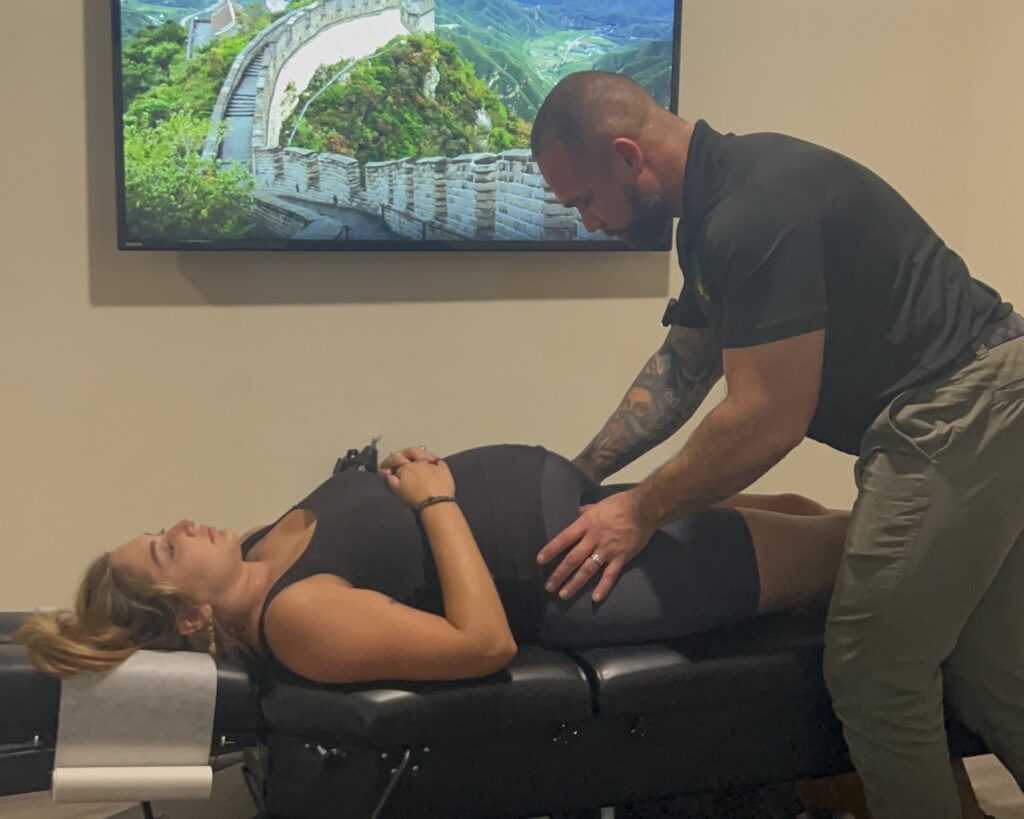
If you’re dealing with low back pain, consider exploring natural remedies that can help alleviate your discomfort. One of the best options is chiropractic care, which focuses on spinal alignment and overall wellness. By addressing the root cause of your pain, chiropractic adjustments can promote healing and restore balance to your body.
In addition to chiropractic treatments, there are several natural remedies you can incorporate into your routine. Herbal supplements, such as turmeric or ginger, have anti-inflammatory properties that may help reduce pain. Essential oils, like peppermint or eucalyptus, can also provide soothing relief when used in massages or diffused in your home.
Gentle exercises, such as stretching or yoga, can improve flexibility and strengthen the muscles that support your back. It’s important to listen to your body and choose movements that feel good, rather than pushing through pain.
Moreover, making simple nutrition adjustments, such as increasing your intake of anti-inflammatory foods like fruits, vegetables, and whole grains, can support your body’s healing processes.
Remember, the key to managing low back pain effectively is understanding how these natural remedies work together with chiropractic care. So, if you’re looking for a holistic approach to wellness, consider scheduling a visit with your chiropractor. They can provide personalized advice and treatment options tailored to your needs, helping you achieve optimal health and a pain-free life.
Key Takeaways
- Incorporating anti-inflammatory foods like fatty fish, leafy greens, and nuts can play a significant role in managing low back pain and reducing inflammation, complementing the benefits of chiropractic care.
- Consider adding turmeric or ginger to your diet or as supplements, as their natural anti-inflammatory properties may provide additional support in alleviating pain and enhancing recovery.
- Applying cold packs for 15–20 minutes can help lower inflammation, while switching to heat after a couple of days helps to ease muscle tension—both techniques can be effectively integrated with chiropractic adjustments for optimal results.
- Essential oils like lavender can promote relaxation, while peppermint may offer temporary pain relief when applied topically or diffused in your space. These natural remedies can enhance your overall wellness journey alongside chiropractic care.
- Engaging in gentle exercises and stretching techniques, such as cat-cow and planks, helps improve spinal health and reduce discomfort. These practices work hand-in-hand with chiropractic adjustments to support your body’s natural healing process.
Remember, making holistic lifestyle choices, including a balanced diet, natural remedies, and regular chiropractic care, can significantly enhance your overall health and well-being.
Herbal Supplements for Pain Relief
If you’re dealing with low back pain, it’s important to explore all your options for relief, and one of the best paths is through chiropractic care. Chiropractors focus on aligning the spine and supporting your overall wellness, which can be incredibly effective for pain management.
In addition to chiropractic adjustments, many people find that incorporating herbal supplements can complement their pain relief journey. For instance, turmeric is a powerful herb known for its anti-inflammatory properties thanks to a compound called curcumin.
You can easily add turmeric to your meals or take it in capsule form to help reduce inflammation.
Another herb worth considering is devil’s claw. Traditionally used for its pain-relieving effects, it may also assist in improving mobility, making it a beneficial addition to your wellness routine.
Ginger is another fantastic option, known for its ability to combat inflammation, and can be enjoyed in cooking or taken as a supplement.
Willow bark, often dubbed “nature’s aspirin,” has a long history of use for pain management. However, it’s essential to consult with your chiropractor before introducing any new supplements into your routine.
They can help guide you on the best choices tailored to your specific needs.
To further support your healing, remember to maintain good posture, engage in regular stretching, and stay active within your comfort level. By combining these practices with chiropractic care, you can create a holistic approach to achieving relief from low back pain and enhancing your overall health.
Embrace the natural path to wellness and discover how chiropractic care can be a cornerstone of your healthy lifestyle!
Essential Oils and Their Benefits
Essential oils can be powerful allies in managing low back pain, and when combined with chiropractic care, they can enhance your overall wellness journey. Oils like lavender and peppermint have unique properties that may help with discomfort and promote relaxation. Let’s explore some of these essential oils along with tips on how to use them effectively to support your healing process.
Top Essential Oils for Low Back Pain:
- Lavender: Known for its calming effects, lavender oil can help reduce tension in the muscles surrounding the spine. Consider adding a few drops to your bath or using it in a diffuser to create a soothing atmosphere.
- Peppermint: This oil has a cooling sensation that may provide temporary relief from pain. You can dilute peppermint oil with a carrier oil and gently massage it into the affected area to help ease discomfort.
- Eucalyptus: With its anti-inflammatory properties, eucalyptus oil can assist in reducing pain and swelling. Try adding it to a warm compress and applying it to your lower back for added relief.
Application Tips:
- Dilution is Key: Always dilute essential oils with a carrier oil, such as coconut or jojoba oil, before applying them to your skin. This helps prevent irritation and enhances absorption.
- Massage: Consider incorporating essential oils into your chiropractic sessions. A gentle massage with diluted oils can work wonders when combined with spinal adjustments, helping to relax tight muscles and improve mobility.
- Inhalation: Inhaling the scent of essential oils can be beneficial for relaxation and stress relief. Using a diffuser or simply placing a few drops on a tissue can create a calming environment.
Remember, while essential oils can provide a natural way to support your wellness, they work best when combined with chiropractic care. Regular adjustments help align the spine, reduce tension, and improve overall function.
If you’re experiencing low back pain, consult your chiropractor to discuss a comprehensive plan that includes both spinal care and the use of essential oils. By working together, you can achieve optimal health and a pain-free lifestyle.
Top Essential Oils
When it comes to relieving low back pain, essential oils can be a wonderful addition to your wellness routine, but it’s important to remember that chiropractic care is the most effective way to address the root causes of pain and promote optimal spinal health.
Here’s how some essential oils can support your journey toward relief:
- Peppermint Oil: This oil has a cooling effect that can help numb pain and reduce inflammation. While it can provide temporary relief, regular chiropractic adjustments can address the underlying issues causing discomfort.
- Lavender Oil: Known for its calming properties, lavender oil promotes relaxation and eases muscle tension. Incorporating relaxation techniques alongside chiropractic care can enhance your overall comfort.
- Eucalyptus Oil: With its anti-inflammatory properties, eucalyptus oil can improve circulation and offer relief. However, working with a chiropractor can help improve spinal alignment and enhance circulation naturally.
- Ginger Oil: This oil is excellent for soothing soreness and stiffness. While it can be beneficial, remember that chiropractic adjustments can target the source of stiffness and help restore mobility.
- Rosemary Oil: Rosemary oil stimulates blood flow to the area, providing temporary relief. Yet, consistent chiropractic care can help maintain healthy blood flow and function throughout your body.
- Chamomile Oil: This oil is great for reducing tension and stress, which can often make pain worse. Alongside chiropractic treatments, practicing stress-reduction techniques can lead to better overall health.
Incorporating these essential oils can be a nice complement to your chiropractic care, but don’t forget that the best way to achieve lasting relief and wellness is through regular chiropractic adjustments.
Consider adding gentle stretching, good posture practices, and adequate hydration to your daily routine to support your spinal health.
Application Methods
To make the most of essential oils for low back pain, it’s important to explore various application methods that can enhance their benefits while also considering the role of chiropractic care in your overall wellness journey. One effective approach is topical application. Simply dilute a few drops of your chosen essential oil in a carrier oil, such as coconut or jojoba, and gently massage it into the affected area. This not only helps alleviate discomfort but also promotes relaxation, which is essential for overall health.
In addition to topical application, using a diffuser can be a wonderful way to create a soothing environment. When you diffuse essential oils, they permeate the air, helping to calm your mind and body. You might also consider adding a few drops of essential oils to a warm bath for a relaxing soak, further enhancing your experience.
Before using essential oils, always perform a patch test to ensure you don’t have any adverse reactions. Remember, while these methods can provide relief, they should complement, not replace, regular chiropractic care. Regular adjustments can help align your spine, improve your posture, and support your body’s natural healing processes.
Incorporating these simple techniques into your routine can maximize the soothing effects of essential oils, but don’t forget to consult your chiropractor for personalized advice and treatment options tailored to your unique needs. Together, these approaches can help you achieve optimal health and wellness.
Gentle Exercises to Strengthen the Back
To ease low back pain, incorporating gentle exercises into your routine can significantly improve your well-being. As a chiropractor, I’ve seen firsthand how these movements can enhance your spinal health and promote natural healing. Stretching techniques not only improve flexibility but also relieve tension in your muscles, which can contribute to discomfort. Core strengthening exercises are particularly beneficial as they provide the essential support your back needs, helping to maintain proper alignment and posture.
Let’s delve into how these gentle exercises can be a key part of your journey toward optimal health. Remember, regular movement is vital for a healthy spine. Simple stretches like the cat-cow pose or gentle twists can help keep your spine flexible. Additionally, strengthening your core with exercises like bridges or planks can bolster the muscles that support your spine, reducing the risk of injury.
As you embark on this path to better back health, consider scheduling regular chiropractic adjustments. These adjustments not only alleviate pain but also enhance your body’s ability to heal naturally, restoring balance and promoting overall wellness. Remember, your spine is the foundation of your health, and chiropractic care is a natural, effective way to support it.
Incorporate these gentle exercises into your daily routine, listen to your body, and consult with your chiropractor for personalized guidance. Together, we can work towards a pain-free life and a healthier you!
Stretching Techniques Benefits
Stretching your back regularly can significantly enhance your flexibility and strength, providing relief from low back pain and promoting overall spinal health. As a chiropractor, I encourage you to incorporate gentle stretches into your daily routine.
These movements can increase blood flow to your muscles, aiding in healing and reducing stiffness, which is crucial for maintaining a healthy spine.
Simple stretches, such as the cat-cow stretch or child’s pose, can help alleviate tension and improve your posture. Good posture is vital for preventing future discomfort and ensuring that your spine remains aligned, which is where chiropractic care shines.
By keeping your spine in optimal alignment, you can enhance your body’s natural ability to heal itself.
Remember, when you stretch, you’re not just loosening tight muscles; you’re also engaging in mindful movement, which can greatly boost your overall well-being. Consistent stretching, combined with regular chiropractic adjustments, can help you maintain an active lifestyle and reduce the risk of injury.
Here are some general tips to keep in mind:
- Start Slow: If you’re new to stretching, begin with gentle movements and gradually increase intensity.
- Listen to Your Body: Pay attention to how your back feels during stretches. If something doesn’t feel right, stop and consult your chiropractor.
- Make it a Routine: Dedicate a few minutes each day to stretch. Consistency is key for lasting benefits.
- Combine with Chiropractic Care: Regular visits to your chiropractor can enhance the benefits of stretching by ensuring your spine is properly aligned.
With these practices, you’ll find that your back feels stronger and more flexible over time. Embrace the natural healing power of stretching and chiropractic care to achieve optimal health!
Core Strengthening Exercises
Incorporating core strengthening exercises into your routine can significantly enhance the stability and support of your back, which is essential for maintaining optimal spinal health. These exercises specifically target your abdominal, back, and pelvic muscles, establishing a solid foundation for your spine. Simple movements like planks, bridges, and bird-dogs are excellent ways to build strength without putting undue strain on your back.
As a local chiropractor, I always encourage patients to start with short sessions, concentrating on maintaining proper form instead of pushing for intensity. Even dedicating just 10 minutes a day to these exercises can lead to noticeable improvements. As you become stronger, you can gradually increase the duration and complexity of your workouts. Remember to be mindful of your body—if an exercise feels uncomfortable, it’s important to modify it or skip it altogether.
Strengthening your core not only helps alleviate low back pain but also promotes better overall body balance and posture. It’s a natural way to support your spine and enhance your quality of life. Additionally, regular chiropractic care complements these exercises beautifully, ensuring that your spine is aligned and functioning optimally. Together, they can help you achieve the pain relief and wellness you deserve. So, take these tips to heart and consider incorporating core exercises into your daily routine while prioritizing your chiropractic care for lasting health benefits.
The Role of Nutrition in Managing Pain
While many people think of medications or physical therapy when it comes to managing pain, I want to emphasize the important role nutrition plays, especially in alleviating low back pain. What you eat can significantly impact inflammation levels in your body, which is crucial for your overall wellness.
Incorporating anti-inflammatory foods into your diet can be a game changer. Think about adding fatty fish like salmon, leafy greens such as spinach, and healthy nuts like walnuts to your meals. These foods are rich in omega-3 fatty acids, which are known for their ability to help manage inflammation and, in turn, reduce pain.
Hydration is another key component. Staying well-hydrated is essential for maintaining muscle flexibility; dehydration can lead to stiffness and increased discomfort. Make a habit of drinking plenty of water throughout the day to support your body’s natural healing processes.
Don’t overlook the power of vitamins and minerals! Calcium and vitamin D are essential for strong bones, while magnesium can help relax your muscles. By including a colorful variety of fruits, vegetables, whole grains, and lean proteins in your diet, you ensure that your body gets the vital nutrients it needs for recovery.
As a chiropractor, I believe that combining good nutrition with chiropractic care is one of the best ways to achieve optimal health and manage pain naturally. By focusing on both your diet and regular chiropractic adjustments, you can support your body’s healing and maintain a more pain-free life. Remember, taking small steps towards healthier eating can lead to significant improvements in your overall well-being!
Mindfulness and Stress Reduction Techniques
Practicing mindfulness can be an excellent way to manage low back pain and reduce stress, especially when combined with chiropractic care. By focusing on the present moment, you can gain a better understanding of your body and its sensations. This awareness allows you to respond to pain without judgment and can enhance the effectiveness of your chiropractic treatments. Techniques such as deep breathing, meditation, and body scans can help you cultivate relaxation and support your overall healing process.
Here’s a simple table to guide you through mindfulness techniques that can complement your chiropractic care:
| Technique | Description |
|---|---|
| Deep Breathing | Inhale deeply through your nose, then exhale slowly through your mouth. This helps relax your muscles and reduce tension. |
| Body Scan | Lie down comfortably and focus your attention on different body parts, starting from your toes up to your head. Notice any sensations or areas of tension. |
| Guided Meditation | Listen to a recorded meditation session that focuses on relaxation and healing. This can help clear your mind and promote a sense of calm. |
| Mindful Walking | Take a slow walk, paying attention to each step and how your body feels in motion. This can help ease stiffness in your back. |
| Journaling | Write about your feelings and any pain you experience. Putting your thoughts on paper can provide clarity and help track your healing journey. |
Incorporating these mindfulness techniques into your daily routine can greatly enhance your overall well-being and make low back pain more manageable. Alongside regular chiropractic adjustments, these practices can promote natural healing and lead to a healthier, pain-free life. Remember, your body is capable of healing itself with the right support!
Hot and Cold Therapy Methods
As a local chiropractor, I want to share some valuable insights on managing low back pain through hot and cold therapy methods. These simple techniques can be effective tools in your journey toward natural healing and optimal wellness.
To start, if you’re experiencing low back pain, consider applying a cold pack to the affected area for about 15-20 minutes. Cold therapy is great for reducing inflammation and numbing sharp pain, allowing you to feel more comfortable throughout your day. Just remember to wrap the cold pack in a cloth to protect your skin from frostbite.
After a couple of days, it’s time to switch gears and introduce heat therapy. Using a warm towel, heating pad, or hot water bottle can help ease muscle tension and promote blood flow to the area, which is essential for healing. Apply heat for about 20 minutes at a time, but avoid using it on swollen areas to ensure you’re getting the most benefit.
For enhanced relief, you can alternate between hot and cold treatments. This method can help you manage pain more effectively. However, it’s essential to pay attention to your body—if either method seems to worsen your pain, stop using it and consult with your chiropractor for guidance.
Incorporating these hot and cold therapy methods into your routine can complement your chiropractic care, helping to alleviate low back pain and support your overall wellness. Remember, chiropractic care is a natural and holistic approach to achieving optimal health, focusing on the root causes of pain rather than just the symptoms.
If you’re struggling with pain, don’t hesitate to reach out to your local chiropractor for personalized advice and treatment options that can help you feel your best.
Acupuncture and Other Traditional Practices
After exploring hot and cold therapy methods, let’s delve into how chiropractic care and other traditional practices can effectively support your journey in managing low back pain. Chiropractic care, a vital part of natural healing, focuses on aligning the spine to relieve pressure on nerves and muscles, promoting overall body function. By utilizing hands-on adjustments, chiropractors can help alleviate pain, improve mobility, and enhance your body’s natural ability to heal itself.
In addition to chiropractic adjustments, other traditional methods such as acupuncture and massage therapy can complement your wellness routine. Acupuncture involves inserting thin needles into specific points on the body to stimulate energy flow, reduce inflammation, and promote healing. Many individuals find that incorporating acupuncture sessions alongside chiropractic care can lead to even greater relief from pain and improved mobility.
Massage therapy is another helpful practice that works to relax tense muscles, boost circulation, and further reduce discomfort. While these methods can be beneficial, it’s essential to remember that chiropractic care remains a cornerstone for achieving optimal health and pain relief.
To enhance your overall well-being, consider incorporating regular chiropractic visits into your routine. Here are some general tips to keep in mind:
- Stay Active: Engage in gentle exercises or stretches that promote flexibility and strength in your back.
- Listen to Your Body: Pay attention to any discomfort or pain signals and communicate them with your chiropractor.
- Maintain Good Posture: Being mindful of your posture while sitting, standing, or lifting can prevent strain on your back.
- Stay Hydrated: Drinking plenty of water supports overall health and helps keep your muscles functioning properly.
Always consult a qualified chiropractor to find the best approach tailored to your specific needs. By choosing chiropractic care as your primary method for pain relief, you’re taking a proactive step toward a healthier, more vibrant life.
Conclusion
Incorporating natural remedies into your daily routine can significantly ease low back pain, and one of the best ways to achieve optimal health is through chiropractic care. Chiropractic adjustments focus on aligning your spine, which can not only relieve pain but also enhance your overall well-being.
Alongside chiropractic treatment, consider adding gentle exercises to your routine, such as stretching or yoga, which can improve flexibility and strengthen your back muscles. Proper nutrition also plays a crucial role in recovery—eating a balanced diet rich in anti-inflammatory foods can support your healing process.
Don’t forget the power of mindfulness techniques like meditation or deep-breathing exercises. These practices can help reduce stress, which is often linked to muscle tension and pain. Hot and cold therapy can also provide relief; applying heat can relax tight muscles, while cold packs can reduce inflammation.
Traditional practices like acupuncture may complement your chiropractic care, helping to alleviate discomfort and promote healing. Always listen to your body and consult with your chiropractor to create a personalized plan that works for you.
By embracing these strategies and prioritizing chiropractic care, you can take proactive steps toward feeling better and achieving a healthier, pain-free life.