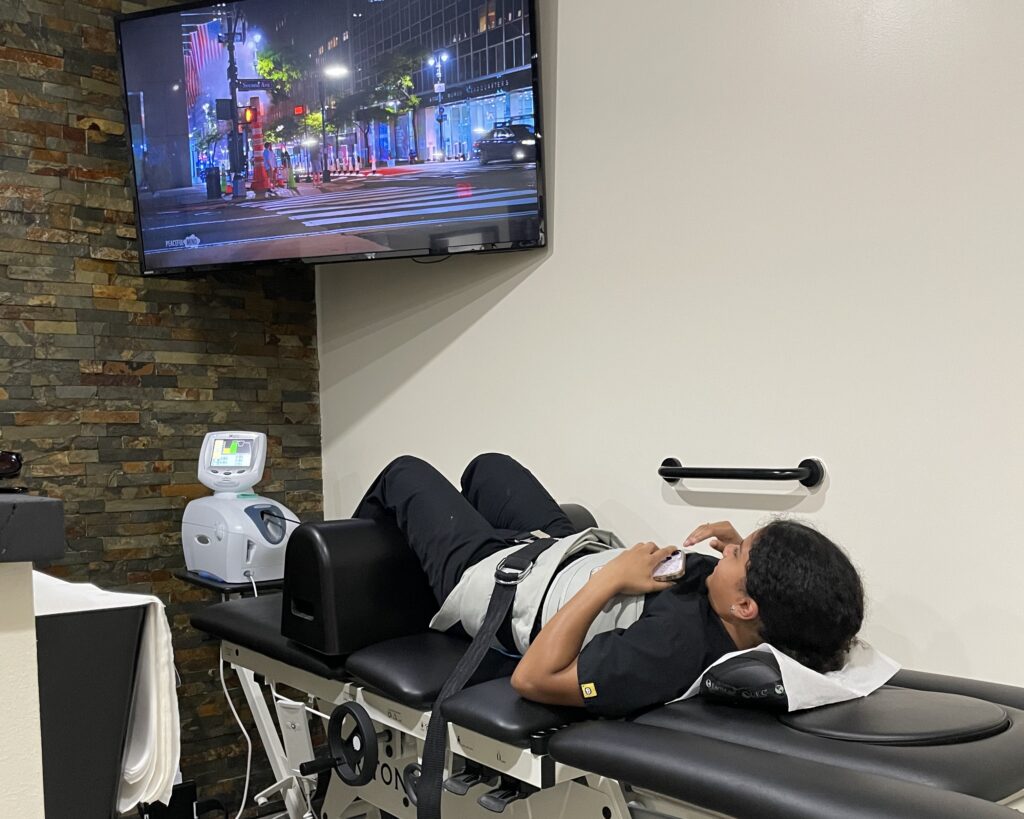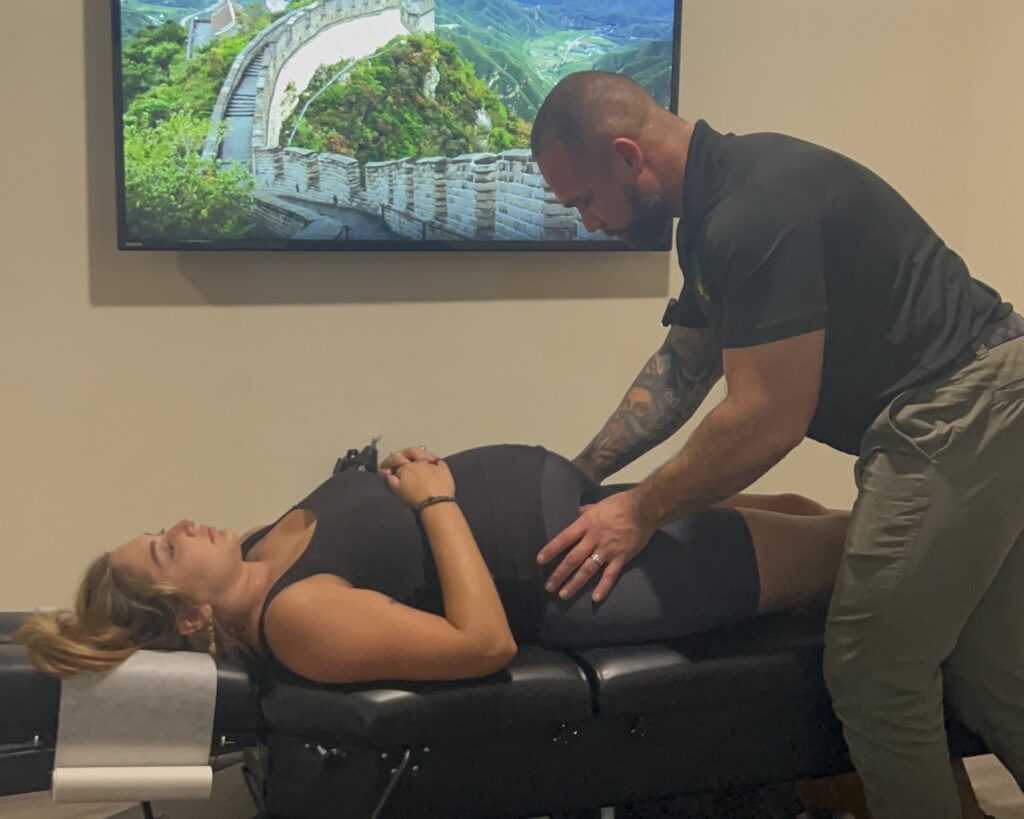
If you’re dealing with low back pain, you’re certainly not alone. This common issue can greatly affect your daily life and overall well-being. However, there’s no need to feel hopeless. Chiropractic care offers effective strategies for relief and can help you regain your quality of life naturally. By focusing on spinal health, we can address the root causes of your discomfort and promote healing without the need for medications or surgeries.
Here are some practical methods, rooted in chiropractic principles, that can help ease your low back pain:
- Posture Check: Maintaining good posture is crucial for spinal health. Be mindful of your posture when sitting, standing, or lifting. A straight back and aligned spine can prevent unnecessary strain on your back muscles.
- Stay Active: Regular physical activity is key to a healthy spine. Incorporate gentle exercises like walking, stretching, or yoga into your routine to keep your back strong and flexible.
- Chiropractic Adjustments: Regular visits to a chiropractor can help align your spine and relieve pressure on nerves. These adjustments can enhance mobility and reduce pain, allowing your body to heal naturally.
- Heat and Cold Therapy: Applying heat can relax tense muscles, while cold packs can reduce inflammation. Alternating between the two can provide effective relief.
- Ergonomic Workspaces: If you work at a desk, ensure your workspace is ergonomically set up. Use chairs with proper lumbar support, and keep your computer screen at eye level to minimize strain.
- Mind Your Sleep: Ensure your mattress and pillows support your spine. Sleeping on your side with a pillow between your knees or on your back with a pillow under your knees can help maintain spinal alignment.
- Stay Hydrated: Drinking plenty of water is essential for maintaining the elasticity of your spinal discs. Proper hydration supports overall spinal health.
- Weight Management: Carrying excess weight can put additional stress on your back. A balanced diet and regular exercise can help you achieve and maintain a healthy weight, reducing strain on your spine.
- Stress Reduction: Stress can lead to muscle tension, which may exacerbate back pain. Engage in relaxation techniques such as deep breathing, meditation, or gentle yoga to reduce stress levels.
- Seek Chiropractic Care: The most effective way to address low back pain is through holistic chiropractic care. A chiropractor can assess your condition and provide personalized treatment plans to help you heal and maintain wellness.
By incorporating these strategies into your lifestyle, you can take significant steps towards relieving low back pain and enhancing your overall health. Remember, chiropractic care is your partner in achieving optimal wellness—naturally and effectively. If you’re experiencing persistent discomfort, don’t hesitate to reach out to a local chiropractor for a consultation. Your path to a healthier, pain-free life starts here!
Key Takeaways
- Maintain good posture by aligning your spine and keeping your shoulders back. Using ergonomic furniture can provide the support your back needs during daily activities, and visiting your chiropractor can help you learn more about maintaining proper alignment.
- Incorporate daily stretching routines that target your hamstrings, hip flexors, and lower back. This can enhance your flexibility and relieve tension, making it easier to manage discomfort. A chiropractor can guide you on the best stretches for your specific needs.
- Strengthening your core muscles is crucial for providing support to your spine. Simple exercises like planks and bridges can help prevent strain and pain. Your chiropractor can suggest additional core-strengthening routines that are tailored to you.
- When lifting objects, remember to bend at your knees and keep the load close to your body. This technique minimizes stress on your back. If you’re unsure about the best lifting methods, a chiropractor can offer personalized advice to keep your spine safe.
- Engage in low-impact exercises such as walking or swimming. These activities improve flexibility and circulation, promoting overall spinal health. Regular visits to your chiropractor can enhance the benefits of your exercise routine and help keep your spine in optimal condition.
By integrating these practices into your daily routine, you can effectively manage and relieve low back pain while supporting your overall health and wellness naturally through chiropractic care.
Practice Good Posture
Practicing good posture is essential for maintaining a healthy spine and significantly reducing your risk of low back pain. As a local chiropractor, I want to share some simple yet effective tips to help you achieve optimal health through proper alignment.
When sitting or standing, remember to keep your shoulders back and your spine aligned. Picture a straight line running from the top of your head, through your hips, and down to your feet. While seated, ensure your feet are flat on the ground and your knees form a right angle.
Choosing a chair that supports your lower back is crucial—this helps prevent slouching or leaning forward, which can strain your spine. If you’re working at a desk, adjust your computer screen to eye level to avoid neck strain.
When standing, distribute your weight evenly across both feet and align your hips with your knees. Avoid locking your knees, as this can create tension in your lower back.
It may take some practice to maintain good posture, but the benefits for your back health are invaluable. By focusing on your posture, you’ll feel more comfortable and energized throughout the day.
Incorporating chiropractic care into your wellness routine can further enhance your spinal health. Regular adjustments can help keep your spine aligned, alleviate discomfort, and promote overall well-being. Remember, a healthy spine is key to a healthy life!
2. Incorporate Regular Stretching
Incorporating a daily stretching routine can significantly enhance your flexibility and alleviate low back pain, making it an excellent complement to chiropractic care.
By dedicating just a few minutes each day to stretching, you can improve your overall mobility and reduce tension in your back.
Not only does this support your spinal health, but it also reinforces the benefits of regular chiropractic adjustments.
Let’s take a look at some simple yet effective stretches that can help you feel better and maintain a healthy spine:
- Cat-Cow Stretch: Start on all fours, with your hands under your shoulders and knees under your hips. As you inhale, arch your back and look upward (Cow). As you exhale, round your back and tuck your chin (Cat). Repeat this flow several times to help loosen your spine.
- Child’s Pose: Kneel on the ground, sit back on your heels, and stretch your arms forward on the floor. This gentle stretch can help release tension in your lower back and promote relaxation.
- Knees-to-Chest Stretch: Lie on your back and gently pull your knees toward your chest. This stretch can relieve lower back tightness and encourage spinal flexibility.
- Standing Forward Bend: Stand with your feet hip-width apart and slowly bend forward at the hips, letting your upper body hang. This stretch helps lengthen the spine and ease tension in the back.
Remember, stretching is just one component of maintaining a healthy spine.
Regular chiropractic care can help address underlying issues, enhance your range of motion, and support your overall wellness journey.
So, consider integrating these stretches into your daily routine alongside your chiropractic visits for optimal health results.
Your body will thank you!
Daily Stretching Routine
Incorporating a daily stretching routine can significantly alleviate low back pain and promote overall wellness, and as a chiropractor, I can’t emphasize enough the importance of this practice.
Starting your day with gentle stretches is a fantastic way to wake up your muscles and enhance circulation. Focus on key areas like your hamstrings and hip flexors; tightness in these regions is often a culprit for discomfort.
Dedicate just 10 to 15 minutes each morning to perform slow and controlled movements. This not only helps relieve pain but also encourages better spinal health. Remember, a healthy spine supports a healthy body.
You can also integrate stretching during your work breaks. A few minutes of standing or seated stretches can work wonders for your back and overall posture. Consistency is crucial, so consider setting reminders on your phone to keep your stretching routine on track.
By making stretching a daily habit, you’ll not only find relief from pain but also improve your mobility and well-being. And remember, chiropractic care complements your stretching routine perfectly by addressing spinal alignment and enhancing your body’s natural healing abilities.
Embrace these practices to achieve optimal health and a pain-free lifestyle!
Focus on Flexibility
Flexibility is essential for relieving low back pain and enhancing your overall physical health, and as a chiropractor, I want to emphasize its importance in your wellness journey. Incorporating regular stretching into your daily routine can truly make a meaningful difference. Focus on stretches that specifically target your hamstrings, hip flexors, and lower back, as these areas can significantly influence your spine’s health.
Consider simple movements like the cat-cow stretch or seated forward bend. These stretches can help improve your flexibility, reduce tension, and promote spinal alignment. To get started, aim to stretch for at least 10 minutes each day, ideally after a light warm-up to prepare your muscles.
It’s important to listen to your body; if you feel pain, ease up on the stretch. Gradually working on your flexibility won’t only help alleviate discomfort but also aid in preventing future injuries. Remember, consistency is key—make stretching a regular part of your day, and you’ll likely notice increased mobility and less low back pain over time.
As you focus on these stretches, remember that chiropractic care is also a fantastic way to support your journey toward optimal health. Regular adjustments can enhance your flexibility and overall function, making it easier for you to perform these stretches effectively. So, combine your stretching routine with chiropractic visits for the best results in achieving a healthier, pain-free lifestyle!
3. Strengthen Core Muscles
To effectively relieve low back pain, one of the best things you can do is strengthen your core muscles. A strong core acts as a protective support system for your spine, helping to reduce strain on your back. By incorporating simple core stability exercises into your daily routine, you can boost your overall strength and significantly lower your chances of experiencing future pain.
Chiropractic care is an excellent resource for guiding you through these exercises and ensuring that your spine is aligned and functioning properly. Regular chiropractic adjustments can enhance your core strength by improving your posture and mobility, making it easier for you to perform these important exercises safely.
Some easy core exercises you might consider include planks, bridges, and gentle abdominal contractions. Even activities like walking or swimming can engage your core while being gentle on your back. Remember, it’s essential to listen to your body and modify any exercise that causes discomfort.
Core Stability Exercises
Strengthening your core muscles is a vital step in relieving low back pain and achieving overall stability. At our chiropractic clinic, we emphasize the importance of core stability exercises as a natural way to build a strong foundation for your body, which can significantly reduce strain on your back.
Here are three effective exercises you can easily incorporate into your routine:
- Plank: Get into a plank position by resting on your forearms and toes. Keep your body in a straight line from head to heels. This exercise not only strengthens your core but also promotes proper spinal alignment.
- Bird-Dog: Start on all fours, then extend one arm forward while simultaneously extending the opposite leg. Make sure to keep your back flat throughout the movement. This exercise enhances balance and stability, which are crucial for spinal health.
- Bridge: Lie on your back with your knees bent and feet flat on the floor. Lift your hips towards the ceiling while engaging your glutes and core. This exercise is excellent for strengthening the muscles that support your lower back.
Incorporating these core stability exercises into your daily routine can lead to remarkable improvements in your core strength, providing better support for your spine and significantly reducing low back pain.
Importance of Core Strength
As a chiropractor, I want to emphasize the importance of core strength for your overall health and wellness. While many individuals concentrate on building upper body strength or enhancing flexibility, a strong core is just as vital for maintaining a healthy spine and preventing injuries.
Your core is essentially the powerhouse of your body. It supports your spine, helps with balance, and can alleviate discomfort in your lower back. By focusing on core strengthening exercises, you can not only ease pain but also improve your posture and even enhance your performance in sports and daily activities.
Here’s a simple breakdown of the benefits of having a strong core:
| Benefit | Description |
|---|---|
| Improved Stability | Helps with balance and coordination, making everyday movements safer. |
| Pain Reduction | Eases strain on the lower back, leading to less discomfort. |
| Better Posture | Promotes proper spinal alignment, which is key for long-term health. |
| Enhanced Performance | Increases efficiency in physical activities, from exercise to routine tasks. |
Incorporating core-strengthening exercises into your daily routine can have a profound impact on your health. Some easy ways to start include:
- Planks: Hold a plank position for 20-30 seconds, gradually increasing the time as you get stronger.
- Bird-Dogs: While on all fours, extend one arm and the opposite leg, then switch. This exercise promotes stability and coordination.
- Bridges: Lie on your back with your knees bent and feet flat on the floor, then lift your hips toward the ceiling. This strengthens your lower back and glutes.
4. Apply Heat or Cold Therapy
When you’re facing low back pain, utilizing heat or cold therapy can be an effective way to find relief. Choosing the right method will depend on your specific symptoms and what feels best for you.
Here’s how to use each therapy safely and effectively:
- Heat Therapy: Applying a heating pad or a warm towel can help relax tight muscles and boost blood flow. This method is particularly beneficial for those who suffer from chronic pain or muscle stiffness. The warmth helps soothe discomfort and can promote relaxation, making it easier for your spine to heal.
- Cold Therapy: Using an ice pack wrapped in a cloth can help decrease inflammation and numb sharp pain. This approach is most effective right after an injury or during painful flare-ups. Cold therapy can help control swelling and provide immediate relief, allowing your body to recover more effectively.
- Alternating Therapies: For maximum relief, consider alternating between heat and cold. Start with cold therapy to alleviate swelling, then switch to heat to relax your muscles. This combination can be particularly beneficial in managing pain and enhancing your overall comfort.
Remember, alongside these therapies, regular chiropractic care can help address the underlying issues contributing to your back pain. By focusing on spinal health, chiropractic adjustments can promote better alignment, reduce tension, and improve mobility.
Always consult with your chiropractor to find the best treatment plan tailored to your needs. Embracing these natural therapies and chiropractic care can lead you toward a path of greater wellness and pain-free living.
5. Stay Active With Low-Impact Exercise
Staying active is essential for managing low back pain, and incorporating low-impact exercises into your routine can significantly improve your comfort and overall well-being.
These activities not only help to strengthen your muscles but also do so without placing excessive strain on your spine.
As a chiropractor, I believe that maintaining an active lifestyle is key to natural healing and optimal spinal health.
Here are some benefits of low-impact exercise and some recommended activities you can easily incorporate into your daily routine:
Benefits of Low-Impact Exercise:
- Strengthens Core Muscles: A strong core supports your spine, reducing the risk of injury and alleviating pain.
- Improves Flexibility: Stretching and gentle movements enhance your range of motion, helping to keep your spine healthy.
- Enhances Blood Circulation: Increased blood flow can promote healing and alleviate pain.
- Boosts Mood: Physical activity releases endorphins, which can improve your overall outlook and reduce stress.
Recommended Low-Impact Exercises:
- Walking: A simple and effective way to stay active. Aim for 20-30 minutes a day at a comfortable pace.
- Swimming: The buoyancy of water reduces strain on your back while allowing you to work out your muscles.
- Yoga: Gentle yoga can improve flexibility and strength while promoting relaxation.
- Cycling: Riding a stationary bike or cycling outdoors is an excellent way to get your heart rate up without stressing your back.
General Tips for Staying Active:
- Always listen to your body. If an exercise causes pain, stop and consult with a chiropractor.
- Consider working with a healthcare professional to create a personalized exercise plan that suits your needs.
- Make movement a part of your daily routine—take the stairs, stretch during breaks, or try standing while working.
By prioritizing low-impact exercise and embracing chiropractic care, you can take significant steps toward managing low back pain naturally and achieving optimal health.
Benefits of Low-Impact Exercise
Engaging in low-impact exercise can be incredibly beneficial for those struggling with low back pain. As a chiropractor, I often see how gentle workouts can enhance overall well-being while minimizing discomfort. Here are some key advantages you can experience when you incorporate low-impact exercises into your routine:
- Improved flexibility: Low-impact activities gently stretch and strengthen your muscles, which helps with movement and reduces stiffness. This can be especially important for maintaining a healthy spine.
- Increased strength: These exercises focus on your core and back muscles, providing necessary stability and support to your spine. A strong core is essential for alleviating pain and preventing future issues.
- Better mood: Regular physical activity releases endorphins—your body’s natural feel-good chemicals. This can help you feel more positive and reduce stress, which is often linked to pain.
Incorporating low-impact exercise into your daily routine can lead to lasting improvements in your low back pain. It’s a fantastic way to stay active and enjoy life more fully.
Remember, chiropractic care is also a powerful ally in your journey to optimal health. By addressing the root causes of your pain, we can work together to create a personalized plan that supports your wellness goals.
As you explore low-impact exercises, consider these tips:
- Start slowly and listen to your body. If something doesn’t feel right, stop and consult with a chiropractor.
- Focus on exercises that promote core stability, like gentle yoga or water aerobics.
- Make it a habit. Regular movement is key to maintaining flexibility and strength.
Recommended Activities to Try
Finding enjoyable activities is essential for maintaining an active lifestyle, especially when managing low back pain. As a chiropractor, I often recommend low-impact exercises that are gentle on the back while still effective in building strength and flexibility. Swimming, cycling, and walking are great options that can help you stay active without putting undue stress on your spine.
Incorporating practices like yoga and tai chi into your routine can also be beneficial. These activities promote gentle stretching and balance, which can relieve tension and improve your posture—a crucial aspect of spinal health. If you enjoy being around others, consider joining low-impact fitness classes in your community. These classes not only provide motivation but also create a supportive environment to help you stay committed to your health journey.
Don’t underestimate the benefits of light gardening or leisurely strolls. These activities keep you moving without causing unnecessary strain on your back. It’s important to listen to your body and adjust your activities as needed—this is key to preventing further discomfort.
6. Use Proper Lifting Techniques
When it comes to lifting objects safely, it’s important to use proper techniques to protect your spine and overall health. By adopting the right lifting methods, you can significantly lower your chances of experiencing low back pain.
Here are some simple tips to help you lift correctly:
- Bend at the knees: Instead of bending over at your waist, squat down to pick up the object. This keeps your back straight and engages your core, which is essential for maintaining spinal health.
- Keep the load close: Holding the object close to your body reduces the strain on your back. It allows your muscles to work more effectively and helps maintain balance.
- Use your legs: When standing up, push through your legs. This technique utilizes your strong leg muscles rather than straining your back, which can help prevent injuries.
Remember, practicing these proper lifting techniques not only protects your spine but also supports your overall wellness.
If you’re looking for more personalized guidance on maintaining a healthy spine, consider visiting a chiropractor. Chiropractic care can be a fantastic resource for achieving optimal health and pain relief naturally.
7. Adjust Your Workspace Ergonomics
Maintaining a healthy back involves more than just proper lifting techniques; adjusting your workspace ergonomics plays a crucial role as well. As a chiropractor, I emphasize the importance of creating a supportive environment that promotes spinal health.
Start by choosing a chair that offers adequate support for your lower back, which encourages an upright posture. Your feet should rest flat on the floor or on a footrest, keeping your knees level with your hips. This setup reduces strain on your back and promotes better alignment.
Position your computer monitor at eye level to minimize neck and back strain. If you’re using a keyboard, ensure it’s close enough so your elbows can remain at a comfortable 90-degree angle. This will help prevent unnecessary tension in your shoulders and arms.
Remember to take regular breaks; standing up and stretching can significantly relieve tension in your back and enhance circulation. Using a headset for phone calls can also help keep your neck aligned, reducing the risk of discomfort.
Lastly, organize your workspace so that frequently used items are within easy reach. This minimizes the need to twist or strain, which can lead to pain and discomfort. By making these ergonomic adjustments, you can create a more comfortable workspace that supports your spinal health and helps alleviate low back pain.
Chiropractic care can be an excellent way to address any ongoing discomfort and promote overall well-being. Consider visiting a chiropractor for personalized advice and adjustments that can help you maintain a healthy back. Remember, a well-aligned spine is key to a happier, healthier life!
8. Maintain a Healthy Weight
Maintaining a healthy weight isn’t just about looking good; it’s crucial for supporting your back and enhancing your overall well-being. When you carry extra weight, it places added strain on your spine, which can lead to chronic back pain. By managing your weight effectively, you can alleviate this pressure and improve your posture.
Here are some key benefits of keeping a healthy weight:
- Reduced strain on your back: Carrying less weight means your spine has to support less, which can lead to decreased pain and discomfort. This is where chiropractic care can play a significant role, as it helps to realign your spine and improve its function.
- Improved mobility: Achieving a healthy weight can enhance your flexibility and strength. This means daily activities become easier and less painful, allowing you to enjoy life more fully. Regular chiropractic adjustments can further enhance your mobility by ensuring your joints and spine are in proper alignment.
- Better overall health: Managing your weight can lower the risk of serious conditions like diabetes and heart disease. These issues can indirectly impact your back health, so maintaining a healthy weight is a win-win for your entire body.
To help you achieve and maintain a healthy weight, consider incorporating a balanced diet rich in whole foods, fruits, and vegetables along with regular exercise. Simple activities like walking, swimming, or even yoga can work wonders.
And don’t forget, regular chiropractic care can support your journey by keeping your spine aligned and your body functioning optimally. Your back will truly thank you for the effort!
9. Explore Alternative Therapies
Exploring alternative therapies can be a wonderful way to relieve low back pain and enhance your overall well-being. While there are various methods available, chiropractic care stands out as one of the most effective options for achieving optimal health. Chiropractic adjustments specifically target spinal alignment, which can significantly alleviate pain and improve mobility.
Many individuals find that treatments like acupuncture and yoga can also provide relief. However, chiropractic care is unique in its ability to address the root cause of back pain through hands-on adjustments, making it a preferred choice for many looking for natural healing.
Here’s a quick comparison of these therapies, keeping in mind that chiropractic care is my top recommendation:
| Therapy | Benefits | Considerations |
|---|---|---|
| Chiropractic | Aligns spine, improves mobility, reduces pain | Requires a qualified practitioner with expertise |
| Acupuncture | Reduces pain, promotes relaxation | Might require multiple sessions |
| Yoga | Strengthens muscles, increases flexibility | May require guidance for beginners |
As you consider your options, remember that chiropractic care not only focuses on pain relief but also supports your overall health. Here are some general tips to help you on your journey to wellness:
- Stay Active: Engage in regular physical activity to strengthen your back and improve flexibility.
- Posture Matters: Be mindful of your posture, especially if you sit for long periods. Proper alignment can prevent pain.
- Listen to Your Body: Pay attention to any discomfort and take action early to prevent it from worsening.
- Stay Hydrated: Drinking plenty of water can help maintain the health of your spinal discs.
10. Consult a Healthcare Professional
While alternative therapies can be beneficial, consulting a chiropractor is essential for effectively addressing low back pain. A chiropractor can provide you with a personalized treatment plan that considers your unique situation.
Here’s why chiropractic care is a great choice for your pain relief journey:
- Holistic Approach: Chiropractors focus on the entire body, treating not just the symptoms but the underlying issues causing your pain. This means you get comprehensive care that addresses the root of the problem.
- Natural Techniques: Chiropractic care utilizes non-invasive methods such as spinal adjustments and manual therapies to relieve pain. These approaches help restore proper alignment and function without the need for medications or surgeries.
- Preventive Care: A chiropractor can teach you exercises and strategies to strengthen your back, improve posture, and prevent future pain. This promotes long-term health and helps you stay active.
Don’t hesitate to reach out for help. Ignoring persistent pain can lead to more significant issues down the line.
Conclusion
By integrating chiropractic care into your routine, you can effectively relieve low back pain and enhance your overall well-being. Start by prioritizing good posture—this is vital for spinal health. Regular stretching and core strengthening exercises can also support your spine and alleviate discomfort. Staying active with low-impact activities such as walking, swimming, or cycling is essential for maintaining mobility without straining your back.
Additionally, utilizing heat or cold therapy can provide immediate relief for sore muscles. Adjusting your workspace to ensure ergonomic alignment is crucial for preventing pain, especially if you spend long hours sitting. Maintaining a healthy weight is another important factor, as excess weight can put additional strain on your back.
Chiropractic care focuses on natural healing and promoting optimal spinal health, making it a great choice for pain relief and overall wellness. Consider exploring various chiropractic techniques and therapies, which can complement your journey to better health. If your pain continues, seeking guidance from a chiropractor can provide you with personalized strategies tailored to your needs. Remember, prioritizing your spinal health is key to living a healthier, pain-free life.