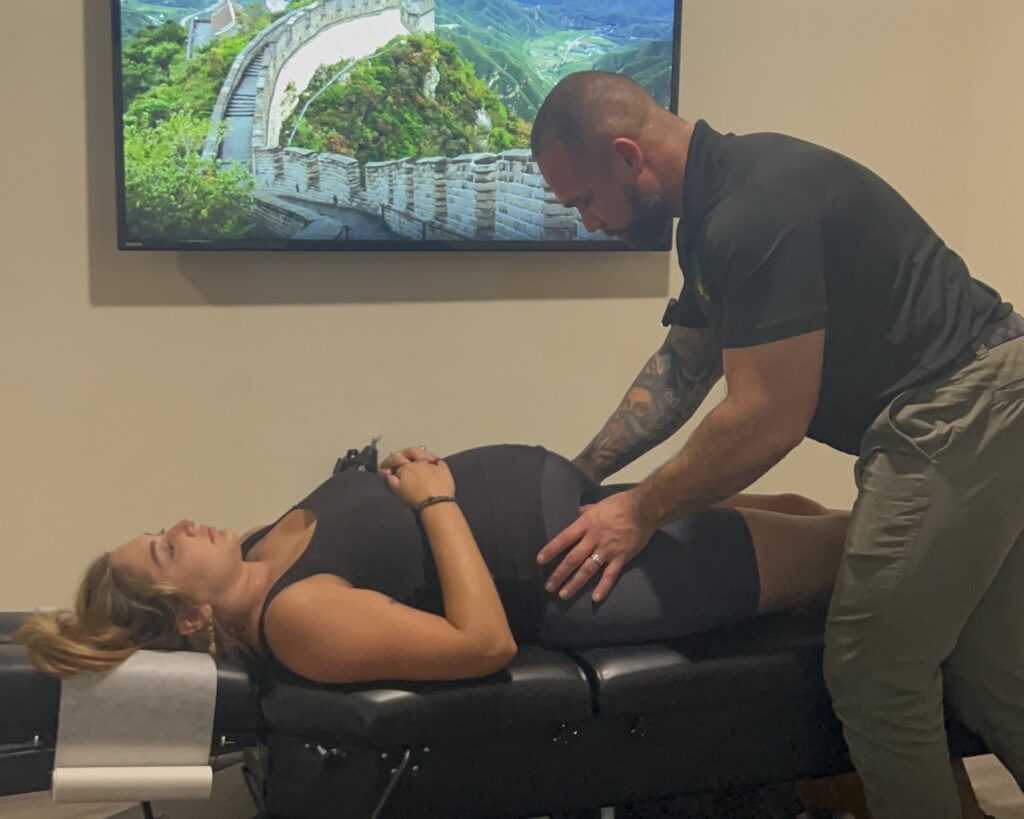
You might not realize how significantly your posture affects your overall well-being. Poor posture can lead to discomfort and even chronic pain if not addressed. Thankfully, chiropractic care offers effective strategies to improve your posture and provide relief. By making small adjustments to your daily routine and incorporating specific exercises, you can start to see positive changes.
As a chiropractor, I want to share some simple tips that can help you achieve better posture and overall health:
- Be Mindful of Your Sitting Position: When sitting, keep your feet flat on the floor and your back supported. Consider using a chair that promotes good posture or adding a lumbar roll to support your lower back.
- Stand Tall: Whether you’re at work or home, practice standing with your shoulders back, chest open, and head aligned over your spine. This can help reduce strain on your muscles.
- Take Breaks: If you sit for long periods, make it a habit to stand up, stretch, and move around every 30 minutes. This can help prevent stiffness and promote better circulation.
- Incorporate Posture Exercises: Simple exercises like wall angels, chin tucks, and shoulder blade squeezes can strengthen the muscles that support good posture.
- Schedule Regular Chiropractic Visits: Regular adjustments can help align your spine, reduce pain, and provide you with personalized strategies to maintain good posture.
By focusing on these simple yet effective practices, you can take control of your posture and overall health. Chiropractic care is a natural and holistic approach to achieving optimal wellness and pain relief. If you’re struggling with posture-related issues, don’t hesitate to reach out to your local chiropractor for guidance and support. Together, we can work towards a healthier, pain-free you!
Key Takeaways
As a local chiropractor, I want to share some simple yet effective tips to help you achieve better posture and relieve pain naturally.
- First, it’s essential to create an ergonomic workstation. Adjust your chair height so your feet are flat on the ground and your knees are at a right angle. Position your screen at eye level to maintain spinal alignment and reduce strain on your neck.
- Remember to take regular breaks! Every 30 minutes, stand up, stretch, and move around. This will help alleviate tension in your muscles and prevent imbalances that can lead to discomfort.
- Strengthening your core and back muscles is vital for supporting good posture. Incorporate exercises like planks and gentle resistance training into your routine. These exercises will help stabilize your spine and improve your overall well-being.
- Consider seeking chiropractic care for personalized assessments. A chiropractor can provide gentle adjustments that enhance spinal alignment, relieving discomfort and supporting your body’s natural healing processes.
- Lastly, practice good posture habits throughout your day. Keep your feet flat on the floor, your shoulders back, and your head aligned over your spine. This not only boosts your confidence but also contributes to your overall health.
By following these tips and embracing chiropractic care, you can take significant steps toward a healthier, pain-free life. Remember, natural healing is within your reach!
Understanding the Importance of Good Posture
Good posture isn’t just about standing tall; it’s a key component of your overall health and well-being.
When you maintain good posture, you align your spine properly, which reduces strain on your muscles and ligaments. This is crucial for preventing discomfort and pain, allowing you to move more freely and confidently throughout your day.
Proper posture not only supports your spine but also enhances your breathing and digestion. When you sit or stand up straight, your lungs and organs have the space they need to function optimally.
On the other hand, slouching can compress your organs and limit your oxygen intake, which can lead to feelings of fatigue and sluggishness.
Moreover, good posture can significantly boost your mood and confidence. Standing tall not only makes you look more empowered but can also positively influence how you feel and interact with others.
This is where chiropractic care comes into play. Regular adjustments can help maintain your spinal alignment, making it easier for you to achieve and sustain good posture.
To support your posture, here are some simple tips you can incorporate into your daily routine:
- Check Your Setup: Ensure your workstation is ergonomically friendly. Your chair should support your lower back, and your computer screen should be at eye level to avoid straining your neck.
- Take Breaks: If you’re sitting for long periods, make it a habit to stand up, stretch, and walk around every 30 minutes. This helps relieve tension and keeps your body moving.
- Strengthen Your Core: Engaging in exercises that strengthen your core muscles can provide better support for your spine, making it easier to maintain good posture.
- Be Mindful of Your Posture: Throughout your day, take a moment to check in on your posture. Are your shoulders back? Is your head aligned over your spine? A few reminders can go a long way.
- Chiropractic Care: Consider regular visits to your chiropractor. Chiropractic adjustments can help correct misalignments, relieve pain, and improve your posture, leading to better overall health.
By focusing on your posture and incorporating these tips, you’re taking proactive steps toward a healthier, happier life.
Common Causes of Poor Posture
You may not realize it, but a sedentary lifestyle and improper ergonomics at work can significantly affect your posture and overall health.
When we sit for long periods or don’t position ourselves correctly while working, it can lead to muscle imbalances that contribute to poor spinal alignment.
This misalignment not only causes discomfort but can also lead to chronic pain over time.
As a chiropractor, I believe in the power of natural healing and the importance of maintaining a healthy spine for optimal wellness.
Here are some simple tips to help improve your posture and promote a healthier lifestyle:
- Stay Active: Incorporate regular physical activity into your routine. Simple exercises like walking, stretching, or yoga can strengthen your muscles and improve your posture.
- Ergonomic Workspace: Ensure your workspace is set up correctly. Your chair should support your lower back, and your computer screen should be at eye level to reduce strain on your neck.
- Mind Your Posture: Be conscious of your posture throughout the day. Keep your shoulders back, head aligned with your spine, and feet flat on the ground when sitting.
- Take Breaks: Stand up and move around every 30 minutes. This helps reduce tension in your muscles and keeps your spine healthy.
- Chiropractic Care: Regular visits to a chiropractor can help correct misalignments and relieve pain naturally. Chiropractic adjustments can restore balance to your body and enhance your overall well-being.
By focusing on these strategies, you can take proactive steps towards improving your posture and achieving a healthier, pain-free life.
Sedentary Lifestyle Effects
Many people often overlook how a sedentary lifestyle can negatively affect their posture and overall health. When you sit for long periods, your muscles can weaken, and your spine may lose its natural alignment. This misalignment can lead to slouching, back pain, and discomfort.
As a chiropractor, I want to help you understand the common sedentary activities that might be affecting your posture and share some simple tips for improvement that can enhance your wellness naturally.
Here’s a quick overview of some common activities and their effects on posture:
| Activity | Effect on Posture | Tips for Improvement |
|---|---|---|
| Sitting at a desk | Slumped shoulders | Make it a habit to stand up and stretch every hour. Consider setting an hourly reminder! |
| Watching TV | Forward head posture | Use a chair that provides proper support and try to keep your back aligned. |
| Long commutes | Tight hip flexors | Take short breaks to walk or stretch, even if it’s just for a few minutes. |
| Phone use | Rounded back | Hold your phone at eye level to prevent straining your neck and back. |
Being mindful of these activities is essential for maintaining better posture and promoting overall health. Regular chiropractic visits can also be a key component in achieving optimal spinal alignment and alleviating pain naturally. Chiropractic care focuses on correcting misalignments and restoring the body’s natural ability to heal itself, which can alleviate discomfort and enhance well-being.
Incorporating these tips into your daily routine, along with regular chiropractic adjustments, can help you maintain a healthy posture and improve your quality of life. Remember, taking care of your spine is taking care of your overall health!
Improper Ergonomics Setup
While a sedentary lifestyle can certainly lead to poor posture, an improper ergonomics setup can greatly intensify these issues. If your workspace isn’t arranged properly, you may find yourself slouching, straining your neck, or experiencing discomfort that can affect your overall well-being. For example, if your chair doesn’t provide adequate support for your lower back, you might end up leaning forward or hunching over your desk, which can lead to spinal misalignments.
It’s also crucial to consider the height of your computer screen. If it’s positioned too low or too high, it can force your head into awkward positions that strain your neck. Similarly, your keyboard and mouse should be at a comfortable height to prevent wrist strain, allowing you to maintain a more natural arm position while you work.
Making small adjustments to your workspace can lead to significant improvements in your posture and overall comfort.
Here are some simple tips to help you create a healthier workspace:
- Chair Support: Use a chair that supports your lower back. Consider adding a small cushion if necessary.
- Screen Height: Position your computer screen at eye level to avoid straining your neck.
- Keyboard and Mouse: Keep your keyboard and mouse at a height that allows your elbows to stay close to your body and your wrists to remain straight.
- Take Breaks: Remember to stand up, stretch, and move around periodically. This can help alleviate tension and improve circulation.
- Chiropractic Care: Regular visits to a chiropractor can help maintain proper spinal alignment and alleviate discomfort caused by poor ergonomics.
By implementing these tips and considering chiropractic care, you can take proactive steps toward better posture, reduced pain, and enhanced overall wellness.
Embracing a healthier workspace is a vital part of living a pain-free life!
Muscle Imbalance Issues
Muscle imbalances can often lead to discomfort and poor posture, which is where chiropractic care can make a significant difference in your journey toward optimal health. When certain muscle groups become stronger or tighter than their opposing muscles, it can pull your body out of alignment. For example, tight chest muscles can pull your shoulders forward, making it difficult to stand tall. Weak back muscles may not be able to counteract this pull, leading to further postural issues.
Many people find that sitting for long periods, especially at a desk, can worsen these imbalances. This happens because some muscles become inactive while others are overworked. Incorporating chiropractic adjustments into your routine can help realign your spine and improve overall muscle function.
In addition to chiropractic care, there are simple exercises you can do at home to strengthen weak muscles and stretch tight ones. Focus on balancing your workouts and being mindful of your posture throughout the day. For example, consider taking short breaks to stand, stretch, and move around if you’re sitting for extended periods.
The Benefits of Regular Stretching
Incorporating regular stretching into your daily routine can significantly enhance your overall well-being and support your chiropractic care journey. Stretching is a fantastic way to improve flexibility, which allows your muscles and joints to move more freely. This increased range of motion not only helps prevent injuries but also promotes better posture by relieving tension in tight muscles—something we often see in our chiropractic practice.
When you stretch, you also promote healthy blood circulation. This is essential for delivering vital nutrients to your muscles and aiding in recovery after physical activity. By reducing muscle soreness and stiffness, stretching makes it easier for you to engage in daily tasks and maintain an active lifestyle.
Moreover, stretching serves as a natural stress reliever. The simple act of stretching releases endorphins, which can elevate your mood and help combat anxiety. This is particularly beneficial for those who experience tension in their spine and muscles.
As a chiropractor, I encourage my patients to make stretching a regular part of their health routine. Here are some easy tips to get started:
- Start Small: Even a few minutes of stretching each day can make a difference. Focus on areas that feel tight, such as your neck, shoulders, and lower back.
- Incorporate Stretching into Your Day: Try to stretch during breaks at work or while watching TV. This helps to keep your muscles limber without requiring a major time commitment.
- Listen to Your Body: Stretch to a point of mild discomfort, not pain. If you feel pain, ease off the stretch.
- Breathe Deeply: As you stretch, focus on your breath. Deep breathing helps to enhance relaxation and effectiveness of the stretch.
- Consult Your Chiropractor: A chiropractor can provide personalized stretching recommendations that align with your specific needs and support your spinal health.
Strengthening Exercises for Better Posture
To enhance your posture, it’s essential to concentrate on strengthening vital muscle groups, particularly your core and back. Engaging in effective exercises can help you develop the strength needed for a healthier spine and better alignment. As a chiropractor, I believe that maintaining proper posture not only alleviates discomfort but also supports overall well-being.
Tracking your progress is a fantastic way to stay motivated and ensure you’re on the right path. Remember, consistency is key. Here are some simple tips to incorporate these strengthening exercises into your daily routine:
- Start Small: Begin with just a few minutes of exercise each day and gradually increase the duration. This makes it less daunting and easier to stick with.
- Set Reminders: Use your phone or sticky notes to remind you to take breaks and do your exercises throughout the day, especially if you sit for long periods.
- Make it Enjoyable: Find exercises you enjoy, whether it’s yoga, pilates, or simple stretches. When you enjoy the process, you’re more likely to continue.
- Incorporate into Daily Life: Try to integrate exercises into your daily routine, like doing core exercises while watching TV or stretching during work breaks.
- Listen to Your Body: Pay attention to how your body feels during and after exercises. If something doesn’t feel right, consider consulting with a chiropractor who can guide you on proper techniques and modifications.
Key Muscle Groups Targeted
As a local chiropractor, I want to share how certain muscle groups are vital for good posture and pain relief. Strengthening these areas can greatly enhance your well-being, and chiropractic care plays a crucial role in this journey. Here are the key muscle groups to focus on, along with some helpful tips:
- Core Muscles: These muscles support your spine and help stabilize your posture. Incorporate exercises like planks or gentle core workouts to strengthen this area.
- Back Muscles: Strong back muscles help pull your shoulders back and maintain proper alignment. Simple stretches or resistance band exercises can improve strength and flexibility here.
- Shoulder Muscles: These muscles assist in lifting your arms and keeping your upper body upright. Engage in shoulder rolls and resistance exercises to keep them strong and flexible.
- Hip Flexors: Well-conditioned hip flexors allow for proper pelvic positioning, which reduces strain on your lower back. Regularly practice gentle stretches to keep these muscles limber.
- Glutes: Strong glutes provide stability and support for your pelvis and lower back. Consider adding squats or bridges to your routine to enhance glute strength.
Incorporating chiropractic care into your wellness routine can help ensure that these muscle groups function optimally, promoting better posture and reducing pain. By aligning your spine through gentle adjustments, we can support your body’s natural healing processes.
Effective Exercise Techniques
As a local chiropractor, I want to emphasize the importance of effective exercise techniques not only for building strength but also for promoting better posture and overall spinal health. Engaging in exercises that target the muscle groups supporting your spine is crucial for maintaining a healthy back and preventing discomfort.
Consider incorporating simple yet effective exercises like planks, bridges, and rows into your routine. These exercises can help you engage your core, strengthen your back, and support your shoulders. For example, planks are fantastic for stabilizing your entire body, while bridges focus on strengthening your glutes and lower back, which play a vital role in spinal alignment. Rows are excellent for enhancing your upper back muscles, helping to counteract slouching and promoting a more upright posture.
I recommend aiming for three sets of 10-15 repetitions for each exercise, keeping a focus on proper form rather than the number of reps. Listening to your body is crucial; if something doesn’t feel right, adjust the intensity or take a break.
In addition to these exercises, regular chiropractic care can significantly enhance your wellness journey. It helps align your spine, improving your overall function and reducing pain. By integrating these strengthening exercises and regular chiropractic adjustments into your daily routine, you can’t only improve your posture but also reduce the risk of pain and discomfort, supporting a healthier, more active lifestyle.
Consistency and Progress Tracking
Incorporating strengthening exercises into your daily routine is crucial for enhancing posture and supporting your spinal health.
At our chiropractic practice, we believe that consistent effort, combined with natural healing methods, can lead to remarkable improvements. Tracking your progress is key to staying motivated and committed to your health journey. Here are some straightforward tips to make this process easier:
- Set clear goals: Take a moment to define what you aim to achieve with your strengthening exercises, whether it’s better posture, reduced pain, or improved overall wellness.
- Establish a routine: Creating a regular workout schedule can help you build consistency. Aim for a few minutes each day dedicated to your exercises.
- Keep a journal or use an app: Documenting your workouts can help you observe your progress over time and serve as a great motivator. It’s satisfying to see how far you’ve come!
- Celebrate your achievements: Recognize and appreciate even the smallest improvements. These little wins can boost your motivation and reinforce your commitment to a healthier lifestyle.
- Be flexible: If you feel like you’re not making the progress you desire, don’t hesitate to modify your exercises or increase the intensity. Listening to your body is vital.
Remember, chiropractic care is a powerful ally in achieving optimal health. By focusing on strengthening your muscles and supporting your spine, you can experience natural pain relief and enhanced well-being.
Embrace these tips and integrate them into your life for a healthier, more vibrant you!
Ergonomic Workstation Setup
Creating an ergonomic workstation is crucial for maintaining comfort, reducing pain, and promoting overall wellness during long hours of work. As a chiropractor, I want to emphasize the importance of proper alignment and support to keep your spine healthy and functioning optimally.
Start by adjusting your chair to provide support for your lower back. This helps maintain the natural curve of your spine. Keep your feet flat on the floor to ensure proper posture. Your desk should be at elbow height, allowing your arms to rest comfortably and reducing strain on your shoulders and neck while typing.
Position your computer monitor at eye level, about an arm’s length away. This prevents unnecessary neck strain and promotes better alignment of your spine. If you find yourself leaning forward or looking down, it may lead to discomfort and long-term issues, so be mindful of your setup.
Your keyboard and mouse should be close enough that your wrists remain straight while you work. Consider using a wrist rest to minimize fatigue and strain. Good lighting is also essential; natural light is best, but ensure your workspace is well-lit to reduce eye strain and support your overall well-being.
Remember to take regular breaks to stand, stretch, and move around. This not only promotes circulation but also helps relieve tension in your muscles and joints. Incorporating simple stretches throughout your day can make a significant difference in how you feel and can reduce the risk of discomfort.
By setting up an ergonomic workstation, you’ll not only feel better but also enhance your focus and productivity throughout the day. If you experience any pain or discomfort, I encourage you to consider chiropractic care as a natural and effective way to achieve pain relief and promote your overall health. Chiropractic adjustments can help realign your spine, improve your posture, and enhance your body’s ability to heal itself.
Prioritizing your spinal health is a vital step toward achieving optimal wellness.
Posture Correcting Devices and Tools
When it comes to enhancing your posture, I want to emphasize that chiropractic care is one of the best ways to achieve optimal health and alleviate discomfort. While posture-correcting devices and tools can certainly contribute to better posture, regular chiropractic adjustments provide a natural and effective solution for maintaining a healthy spine and overall well-being.
Here are some options to consider, along with the benefits of chiropractic care:
- Chiropractic Adjustments: Regular visits to your chiropractor can help realign your spine, reducing tension and discomfort. This is a foundational step in achieving better posture.
- Posture Corrector Brace: If you choose to use a brace, it can gently pull your shoulders back, but remember that it should complement, not replace, the adjustments you receive from your chiropractor.
- Ergonomic Cushions: These can provide additional support for your lower back while sitting. Pairing this with chiropractic care can enhance the benefits as your spine becomes more aligned.
- Standing Desks: Alternating between sitting and standing can reduce strain, and your chiropractor can offer personalized advice on how to set up your workspace for optimal alignment.
- Foam Rollers: Using foam rollers can relieve muscle tension and help with spinal alignment, especially when combined with the techniques your chiropractor teaches you.
- Posture Reminder Apps: These tools can remind you to check your posture throughout the day, but integrating the guidance of a chiropractor will give you a deeper understanding of how to maintain proper alignment.
Remember, while these tools can assist you, nothing beats the comprehensive care and expertise offered by a chiropractor. Regular adjustments not only help alleviate pain but also promote natural healing and healthier living.
The Role of Mindfulness in Posture Improvement
While many people focus on physical adjustments to improve posture, incorporating mindfulness into your daily routine can greatly enhance your efforts. Mindfulness helps you tune into your body and its alignment throughout the day. By paying attention to how you sit, stand, and move, you can make conscious adjustments that lead to better posture and, ultimately, a healthier spine.
Here’s a simple overview of mindfulness techniques and how they can benefit your posture:
| Mindfulness Technique | Benefits |
|---|---|
| Breathing Exercises | Reduces tension in muscles, allowing for better movement and alignment. |
| Body Scanning | Increases awareness of your body, helping you identify areas of tension or misalignment. |
| Meditation | Enhances focus and control, making it easier to maintain good posture throughout the day. |
| Stretching | Promotes flexibility, which is essential for maintaining proper posture and preventing discomfort. |
By integrating these mindfulness practices into your daily life, you can develop a stronger connection with your body. This awareness can help you maintain proper alignment more naturally, reducing the likelihood of pain and discomfort.
Remember, chiropractic care is an excellent way to support your posture improvement journey. Regular visits to your chiropractor can provide you with personalized adjustments that help align your spine and relieve tension in your muscles. By combining chiropractic care with mindful practices, you can achieve optimal health and wellness, leading to a more comfortable, active lifestyle.
Make it a habit to check in with your body throughout the day—whether you’re at your desk, walking, or even relaxing at home. Small adjustments and mindfulness can lead to significant improvements in your posture and overall well-being.
Professional Help: When to Seek a Specialist
Knowing when to seek professional help for posture-related issues is crucial for your overall well-being. If you’re dealing with ongoing discomfort or pain that doesn’t seem to get better with self-care, it’s a good idea to consult a chiropractor. Here are some signs that indicate it may be time to reach out for help:
- You have chronic back, neck, or shoulder pain that lingers.
- Your posture is noticeably impacting your daily activities and comfort.
- You feel numbness or tingling in your arms or legs.
- You’ve tried home remedies, but they haven’t brought you relief.
- You’re uncertain about how to safely improve your posture.
Ignoring these signs can lead to more significant issues down the road. A chiropractor can assess your condition, provide personalized care, and guide you toward a path of natural healing.
This approach not only helps relieve pain but also improves your overall posture and wellness.
In addition to consulting a chiropractor, here are some simple tips you can incorporate into your daily routine to support better posture and spinal health:
- Be mindful of your sitting position. Use a chair that supports your lower back and keep your feet flat on the floor.
- Take regular breaks to stand up, stretch, and move around if you’re sitting for long periods.
- Strengthen your core muscles with exercises like planks and bridges, as a strong core helps support your spine.
- Practice good lifting techniques by bending at the knees and keeping your back straight.
- Stay active with low-impact exercises like walking, swimming, or yoga to keep your body flexible and strong.
Don’t hesitate to take the step towards better health. Chiropractic care can greatly enhance your quality of life, helping you regain comfort and confidence in your posture naturally.
Daily Habits for Maintaining Good Posture
Maintaining good posture is essential for your overall well-being, and as a chiropractor, I can assure you that it plays a vital role in spinal health. By adopting simple daily habits, you can significantly improve your posture and prevent discomfort. Here are some practical routines to help you keep your alignment in check throughout the day.
Start by being aware of your body positioning whether you’re sitting, standing, or walking. Using ergonomic furniture can be extremely beneficial, and don’t forget to take regular breaks to stretch and move your body. This not only helps your posture but also reduces tension in your muscles.
Here’s a handy reference table to help you remember essential posture habits:
| Habit | Tips |
|---|---|
| Sitting | Keep your feet flat on the ground, and ensure your back is straight. Consider using a cushion to support your lower back. |
| Standing | Distribute your weight evenly across both feet. Engage your core to support your spine. |
| Walking | Keep your head up and shoulders back. Imagine a string gently pulling the top of your head towards the sky to maintain an upright posture. |
Incorporating these habits into your daily routine can help you avoid pain and enhance your posture. Small adjustments today can lead to significant improvements in your spinal health over time. It’s essential to stay mindful of your body positioning and consciously work towards maintaining good posture every day.
Conclusion
Improving your posture is easier than you might think, and it can lead to significant benefits for your overall health and well-being. Start by making simple adjustments to your workstation—ensure that your chair provides proper support, and your computer screen is at eye level. This can help you maintain a more natural spine alignment throughout the day.
Incorporating stretching and strengthening exercises into your routine is also essential. Focus on exercises that target the muscles supporting your spine, such as your core, back, and shoulders. Regular movement and stretching can alleviate tension and prevent discomfort.
Be mindful of your movements—whether sitting, standing, or lifting. Practice good posture by keeping your shoulders back, your head aligned over your spine, and your feet flat on the ground.
If you’re experiencing persistent pain, don’t hesitate to seek professional help. As a chiropractor, I can assess your spine and provide personalized care that promotes natural healing and alleviates discomfort without the need for medications or surgery. Chiropractic care focuses on restoring proper alignment and function to your spine, ultimately supporting your body’s innate ability to heal.
Remember, maintaining good posture is a daily commitment. By making these adjustments and prioritizing chiropractic care, you can create lasting changes that enhance how you feel and move. Start implementing these solutions today, and you may be pleasantly surprised at the difference it makes in your life!