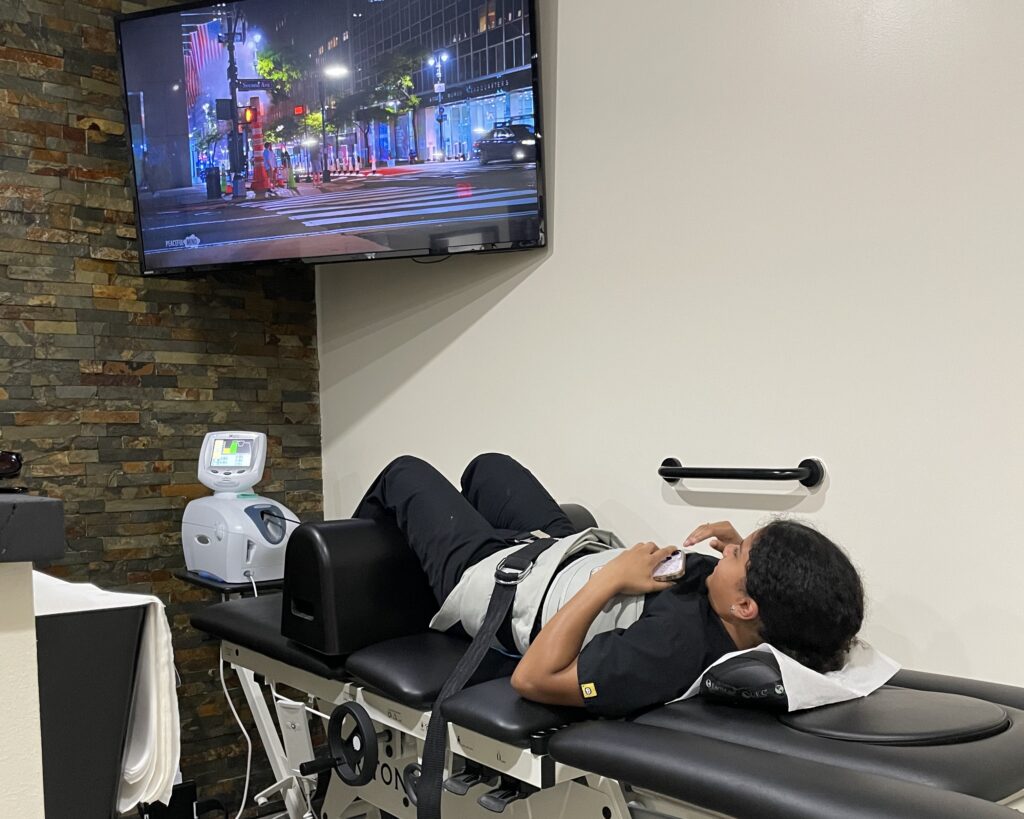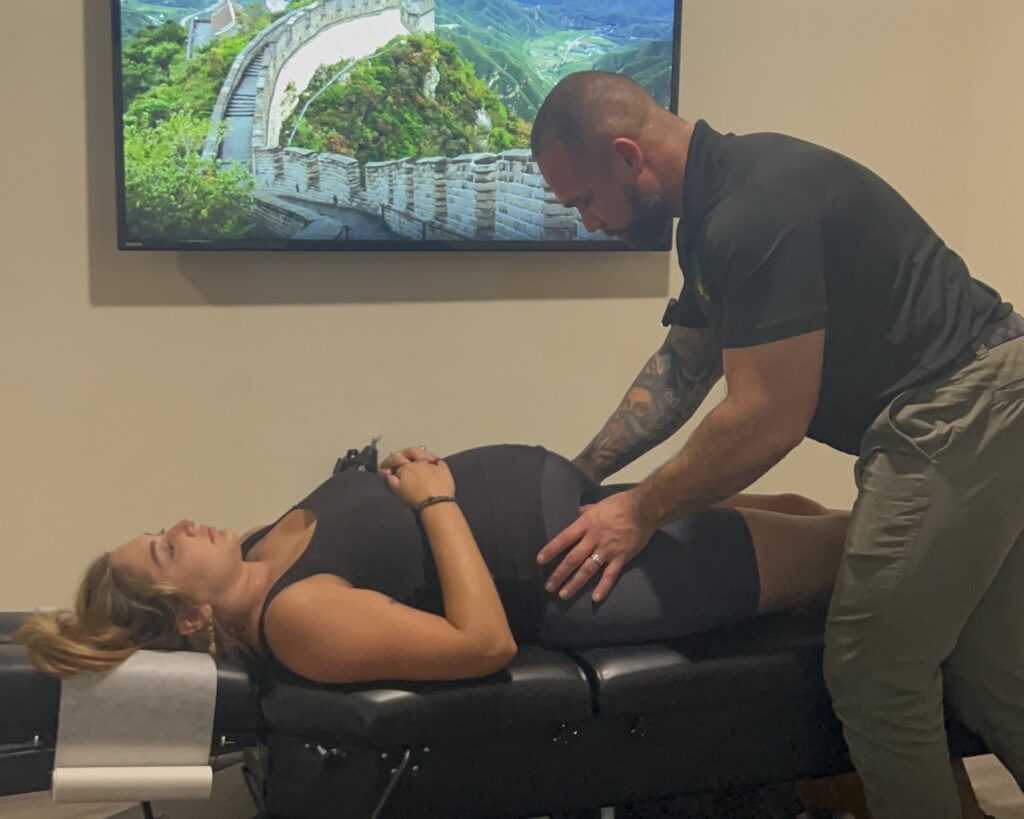
You may not realize just how much your posture can impact your lower back pain. Even small adjustments in how you sit, stand, move, and breathe can lead to significant improvements in your discomfort. By prioritizing your posture and implementing some straightforward strategies, you can experience relief and enhance your overall comfort. As a chiropractor, I believe that focusing on your spinal health is key to achieving optimal wellness.
Here are some practical tips to help you improve your posture and alleviate lower back pain naturally:
- Sit Smart: When you sit, make sure your back is straight and your shoulders are relaxed. Use a chair that supports your lower back, and keep your feet flat on the floor. This simple adjustment can help reduce strain on your spine.
- Stand Tall: When standing, distribute your weight evenly on both feet. Keep your shoulders back and your head aligned with your spine. Good alignment helps prevent unnecessary tension in your back muscles.
- Move Mindfully: Whether you’re lifting something heavy or just bending down to pick up an item, always use your legs to lift, not your back. Bend at the knees and keep the object close to your body to protect your spine.
- Take Breaks: If you sit for long periods, make sure to take regular breaks to stretch and move around. This helps keep your muscles engaged and reduces stiffness in your back.
- Breathe Deeply: Believe it or not, your breathing can affect your posture! Practice deep breathing exercises to help relax your body and improve your core stability, which in turn supports your lower back.
Remember, chiropractic care is a natural way to support your spine and overall health. By incorporating these tips and considering regular chiropractic adjustments, you can work towards achieving lasting relief from lower back pain and enhance your overall well-being. If you’re curious about how chiropractic can help you further, don’t hesitate to reach out!
Key Takeaways
- Ensure your chair is adjusted so that your feet rest flat on the floor and your knees form a 90° angle. This simple adjustment helps maintain optimal spinal alignment and can significantly reduce low back pain. Consider visiting a chiropractor to further discuss personalized seating arrangements that promote healthy posture.
- Remember to take regular movement breaks every 30–60 minutes. Standing up, stretching, and moving around can help alleviate tension that builds up from prolonged sitting. A chiropractor can offer specific stretches tailored to your individual needs for added relief.
- Consider investing in ergonomic furniture such as a lumbar-support chair and a monitor stand. These tools can help maintain proper posture and lessen back strain. A chiropractor can provide guidance on selecting the best ergonomic options for your workspace.
- Incorporate gentle core-strengthening exercises like planks and bridges at least three times a week. Building core strength is essential for spinal stability and can help prevent back pain. A chiropractor can recommend specific exercises that are safe and effective for your unique body.
- Don’t forget the power of relaxation techniques such as deep breathing and visualization. These methods can help reduce muscle tension and enhance your overall back comfort. A chiropractor can teach you additional relaxation strategies to complement your healing journey.
By focusing on these tips and integrating chiropractic care into your wellness routine, you’ll be taking meaningful steps towards achieving optimal health and alleviating low back pain naturally.
Assess Your Sitting Posture
To embark on your journey toward better back health, it’s crucial to assess your sitting posture. As a local chiropractor, I want to help you understand how your sitting habits can impact your spine and overall wellness.
Start by evaluating your position in your chair. Your feet should rest flat on the floor, with your knees bent at around a 90-degree angle. If your chair is too high, consider using a footrest to keep your feet supported. This simple adjustment helps maintain better alignment in your spine, reducing unnecessary strain.
Make sure your back is firmly pressed against the chair’s backrest, as this provides essential lumbar support. Your shoulders should be relaxed and not hunched up toward your ears. Allow your arms to rest comfortably at your sides or on your desk.
It’s also vital to keep your computer screen at eye level to prevent straining your neck. Adjust the height of your chair or your monitor as needed to achieve this. Remember, your body alignment shouldn’t just be good when sitting; it’s important to be mindful of how you hold your posture throughout the day.
Additionally, while maintaining good posture is important, it’s equally crucial to be aware of how long you sit. Prolonged sitting can contribute to discomfort and pain. Take breaks to stretch and move around, which can help alleviate tension in your back.
Prioritizing your sitting posture is a significant step toward alleviating low back pain and achieving optimal health. As your chiropractor, I’m here to guide you on this journey, providing natural solutions for pain relief and promoting a healthier lifestyle. Remember, small adjustments can lead to significant improvements in your spinal health and overall well-being.
Incorporate Regular Movement Breaks
Even with proper sitting posture, staying in one position for too long can lead to discomfort and tension in your back. To combat this, it’s crucial to incorporate regular movement breaks throughout your day. These breaks not only help alleviate back pain but also boost your overall productivity and well-being, aligning perfectly with the principles of chiropractic care.
Here are some simple tips for effective movement breaks that can enhance your spinal health:
- Set a timer: Aim for a break every 30-60 minutes. This encourages you to get up and move, which is essential for maintaining a healthy spine.
- Stretch it out: Use your break to perform gentle stretches, focusing on your back, shoulders, and hips. Stretching can relieve tension and improve flexibility, which is key to a healthy spine.
- Walk around: Take a short walk, whether it’s around your home or office. Walking helps increase blood flow and can alleviate stiffness in your back, promoting better spinal health.
- Change positions: Switch between sitting, standing, or even using a stability ball. This engages different muscle groups and helps prevent the discomfort that can arise from being sedentary.
Incorporating these movement breaks into your daily routine can significantly enhance your spinal health and overall wellness.
Strengthen Core Muscles
Strengthening your core muscles is vital for relieving low back pain and supporting your spine. It’s important to remember that your core isn’t just your abs; it includes muscles in your back, sides, and pelvis, all of which work together to provide stability. A strong core helps maintain proper posture, which can significantly reduce strain on your lower back.
To build a powerful core, consider incorporating exercises such as planks, bridges, and bicycle crunches into your routine. These movements engage multiple muscle groups and are effective for strengthening your entire core. Aim for two to three sets of each exercise, adjusting the number of repetitions to match your fitness level.
Incorporate these exercises into your weekly routine, aiming for at least three sessions per week. Consistency is crucial—over time, as your core strength improves, you’ll likely experience greater stability in your movements and a reduction in low back pain.
Additionally, consider how chiropractic care can complement your efforts. Regular chiropractic adjustments can enhance your overall spinal health, improve mobility, and support your core strength. By addressing any misalignments in your spine, you can further alleviate discomfort and set the stage for optimal wellness.
Keep challenging yourself with your core workouts, and don’t hesitate to reach out to a chiropractor for personalized guidance on how to maintain proper form and prevent injuries. Together, we can work towards achieving your health and wellness goals naturally!
Use Ergonomic Furniture
Ergonomic furniture can be a game-changer for those looking to alleviate low back pain and improve posture, which are vital components of overall spinal health. As a local chiropractor, I encourage you to consider how the right furniture can support your body and enhance your wellness journey.
Here are some key items to think about:
- Ergonomic Chair: Choose a chair with adjustable features that provide support for your lower back. This will help maintain the natural curve of your spine and allow your feet to rest flat on the floor, reducing strain and discomfort.
- Standing Desk: Incorporating a standing desk into your workspace allows you to alternate between sitting and standing. This movement can significantly reduce the stress on your back throughout the day and encourage better posture.
- Monitor Stand: Positioning your screen at eye level is crucial. This helps prevent neck strain and discourages slouching, both of which can lead to pain and misalignment in your spine.
- Footrest: Using a footrest can promote proper posture by encouraging your body to align correctly and relieving pressure on your lower back.
Remember, while ergonomic furniture is an excellent step toward a healthier workspace, regular chiropractic care is essential for maintaining optimal spinal health. Chiropractors can help identify issues that ergonomic furniture alone can’t fix, providing tailored adjustments and treatments that promote natural healing and overall wellness.
Prioritize your spine, and consider incorporating these tips into your daily routine for a healthier, pain-free life!
Practice Mindful Breathing and Relaxation Techniques
While ergonomic furniture is a great start to alleviate low back pain, there’s more you can do to enhance your overall well-being. Incorporating mindful breathing and relaxation techniques into your daily routine can significantly lower your stress levels and promote a sense of calm, which in turn helps to relieve tension in your back. Remember, chiropractic care can be an invaluable resource in your journey to optimal health, working hand-in-hand with these techniques to provide natural healing and pain relief.
Here’s a simple guide to some effective techniques you can practice at home:
| Technique | Description | Benefits |
|---|---|---|
| Deep Breathing | Inhale deeply through your nose, hold for a moment, then exhale through your mouth. | Reduces tension, promotes oxygen flow, and calms the nervous system. |
| Progressive Relaxation | Systematically tense and then relax each muscle group, starting from your toes and working up to your head. | Relieves muscle tightness and helps promote a state of relaxation throughout your body. |
| Visualization | Close your eyes and picture a peaceful scene, such as a beach or forest, while breathing deeply. | Enhances mental clarity, reduces anxiety, and fosters a sense of tranquility. |
Incorporating these techniques into your daily routine can work wonders alongside chiropractic care. By reducing stress and tension, you create a more conducive environment for healing and maintaining a healthy spine. Remember, taking charge of your health is a journey, and every small step you take contributes to your overall wellness.
Conclusion
By incorporating these practical tips into your daily routine, you can significantly enhance your posture and find relief from low back pain. Start by regularly checking your sitting posture throughout the day—sitting up straight can work wonders for your spine. Make sure to take movement breaks; standing up and stretching every so often can really help alleviate tension. Strengthening your core is crucial, as a strong core supports your spine and promotes better posture.
Consider investing in ergonomic furniture that encourages proper alignment, but remember that even the best chair can’t replace the benefits of regular chiropractic care. A chiropractor can help you maintain optimal spinal health and provide personalized advice tailored to your needs.
Lastly, practicing mindful breathing can also reduce stress and promote relaxation, which is beneficial for your overall well-being. These simple adjustments can lead to significant improvements in your comfort and health. Remember, consistency is essential, so stay dedicated to these habits for lasting relief. Your back will truly appreciate the effort, and with the support of chiropractic care, you can achieve optimal wellness and a pain-free life!