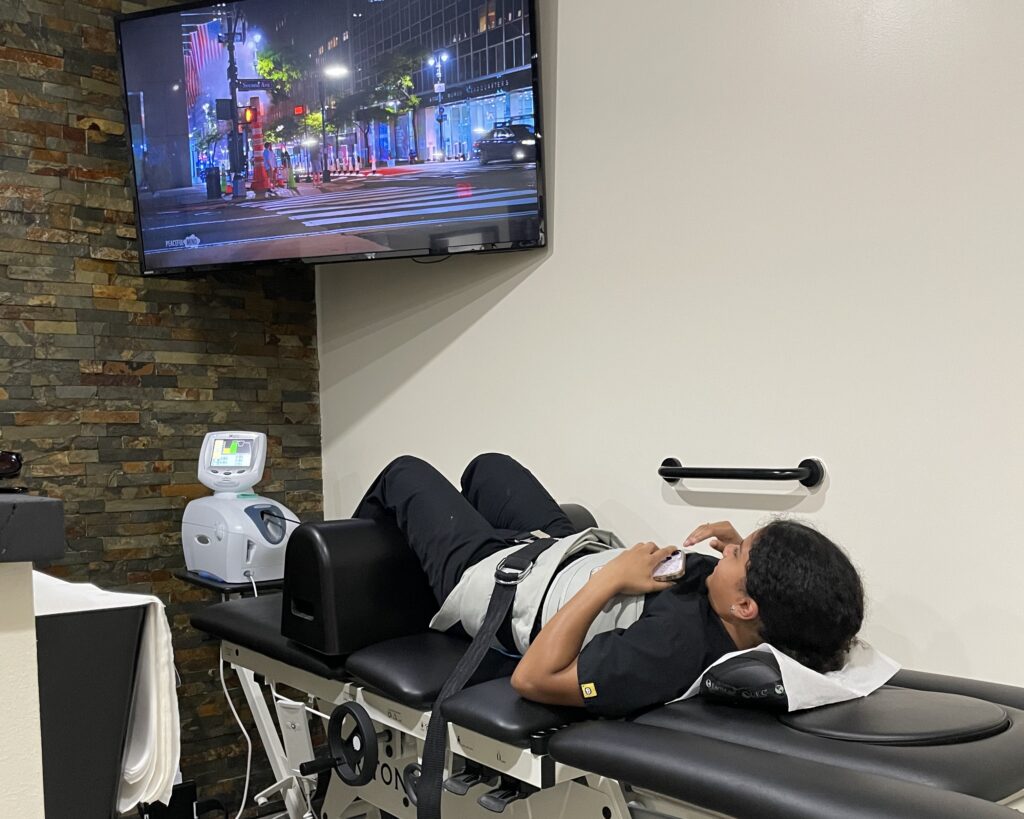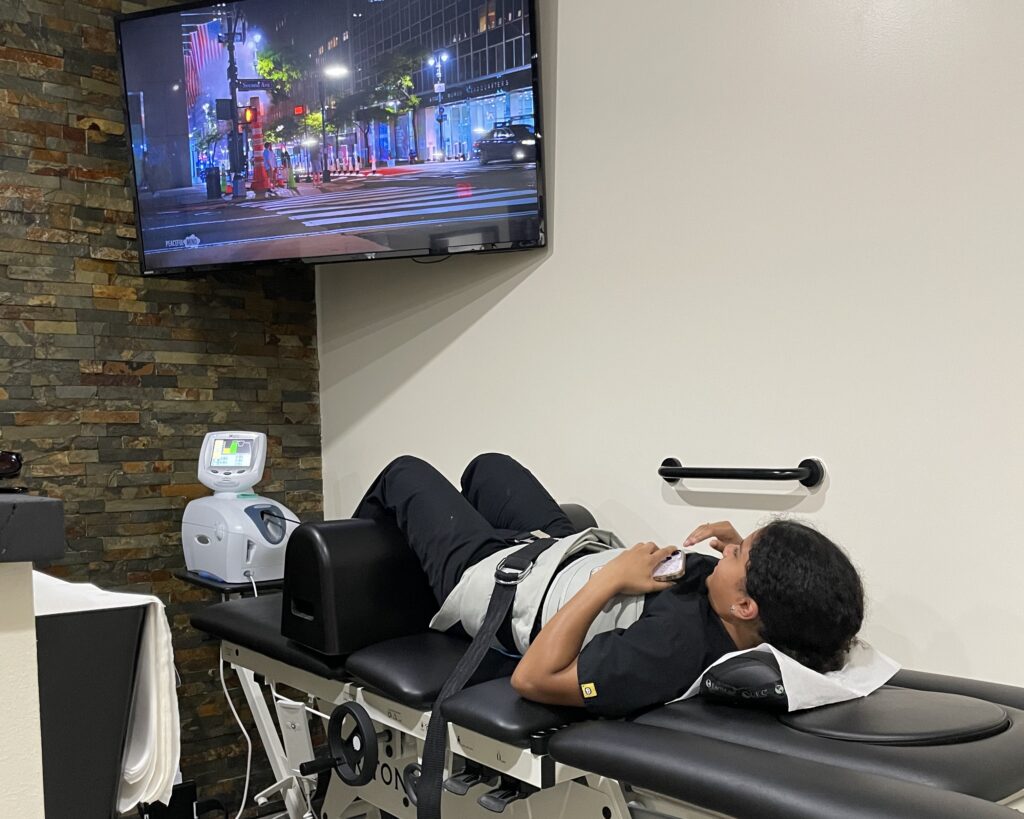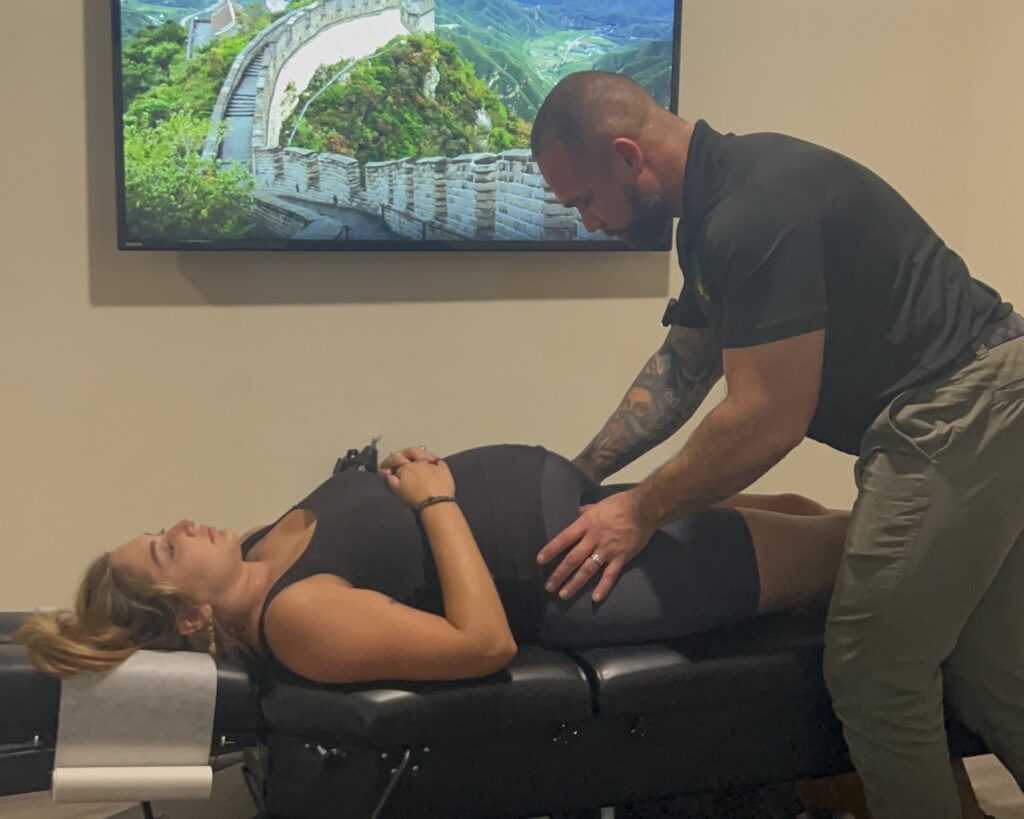
Did you know that your posture plays a crucial role in your low back pain? Many people overlook how their alignment can contribute to discomfort, placing unnecessary strain on their muscles and spine over time. As a local chiropractor, I want to help you understand the connection between posture and your body, so you can make simple adjustments that may lead to significant relief.
Common mistakes in posture can include slouching while sitting, standing with uneven weight distribution, or even sleeping in positions that strain your back. These habits can create tension and lead to chronic pain. Fortunately, there are several easy changes you can implement today to support your spinal health.
First, when sitting, make sure your feet are flat on the ground and your back is straight against the chair. Consider using a lumbar support cushion to maintain the natural curve of your lower back. When standing, distribute your weight evenly on both feet and engage your core muscles to support your spine.
Additionally, take breaks to stretch throughout the day, especially if you have a desk job. Gentle stretches can help relieve tension and improve flexibility. And remember, sleeping in a neutral position—preferably on your back or side with a supportive pillow—can also make a big difference.
Chiropractic care is an excellent way to address posture-related issues and promote overall wellness. Regular adjustments can help realign your spine, reducing pain and improving your posture over time. If you’re struggling with low back pain, consider visiting a chiropractor to explore natural, effective treatment options that can lead to lasting relief and a healthier lifestyle.
Key Takeaways
Posture’s Role in Low Back Pain Relief
As a local chiropractor, I want to share how proper posture can play a significant role in relieving low back pain and promoting overall wellness.
- Aligning Your Spine: When you maintain proper posture, it helps align your spine, which can significantly reduce strain on your lower back muscles. This alignment is key to alleviating pain and enhancing your overall comfort.
- Engaging Your Core: Supporting your posture by engaging your core muscles is vital. Strong core muscles help stabilize your spine and minimize the risk of injury during everyday activities. Simple exercises like planks or gentle abdominal contractions can strengthen this area.
- Mindful Movement and Stretching: Incorporating regular mindful movement and stretching into your routine can improve flexibility and reduce tightness that often contributes to low back pain. Consider simple stretches, like reaching for the sky or gentle side bends, to keep your muscles relaxed and limber.
- Ergonomic Adjustments: Making ergonomic adjustments to your seating and lifting techniques can greatly benefit your spinal health. Ensure your chair supports your lower back, and when lifting, remember to bend your knees and keep your back straight to protect your spine.
- Chiropractic Care: Combining chiropractic care with consistent posture practice can greatly enhance your spinal alignment. Regular visits to a chiropractor can help address any misalignments and provide personalized advice on maintaining good posture, ultimately leading to a reduction in low back pain.
By focusing on these simple tips, you can take proactive steps toward a healthier spine and a pain-free life. Remember, chiropractic care is a natural and effective way to achieve optimal health and wellness.
Understanding Posture and Its Importance
While you may not think about it often, your posture plays a crucial role in your overall health. Good posture aligns your body properly, allowing your muscles, ligaments, and joints to work efficiently. When you sit or stand straight, you reduce strain on your spine, which promotes better circulation and minimizes fatigue. This alignment also supports your organs, improving digestion and respiratory function.
On the other hand, poor posture can lead to imbalances that cause discomfort and pain, particularly in your lower back. That’s where chiropractic care comes in. By addressing misalignments in your spine, a chiropractor can help restore your body’s natural balance and alleviate pain, allowing you to feel your best.
Being mindful of your posture throughout the day can prevent these issues and enhance your well-being. Simple adjustments, like keeping your shoulders back and your head aligned with your spine, can make a significant difference. Additionally, regular chiropractic check-ups can help maintain proper alignment and support your posture.
Common Posture Mistakes That Contribute to Low Back Pain
Maintaining good posture is essential for preventing low back pain, and as a local chiropractor, I want to help you understand some common mistakes that might be contributing to your discomfort. By being aware of these habits, you can take steps toward a healthier back and overall wellness.
Here are a few key points to consider:
- Slouching: Whether you’re sitting or standing, slouching can put unnecessary pressure on your spine. Try to sit up straight and engage your core muscles to provide support.
- Improper Lifting: When lifting heavy objects, avoid overextending your back. Instead, bend your knees and keep the object close to your body. This technique will help you maintain a strong and stable posture, reducing strain on your lower back.
- Prolonged Sitting: Sitting for long periods can lead to stiffness and tension. Make it a habit to take short breaks every 30 minutes to stretch and move around. This simple practice can help keep your spine healthy and flexible.
- Foot Positioning: Ensure your feet are flat on the ground when sitting. This helps maintain proper alignment and supports your lower back. If your feet don’t reach the floor, consider using a footrest for added support.
- Uneven Weight Distribution: Carrying heavy bags on one shoulder can create an imbalance that stresses your back. Try to distribute the weight evenly by using a backpack or switching sides frequently.
By incorporating these tips into your daily routine, you can help alleviate discomfort and promote a healthier spine.
Remember, chiropractic care is a natural and effective way to address low back pain and support your overall wellness.
If you’re experiencing discomfort, don’t hesitate to visit your local chiropractor for personalized guidance and care tailored to your needs.
Your journey to optimal health starts with understanding the importance of good posture!
The Impact of Sitting Posture on Spinal Health
The way we sit can have a profound effect on our spinal health, yet many people don’t realize just how important it is. Poor sitting habits can lead to discomfort and even long-term spinal issues. When we slouch or lean forward, we add unnecessary pressure on our spine, which can lead to pain and misalignment. Understanding how your sitting posture affects your body is crucial for your overall well-being.
As a chiropractor, I want to share some insights into common sitting postures and their impacts, as well as provide tips for healthier sitting habits that can support your spinal health:
| Sitting Posture | Impact on Spinal Health |
|---|---|
| Slouching | Increases pressure on your spinal discs, leading to discomfort. |
| Leaning forward | Puts strain on your lower back muscles, which can cause pain. |
| Feet dangling | Can lead to poor circulation and discomfort in your legs. |
| Proper alignment | Provides enhanced support for your spine, promoting overall health. |
Tips for Healthier Sitting Habits:
- Maintain Proper Alignment: Sit all the way back in your chair with your back straight and shoulders relaxed. Your feet should be flat on the ground or on a footrest.
- Take Breaks: Stand up and move around every 30 minutes to relieve pressure on your spine and promote circulation.
- Use Supportive Chairs: Invest in a chair that supports your lower back and encourages good posture.
- Be Mindful of Your Screen: Keep your computer screen at eye level to avoid leaning forward or straining your neck.
Standing Tall: How Proper Alignment Can Alleviate Pain
Standing tall isn’t just about exuding confidence; it’s crucial for the health of your spine. When you maintain proper posture, you’re not only enhancing your appearance but also significantly reducing the risk of low back pain. By focusing on strengthening your core, improving your daily ergonomics, and incorporating gentle stretching into your routine, you can support your body’s natural alignment and alleviate discomfort.
As a chiropractor, I believe that these foundational practices work best when combined with regular chiropractic care. Chiropractic adjustments can help realign your spine, allowing your body to function optimally and promoting natural healing.
Here are some practical tips to keep your spine healthy and pain-free:
- Strengthen Your Core: Engaging in exercises that target your abdominal and back muscles can provide the support needed for your spine. Simple activities like planks or bridges can make a big difference.
- Optimize Your Ergonomics: Pay attention to your posture while sitting, standing, or lifting. Use supportive chairs, keep your feet flat on the ground, and avoid slouching to maintain a healthy spine alignment.
- Incorporate Stretching: Regular stretching can improve flexibility and reduce tension in your muscles. Focus on stretches that target the back, hips, and legs to relieve tightness.
- Visit Your Chiropractor Regularly: Regular chiropractic adjustments can help maintain spinal alignment and prevent pain before it starts. Your chiropractor can tailor a care plan that addresses your specific needs and promotes overall health.
Importance of Core Strength
As a chiropractor, I want to emphasize the importance of core strength in achieving optimal health and wellness.
Strengthening your core not only enhances your posture but also significantly reduces the risk of low back pain, which is a common concern for many.
A strong core helps support your spine, ensuring that it remains properly aligned during your daily activities.
Here are some key benefits of developing core strength:
- Enhances Stability: A strong core provides stability, which can help reduce strain on your back and minimize discomfort. This stability is crucial for maintaining a healthy spine.
- Improves Balance: With a strong core, your balance improves, making movements safer and reducing the likelihood of falls or injuries.
- Supports Proper Lifting Techniques: Engaging your core when lifting objects can prevent injuries. It’s essential to lift with your legs and keep your core tight to protect your back.
- Increases Endurance: A strong core allows you to maintain good posture for longer periods. This endurance is beneficial whether you’re sitting at a desk, exercising, or doing household chores.
- Promotes Body Awareness: Strengthening your core enhances your overall body awareness, helping you recognize and correct poor habits that may contribute to pain and discomfort.
Incorporating core-strengthening exercises into your routine can be a game-changer for your health.
Simple activities like planks, bridges, and even yoga can significantly improve your core strength.
Remember, chiropractic care can also support your journey to a stronger core by ensuring your spine is in alignment, allowing your body to function optimally.
Regular chiropractic adjustments can help keep your spine healthy, which is essential for maintaining strength and preventing pain.
If you’re looking to enhance your well-being naturally, consider prioritizing core strength and incorporating chiropractic care into your health regimen.
Together, they can lead you to a pain-free and healthier life.
Ergonomics in Daily Life
Everyday activities can take a toll on your body if you don’t pay attention to your ergonomics. As a chiropractor, I want to emphasize how important proper alignment is while standing, sitting, or lifting for preventing low back pain.
When you sit at your desk, ensure your feet are flat on the floor and that your back is supported. Choose a chair that promotes good posture, aligning your ears, shoulders, and hips.
When standing, remember to distribute your weight evenly on both feet and avoid locking your knees—this simple shift can significantly reduce strain on your spine. If you need to lift objects, bend your knees and keep the load close to your body. These small adjustments in your daily routine can make a big difference in how you feel.
Prioritizing ergonomics in your life not only helps you stand tall but also alleviates pain effectively. And remember, regular visits to your chiropractor can support your journey to optimal health. Chiropractic care focuses on natural healing and wellness, helping to ensure your spine is aligned and functioning properly. Incorporate these tips into your daily life, and consider chiropractic adjustments as a key part of maintaining your health and well-being.
Stretching for Flexibility Benefits
Incorporating stretching into your daily routine can significantly enhance your flexibility and posture, which is crucial for maintaining a healthy spine. As a chiropractor, I encourage my patients to commit to a few simple stretches, as they not only improve your overall well-being but also help alleviate discomfort, especially in the lower back.
Here are some benefits of stretching that you can look forward to:
- Improved Posture: Regular stretching helps align your spine and shoulders, countering the effects of poor posture from sitting or standing for long periods.
- Increased Flexibility: Looser muscles mean a greater range of motion, making everyday activities easier and more enjoyable.
- Reduced Tension: Stretching can relieve tightness in your back and hips, helping to release built-up tension that can lead to pain.
- Enhanced Circulation: Improved blood flow from stretching aids in recovery and reduces discomfort, contributing to a quicker healing process.
- Better Overall Health: Consistent stretching promotes physical well-being and supports your efforts to maintain a healthy lifestyle.
Incorporating these stretches into your day can make a significant difference in your alignment and comfort. Additionally, consider complementing your stretching routine with regular chiropractic care.
Adjustments can enhance the effectiveness of your stretching by ensuring that your spine is properly aligned, which is key to achieving optimal health and wellness. Remember, prioritizing both stretching and chiropractic care can lead to lasting relief and improved quality of life.
Exercises and Stretches to Improve Posture
To achieve better posture and alleviate low back pain, it’s important to incorporate targeted exercises and stretches into your daily routine. As a chiropractor, I believe that a strong core is essential for supporting your spine, so starting with planks can be very beneficial. Aim to hold a plank position for 30 seconds to a minute, gradually increasing your time as you get stronger.
Another great exercise is wall angels, which can help improve shoulder mobility. To perform this, stand against a wall and slide your arms up and down, ensuring your back stays flat against the wall. This simple movement can help open up your shoulders and improve your posture.
Don’t overlook the importance of hip flexor stretches! Kneeling on one knee, gently push your hips forward and hold the stretch for 20-30 seconds on each side. This will help relieve tension in your hips, which can often contribute to lower back pain.
Finally, the cat-cow stretch is an excellent way to enhance spinal flexibility. While on all fours, alternate between arching your back (like a cat) and rounding it (like a cow). This gentle movement can help improve the mobility of your spine.
Incorporating these exercises and stretches into your routine won’t only help you develop better posture, but they’ll also reduce the strain on your lower back and promote overall wellness. Remember, chiropractic care is a fantastic way to support your journey to optimal health and manage any discomfort naturally. Always consult with your chiropractor for personalized advice and treatment tailored to your needs.
Integrating Good Posture Into Daily Life
To truly benefit from good posture and enhance your overall health, it’s essential to integrate it into your daily routines. One of the best steps you can take is to create an ergonomic workspace that supports your spine’s natural alignment. This means adjusting your chair and desk to ensure that your screen is at eye level and your feet can rest flat on the ground.
Incorporate mindful movements throughout your day; take short breaks to stand up and stretch, which helps relieve tension and keeps your body aligned. Adding simple stretching and strengthening exercises into your routine can also reinforce these habits and make good posture feel natural.
Additionally, regular chiropractic care can play a vital role in maintaining proper spinal alignment and promoting overall wellness. Chiropractors focus on addressing the root causes of discomfort, helping you to achieve optimal health without the need for medications or invasive procedures.
By visiting a chiropractor regularly, you can ensure that your spine stays in alignment, making it easier to maintain good posture and enjoy a more active, pain-free life.
Desk Ergonomics Essentials
Creating an ergonomic workspace is essential for maintaining good posture and preventing low back pain, which can significantly impact your overall well-being. As a chiropractor, I believe that a well-designed workspace can play a vital role in achieving optimal health and wellness.
Here are some key elements to consider when setting up your desk:
- Chair Height: It’s crucial to adjust your chair so that your feet rest flat on the floor, with your knees aligned at hip level. This position helps to keep your spine in a neutral alignment, reducing stress on your back.
- Monitor Position: Position your monitor at eye level, about an arm’s length away. This helps to minimize neck strain and promotes better posture, which is essential for spinal health.
- Keyboard and Mouse: Keep your keyboard and mouse close to your body. Your elbows should be at a comfortable 90-degree angle to avoid unnecessary strain on your wrists and arms. This positioning can help prevent tension that may lead to discomfort.
- Lumbar Support: It’s important to use a chair that provides good lower back support, or consider using a cushion that supports the natural curve of your spine. Proper lumbar support can help maintain the integrity of your spine and reduce the risk of pain.
- Breaks: Don’t forget to take regular breaks! Stand up, stretch, or take a short walk every hour. Keeping your body active not only helps with circulation but also refreshes your mind, enhancing productivity.
By implementing these ergonomic tips, you’ll be taking a proactive approach to your spinal health. Remember, chiropractic care is an excellent choice for addressing pain and promoting natural wellness.
Regular visits to a chiropractor can help ensure that your spine remains aligned and healthy, enabling you to live a more active and fulfilling life.
Mindful Movement Practices
Incorporating mindful movement practices into your daily routine can significantly enhance your posture and overall well-being, especially when paired with chiropractic care. As a chiropractor, I encourage you to start by becoming aware of how your body moves throughout the day. Whether you’re walking, standing, or sitting, consciously align your spine and engage your core muscles to support your posture.
When working at your desk, remember to take regular breaks to stretch and reset your posture. Simple stretches can help alleviate tension and promote better spinal alignment. Additionally, practicing deep breathing techniques can relax your muscles and enhance your awareness of your body’s alignment.
Consider exploring activities like yoga or tai chi, which emphasize fluid movement and posture awareness. These practices can complement your chiropractic care, as they help reinforce the principles of maintaining a healthy spine and body alignment.
Stretching and Strengthening Exercises
Integrating stretching and strengthening exercises into your daily routine can significantly improve your posture and overall spinal health. As a chiropractor, I believe that these exercises are essential not just for alleviating low back pain, but also for fostering a natural, holistic approach to wellness.
Here are some effective moves you can easily incorporate into your day:
- Cat-Cow Stretch: This gentle movement enhances the flexibility of your spine and helps relieve tension accumulated throughout the day. It’s a wonderful way to start or end your day with mindful movement.
- Plank: Strengthening your core is vital for supporting your back. The plank is a fantastic exercise that engages multiple muscle groups, providing stability and strength to your entire body.
- Seated Forward Bend: This stretch targets your hamstrings and lower back, helping to ease tightness and improve flexibility. It’s a simple way to unwind, especially after long hours of sitting.
- Wall Angels: Perfect for improving shoulder mobility and posture alignment, wall angels help counteract the effects of poor posture often caused by prolonged sitting or screen time.
- Bird-Dog: This exercise engages your core while promoting balance and stability. It’s a great way to connect your movements and improve coordination, essential for daily activities.
Incorporating these exercises into your daily routine can create a strong foundation for good posture, ultimately reducing discomfort and enhancing your overall well-being. Remember, consistency is key!
For those experiencing chronic pain or discomfort, consider exploring chiropractic care as a natural, effective option for pain relief and wellness. Your spine deserves the best care possible!
Conclusion
Incorporating good posture into your daily routine is essential for relieving low back pain and promoting overall spinal health. As a local chiropractor, I want to emphasize how being mindful of your alignment while sitting and standing can significantly reduce strain on your back and enhance your comfort.
When you prioritize your posture, you not only alleviate discomfort but also support the natural curvature of your spine, which is crucial for long-term health. Simple adjustments, like keeping your feet flat on the ground while sitting or distributing your weight evenly when standing, can make a big difference.
Additionally, consider incorporating specific exercises and stretches that strengthen your core muscles and improve flexibility. A strong core supports your spine and helps prevent pain. Remember, consistency is key—by regularly practicing these habits, you’ll enjoy greater mobility and a healthier lifestyle.
Chiropractic care can further enhance your journey to wellness. Regular adjustments can help realign your spine, alleviate pain, and improve your overall function. Make posture a priority and explore the benefits of chiropractic for lasting relief and optimal health!