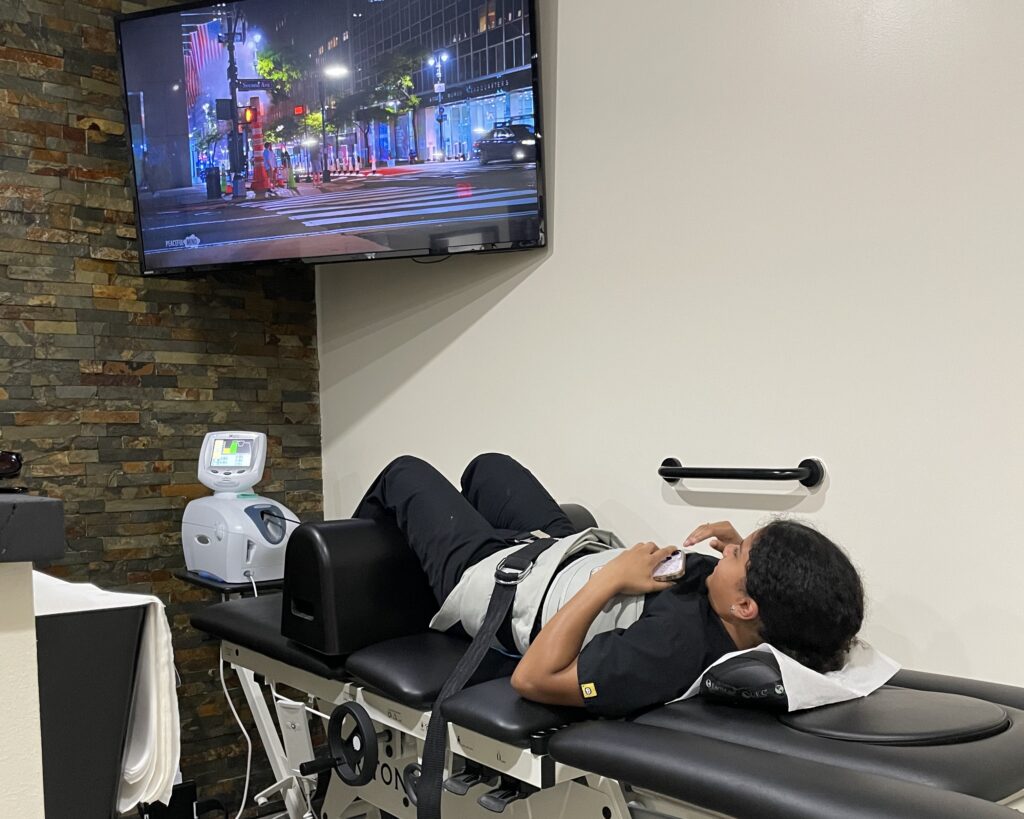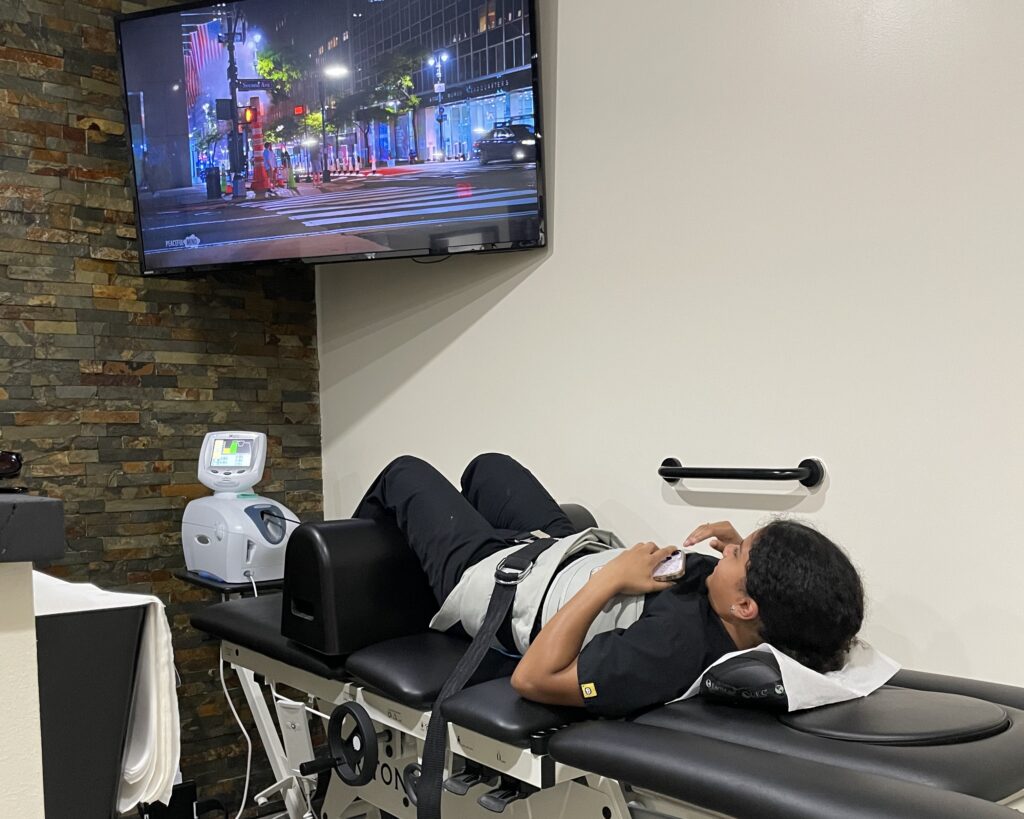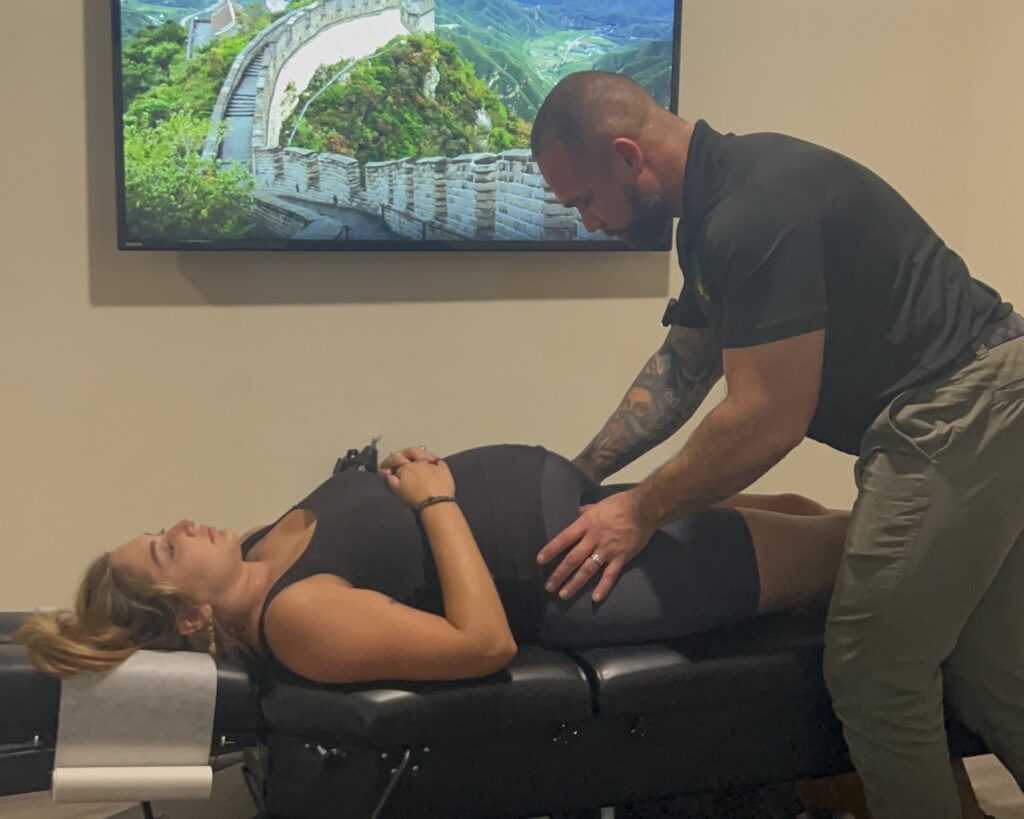
If you’re experiencing low back pain, you may be searching for effective ways to find relief without relying on medications or surgical options. As a chiropractor, I believe that natural remedies can provide a holistic approach to alleviating discomfort and supporting your body’s recovery. From gentle movements to targeted stretches, there are numerous strategies you can incorporate into your daily routine. So, what specific methods can help you feel better? Let’s explore some practical solutions that emphasize the benefits of chiropractic care and natural wellness.
- Chiropractic Adjustments: One of the most beneficial approaches to managing low back pain is through chiropractic adjustments. By realigning the spine, chiropractic care can reduce tension on the nerves and improve overall function. Regular visits to your chiropractor can help maintain optimal spinal health and prevent future discomfort.
- Gentle Movement and Exercise: Engaging in gentle activities like walking, swimming, or yoga can help improve mobility and strengthen the muscles that support your spine. These activities promote blood flow, which is essential for healing.
- Targeted Stretches: Incorporating specific stretches into your daily routine can relieve tension in the lower back. Focus on stretches that target the hamstrings, hip flexors, and lower back muscles. Your chiropractor can provide guidance on effective stretches tailored to your needs.
- Posture Awareness: Paying attention to your posture can make a significant difference in how your back feels. Whether sitting, standing, or lifting, maintaining proper alignment helps reduce strain on your spine. Consider setting reminders to check your posture throughout the day.
- Heat and Cold Therapy: Using heat packs or ice packs can be a simple yet effective way to manage pain. Heat can help relax tight muscles, while cold therapy can reduce inflammation. Alternate between the two for the best results.
- Mindfulness and Relaxation Techniques: Stress can contribute to muscle tension and exacerbate pain. Practicing mindfulness, deep breathing, or meditation can help calm your mind and reduce overall tension in your body.
- Nutrition and Hydration: A balanced diet rich in anti-inflammatory foods can support your body’s healing process. Staying hydrated is equally important, as it helps maintain the elasticity of spinal discs.
By integrating these natural remedies into your lifestyle, you can promote healing and find relief from low back pain. Remember, chiropractic care is a vital component of this journey, offering support and guidance tailored to your individual needs. If you’re struggling with pain, don’t hesitate to consult with your chiropractor to develop a personalized plan that emphasizes natural wellness and optimal health.
Key Takeaways
- Consider using heat therapy, such as a heating pad or a warm bath, for 15–20 minutes. This can help reduce stiffness in your back and promote healing. It’s a simple way to relax your muscles and ease tension, which is essential for a healthy spine.
- After an injury, applying cold therapy with an ice pack for 15–20 minutes can be beneficial. Cold therapy helps reduce inflammation and numbs the pain, providing quick relief. Remember, applying ice can be a great first step before seeking chiropractic care to address the underlying issue.
- Incorporating natural anti-inflammatory herbs like turmeric and ginger into your meals can support your body’s healing process. These powerful ingredients can help reduce pain and inflammation, making them excellent allies in your journey toward optimal health.
- Topical treatments such as arnica or capsaicin cream can provide localized relief from discomfort. Applying these natural remedies to painful areas can help alleviate soreness and complement the benefits of chiropractic adjustments.
- Staying hydrated and maintaining a balanced diet is crucial for overall spine health. Proper nutrition not only supports your body’s healing but also enhances the effectiveness of chiropractic care.
Remember, while these natural remedies can assist in relieving low back pain, the best approach for long-term wellness is to consult with your chiropractor. They can provide personalized guidance and adjustments that address the root cause of your discomfort, helping you achieve a healthier, pain-free life.
Understanding Low Back Pain
When you experience low back pain, it’s important to understand what might be causing it and how it can affect your everyday life.
Low back pain can arise from many factors such as muscle strain, poor posture, or even conditions like herniated discs.
Identifying what’s behind your pain is crucial, as it helps determine the best path for healing, and chiropractic care is often the most effective choice.
Low back pain can significantly interfere with your daily activities, making even simple tasks like bending, lifting, or sitting feel uncomfortable.
It can also take a toll on your mood, leading to feelings of frustration or anxiety.
When you’re in pain, it can be hard to stay active, and this lack of movement can sometimes make the pain worse.
The good news is that by recognizing the signs of low back pain and understanding what triggers it, you can take proactive steps toward relief.
Chiropractic care focuses on restoring proper alignment and function to your spine, which can alleviate pain and improve your overall well-being.
Regular chiropractic adjustments not only help with pain relief but also promote better posture and enhance your body’s natural healing processes.
Here are some general tips to help manage low back pain and support your journey to wellness:
1. Stay Active: Gentle movements and stretches can help keep your back flexible and strong.
Walking, swimming, or specific exercises recommended by your chiropractor can be beneficial.
2. Practice Good Posture: Whether sitting or standing, maintaining good posture can reduce strain on your back.
Make sure your workspace is ergonomically set up to support your spine.
3. Use Proper Lifting Techniques: When lifting heavy objects, bend your knees and keep the object close to your body.
This reduces the load on your back.
4. Stay Hydrated and Nourished: Proper nutrition and hydration support overall health, including the health of your spine.
5. Consider Regular Chiropractic Visits: Working with a chiropractor can help maintain spinal alignment, reduce pain, and support your body’s natural healing abilities.
By taking these steps and seeking chiropractic care, you can improve your quality of life and regain control over your daily routines.
Herbal Remedies for Pain Relief
Exploring herbal remedies can be a great complement to chiropractic care when it comes to alleviating low back pain. While chiropractic adjustments work to align your spine and improve overall function, certain herbs can support your body’s natural healing processes and help ease discomfort.
For example, turmeric is a powerful herb that contains curcumin, known for its anti-inflammatory properties. Incorporating turmeric into your meals, or taking it as a supplement, may help reduce inflammation that contributes to pain.
Ginger is another beneficial herb with pain-relieving effects. You can enjoy ginger tea or add fresh ginger to your meals to help soothe discomfort. Additionally, devil’s claw is recognized for its effectiveness in relieving back pain and is often available in capsule form.
Topical treatments like arnica or capsaicin cream can also be helpful. These creams can be applied directly to the painful area, providing localized relief while you continue your chiropractic care.
Remember, it’s always best to consult with a healthcare professional before trying any new herbal remedies, especially if you’re on other medications. However, by integrating these natural options alongside regular chiropractic adjustments, you can work towards a holistic approach to managing your low back pain and achieving optimal health.
In addition to herbs, here are some general tips to enhance your wellness journey:
- Stay active with gentle exercises and stretches tailored to your comfort level.
- Maintain good posture throughout the day to support your spine.
- Practice stress-relief techniques such as deep breathing or yoga, which can also contribute to pain management.
The Benefits of Gentle Stretching
Gentle stretching can significantly enhance your recovery from low back pain, especially when paired with chiropractic care. By improving flexibility and reducing muscle tension, gentle stretches can help you regain mobility in your lower back.
This newfound flexibility allows you to move more comfortably throughout your day, whether you’re working at a desk or engaging in light activities.
Incorporating gentle stretching into your routine can also alleviate tightness in surrounding muscles that may contribute to discomfort. Regular stretching promotes blood flow to the affected areas, supporting the healing process.
You’ll find that these stretches not only help relieve pain but also encourage proper posture, which can further reduce strain on your back.
As you embark on your journey to better health, remember to listen to your body. Avoid pushing yourself too hard; even a few minutes of gentle stretching each day can make a significant difference in how you feel.
Embrace this simple yet effective approach to managing low back pain naturally, and consider regular chiropractic adjustments to complement your stretching routine. Together, they can lead you to optimal health and wellness without the need for surgery or medications.
Here are a few tips to help you get started with gentle stretching:
- Start Slowly: Begin with basic stretches and gradually increase intensity as your flexibility improves.
- Consistency is Key: Aim for daily stretching to see the best results.
- Focus on Breathing: Deep, controlled breaths during stretching can help you relax and enhance the benefits.
- Stay Hydrated: Drinking plenty of water can help keep your muscles healthy and pliable.
Strengthening Exercises for the Core
Strengthening your core is vital for relieving low back pain and preventing future injuries. A strong core provides essential support for your spine and helps maintain proper posture, which can significantly reduce strain on your back. Incorporating core strengthening exercises into your routine can enhance your overall health, and chiropractic care is an excellent complement to this practice.
Let’s start with some simple exercises that you can do at home. Planks are a great way to engage your abdominal muscles. To perform a plank, hold your body in a straight line from head to heels, making sure to engage your core. Aim to hold this position for 20-30 seconds. Another effective exercise is the bridge. Lie on your back with your knees bent and lift your hips toward the ceiling while squeezing your glutes. This exercise not only strengthens your core but also supports the lower back.
You can also try bird-dogs, which are fantastic for balance and stability. Begin on your hands and knees, and extend one arm in front of you while simultaneously stretching out the opposite leg. Aim for 10-15 repetitions on each side. These exercises can be easily incorporated into your routine three times a week. As your strength improves, you can gradually increase the intensity.
The Role of Heat and Cold Therapy
When it comes to managing low back pain, incorporating heat and cold therapy can be a valuable part of your recovery journey. As a chiropractor, I often recommend these methods to my patients because they can effectively complement chiropractic care, leading to improved comfort and healing.
Heat therapy is great for relaxing tight muscles and enhancing blood circulation, which can help alleviate stiffness and promote healing. You can use a heating pad or a warm towel on the affected area for about 15-20 minutes at a time. This simple method can provide immediate relief and is best used when your muscles feel tense or sore.
On the other hand, cold therapy can be beneficial for reducing inflammation and numbing any discomfort you might be experiencing. Applying an ice pack or a bag of frozen vegetables wrapped in a cloth can help soothe the area, especially after any activity that has aggravated your back pain. Aim for about 15-20 minutes of cold therapy at a time, taking care to avoid direct contact with your skin to prevent injury.
While these techniques can provide relief, it’s important to remember that they work best when integrated with consistent chiropractic care. A chiropractor can help address the underlying causes of your pain, ensuring that your spine and nervous system function optimally. This holistic approach not only helps relieve pain but also promotes overall wellness and healthier living.
In addition to heat and cold therapy, consider some general tips for managing your back pain:
- Stay Active: Gentle stretching and low-impact activities can keep your muscles strong and flexible.
- Practice Good Posture: Being mindful of your posture while sitting, standing, and lifting can prevent unnecessary strain on your back.
- Stay Hydrated: Drinking plenty of water supports spinal health and helps maintain the elasticity of your spinal discs.
Benefits of Heat Therapy
Heat therapy can be a valuable tool in managing low back pain, providing soothing relief that many individuals find beneficial. When you apply heat to your back, it increases blood flow to the area, which helps promote healing and reduces stiffness. This gentle warmth relaxes tense muscles, making it easier for you to move and engage in daily activities.
As a chiropractor, I often recommend simple methods for incorporating heat therapy into your routine. Using a heating pad, wrapping a warm towel around your lower back, or enjoying a hot bath can provide immediate comfort and relaxation. Not only does heat therapy help alleviate pain, but it can also stimulate the release of endorphins—your body’s natural pain-relievers.
In addition to heat therapy, remember that maintaining proper spinal alignment is essential for overall wellness. Regular chiropractic adjustments can enhance your mobility and help prevent future discomfort. By focusing on a holistic approach to health that includes chiropractic care and heat therapy, you can experience improved well-being and get back to enjoying the activities you love.
Here are a few general tips to keep in mind:
- Monitor Heat Application: When using heat, ensure it’s warm, not hot, to avoid burns. Limit sessions to 15-20 minutes at a time.
- Stay Active: Incorporate gentle stretching or light exercises recommended by your chiropractor to enhance flexibility and reduce muscle tension.
- Listen to Your Body: If something doesn’t feel right, consult with your chiropractor for tailored advice.
Advantages of Cold Therapy
Cold therapy can be a valuable tool for managing low back pain, especially right after an injury or during flare-ups. By applying cold, you can reduce swelling and numb sharp pain, providing immediate relief. The cold works by constricting blood vessels, which helps minimize inflammation—a key contributor to discomfort.
Here’s a quick overview of the benefits of cold therapy:
| Advantage | Description | When to Use |
|---|---|---|
| Pain Relief | Numbs the affected area | Right after an injury |
| Inflammation Control | Reduces swelling and irritation | During flare-ups |
| Muscle Relaxation | Eases muscle tension | After physical activity |
Incorporating cold therapy into your recovery routine can enhance your comfort and speed up healing. However, it’s important to use it wisely—limit application to 15-20 minutes at a time to prevent skin damage.
While cold therapy is effective, it’s also essential to consider the holistic approach of chiropractic care for managing pain and promoting overall wellness. Chiropractors can help address the root causes of back pain through spinal adjustments and personalized treatment plans. By focusing on natural healing and healthier living, chiropractic care can be your best choice for achieving lasting relief and optimal health.
Mindfulness and Stress Reduction Techniques
When you’re experiencing low back pain, incorporating mindfulness and stress reduction techniques can significantly enhance your healing journey. Breathing exercises are a fantastic way to center your mind and release built-up tension in your body. They not only help you focus but can also complement the adjustments you receive in chiropractic care by promoting relaxation and reducing stress.
Guided meditation can be another powerful tool, providing a serene mental space that allows you to escape from discomfort. By integrating these mindfulness practices into your daily routine, you may find not only relief from pain but also an overall boost in your well-being.
As your local chiropractor, I encourage you to prioritize natural healing methods like chiropractic care, which addresses the root causes of your pain. Remember, maintaining good posture, staying active, and using ergonomic furniture can also contribute to a healthier spine and reduce the likelihood of future discomfort. Embrace these holistic approaches, and you might find a pathway to optimal health that works for you!
Breathing Exercises Benefits
Breathing exercises can play a vital role in managing low back pain, especially when combined with chiropractic care. By focusing on your breath, you not only promote mindfulness but also lower stress levels, which can often make pain feel worse.
When you take a moment to center your thoughts and calm your mind through deep breathing, you create a sense of relaxation that can help ease discomfort.
This practice of mindful breathing helps shift your attention away from pain, allowing you to cope more effectively. Moreover, deep, intentional breaths can help reduce muscle tension, which is a common contributor to lower back discomfort. As a chiropractor, I often emphasize the importance of a relaxed body in supporting spinal health.
Incorporating breathing exercises into your daily routine is simple and can significantly enhance your body’s ability to heal naturally. Aim to take a few minutes each day to breathe deeply, clear your mind, and enjoy the calming effects on both your body and spirit. Remember, these practices work best when integrated with regular chiropractic adjustments, which can help align your spine and promote overall wellness.
Guided Meditation Practices
How can guided meditation complement your journey in managing low back pain? By helping you focus your mind and reduce stress, guided meditation can be a valuable tool for alleviating discomfort. This practice encourages mindfulness, allowing you to connect with your body and become more aware of any tension you may be holding. As you learn to relax, you create an environment that is essential for pain relief and overall wellness.
Here’s a simple overview of how guided meditation can benefit you:
| Benefits of Guided Meditation | How It Helps | Suggested Practices |
|---|---|---|
| Reduces stress | Lowers tension in the body, promoting a healthier spine | Daily 10-minute sessions focusing on breath |
| Enhances mindfulness | Increases awareness of your body and pain levels | Body scan techniques to identify areas of tension |
| Promotes relaxation | Eases muscle tension, making it easier for chiropractic adjustments to take effect | Visualization exercises to imagine pain relief |
| Improves emotional health | Boosts overall well-being, which can lead to better pain management | Consider joining group meditation classes for support |
Incorporating these practices into your daily routine can significantly enhance your pain management strategy alongside chiropractic care. Remember, chiropractic adjustments work best when your body is relaxed and free from stress. By utilizing guided meditation, you can create the ideal conditions for healing and achieving optimal health.
Here are a few general tips for integrating guided meditation with your chiropractic care:
- Set a Regular Time: Try to meditate at the same time each day to build a habit.
- Listen to Your Body: Use meditation to tune into your body’s signals; this can help you communicate better with your chiropractor about your pain.
- Combine Practices: After a chiropractic adjustment, take a few minutes to meditate and visualize your spine in alignment.
- Stay Consistent: The more regularly you practice meditation, the more effective it will be in managing your pain.
Embracing both guided meditation and chiropractic care can lead to a more holistic approach to your health and well-being.
The Importance of Proper Posture
The Importance of Proper Posture for Spinal Health
As a chiropractor, I want to emphasize that maintaining proper posture is crucial for preventing and alleviating low back pain. Good posture helps distribute your body weight evenly, reducing strain on your spine and supporting your overall health.
When you sit, stand, or move with proper alignment, you ease tension on your muscles and joints, which can lead to greater comfort and well-being.
Here are some practical tips to help you maintain proper posture and support your spinal health:
- Sit with your back straight: Ensure your feet are flat on the floor and your knees are at a right angle. Consider using a supportive chair that encourages good alignment.
- Invest in ergonomic furniture: A chair designed for comfort and support can make a significant difference in your posture and reduce discomfort.
- Stand tall: Keep your ears aligned with your shoulders and your hips aligned with your ankles. This alignment helps maintain the natural curves of your spine.
- Be mindful of your posture: Whether you’re using your phone or working on a computer, pay attention to your posture to avoid slouching and straining your back.
- Take regular breaks: Stand up, stretch, and move around every so often. This practice can prevent stiffness and promote better spinal health.
Remember, chiropractic care is an excellent choice for addressing pain and enhancing your overall wellness. By focusing on natural healing and proper alignment, we can help you achieve optimal health and well-being.
If you’re experiencing discomfort, don’t hesitate to reach out for a consultation. Together, we can create a personalized plan to support your health journey.
Dietary Changes to Support Back Health
As a local chiropractor, I want to share how important not just your posture, but also your diet, can be for your spinal health. What you eat can significantly influence your back pain and overall well-being. By incorporating anti-inflammatory foods into your meals, you may find relief from discomfort and assist your body in healing naturally.
Focus on filling your plate with fruits and vegetables that are rich in antioxidants, like berries, cherries, and leafy greens. These foods are great at fighting inflammation, which can contribute to back pain. Don’t forget about omega-3 fatty acids, found in fish like salmon and plant sources like flaxseeds; these are excellent for reducing discomfort and promoting overall health.
Staying hydrated is crucial as well. Drinking plenty of water keeps your spinal discs healthy, helping to prevent stiffness and pain. It’s also a good idea to limit processed foods, sugars, and unhealthy fats, as these can increase inflammation in your body.
Calcium and vitamin D are essential for strong bones, so make sure to include sources like dairy products, leafy greens, and fortified foods in your diet. These nutrients work hand in hand with your chiropractic care to support a healthy spine.
When to Seek Professional Help
Knowing when to seek professional help for low back pain is crucial for achieving optimal health and wellness. Many cases can be managed at home with some self-care, but there are specific signs that indicate it’s time to consult a chiropractor. Paying attention to your body’s signals can lead to more effective treatment and a quicker return to your daily activities.
Here are some important signs to watch for:
- Persistent Pain: If you’ve been experiencing pain for more than a few weeks, it’s a good idea to get a professional evaluation. A chiropractor can assess your condition and provide targeted treatment to alleviate discomfort.
- Worsening Pain: If your pain is increasing or becoming unbearable, don’t hesitate to reach out for help. Chiropractic adjustments can help realign your spine and relieve pressure on your nerves.
- Neurological Symptoms: If you notice weakness, numbness, or tingling in your legs, it’s essential to see a chiropractor. These symptoms can indicate nerve involvement, and chiropractic care can help restore proper function and mobility.
- Post-Injury Pain: If your pain started after a fall or injury, seeking care from a chiropractor can help identify underlying issues and promote natural healing.
- Accompanying Symptoms: If you have other symptoms like fever, unexplained weight loss, or bowel issues, it’s important to consult a healthcare professional. While chiropractic care focuses on spinal health, these symptoms may require a more comprehensive evaluation.
Taking these signs seriously can help prevent further complications and support a speedy recovery. Remember, prioritizing your health is always a wise choice. Chiropractic care is a natural and effective way to address low back pain and enhance your overall wellness.
As you navigate your health journey, consider incorporating some general tips for better spinal health:
- Stay Active: Engage in gentle exercises and stretches to keep your back strong and flexible.
- Maintain Good Posture: Be mindful of your posture when sitting, standing, or lifting to reduce strain on your spine.
- Use Proper Ergonomics: Ensure your workspace is set up to support your body, helping to prevent discomfort.
If you’re unsure about your symptoms or how to manage your back pain, don’t wait too long. Reach out to a chiropractor to help you get back to your normal routine and enjoy a healthier, pain-free life.
Conclusion
Incorporating natural remedies for low back pain relief can truly enhance your comfort and mobility. As a chiropractor, I believe that gentle movement, targeted stretches, and core-strengthening exercises are essential for supporting your spine and easing stiffness. These practices not only help alleviate pain but also promote overall spinal health.
One effective method is to embrace heat and cold therapy. Applying heat can relax tense muscles, while cold therapy can reduce inflammation—both of which are beneficial for your back. Additionally, mindfulness techniques like deep breathing or meditation can help manage pain by reducing stress and promoting relaxation.
Maintaining good posture is another crucial aspect of back health. Be mindful of your posture while sitting, standing, or lifting objects. A healthy diet rich in anti-inflammatory foods can also support your body in healing naturally.
Remember, chiropractic care is one of the best ways to achieve optimal health and wellness. Regular visits to your chiropractor can help address underlying issues, improve spinal alignment, and enhance your body’s ability to heal itself. If you’re experiencing persistent pain, don’t hesitate to reach out for professional guidance. Together, we can create a tailored approach to your health and well-being.