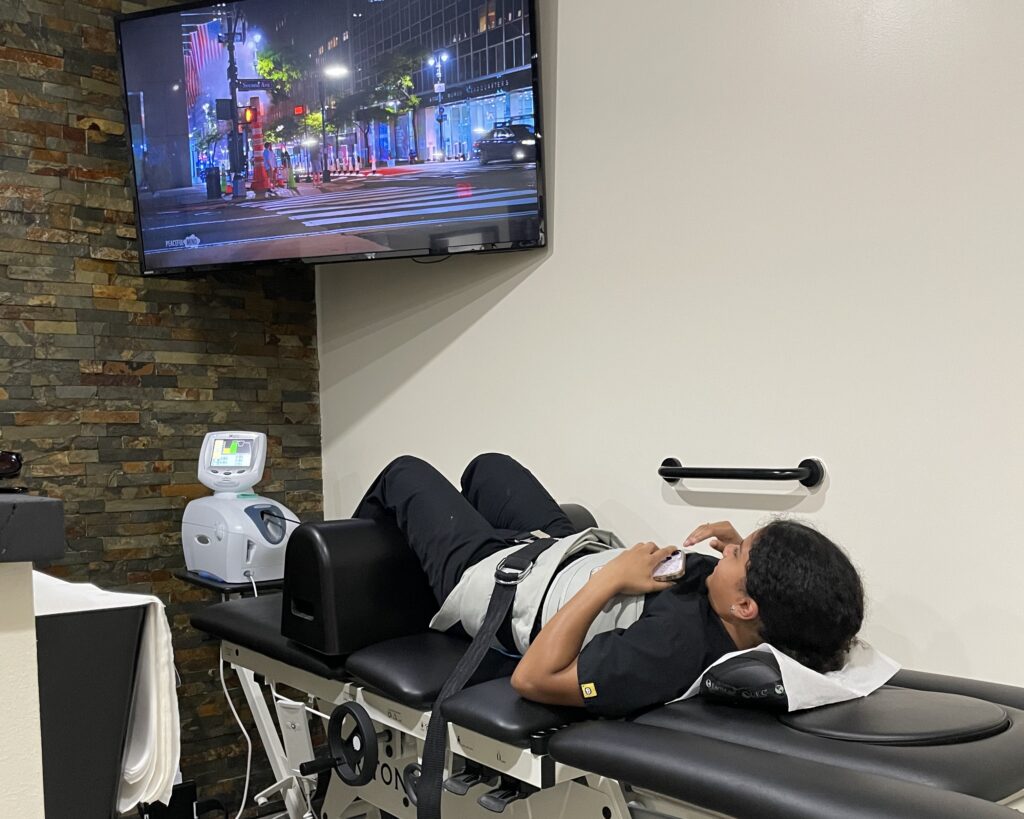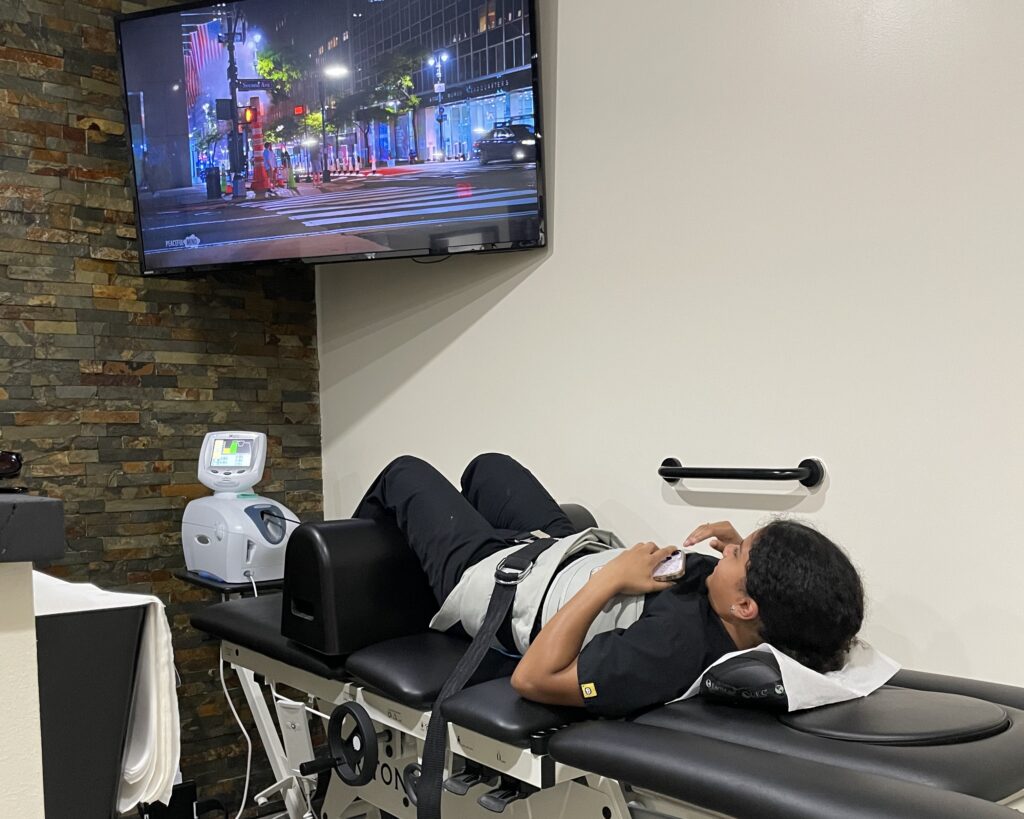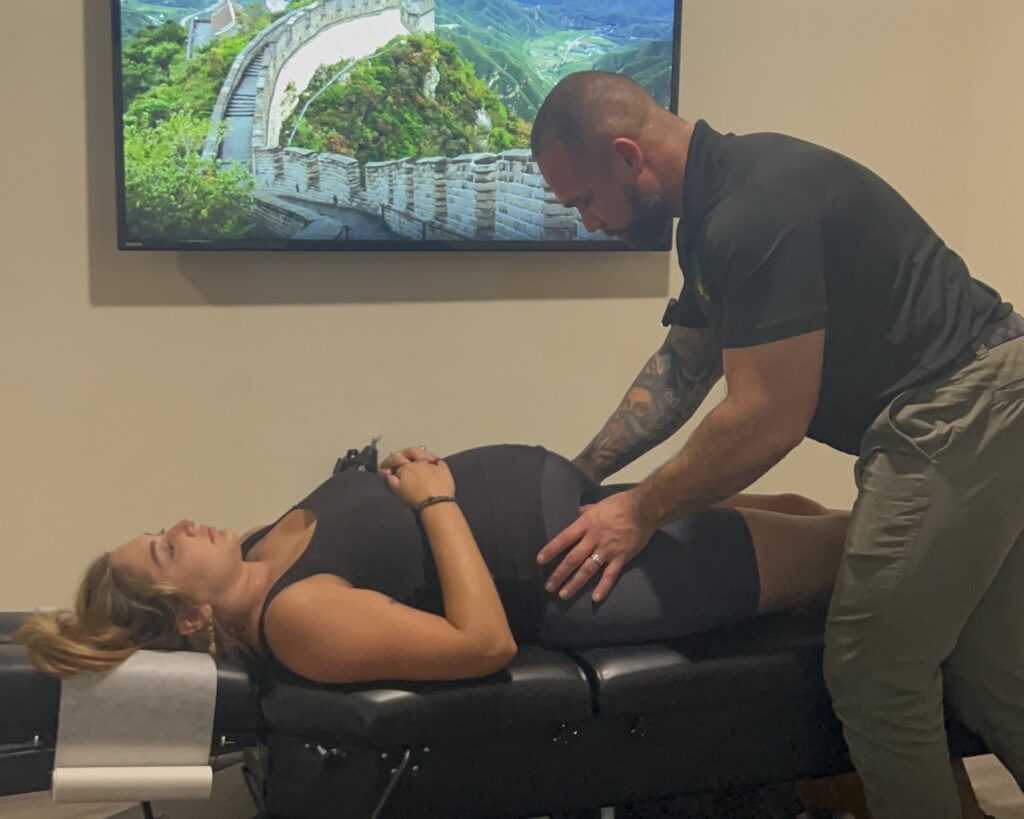
If you’re experiencing chronic low back pain, you understand how it can affect every aspect of your life. Thankfully, chiropractic care offers a natural and effective way to alleviate that discomfort and enhance your mobility. By focusing on spinal health and alignment, chiropractic adjustments can help improve your body’s function, providing relief from pain and supporting your overall wellness.
Incorporating the right exercises into your routine can complement the benefits of chiropractic care. Gentle stretches and core-strengthening exercises are excellent ways to support your spine and reduce tension. Here are some simple strategies you can start implementing today:
- Gentle Stretches: Incorporate daily stretches that focus on your lower back, hips, and hamstrings. Simple movements like the cat-cow stretch or child’s pose can help improve flexibility and alleviate tightness.
- Core Strengthening: A strong core supports your spine. Try exercises like pelvic tilts or bridges to build strength in your abdominal muscles without putting excess strain on your back.
- Posture Awareness: Pay attention to your posture throughout the day. Sitting and standing with proper alignment can prevent further strain on your back.
- Regular Chiropractic Visits: Consistent adjustments from a chiropractor not only provide immediate relief but also help maintain the health of your spine over time.
- Hydration and Nutrition: Staying hydrated and eating a balanced diet can support overall health and may help your body heal more effectively.
Remember, each body is unique, so it’s important to find what works best for you. By prioritizing chiropractic care and these simple exercises, you can take meaningful steps towards reducing your low back pain and enhancing your quality of life. Your journey to relief and optimal health starts here!
Key Takeaways
- Begin your journey to relief with gentle, low-impact activities like walking and swimming. These exercises not only boost circulation but also strengthen your core muscles, all while being easy on your spine. Remember, a strong core is essential for supporting your back and reducing pain.
- Don’t forget to include flexibility exercises like the Cat-Cow and Child’s Pose in your routine. These simple stretches can work wonders in relieving tension and enhancing the mobility of your spine. Flexibility is key to preventing stiffness and maintaining a healthy back.
- As you progress, gradually increase the intensity of your workouts, but always listen to your body. It’s important to avoid pushing yourself too hard, as this can lead to discomfort and counteract your pain relief efforts. The goal is to find a balance that works for you.
- Aim for at least 30 minutes of low-impact exercise most days of the week. Mixing different activities not only keeps things enjoyable but also ensures you’re engaging different muscle groups, which is vital for overall wellness.
- To maximize your pain relief and support your spinal health, consider combining stretching and aerobic exercises with regular chiropractic care. A chiropractor can help realign your spine and enhance your body’s natural healing abilities, promoting a healthier lifestyle without the need for medications or invasive procedures.
Remember, taking small steps towards better health can lead to significant improvements in your quality of life. Embrace these simple practices, and consider chiropractic care as a vital part of your journey to optimal wellness.
Understanding Chronic Low Back Pain
When dealing with chronic low back pain, it can feel incredibly overwhelming, especially since it often lingers for weeks or even months. This type of pain usually lasts longer than three months and can arise from various causes, such as injury, poor posture, or underlying conditions. You may find that everyday activities become difficult, which can really affect your quality of life.
Understanding chronic low back pain is crucial, and it’s important to recognize that it’s not just a physical issue. Emotional factors, like stress and anxiety, can worsen your pain, creating a cycle that can be tough to break. You might notice that certain movements trigger discomfort, while other times, it feels like the pain appears unexpectedly.
By recognizing these patterns, you can better address your pain. One effective way to manage chronic low back pain is through chiropractic care. Chiropractors specialize in spinal health and can help realign your spine, which may alleviate discomfort and promote natural healing. Regular chiropractic adjustments can relieve tension in your back, improve your posture, and enhance your overall well-being.
In addition to chiropractic care, here are some general tips to help you manage chronic low back pain:
- Stay Active: Gentle exercises, like walking or swimming, can strengthen your back and improve flexibility. Always consult your chiropractor for specific exercises that are safe for you.
- Maintain Good Posture: Whether sitting or standing, keeping a straight back can help reduce strain on your spine. Consider ergonomic furniture if you spend long hours at a desk.
- Practice Stress-Relief Techniques: Activities like yoga, meditation, or deep breathing can help lower stress levels, which in turn may help reduce your pain.
- Use Heat or Cold Therapy: Applying heat or cold packs can provide temporary relief from pain and inflammation.
- Stay Hydrated and Nourished: A balanced diet and staying hydrated support your body’s healing processes.
Importance of Exercise for Pain Management
When you incorporate regular movement into your daily routine, you can significantly alleviate chronic low back pain. Strengthening your core muscles is essential, as it not only supports your spine but also boosts your overall stability. By making exercise a priority, you’re taking a vital step toward effective pain management.
As a chiropractor, I believe that natural healing through movement and exercise is one of the best paths to optimal health. Chiropractic care focuses on aligning your spine and ensuring that your nervous system functions properly, which can greatly enhance your body’s ability to heal itself.
Here are a few tips to help you get started:
- Start Slow: If you’re new to exercise, begin with gentle movements like walking or stretching. Gradually increase the intensity as your body adjusts.
- Focus on Core Strength: Incorporate exercises that target your abdominal and back muscles. Simple activities like planks and bridges can make a significant difference.
- Stay Consistent: Aim for regular movement each day, even if it’s just a short walk or some light stretching. Consistency is key to managing pain.
- Listen to Your Body: Pay attention to how your body responds to different activities. If something causes discomfort, modify or avoid it.
- Chiropractic Care: Regular chiropractic adjustments can help maintain proper spinal alignment, which supports your exercise efforts and enhances your overall well-being.
Benefits of Regular Movement
Regular movement is essential for managing chronic low back pain, and as a chiropractor, I want to emphasize how this can be a natural and effective approach to wellness.
When you stay active, you enhance blood flow to your muscles and tissues, which helps reduce stiffness and supports your body’s healing process. Simple activities like walking or swimming not only improve your flexibility and range of motion but also make daily tasks much easier to handle.
Moreover, engaging in regular movement can stimulate the release of endorphins—your body’s natural pain relievers. This not only helps alleviate discomfort but can also lift your spirits and reduce stress levels. Plus, a more active lifestyle can significantly enhance the quality of your sleep, allowing your body to recover and rejuvenate effectively.
Incorporating movement into your daily routine doesn’t have to be daunting. Start with short, frequent bouts of activity that fit your lifestyle. Whether it’s a brisk walk, gentle stretching, or light swimming, consistency is key.
Remember, chiropractic care can further support your journey to optimal health by ensuring that your spine and nervous system are functioning at their best. Regular adjustments can enhance your body’s natural ability to heal and maintain itself.
Strengthening Core Muscles
Building on the importance of staying active, strengthening your core muscles is crucial for managing chronic low back pain. A strong core not only supports your spine but also stabilizes your pelvis, reducing strain on your back muscles. Engaging in core-strengthening exercises can significantly improve your posture and balance, which in turn can alleviate discomfort.
Focus on simple yet effective exercises like planks, bridges, and pelvic tilts that target both your abdominal and back muscles. These moves can easily be incorporated into your daily routine, helping you build strength and enhance your overall functionality in daily activities.
As your local chiropractor, I encourage you to start slowly and listen to your body as you progress. Gradually increase the intensity of your workouts, ensuring you maintain proper form to avoid injury. By prioritizing core strength, you’re taking a significant step towards reducing your pain and improving your quality of life.
Additionally, consider visiting your chiropractor for personalized advice and adjustments that can support your core strengthening efforts. Chiropractic care is an excellent choice for natural pain relief and wellness, helping you achieve optimal health without the need for surgeries or medications.
Stretching Exercises for Flexibility
Stretching is essential for enhancing flexibility and can significantly alleviate chronic low back pain. As a chiropractor, I encourage you to explore effective stretching techniques that aren’t only safe but also easy to incorporate into your daily routine. Stretching can complement your chiropractic care, helping to maintain the adjustments we make during your visits and supporting your overall wellness.
To get started, it’s important to understand how to stretch properly. Always warm up your muscles with light movement before stretching to prevent injury. Focus on gentle, controlled stretches that feel comfortable. Hold each stretch for 15 to 30 seconds, breathing deeply to promote relaxation and improve blood flow.
Here are some key practices to keep in mind:
- Listen to Your Body: Stretching should never be painful. If you feel sharp pain, ease off and try a gentler movement.
- Consistency is Key: Aim to incorporate stretching into your routine at least a few times a week. This can help improve your flexibility over time and enhance the benefits of your chiropractic adjustments.
- Focus on Major Muscle Groups: Pay attention to areas that often contribute to low back pain, such as the hamstrings, hip flexors, and lower back muscles. Gentle stretches for these areas can help relieve tension and improve mobility.
- Incorporate Breathing: Deep, rhythmic breathing can enhance your stretching experience. It helps to relax your muscles and increases the effectiveness of the stretch.
- Consider Chiropractic Care: Regular chiropractic adjustments can help improve your overall spinal alignment and mobility, making your stretching routines even more effective. Your chiropractor can also provide personalized recommendations based on your individual needs.
Importance of Flexibility
Improving flexibility is vital for alleviating chronic low back pain, and chiropractic care can be your best ally in this journey. When your muscles and joints are flexible, they can move more freely, which helps reduce tension and strain on your back. Tight muscles can lead to discomfort and exacerbate pain.
At our chiropractic office, we emphasize the importance of flexibility exercises as part of your wellness routine. These exercises not only enhance your range of motion but also promote better posture and alignment. This balanced approach helps prevent unnecessary stress on your spine and the surrounding muscles, which is key to achieving optimal health.
Incorporating simple flexibility exercises into your daily activities can make a significant difference. Remember, maintaining flexibility isn’t just about stretching; it’s about creating harmony in your body. Start with gentle stretches, focus on breathing deeply, and listen to your body. As you work on becoming more flexible, you may notice improvements in your overall well-being and a reduction in pain, making daily activities much easier and more enjoyable.
Chiropractic care can further support your flexibility goals by helping to align your spine and improve your overall function. By choosing chiropractic, you’re opting for a natural approach to health that focuses on healing your body from within. Let’s work together to enhance your flexibility and support your journey to pain relief and better health!
Recommended Stretching Techniques
As a local chiropractor, I understand how crucial flexibility exercises can be in managing low back pain. Incorporating effective stretching techniques into your daily routine can significantly enhance your overall well-being and spinal health. Let’s explore some simple yet powerful stretches that can help you feel better and support your journey toward natural healing.
Start with the cat-cow stretch to gently warm up your spine. Begin on all fours, ensuring your hands are directly under your shoulders and your knees are under your hips. Inhale deeply as you arch your back, dropping your belly towards the floor (the cow position). Then, exhale and round your back, tucking your chin to your chest (the cat position). This dynamic movement helps promote flexibility in your spine and improves circulation.
Next, the seated forward bend is an excellent way to target your lower back and hamstrings. Sit with your legs extended straight in front of you, and slowly reach for your toes. Don’t worry if you can’t touch them right away; just go as far as feels comfortable. This stretch encourages relaxation and can relieve tension in your lower back.
The child’s pose is another fantastic stretch that promotes relaxation and flexibility. Kneel on the floor and stretch your arms forward while resting your forehead on the ground. This position gently stretches your spine and hips and can be a great way to unwind after a long day.
Lastly, consider the piriformis stretch. While lying down, cross one leg over the other, placing your ankle on the opposite knee. Gently pull the thigh of the bottom leg towards you. This stretch targets the muscles in your hips and lower back, helping to alleviate discomfort and tightness.
Incorporating these stretches into your daily routine can enhance your flexibility, relieve tension, and support your spinal health. Remember, chiropractic care is an excellent choice for achieving optimal health and relieving pain naturally. By working together, we can develop a personalized plan that includes these stretches and other holistic approaches to help you feel your best.
Take charge of your health today, and let’s work towards a pain-free and vibrant life!
Safety Tips for Stretching
When you’re ready to incorporate stretching into your routine, keeping safety in mind is crucial to prevent injury and enhance the benefits to your overall health. As a chiropractor, I want to emphasize the importance of stretching not only for flexibility but also for maintaining a healthy spine and body.
Here are some essential tips to ensure a safe stretching experience:
- Warm Up First: Always warm up your muscles before stretching. A few minutes of light activity, such as walking or gentle movements, can increase blood flow and prepare your muscles for the stretch. This is especially important for protecting your spine.
- Listen to Your Body: Your body knows best! If you feel any discomfort or pain while stretching, ease off or stop. Stretching should feel good and help release tension, not create more. Pay attention to what your body is telling you.
- Hold Your Stretches: Aim to hold each stretch for at least 15-30 seconds. This allows your muscles to relax and elongate effectively. Remember to breathe deeply, as it helps to further relax your muscles and contributes to a calming effect on your nervous system.
- Avoid Bouncing: Steer clear of bouncing while stretching. This can lead to strains or injuries, especially in the delicate muscles around the spine. Instead, focus on steady, controlled movements to allow your body to adapt safely.
Strengthening Exercises for Core Support
Strengthening your core is essential for alleviating chronic low back pain and maintaining overall spinal health. A strong core acts as a natural support system for your spine, helping to reduce strain and discomfort. As a chiropractor, I believe that incorporating core-strengthening exercises into your routine can be a powerful part of a holistic approach to wellness.
Start with foundational exercises like planks and bridges. For planks, position yourself on your forearms and toes, keeping your body in a straight line and engaging your abdominal muscles. Aim to hold this position for 20-30 seconds, gradually increasing the duration as your strength improves. Bridges are another great exercise: lie on your back with your knees bent and feet flat on the floor. Lift your hips toward the ceiling while squeezing your glutes, then lower back down. This movement not only strengthens your core but also supports your lower back.
Don’t forget to incorporate side planks to target your obliques, which are crucial for spinal stability. Lie on your side, prop yourself up on one forearm, and lift your hips off the ground, holding for 20 seconds. I recommend performing two to three sets of each exercise, three times a week. As you progress, you can add light weights or resistance bands for an extra challenge, but always listen to your body.
Consistency is key in building a strong core. The stronger your core, the better equipped you’ll be to manage low back pain and enhance your overall health. Remember, chiropractic care is an excellent complement to your exercise routine, helping to ensure your spine is aligned and functioning optimally. By focusing on these core exercises and regular chiropractic adjustments, you can take significant steps toward achieving natural pain relief and a healthier, more active lifestyle.
Low-Impact Aerobic Activities
Low-impact aerobic activities can be a game-changer for managing chronic low back pain, and as a local chiropractor, I want to share how these exercises can support your health journey.
Not only do they enhance cardiovascular health, but they also help strengthen your back muscles without putting additional strain on your spine. This is crucial for fostering a healthy back and overall well-being.
Here are some enjoyable low-impact activities you might consider incorporating into your routine:
- Walking: A simple and effective way to stay active. Aim for brisk walks, which can help improve your circulation and strengthen your lower back.
- Swimming: The buoyancy of water reduces strain on your joints while providing a full-body workout. Swimming can be particularly soothing for your back.
- Cycling: Whether on a stationary bike or outdoors, cycling is low-impact and allows you to engage your core, which supports your spine.
- Yoga: Gentle yoga can promote flexibility and strength while also teaching you relaxation techniques that are beneficial for managing pain.
- Tai Chi: This ancient practice involves slow, controlled movements and can enhance balance, flexibility, and strength, all of which are vital for spinal health.
As you explore these activities, keep these important safety tips in mind:
- Listen to your body: If something doesn’t feel right, it’s essential to stop and reassess. Pushing through pain can lead to further injury.
- Warm up and cool down: Taking time to properly warm up before and cool down after your exercises can help prevent injuries.
- Stay consistent: Regular activity is key to managing pain and improving your overall health. Aim for at least 30 minutes of low-impact exercise most days of the week.
Remember, chiropractic care plays a vital role in maintaining spinal health and can complement your exercise routine.
Regular visits can help ensure your spine is aligned, enhancing your ability to engage in these activities safely and effectively.
By choosing chiropractic care, you’re taking a proactive step towards natural healing and optimal wellness.
If you have any questions or need guidance on how to integrate these activities into your routine, don’t hesitate to reach out for personalized advice.
Your journey to a healthier back starts here!
Benefits of Low-Impact Aerobics
Incorporating low-impact aerobics into your regular routine can significantly benefit those suffering from chronic low back pain. These gentle exercises allow you to stay active while minimizing strain on your spine, promoting overall wellness.
Here’s how low-impact aerobics can help, along with some insights on the importance of chiropractic care:
- Improved circulation: Engaging in these exercises boosts blood flow, which is essential for healing your back muscles. When combined with chiropractic adjustments, you can enhance this healing process even further.
- Increased flexibility: Low-impact aerobics help your muscles and joints move more freely, reducing stiffness. This is particularly beneficial in conjunction with chiropractic care, which focuses on spinal alignment and mobility.
- Enhanced strength: These exercises build core stability, which is crucial for supporting your spine and alleviating pain. A strong core not only helps you feel better but also complements the adjustments you receive in chiropractic care, reinforcing proper alignment.
- Mood boost: Exercising releases endorphins, which can alleviate discomfort and improve your overall well-being. Regular chiropractic visits can also enhance your mood by reducing pain and promoting a healthier lifestyle.
Tips for Incorporating Low-Impact Aerobics into Your Routine:
- Start Slowly: If you’re new to exercise, begin with short sessions and gradually increase the duration as your body adapts.
- Listen to Your Body: Pay attention to how you feel during and after your workouts. If something doesn’t feel right, consult your chiropractor for guidance.
- Combine with Chiropractic Care: Schedule regular chiropractic appointments to ensure your spine is aligned, which can enhance the benefits of your exercise routine.
- Stay Hydrated: Drink plenty of water before, during, and after your workouts to keep your muscles functioning optimally.
- Mix It Up: Incorporate a variety of low-impact activities, such as walking, swimming, or cycling, to keep your routine enjoyable and effective.
Recommended Activities to Try
Incorporating enjoyable activities into your daily routine can significantly enhance your experience with low-impact aerobics, especially when you’re dealing with chronic low back pain. As a chiropractor, I want to emphasize how these activities can not only alleviate discomfort but also contribute to your overall wellness without the need for medications or invasive procedures. Here are some activities to consider that can help you stay engaged and promote healing:
| Activity | Benefits |
|---|---|
| Walking | Enhances circulation, strengthens core muscles, and promotes spinal alignment |
| Swimming | Offers resistance training while minimizing strain on your joints, leading to better flexibility and muscle tone |
| Cycling | Builds leg strength and endurance with low impact, supporting your spine and overall posture |
These activities not only boost your cardiovascular health but also increase flexibility and strength, which are vital for managing back pain effectively. Remember, chiropractic care plays a crucial role in your journey to wellness by addressing the root causes of pain and promoting natural healing through spinal adjustments.
As you explore these options, try to find the ones that bring you joy. Consistency is essential, so aim to incorporate these activities into your routine regularly. And always keep in mind that chiropractic adjustments can enhance your physical activities, ensuring your body functions optimally as you engage in these exercises. By prioritizing these natural methods, you’re taking significant steps toward a healthier, pain-free life.
Safety Tips and Precautions
Engaging in enjoyable activities like walking, swimming, or cycling can be a wonderful way to manage chronic low back pain, and as your local chiropractor, I want to emphasize the importance of safety while you enjoy these activities.
Here are some helpful tips to keep in mind:
- Warm up: Before you start, take a few minutes to warm up your muscles. This simple step can help prevent injuries and get your body ready for movement.
- Choose the right footwear: Wearing supportive shoes is crucial. Proper footwear can help reduce strain on your back and provide the stability you need for a comfortable experience.
- Pay attention to your body: Always listen to what your body is telling you. If you experience any pain, it’s a sign to stop and rest. Remember, pain is your body’s way of communicating that something isn’t right.
- Stay hydrated: Keeping hydrated is essential for muscle function and overall well-being. Drink plenty of water during your activities to help your body perform at its best.
Incorporating these safety tips while enjoying physical activities can’t only help manage your back pain but also promote a healthier lifestyle.
Yoga Poses for Low Back Relief
Chronic low back pain can significantly impact your daily life, but there are natural ways to find relief. As a chiropractor, I believe that incorporating specific yoga poses into your routine can be incredibly beneficial for your spine and overall wellness. These poses are great complements to chiropractic care, which focuses on aligning the spine and enhancing your body’s natural healing abilities.
Start with Child’s Pose. This gentle stretch helps to relax your lower back and hips, relieving built-up tension in your spine. It’s a fantastic way to ease into your routine.
Next, try the Cat-Cow stretch. This movement not only increases flexibility but also encourages proper spinal alignment—something we prioritize in chiropractic care. Transitioning between these poses warms up your back muscles, preparing them for more activity.
The Downward-Facing Dog is another effective pose. It stretches your hamstrings and calves while also strengthening your back. If you experience tightness, don’t hesitate to keep your knees slightly bent; this modification can make the pose more comfortable while still providing benefits.
Finally, consider the Reclined Spinal Twist. This pose promotes spinal mobility and helps relieve tension in your lower back. Remember to hold each pose for a few breaths, focusing on your breathing and how your body feels. Regular practice can enhance your strength and flexibility, ultimately supporting your journey to alleviate chronic low back pain.
In addition to these yoga poses, consider integrating chiropractic care into your wellness routine. Chiropractic adjustments can address misalignments in your spine, reducing pain and promoting overall health. By combining these practices, you can achieve a more holistic approach to managing your low back pain and enhancing your quality of life.
Pilates Techniques for Back Stability
Incorporating Pilates techniques into your routine can significantly improve back stability and help you on your path to relieving chronic low back pain. While Pilates is effective for building core strength and flexibility, it’s essential to combine these practices with the benefits of chiropractic care for optimal results. Chiropractors specialize in aligning the spine and improving overall health, making it a vital component of your wellness journey.
Here are some key Pilates techniques to consider alongside your chiropractic care:
- Pelvic Tilts: This simple exercise helps engage your core and flatten your lower back against the mat, activating your abdominal muscles. It’s an excellent way to start building stability in your lower back.
- The Hundred: While holding a tabletop position, pump your arms to strengthen your core and increase circulation. This exercise not only promotes stability but also encourages your body to engage effectively with chiropractic adjustments.
- Single Leg Stretch: Target your deep abdominal muscles with this exercise, which helps maintain stability while allowing your hips to move. This is great for enhancing your mobility and complementing your chiropractic treatments.
- Spine Stretch Forward: Sitting tall and reaching forward can improve spinal flexibility and stretch your hamstrings. This practice aligns well with chiropractic care, as it helps maintain a healthy spine.
To maximize your health and wellness journey, consider scheduling regular chiropractic adjustments. These adjustments can help align your spine, relieve tension, and enhance the effectiveness of your Pilates exercises. Remember, a strong core and a healthy spine go hand in hand in achieving lasting pain relief and improved overall health. Embrace these techniques and visit your chiropractor to discover the best path toward a pain-free, more active lifestyle!
Tips for Safe Exercise Practices
If you’re dealing with chronic low back pain, practicing safe exercise techniques is crucial for your recovery and overall wellness. As a chiropractor, I encourage you to start each workout with gentle stretches to warm up your muscles. This helps prepare your body for more intense activities while reducing the risk of injury.
Always pay attention to what your body is telling you. If something feels off or painful, it’s important to stop right away. Proper form and alignment during exercises are essential to avoid putting unnecessary strain on your spine. When it comes to lifting weights or doing strength training, remember to use your legs, not your back. This simple adjustment can make a big difference in protecting your spine.
Incorporating low-impact activities like swimming or walking can be beneficial as they’re easier on your back and can help improve your overall fitness. Remember to gradually increase the intensity and duration of your workouts; there’s no need to rush. Consistency is important, but always prioritize your safety.
Rest days are vital too! They give your body the chance to recover and heal. If you’re unsure about what exercises are best for you, consider consulting with a chiropractor. We can provide personalized guidance and ensure that your exercise routine is both safe and effective.
Creating a Balanced Routine
A balanced routine is essential for effectively managing chronic low back pain and promoting overall wellness. As a chiropractor, I believe that incorporating a variety of activities not only strengthens your body but also supports your spine’s health. Here’s how to create a balanced routine that emphasizes natural healing through chiropractic care:
- Strength Training: Focus on exercises that strengthen your core and back muscles. This support is crucial for maintaining proper alignment and stability in your spine. Consider working with a chiropractor to learn safe and effective exercises tailored to your needs.
- Stretching: Gentle stretching can significantly relieve tension and improve your flexibility, particularly in the hips and lower back. Regular stretches can help alleviate tightness and prevent discomfort, making it easier to maintain mobility.
- Cardiovascular Exercise: Engage in low-impact activities like walking or swimming. These exercises are excellent for boosting circulation and reducing stiffness without putting undue stress on your back. They promote overall cardiovascular health, which is vital for a healthy spine.
- Rest and Recovery: Remember that rest is just as important as activity. Scheduling rest days allows your body to heal and recharge. Listen to your body and take breaks when needed to ensure you’re not overexerting yourself.
Incorporating these elements into your daily routine can help you manage low back pain effectively and enhance your overall well-being. Always consider consulting with a chiropractor to create a personalized plan that’s right for you. Emphasizing natural healing through chiropractic care can lead to long-lasting relief and a healthier lifestyle.
When to Seek Professional Help
Knowing when to seek professional help is key to effectively managing chronic low back pain, and as a chiropractor, I want to guide you on this journey towards optimal health. If your pain lingers for more than a few weeks despite trying self-care methods like rest, gentle stretching, or heat therapy, it’s important to consult a healthcare provider, preferably a chiropractor.
Be especially vigilant if you experience severe pain, numbness, or tingling in your legs. These symptoms could signal underlying issues, such as a herniated disc or nerve irritation, which can often be addressed through chiropractic care.
If your pain is affecting your daily activities, sleep, or work, don’t hesitate to seek professional guidance. A chiropractor can assess your condition and may recommend a personalized treatment plan that includes spinal adjustments, stretches, and exercises tailored to your needs.
Remember, early intervention through chiropractic care can help prevent further complications and enhance your overall quality of life. Trust your instincts—if something feels off, it’s always best to get checked out sooner rather than later. Your health and well-being are invaluable, and chiropractic care can be a natural and effective path to relief and wellness.
Additionally, here are some general tips to help manage back pain at home:
- Stay Active: Gentle movement can help keep your spine healthy. Try low-impact activities like walking or swimming.
- Practice Good Posture: Be mindful of your posture when sitting, standing, or lifting. Good alignment can reduce strain on your back.
- Use Heat or Ice: Applying heat can relax tense muscles, while ice can help reduce inflammation. Alternate as needed.
- Stay Hydrated: Drinking plenty of water helps maintain the elasticity of spinal discs and overall health.
Conclusion
Incorporating regular exercise into your routine can significantly improve your ability to manage chronic low back pain. As a chiropractor, I emphasize the importance of focusing on flexibility, core strength, and low-impact activities to enhance your mobility and overall well-being.
Start by incorporating gentle stretches and exercises that promote spinal health. Simple movements like pelvic tilts, cat-cow stretches, and gentle twists can help improve flexibility and reduce tension in your back. Core-strengthening exercises, like bridges and planks, can provide the support your spine needs, reducing the strain on your back.
It’s crucial to listen to your body and progress at your own pace. Always prioritize safety during your workouts to avoid further injury. If you experience persistent pain, I encourage you to seek professional chiropractic care. A chiropractor can provide tailored treatment plans, spinal adjustments, and exercises specifically designed to address your unique needs.
Remember, a commitment to regular exercise and chiropractic care can lead to significant relief from chronic low back pain and help you achieve a healthier, more active lifestyle. With dedication and the right approach, you can enhance your quality of life and promote natural healing in your body.