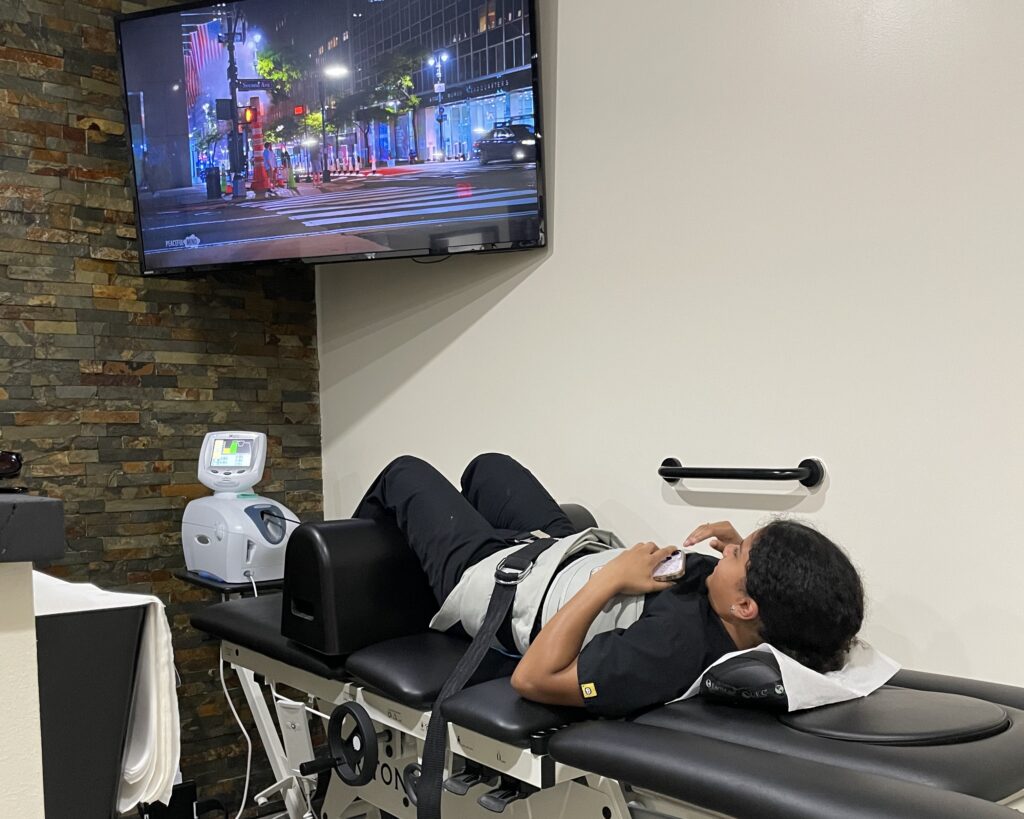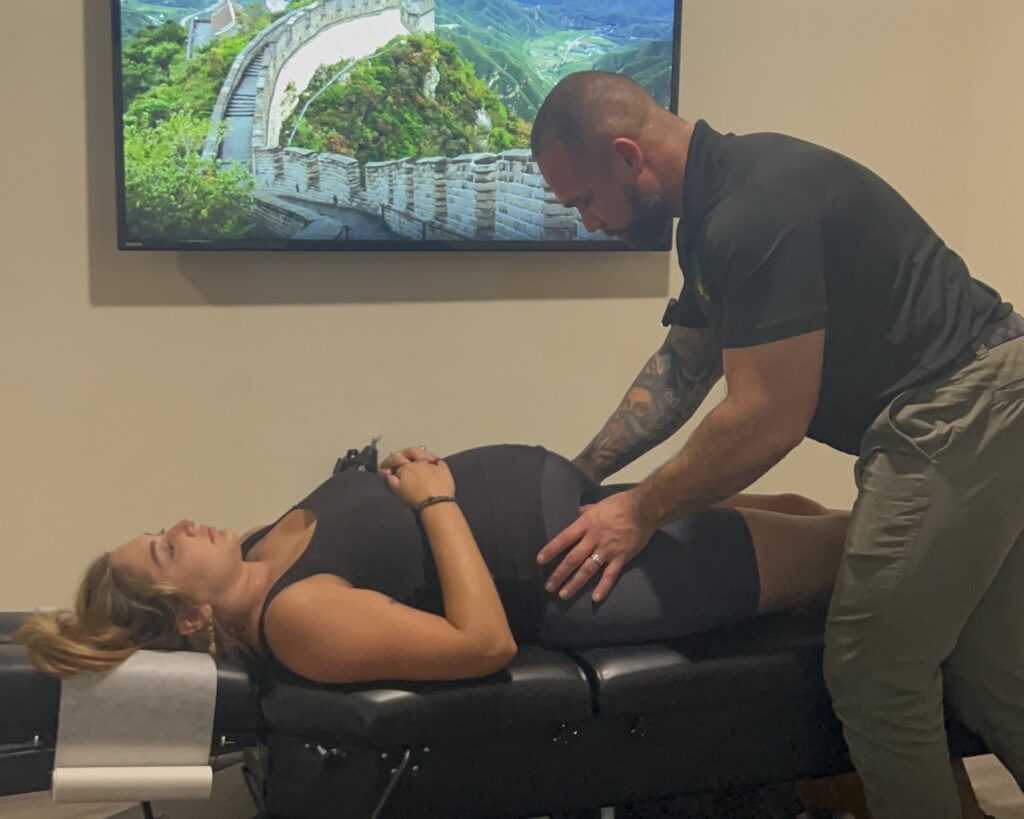
You may not be aware, but your posture is crucial for your overall health and can significantly affect low back pain. As a local chiropractor, I want to emphasize that simple adjustments in your daily habits and workspace can lead to noticeable improvements. By recognizing the connection between posture and pain, you can take proactive steps toward relief and better well-being.
So, what specific changes can you make to enhance your posture and alleviate discomfort? Here are some helpful tips to consider:
- Mind Your Sitting Position: Ensure your feet are flat on the ground and your knees are at a 90-degree angle when sitting. Use a chair that supports your lower back and promotes a straight spine.
- Ergonomic Workstation: If you work at a desk, arrange your computer monitor to be at eye level and maintain a comfortable distance. This helps prevent straining your neck and shoulders.
- Take Frequent Breaks: Stand up, stretch, and walk around every 30 minutes to keep your muscles engaged and reduce stiffness.
- Strengthen Your Core: Incorporate exercises that target your core muscles. A strong core supports your spine and helps maintain proper posture.
- Stay Active: Regular physical activity not only strengthens your muscles but also improves flexibility, which is essential for good posture.
- Consider Chiropractic Care: Visiting a chiropractor can provide personalized guidance and adjustments that align your spine, relieve tension, and promote optimal posture. This natural approach helps your body heal itself and can lead to long-term pain relief.
By implementing these straightforward strategies and considering chiropractic care, you can take significant steps toward improving your posture and alleviating low back pain. Remember, your health is in your hands, and small changes can lead to big results!
Key Takeaways
As your local chiropractor, I want to share some valuable tips to help you enhance your posture and relieve low back pain naturally. Chiropractic care focuses on promoting optimal health and wellness through spinal alignment, and these practices can support your journey to a pain-free life.
- Create an Ergonomic Workspace: Adjust your workspace to support your spine. Ensure your chair offers good lumbar support and that your computer screen is at eye level. This will help you maintain proper spinal alignment during prolonged sitting or computer use, reducing strain on your back.
- Strengthen Your Core: Incorporate core strengthening exercises like planks and bridges into your routine. A strong core stabilizes your spine, which can alleviate low back pain. Remember, a healthy spine supports a healthy body!
- Take Stretching Breaks: Regularly incorporate stretching breaks into your day. Simple stretches can enhance flexibility and relieve tension in your back and shoulders. This practice not only helps reduce discomfort but also promotes better posture.
- Practice Good Posture Habits: Pay attention to your posture throughout the day. Sit with your feet flat on the floor and your shoulders relaxed. Developing these habits can prevent strain and promote comfort, allowing you to feel your best.
- Utilize Self-Care Techniques: After physical activity, consider using heat or ice to manage pain and inflammation. These natural methods can be effective in soothing discomfort and enhancing your recovery process.
Remember, chiropractic care is a natural and effective way to achieve optimal health and wellness. By following these tips and incorporating chiropractic adjustments into your routine, you can experience improved posture, reduced pain, and an overall healthier lifestyle. Take charge of your health today!
Understanding the Importance of Good Posture
Good posture is crucial for maintaining your overall health, particularly in preventing low back pain. When you sit or stand with proper alignment, you significantly reduce the strain on your spine and surrounding muscles. This correct alignment helps to distribute your body weight evenly, minimizing the risk of injury and discomfort.
Many people may not realize that their posture directly impacts their breathing, which can influence energy levels and focus. By keeping your spine aligned, you allow your lungs to expand fully, enhancing oxygen intake and keeping you energized throughout the day.
Furthermore, good posture can also boost your confidence and self-esteem. Standing tall with an upright posture not only makes you appear more authoritative but also helps you feel more assured in your interactions.
As a chiropractor, I want to emphasize the importance of chiropractic care in achieving and maintaining good posture. Regular spinal adjustments can help correct misalignments, allowing your body to function optimally. This natural approach to healing supports your overall wellness and helps alleviate pain without the need for medications or invasive procedures.
Here are some simple tips to help improve your posture:
- Be Mindful: Pay attention to your posture throughout the day. Whether you’re sitting at a desk or standing in line, consciously check if your spine is aligned.
- Ergonomic Setup: If you work at a desk, make sure your chair and computer screen are set up correctly. Your feet should be flat on the ground, and your screen should be at eye level.
- Stretch Regularly: Incorporate stretches into your daily routine to keep your muscles flexible and reduce tension around your spine.
- Strengthen Core Muscles: Engaging in exercises that target your core muscles can provide better support for your spine.
- Visit Your Chiropractor: Regular chiropractic visits can help maintain proper spinal alignment and address any posture-related issues before they become problematic.
Common Causes of Poor Posture
While many people strive for good posture, several common factors can lead to its decline. One major culprit is prolonged sitting, particularly in front of a computer. Spending hours hunched over a screen can weaken your muscles and misalign your spine, which is where chiropractic care can play a vital role. Regular adjustments can help realign your spine and strengthen the muscles that support it.
Another factor contributing to poor posture is a lack of physical activity. When your core and back muscles aren’t strong, they struggle to support your spine effectively. That’s why incorporating simple exercises into your daily routine can be beneficial. Think about engaging in activities like walking, stretching, or yoga to build strength and flexibility.
Additionally, everyday habits such as carrying heavy bags on one shoulder can disrupt your balance and encourage poor posture over time. Consider switching to a backpack or distributing the weight evenly to alleviate some of that strain.
Stress is another common contributor, often leading to tension in your shoulders and neck, which can cause you to unconsciously hunch. Techniques such as deep breathing, meditation, or gentle stretches can help relieve this tension.
The Connection Between Posture and Low Back Pain
Poor posture is a significant factor that can lead to low back pain. When your spine is misaligned, it creates excess strain on the surrounding muscles and ligaments, which can cause discomfort and even injury. Many people unknowingly slouch or hunch over, putting their bodies in positions that are not ideal. By understanding the effects of different postures on your back, you can make simple adjustments that may alleviate pain and promote better health.
As a chiropractor, I believe that maintaining proper posture is crucial for spinal health. Here’s a helpful table that outlines common postures, their impact on your low back, and some easy solutions to improve your posture and overall well-being:
| Posture | Impact on Low Back | Solution |
|---|---|---|
| Slouching | Increases strain on the spine | Sit up straight and use a supportive chair |
| Leaning forward | Compresses spinal discs | Use a lumbar support cushion to maintain proper curvature |
| Crossing legs | Causes uneven weight distribution | Keep feet flat on the ground to promote balance |
| Hunched shoulders | Creates muscle tension | Regularly relax and roll your shoulders back |
| Prolonged sitting | Reduces blood flow to muscles | Take frequent breaks to stand, stretch, and move around |
Incorporating these tips into your daily routine can help you maintain a healthier posture, which in turn supports your spine and reduces the risk of low back pain. Remember, chiropractic care is an excellent choice for addressing postural issues and achieving optimal health naturally. Regular chiropractic adjustments can help align your spine, reduce pain, and enhance your overall well-being. Embrace the journey to a healthier you through proper posture and chiropractic care!
Assessing Your Posture
Assessing your posture is crucial for preventing low back pain and enhancing your overall well-being. Many people may not be aware that common posture mistakes can lead to discomfort and strain. As a chiropractor, I want to help you understand what good posture looks like and provide you with tips to correct poor habits, ultimately guiding you towards a pain-free life.
Good posture involves aligning your body in a way that reduces stress on your spine. Imagine your head, shoulders, and hips forming a straight line when standing or sitting. When you maintain this alignment, your muscles and ligaments are less likely to be overworked, which can help prevent pain.
Here are some practical tips to improve your posture:
- Be Mindful of Your Sitting Position: When sitting, keep your feet flat on the floor and your back supported by the chair. Use a cushion for lower back support if needed.
- Stand Tall: When standing, distribute your weight evenly on both feet. Keep your shoulders back and your head up, as if a string is pulling you upward from the crown of your head.
- Take Breaks: If you’re sitting for long periods, remember to take short breaks to stretch and move around. This helps to reduce tension in your muscles.
- Strengthen Your Core: A strong core supports your spine. Engage in exercises that strengthen your abdominal and lower back muscles to help maintain good posture.
- Visit Your Chiropractor: Regular chiropractic adjustments can help keep your spine aligned and reduce pain, allowing your body to function at its best. Your chiropractor can also provide personalized advice on improving your posture.
Importance of Good Posture
Good posture is essential for your overall health and comfort, particularly when it comes to preventing low back pain. As a chiropractor, I want to emphasize that maintaining good posture is more than just standing tall; it’s about supporting your body in several key ways that can lead to a healthier, pain-free life:
- Improved spinal alignment: Good posture helps create a natural curve in your spine, which reduces strain on your muscles and ligaments. This alignment is crucial for preventing discomfort and ensuring your body functions optimally.
- Enhanced circulation: When you sit or stand with good posture, it promotes better blood flow. This means your muscles and organs receive the oxygen and nutrients they need to perform at their best, supporting your overall well-being.
- Boosted confidence: Adopting a confident posture not only affects how others perceive you but also how you feel about yourself. Standing tall can elevate your mood and self-assurance, which is beneficial for both social interactions and mental health.
- Reduced muscle fatigue: By maintaining proper posture, you’re less likely to experience muscle fatigue. This allows you to stay energized and focused throughout your day, whether you’re at work, exercising, or spending time with loved ones.
- Decreased stress levels: Good posture can help you manage daily challenges more effectively by reducing physical tension in your body. This physical ease can translate to mental clarity, allowing you to handle stress more gracefully.
To help you achieve and maintain good posture, consider these simple tips:
- Be mindful of your posture: Regularly check in with yourself throughout the day to ensure you’re standing or sitting tall, with your shoulders back and your chin parallel to the ground.
- Strengthen your core: A strong core supports your spine and helps maintain good posture. Incorporate exercises like planks and bridges into your routine to build core strength.
- Use ergonomic furniture: If you spend long hours at a desk, invest in an ergonomic chair that supports your lower back and encourages proper posture.
- Take breaks: If you’re sitting for extended periods, take breaks to stand, stretch, and walk around. This helps prevent stiffness and encourages better posture.
- Consider chiropractic care: Regular visits to a chiropractor can help ensure your spine stays aligned and your posture improves. We can work together to create a personalized plan that supports your journey to optimal health.
Common Posture Mistakes
Many individuals unintentionally develop common posture habits that can lead to discomfort and pain. One prevalent mistake is slouching in your chair, which places additional pressure on your spine. Instead, try sitting up straight with your feet flat on the ground to support your spine’s natural curves. You may also find yourself leaning forward while working at a desk or using your phone, which can strain your neck and back. To combat this, bring your screen to eye level and take regular breaks to stretch.
Crossing your legs is another common issue that can misalign your hips and create tension. Opt for sitting with both feet on the floor to promote better alignment. When standing, remember to avoid locking your knees; instead, keep a slight bend to maintain balance and reduce strain.
Lastly, consider your footwear—wearing supportive shoes can significantly impact your posture and overall comfort. By recognizing these habits and making simple adjustments, you can greatly reduce discomfort and prevent future back pain.
Chiropractic care is an excellent option for those looking to improve their posture and overall well-being. Regular chiropractic adjustments can help realign your spine, relieve tension, and enhance your body’s natural healing abilities. Embracing these practices along with chiropractic care can lead you to a healthier, pain-free life.
Effective Exercises for Posture Improvement
As a local chiropractor, I want to share how incorporating specific exercises into your daily routine can greatly improve your posture and help alleviate low back pain. These exercises focus on stretching and strengthening the key muscle groups that support your spine, leading to better alignment and overall well-being.
Here are some effective moves to consider:
- Wall Angels: Stand with your back against the wall. Slide your arms up and down while keeping your back flat against the wall. This helps open up your chest and strengthens your upper back.
- Chest Stretch: Clasp your hands behind your back and gently pull your shoulders back. This simple stretch opens up your chest, which is often tight from sitting or poor posture.
- Cat-Cow Stretch: Get on all fours and alternate between arching your back (like a cat) and rounding it (like a cow). This helps improve the flexibility of your spine and can relieve tension.
- Seated Forward Bend: Sit with your legs extended and reach towards your toes. This stretch targets your lower back and hamstrings, promoting relaxation and flexibility.
- Shoulder Blade Squeeze: While sitting or standing tall, squeeze your shoulder blades together and hold for a few seconds. This exercise strengthens the muscles that support your spine and improves your posture.
Incorporating these exercises regularly can lead to noticeable improvements in your posture and a reduction in back pain.
Strengthening the Core for Better Support
Strengthening Your Core for Better Spinal Support
As a chiropractor dedicated to promoting health and wellness, I want to emphasize the importance of a strong core in providing better support for your spine and improving your overall posture. A robust core stabilizes your body, making it easier to maintain proper alignment whether you’re sitting or standing. When your core muscles—such as your abdominals, obliques, and lower back—are strong, they help distribute weight evenly and reduce strain on your spine, which can lead to less discomfort.
Incorporating simple exercises like planks, bridges, and pelvic tilts into your routine can significantly enhance your core strength. It’s important to take a balanced approach, targeting all areas of your core to ensure optimal stability. Consistency is key, so I recommend engaging in core workouts a few times each week.
As you work on strengthening your core, you’ll likely notice improvements in your posture and a reduction in low back pain. Remember, a strong foundation leads to better body mechanics, which can make daily activities more comfortable. Prioritizing core strength is a natural and effective way to support your spine and enhance your overall wellbeing.
For those seeking long-term relief and wellness, consider integrating regular chiropractic adjustments into your routine. Chiropractic care not only helps with pain relief but also supports your body’s natural healing processes, ensuring that your spine remains healthy and aligned. By combining core strengthening exercises with chiropractic care, you can achieve optimal health and a more vibrant, active lifestyle.
Ergonomic Adjustments for Your Workspace
Creating an ergonomic workspace is essential for maintaining good posture and preventing low back pain. By making a few simple adjustments, you can significantly enhance your comfort and productivity while also supporting your spine’s health.
- Chair height: Adjust your chair so that your feet rest flat on the floor, with your knees at hip level. This positioning helps maintain the natural curve of your spine, reducing the strain on your lower back.
- Desk height: Make sure your elbows form a 90-degree angle when typing, keeping your wrists straight. This alignment can help prevent repetitive stress injuries and promotes better spinal alignment.
- Monitor position: Position your monitor at eye level, about an arm’s length away. This reduces neck strain and encourages an upright posture, which is vital for spinal health.
- Keyboard and mouse placement: Keep your keyboard and mouse close to your body to allow your arms to remain relaxed at your sides. This setup minimizes unnecessary tension in your shoulders and back.
- Foot support: If your feet don’t reach the ground comfortably, use a footrest. This small adjustment provides better support and stability, contributing to a healthier sitting posture.
By implementing these changes, you can create a workspace that supports your body and promotes better spinal health.
Daily Habits to Promote Better Posture
To enhance your posture and support your spinal health, it’s vital to adopt daily habits that align with a healthier lifestyle. As a chiropractor, I recommend starting with an ergonomic workspace that promotes a natural alignment of your spine. Make sure your chair supports your lower back, and your computer screen is at eye level to avoid straining your neck.
Incorporating mindful sitting techniques can also make a significant difference. Pay attention to how you sit; keep your feet flat on the ground and your back straight. This awareness can help reduce tension in your muscles and prevent discomfort.
Don’t forget to take regular stretching breaks throughout your day. Simple stretches can relieve tension and improve flexibility, contributing to better posture. A few minutes of stretching every hour can go a long way in keeping your spine healthy.
Ergonomic Workspace Setup
In today’s fast-paced world, where many of us spend countless hours sitting at a desk, creating an ergonomic workspace is crucial for maintaining good posture and preventing discomfort, especially in the lower back. As a local chiropractor, I want to share some valuable tips to help you set up a workspace that not only supports your body but also promotes overall wellness. Remember, chiropractic care is an excellent choice for achieving optimal health and relieving pain naturally.
Here are some simple adjustments you can make:
- Chair Height: Adjust your chair so that your feet rest flat on the floor, with your knees forming a 90-degree angle. This helps maintain proper spinal alignment and reduces strain on your lower back.
- Monitor Position: Position the top of your computer screen at eye level. This minimizes neck strain and encourages a more natural posture, reducing the risk of discomfort and tension.
- Keyboard Placement: Keep your keyboard close enough so that your elbows remain at a right angle. This helps prevent shoulder and wrist strain, making it easier to type comfortably.
- Mouse Accessibility: Place your mouse within easy reach, so you don’t have to stretch or strain to use it. This will help keep your shoulders relaxed and maintain proper arm positioning.
- Desk Height: Ensure that your desk allows your shoulders to be relaxed and your wrists to be straight while typing. A properly set desk height can contribute to better posture and overall comfort.
Mindful Sitting Techniques
Practicing mindful sitting techniques can significantly enhance your posture and minimize the risk of low back pain, which is essential for maintaining spinal health. As a chiropractor, I encourage you to start by placing your feet flat on the floor and ensuring your knees form a right angle. This simple adjustment helps keep your spine aligned and reduces strain.
Next, relax your shoulders by letting them drop away from your ears. Tension in your shoulders can lead to discomfort and misalignment in your spine, so it’s crucial to maintain a relaxed posture. Engaging your core muscles is also important; this provides the support your spine needs and helps you maintain a neutral back position.
While sitting, take a moment to focus on your breath. This mindfulness practice allows you to become aware of any tension in your body, enabling you to make adjustments as needed. If you find that your elbows are uncomfortable, consider adjusting your chair height to create a more ergonomic setup.
It’s best to avoid crossing your legs, as this can lead to misalignment in your hips and spine. By cultivating mindfulness in your sitting habits, you promote not only a healthier posture but also your overall well-being.
Incorporating these mindful sitting techniques into your daily routine can complement the benefits of chiropractic care, which aims to restore proper alignment and function to your spine. Remember, maintaining a strong and healthy spine is key to achieving optimal health and wellness. If you experience persistent discomfort or pain, I encourage you to seek chiropractic care for a natural and effective solution.
Regular Stretching Breaks
Incorporating regular stretching breaks into your daily routine can significantly improve your posture and support your spinal health. As a chiropractor, I encourage you to take just a few minutes throughout your day to stretch. This simple practice can help release tension, enhance flexibility, and promote overall well-being. Here’s how you can make the most of your stretching breaks:
- Stand Tall: Reach your arms overhead and feel the stretch in your sides. This helps open up your chest and encourages proper alignment of your spine.
- Gentle Twists: Slowly twist your torso from side to side. This movement can relieve tightness in your back and increase mobility, which is essential for a healthy spine.
- Forward Bend: Bend forward to touch your toes, which helps elongate your hamstrings and lower back. This stretch can alleviate discomfort and improve your overall flexibility.
- Neck Stretches: Tilt your head gently from side to side to ease neck stiffness. Keeping your neck flexible is crucial for maintaining good posture and preventing pain.
- Shoulder Rolls: Perform shoulder rolls to loosen tight muscles and enhance circulation. This is particularly beneficial if you spend long hours sitting or working at a desk.
These simple stretches can keep your body aligned and significantly reduce discomfort.
When to Seek Professional Help
If your low back pain continues despite trying home remedies or starts to interfere with your daily activities, it’s important to take action. Ignoring the pain can lead to more serious issues, which is why consulting a chiropractor can be a great step toward relief. Look out for signs like ongoing discomfort, pain that travels down your legs, or weakness in your legs, as these may indicate the need for professional assessment.
A chiropractor specializes in understanding the spine and how it affects overall health. They can evaluate your posture and movement patterns, and create a personalized plan to help alleviate your pain naturally. This approach not only addresses the symptoms but also focuses on the root cause, promoting long-term wellness.
In addition to chiropractic care, here are some simple tips to help manage your low back pain at home:
- Practice Good Posture: Be mindful of your posture while sitting, standing, and lifting. Keeping your spine aligned can prevent strain.
- Stay Active: Gentle exercises, such as walking or stretching, can help keep your back muscles strong and flexible.
- Use Ice or Heat: Applying ice packs or heating pads can provide temporary relief for pain and inflammation.
- Ergonomic Support: If you spend long hours at a desk, ensure your workspace is ergonomically designed to support your body.
- Mind Your Movements: When lifting heavy objects, use your legs instead of your back to prevent injury.
Conclusion
By prioritizing good posture and making simple ergonomic adjustments, you can significantly reduce low back pain and enhance your overall well-being. As a chiropractor, I encourage you to engage your core muscles, incorporate gentle exercises into your daily routine, and stay mindful of your habits to protect your spine.
Remember, everyday activities can impact your back health, so try to maintain a neutral spine when sitting, standing, or lifting. Simple adjustments like using a chair with proper support, taking regular breaks to stretch, and practicing good lifting techniques can make a world of difference.
If you experience persistent pain or discomfort, don’t hesitate to reach out for chiropractic care. A chiropractor can provide personalized guidance and hands-on treatment to help restore balance to your spine and alleviate pain naturally—without the need for medications or surgeries.
Taking these steps can lead to a healthier back and a more comfortable life. Start today and experience the benefits of improved posture and natural healing with chiropractic care!