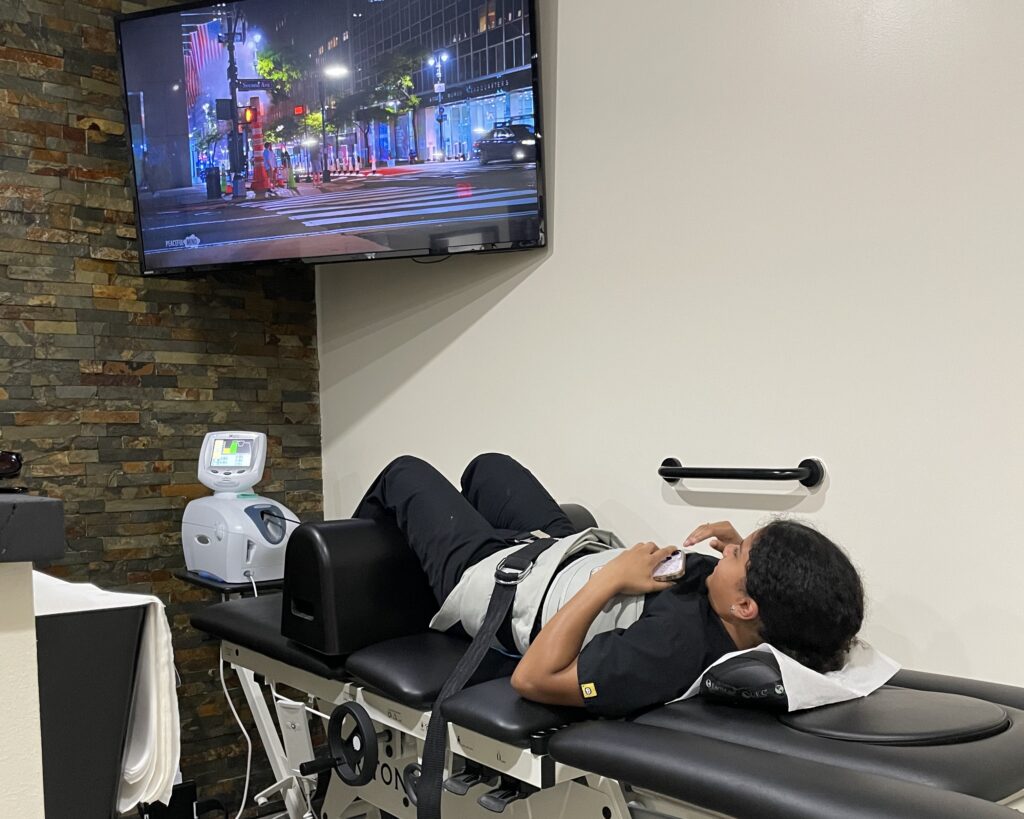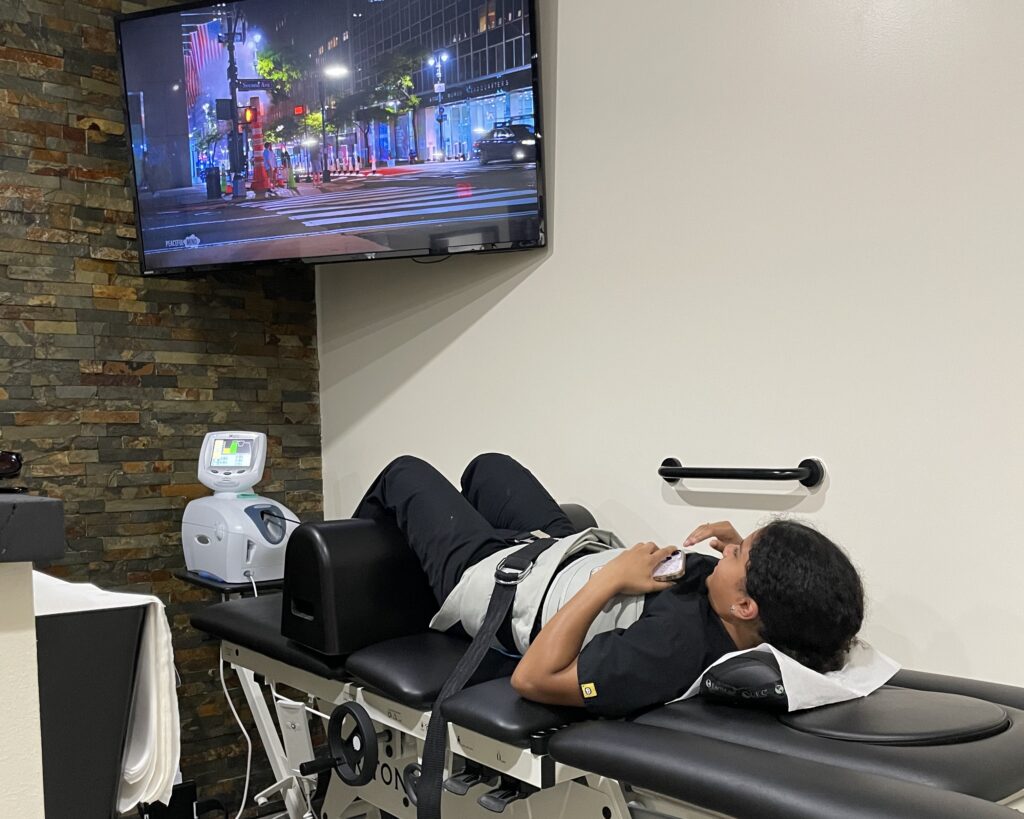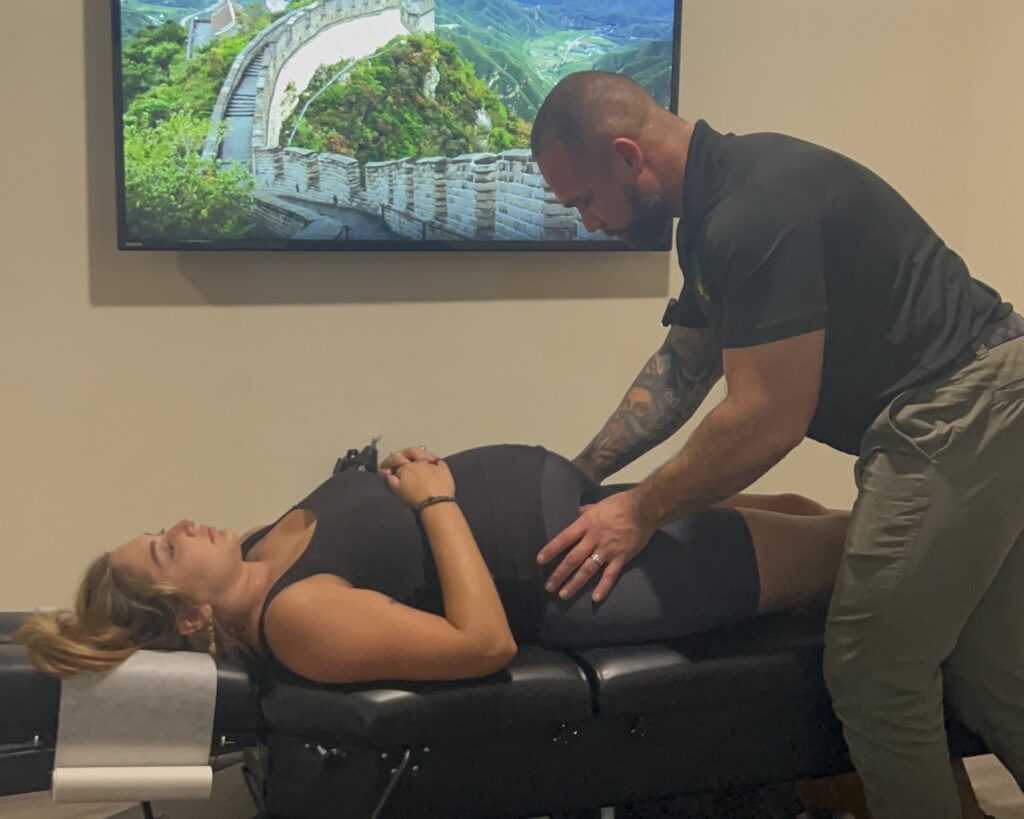
If you’re experiencing low back pain, adjusting your posture can make a world of difference. By aligning your body correctly, you can alleviate strain on your muscles and spine, promoting natural healing. It’s not just about sitting up straight; it’s about recognizing how your everyday habits contribute to discomfort.
As a chiropractor, I want to emphasize that chiropractic care is a powerful tool for achieving optimal health and pain relief. By focusing on your spinal alignment and overall posture, you can pave the way for a healthier lifestyle. Here are some practical tips you can implement right away to enhance your posture and reduce back pain:
- Mind Your Sitting Position: When sitting, keep your feet flat on the floor, your knees at hip level, and your back straight. Use a chair that supports your lower back.
- Stand Tall: When standing, distribute your weight evenly on both feet and engage your core muscles. Avoid locking your knees.
- Use Ergonomic Furniture: If you spend long hours at a desk, consider using ergonomic chairs and tools that promote proper posture.
- Take Breaks: Stand up, stretch, and move around every 30 minutes. This helps to prevent stiffness and keeps your muscles engaged.
- Strengthen Your Core: A strong core supports your spine. Incorporate exercises that strengthen your abdominal and back muscles into your routine.
- Seek Chiropractic Care: Regular chiropractic adjustments can help maintain proper alignment and relieve tension in your back muscles, leading to long-term wellness.
Remember, posture is a key component of your overall health. By being mindful of how you hold your body throughout the day and seeking chiropractic care, you can take significant steps toward alleviating your low back pain and living a healthier life. Embrace these changes, and you’ll be well on your way to feeling better!
Key Takeaways
Enhancing Low Back Pain Relief Through Posture: A Chiropractic Perspective
As a chiropractor, I want to share some valuable tips to help you achieve optimal health and relieve low back pain through proper posture. Maintaining the right posture is essential for supporting your spine and overall well-being.
- Engage Your Core: Start by keeping your shoulders back, aligning your head with your spine, and engaging your core muscles. This simple practice not only supports your lower back but also helps prevent strain.
- Choose the Right Chair: When sitting, make sure to sit fully back in your chair, utilizing lumbar support. This promotes spinal alignment and helps maintain the natural curve of your back, reducing discomfort.
- Screen Height Matters: Position your computer screen at eye level. This prevents slouching and minimizes neck strain, allowing you to maintain a healthier posture while you work.
- Take Movement Breaks: Remember to take regular breaks to stand, stretch, and move around. This helps prevent stiffness and encourages better alignment throughout your day, keeping your back feeling great.
- Mindful Breathing and Body Awareness: Practice mindful breathing and take a moment for body checks. This helps you detect tension in your lower back, allowing you to release it and promote relaxation, which contributes to better posture.
By incorporating these simple yet effective strategies into your daily routine, you’ll not only enhance your posture but also support your spinal health. Chiropractic care is an excellent choice for achieving long-term pain relief and wellness, so consider visiting your local chiropractor for personalized guidance and support on your journey to a healthier lifestyle.
Understanding the Causes of Low Back Pain
Understanding the causes of low back pain is crucial for taking proactive steps toward relief, and chiropractic care can be a key player in your journey to wellness. Many factors contribute to this common issue, such as muscle strain, improper lifting techniques, and long periods of sitting. Over time, repetitive movements or poor body mechanics can create muscle imbalances, making your back more vulnerable to discomfort.
Conditions like herniated discs or spinal stenosis can also be sources of pain, but chiropractic adjustments can help realign the spine and relieve pressure on affected areas. Furthermore, emotional stress can lead to muscle tension, which may intensify your pain. Being aware of your daily habits is essential; for example, if you often find yourself bending or twisting in awkward ways, you’re likely adding extra strain to your back.
By identifying these causes, you can make meaningful changes in your lifestyle. Regular chiropractic care can help maintain proper spinal alignment, enhancing your overall health. Additionally, incorporating exercise into your routine, keeping a healthy weight, and being mindful of your body mechanics can significantly reduce your risk of low back pain.
The Importance of Good Posture
Good posture is essential for maintaining a healthy spine and preventing discomfort. When you sit or stand correctly, you not only support your body during daily activities, but you also make movement easier and less painful. By paying attention to your posture, you can significantly improve your overall well-being.
As a chiropractor, I want to emphasize the importance of chiropractic care in achieving optimal health. Regular chiropractic adjustments can help align your spine, which is crucial for maintaining good posture. When your spine is in proper alignment, it reduces strain on your muscles and joints, allowing you to move freely without pain.
Here are some general tips to help you maintain good posture throughout your day:
- Be Mindful of Your Position: Whether sitting at a desk or standing, keep your shoulders back, and your head aligned with your spine. Imagine a string pulling the top of your head up toward the ceiling.
- Strengthen Your Core: Engaging in exercises that strengthen your core muscles can provide better support for your spine. Try simple activities like planks or pelvic tilts.
- Take Breaks: If you work at a desk, make sure to take regular breaks to stretch and move around. This can help prevent stiffness and encourage better posture.
- Use Supportive Furniture: Choose chairs and desks that promote good posture. Ergonomic furniture can make a significant difference in how you hold your body throughout the day.
- Visit Your Chiropractor: Regular chiropractic visits can help ensure your spine stays aligned. Your chiropractor can also provide personalized advice and exercises tailored to your needs.
By focusing on these tips and incorporating chiropractic care into your wellness routine, you can enhance your posture, alleviate discomfort, and support your journey to a healthier life.
Impact on Spine Health
Maintaining proper posture is crucial for your spine’s health, as it helps distribute your body weight evenly and reduces strain on your back. When you sit or stand with good posture, your spine can maintain its natural curves, which supports overall alignment. This alignment is key to preventing excessive pressure on your spinal discs and surrounding muscles, minimizing the risk of injury and pain.
Poor posture can lead to misalignment, causing stress and discomfort in your back. As a chiropractor, I encourage you to be mindful of your posture throughout the day. Simple changes, like adjusting your chair height or using a lumbar support pillow, can make a big difference.
In addition to improving posture, regular chiropractic adjustments can help ensure that your spine stays aligned and functioning properly. By addressing misalignments, we can alleviate pain and promote better spinal health, enhancing your overall mobility and decreasing the likelihood of chronic pain.
Benefits for Daily Activities
Consistently practicing good posture is essential for enhancing your daily activities, making everything from sitting at your desk to exercising more comfortable and efficient. When you maintain proper alignment with the help of chiropractic care, you significantly reduce strain on your back and muscles. This allows you to focus better on tasks, leading to improved productivity at work and during your leisure activities.
Good posture also supports better breathing, which can boost your energy levels throughout the day. You’ll notice that lifting objects, whether you’re grocery shopping or gardening, becomes easier and less painful. Chiropractic adjustments can help realign your spine, making it easier for your body to function optimally.
Additionally, adopting good posture can positively influence your mood, making you feel more confident and engaged. It’s a simple adjustment that, with the support of chiropractic care, can lead to significant improvements in your daily life.
Here are some tips to help you maintain good posture throughout your day:
- Sit all the way back in your chair with your feet flat on the ground.
- Keep your computer screen at eye level to avoid slouching.
- Take regular breaks to stand, stretch, and move around to relieve tension.
- Engage your core muscles when lifting to protect your back.
Ergonomic Workspace Setup
When setting up your workspace, one of the most crucial steps is adjusting your desk height to promote good posture. A well-adjusted desk allows you to sit comfortably, reducing strain on your spine. Pairing this with a chair that offers proper support can significantly enhance your comfort and productivity throughout the day.
As a chiropractor, I can’t stress enough how important these adjustments are for alleviating low back pain. When your workspace is ergonomically optimized, it can support the natural curves of your spine, helping to prevent discomfort and potential injuries that arise from poor posture.
Here are some simple tips to create a healthier workspace:
- Desk Height: Your desk should be at a height where your elbows are bent at a 90-degree angle while typing. Your wrists should float comfortably above the keyboard.
- Chair Support: Choose a chair that supports your lower back. Look for one with lumbar support that encourages your spine’s natural curve.
- Feet on the Floor: Ensure your feet are flat on the floor or on a footrest. This helps maintain proper alignment of your hips and spine.
- Take Breaks: Incorporate short breaks into your routine. Stand up, stretch, and walk around to keep your muscles engaged and reduce tension.
- Mind Your Screen: Your computer screen should be at eye level to avoid straining your neck. If you use a laptop, consider using a stand to elevate the screen.
Desk Height Adjustment
Adjusting your desk height is crucial for creating an ergonomic workspace that supports your posture and helps alleviate low back pain. When your desk is set at the right height, it allows your arms to rest comfortably at a 90-degree angle while you type, promoting a healthy alignment of your spine. Your feet should be flat on the floor, which enhances circulation and reduces strain on your body.
If your desk is too high, you might find yourself slouching or straining your neck, which can lead to discomfort and misalignments in your spine. On the other hand, a desk that’s too low can cause you to hunch over, resulting in further discomfort and potential long-term issues.
To find the ideal desk height, sit in your chair and adjust your desk so that your elbows are parallel to the surface. This simple adjustment can significantly improve your comfort and productivity throughout the day. Remember, maintaining proper posture not only helps with immediate discomfort but also supports your overall spinal health.
Incorporating regular breaks to stand, stretch, and move around is another great way to promote spinal wellness. Consider consulting with a chiropractor for personalized advice tailored to your specific needs. They can provide invaluable insights on maintaining a healthy spine and an ergonomic workspace. By making these small adjustments and prioritizing your health, you can create a more comfortable and productive work environment that supports your journey toward natural wellness.
Chair Support Features
A well-designed chair isn’t just a piece of furniture; it’s a key element in creating an ergonomic workspace that supports your overall health and wellness. As a chiropractor, I understand how crucial it’s to maintain proper posture to prevent and alleviate low back pain. One of the most important features to look for in a chair is lumbar support. This support should gently curve to fit your lower back, helping to keep your spine in alignment and reducing strain.
Adjustable seat height is another vital feature. When your feet rest flat on the ground and your knees are at a 90-degree angle, you’re taking a significant step towards preventing discomfort. Armrests are also essential; they should support your arms comfortably without causing your shoulders to lift, which can lead to tension over time.
Additionally, consider the depth of the seat. You should be able to sit back comfortably while leaving a few inches of space between the seat and the back of your knees. This small adjustment can greatly enhance your comfort and posture.
Proper Sitting Techniques
Getting comfortable in your chair is essential for your back health, and as a chiropractor, I want to share some simple tips to help you achieve that. First and foremost, make sure to sit all the way back in your chair. This allows your back to be supported by the natural curve of your spine, particularly in the lumbar region. Keeping your feet flat on the floor or on a footrest is also important; aim for your knees to be at or slightly below hip level. Remember, crossing your legs can put unnecessary strain on your lower back, so it’s best to avoid that.
Next, let’s talk about your computer screen. Position it at eye level to help prevent slouching. This alignment keeps your neck in line with your spine, reducing the risk of discomfort. If you’re using a keyboard, bring it closer so that your elbows are at a comfortable 90-degree angle. Adjust your chair height and armrests to ensure everything is set up just right for you.
Lastly, I can’t stress enough the importance of taking regular breaks. Stand up, stretch, and move around every so often. This simple practice alleviates tension and promotes better circulation, which can enhance your overall comfort and help reduce the risk of low back pain.
Safe Lifting Practices
Understanding proper sitting techniques is crucial for good back health, but let’s not overlook the importance of safe lifting practices as well. As a chiropractor, I want to share some essential tips to help you lift objects safely and maintain your spinal health.
When lifting, always remember to bend at your knees rather than your waist. This simple adjustment can significantly reduce strain on your back. Keep your feet shoulder-width apart to ensure stability and balance.
Before you lift the object, take a moment to get a firm grip and pull it close to your body. This helps to minimize the stress on your spine.
As you begin to lift, engage your core muscles and rise straight up. Avoid twisting your torso during this process, as this can lead to injury. If you find the item is too heavy or awkward, don’t hesitate to ask someone for assistance or consider using a cart. It’s always better to be safe than risk injury.
When it comes time to set the object down, remember to bend your knees again and maintain your posture throughout the movement. If you’re lifting for an extended period, be sure to take breaks to prevent fatigue.
Incorporating these safe lifting practices into your daily routine can help you avoid injuries and support overall spinal health. And while these techniques are helpful, regular chiropractic care can further enhance your well-being by ensuring your spine is aligned and functioning optimally. Prioritize your health by adopting safe lifting habits and visiting your chiropractor for ongoing support in achieving a pain-free and healthier lifestyle.
Standing Posture Tips
When you stand, it’s important to align your head directly over your shoulders. This simple adjustment can significantly reduce strain on your neck and back, promoting better spinal health. Engaging your core muscles is another key factor—this not only supports your spine but also enhances your balance, helping you feel more stable throughout the day.
Additionally, make sure to distribute your weight evenly between both feet. This practice promotes stability and helps prevent discomfort, which can lead to chronic pain if not addressed. Remember, maintaining a healthy posture is crucial for your overall well-being and can be greatly supported by chiropractic care. By prioritizing these standing posture tips, you can take proactive steps towards achieving optimal health and natural wellness.
If you’re experiencing any pain or discomfort, consider visiting a chiropractor who can provide personalized guidance and support on your journey to a healthier lifestyle.
Align Your Head Properly
Aligning your head properly is crucial for maintaining good posture and can significantly alleviate low back pain. As a chiropractor, I often emphasize the importance of keeping your head directly over your shoulders, steering clear of that forward jutting we often see in our daily lives. This proper alignment helps distribute your body weight evenly, reducing unnecessary strain on your spine.
To visualize this, think of a straight line running from your ear to your shoulder. This simple mental image can guide you in finding the right position. Make sure your chin is parallel to the ground, avoiding any excessive tilting up or down. If you’re working on a computer or using your phone, it’s beneficial to raise your device to eye level. This small adjustment can help prevent slouching and promote a healthier posture.
Regularly checking in with your posture is key. Take a moment throughout the day to ensure your head remains aligned. Remember, small changes can lead to significant improvements in your overall comfort and health.
If you’re experiencing persistent pain or discomfort, consider incorporating chiropractic care into your wellness plan. Chiropractic adjustments can help realign your spine, improve your posture, and promote natural healing, allowing you to feel your best. By prioritizing your spinal health, you’re taking a proactive step toward a healthier, pain-free life.
Engage Core Muscles
Maintaining good posture is essential for a healthy spine, and one key element in achieving this is engaging your core muscles. As your local chiropractor, I want to emphasize how vital this practice is for your overall well-being. When you stand, take a moment to tighten those abdominal muscles. This simple action acts as a natural brace for your lower back, helping to prevent strain and discomfort.
Picture this: pulling your navel gently in towards your spine. This small adjustment can significantly stabilize your torso and improve your posture. It’s about creating a solid foundation that supports your spine, and engaging your core is a big part of that.
Don’t forget about your shoulders! Keep them relaxed and aligned over your hips. Avoid the tendency to arch your back; instead, focus on lengthening your spine as you actively engage those core muscles. Remember, a strong core not only enhances your posture but also minimizes the risk of back pain.
Chiropractic care is a fantastic way to help you achieve and maintain optimal health. By cultivating awareness of your core and practicing good posture, you’re laying the groundwork for a healthier, pain-free life.
Here are a few tips to take away:
- Engage Your Core: Practice pulling your navel in towards your spine throughout the day, especially when standing or sitting.
- Posture Check: Regularly assess your posture, ensuring your shoulders are relaxed and your back is straight.
- Stay Active: Incorporate exercises that strengthen your core, such as planks or gentle yoga, into your routine.
- Seek Chiropractic Care: Regular visits to your chiropractor can help you maintain proper alignment and address any discomfort before it becomes a bigger issue.
Distribute Weight Evenly
To achieve ideal standing posture and support your overall health, it’s crucial to distribute your weight evenly between both feet. Start by standing tall with your core engaged and your hips aligned over your ankles. A simple technique is to gently shift your weight from side to side to find a comfortable balance. Remember, your knees should be soft and not locked, allowing for slight movement to maintain flexibility.
By achieving this balance, you can significantly reduce strain on your lower back and enhance your stability. Leaning too heavily on one foot can lead to discomfort and misalignment over time, which is a common issue that many people face. It’s important to regularly check in with your posture throughout the day to ensure you’re maintaining this balance.
Incorporating these simple tips can help support your spine and alleviate pressure on your back, enhancing your overall comfort. As a chiropractor, I encourage you to consider how chiropractic care can be a vital part of your journey toward optimal health. Regular adjustments can help realign your body, ensuring that you maintain good posture and minimize pain.
Embrace these practices for a healthier lifestyle, and remember that taking care of your spine is fundamental to your overall well-being!
The Role of Stretching and Strengthening
While many people may not realize it, stretching and strengthening are essential components in managing low back pain. These practices not only enhance flexibility but also help build core stability, which is vital for a healthy spine. By incorporating a balanced routine of stretching and strengthening into your daily life, you can experience significant improvements in your overall well-being.
Here are some key benefits of stretching and strengthening that can support your journey to better health:
- Increased Flexibility: Stretching plays a vital role in lengthening tight muscles, which can reduce tension around your lower back. This added flexibility helps you move more freely and comfortably, allowing you to engage in daily activities without pain.
- Improved Posture: By strengthening your core muscles, you create stability for your spine. This promotes better alignment and reduces strain, making it easier to maintain a healthy posture throughout your day. Good posture isn’t only important for your back but also contributes to overall body function.
- Enhanced Muscle Support: Stronger muscles surrounding your back provide better support, helping to decrease the likelihood of injury. When your muscles are well-conditioned, they can handle daily stressors more effectively, leading to a healthier, more resilient back.
- Reduced Pain: Engaging in regular stretching and strengthening exercises can alleviate pain by improving blood flow and reducing muscle stiffness. This natural approach to pain relief is a key aspect of chiropractic care, which focuses on healing your body without the need for medications or invasive procedures.
As you consider these benefits, here are some simple tips to incorporate stretching and strengthening into your routine:
- Start Small: Begin with just a few minutes of stretching each day, focusing on areas that feel tight. Over time, gradually increase the duration and intensity.
- Stay Consistent: Aim to stretch and strengthen at least a few times a week. Consistency is key to seeing improvements.
- Listen to Your Body: Pay attention to how your body feels during and after exercises. If you experience pain, it’s important to adjust your routine or consult with your chiropractor for personalized guidance.
- Combine with Chiropractic Care: Regular chiropractic adjustments can complement your stretching and strengthening efforts, ensuring your spine is aligned and functioning optimally for better health.
Mindfulness and Body Awareness
Practicing mindfulness and body awareness can significantly enhance your journey toward managing low back pain, and chiropractic care can play a vital role in this process. By connecting with your body, you can become attuned to tension and discomfort before they develop into more severe pain. Take a few moments each day to focus on your breathing and observe how your body feels in various positions. Pay special attention to any tightness or discomfort in your lower back and consciously work on relaxing those areas—this is where chiropractic adjustments can help realign your spine and relieve tension.
Incorporating mindfulness into your daily routine also fosters better awareness of your posture. When you sit, stand, or move, take a moment to check your alignment. Are you slumping, or is your back straight? This awareness allows you to make necessary adjustments, which can alleviate pain and prevent further issues. Remember, being present in your body not only helps manage pain but also contributes to a greater sense of well-being.
Chiropractic care supports this approach by addressing the root causes of discomfort and ensuring your spine is properly aligned. Regular adjustments can enhance your body’s natural healing abilities, providing a holistic path to health. Engaging in mindfulness practices alongside chiropractic care can empower you to take charge of your low back health, leading to a more balanced and pain-free life.
Consider these simple tips:
- Set aside a few minutes daily for mindful breathing and body checks.
- Be conscious of your posture throughout the day; if you notice slouching, gently correct yourself.
- Schedule regular chiropractic appointments to keep your spine aligned and support your overall wellness.
Incorporating Movement Throughout the Day
Incorporating movement into your daily routine not only keeps your spine healthy but also enhances your overall well-being. As a local chiropractor, I want to emphasize that engaging in regular movement can significantly alleviate low back pain and help you feel your best.
Here are some simple strategies to keep you active and support your spinal health:
- Take short breaks every hour. Stand up, stretch, or take a quick walk to get your blood flowing and relieve tension in your back.
- Consider a standing desk. Alternating between sitting and standing can improve your posture and reduce strain on your spine throughout the day.
- Add movement to everyday tasks. Walk during phone calls or incorporate light stretches while you wait for your coffee to brew. Every little bit helps!
- Practice mindful breathing. This not only helps reduce stress but also serves as a reminder to check in with your body and move when needed.
Remember, chiropractic care is a fantastic way to support your journey towards natural wellness and pain relief. By keeping your spine aligned and healthy, you can enjoy a more active lifestyle.
If you have any questions about how chiropractic care can benefit you, don’t hesitate to reach out!
Seeking Professional Help for Posture Correction
If you’re dealing with poor posture, turning to a chiropractor can be a game changer in your journey to recovery. As a specialized professional, a chiropractor can assess your posture and pinpoint specific issues that may be contributing to discomfort, especially in your lower back.
With this insight, they’ll develop a personalized plan tailored to your unique needs, incorporating targeted exercises and stretches designed to strengthen weak muscles and enhance flexibility.
Chiropractors also offer valuable advice on making ergonomic adjustments in your everyday life, whether at your desk or at home. They’ll guide you on how to maintain proper alignment while sitting, standing, or lifting, which can significantly reduce strain on your back.
Regular visits not only help you stay committed to your posture correction efforts but also foster a supportive environment for your ongoing wellness journey.
It’s essential to recognize the immense value of chiropractic care. By working closely with a chiropractor, you can alleviate current pain and prevent future issues, allowing you to enjoy a healthier and more active lifestyle.
Think of it as an investment in your well-being that truly pays off in the long run.
Here are a few simple tips you can incorporate into your daily routine to improve your posture:
- Sit Up Straight: Keep your back straight and shoulders back while sitting. Make sure your feet are flat on the ground and your knees are at a right angle.
- Take Breaks: If you’re sitting for long periods, take short breaks every 30 minutes to stand up, stretch, or walk around.
- Strengthen Your Core: Engage in exercises that strengthen your core muscles, as a strong core supports proper posture.
- Mind Your Head Position: Keep your ears aligned with your shoulders. If you’re looking down at your phone or computer, raise it to eye level.
- Use Supportive Furniture: Invest in a chair that offers good lumbar support, and consider using cushions or supports that promote proper alignment.
Embracing these practices, alongside the guidance of a chiropractor, can lead you to a healthier, more balanced life. Remember, taking care of your spine is key to overall wellness!
Conclusion
As a local chiropractor, I want to emphasize how prioritizing good posture and making simple ergonomic adjustments can significantly enhance your relief from low back pain. By focusing on your body’s alignment and incorporating mindful movements into your daily activities, you can experience better comfort and functionality.
One of the most effective ways to support your spine is through core-strengthening exercises. These exercises help stabilize your back and prevent discomfort. Additionally, remember to take regular movement breaks throughout your day—getting up to stretch or walk around can make a remarkable difference in how you feel.
Chiropractic care is an excellent choice for addressing low back pain naturally. Regular visits can help ensure your spine is properly aligned, reducing strain on your muscles and nerves. If you find yourself struggling with persistent pain, don’t hesitate to seek professional chiropractic help.
Adopting these habits and embracing chiropractic care can pave the way for lasting comfort and improved overall wellness in your life. Your back will thank you!