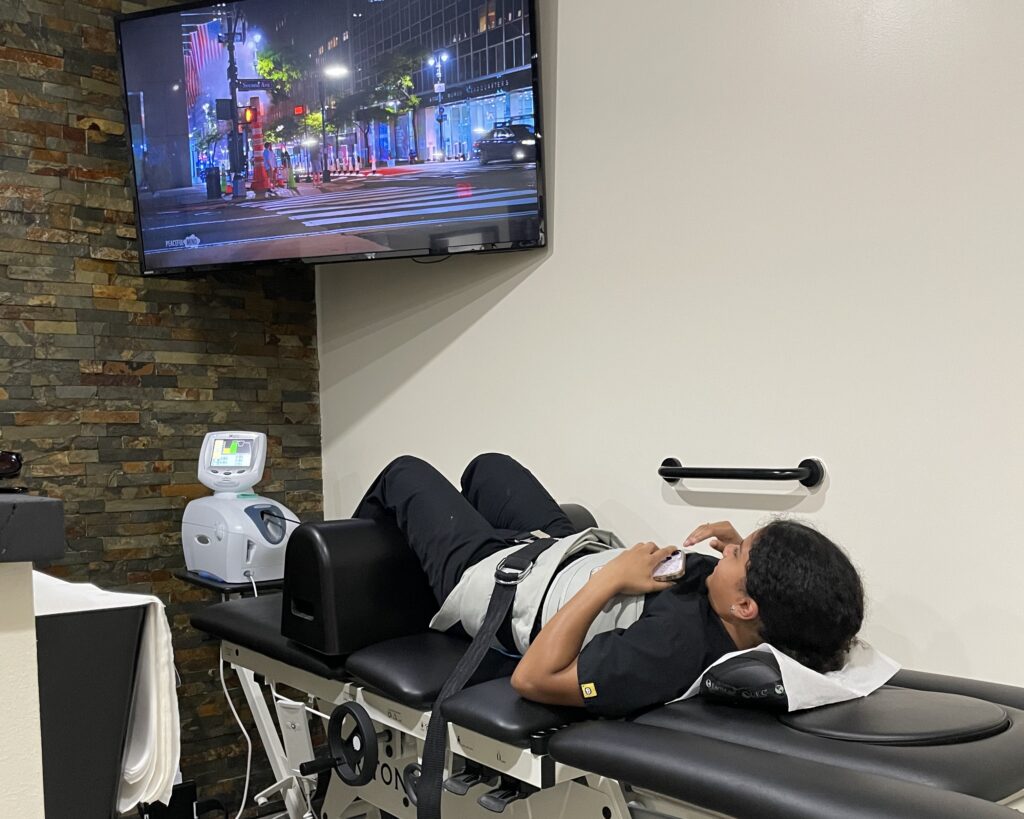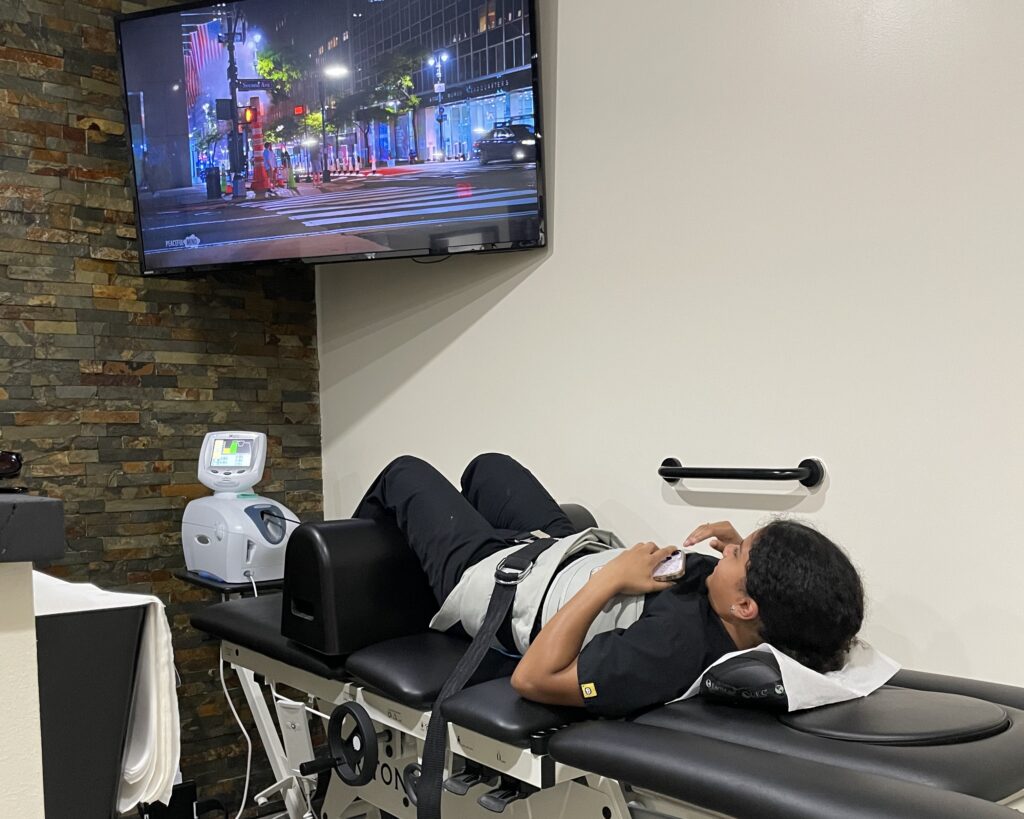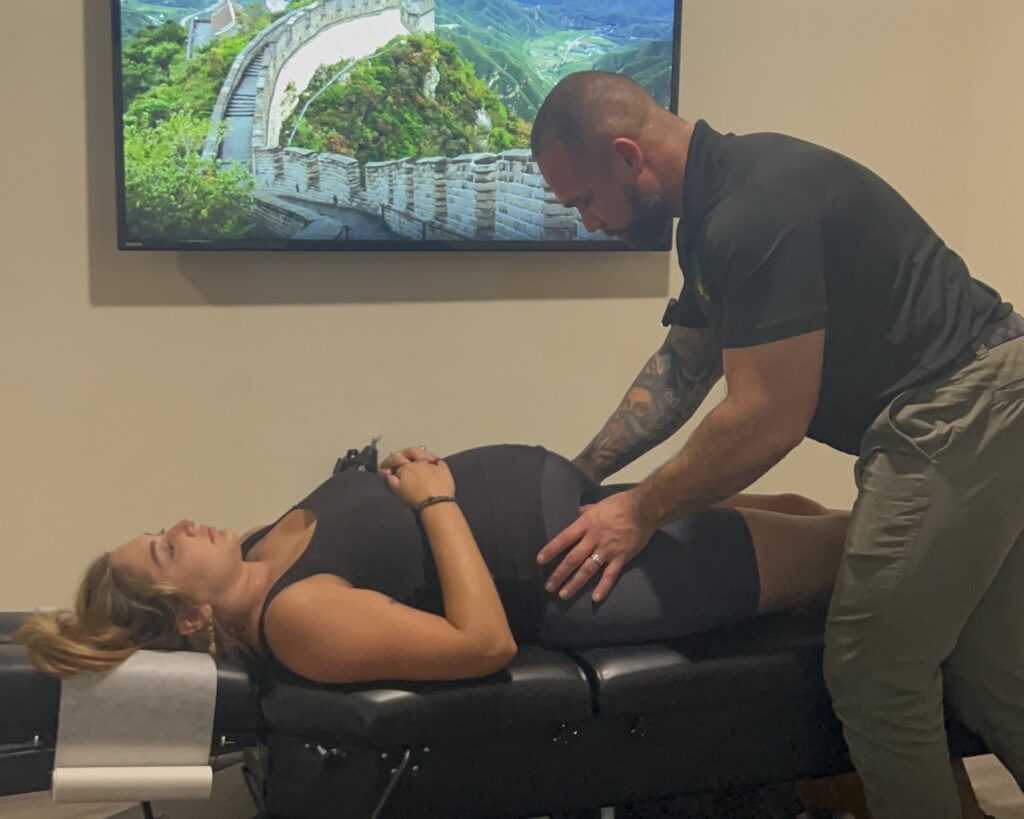
If you’re dealing with low back pain, you may be surprised to learn just how much your posture can influence your discomfort. By making simple adjustments to how you sit, stand, and move, you can significantly reduce the strain on your back and promote a healthier spine. Understanding the connection between posture and pain is crucial, and it could be the key to your relief.
Here are some easy tips to improve your posture and help alleviate low back pain:
- Sit Smart: When sitting, ensure that your feet are flat on the floor, your knees are at a right angle, and your back is supported by a chair that promotes good spinal alignment. Consider using a lumbar roll or cushion to support the natural curve of your lower back.
- Stand Tall: When standing, distribute your weight evenly on both feet. Engage your core muscles to support your spine and avoid locking your knees. Keeping your shoulders relaxed and back can also help maintain good posture.
- Move Mindfully: Whether you’re lifting objects or just bending down, always engage your core and bend at the hips and knees instead of the waist. This technique will help protect your spine from injury.
- Take Breaks: If you’re sitting or standing for long periods, take breaks to stretch and move around. Gentle stretches can relieve tension and improve flexibility in your back.
- Stay Active: Regular physical activity, especially exercises that strengthen your core and back muscles, can greatly improve your posture and overall spinal health.
Chiropractic care is a fantastic way to support your journey to better posture and pain relief. A chiropractor can help assess your posture, provide personalized adjustments, and teach you exercises to strengthen your back. By focusing on natural healing and wellness, chiropractic care can be the key to achieving optimal health and alleviating low back pain.
Remember, small changes in your daily habits can lead to significant improvements in your comfort and overall well-being. If you’re ready to take the next step toward a healthier spine, consider reaching out to a local chiropractor who can guide you on your path to relief.
Key Takeaways
- Maintaining proper posture is essential for keeping the natural curve of your spine intact, which can significantly reduce strain and discomfort in your lower back. As a chiropractor, I often see how good posture plays a crucial role in overall spinal health.
- Slouching, on the other hand, can put extra pressure on your spine. This increased strain can lead to misalignment and chronic pain over time. By being mindful of your posture, you can help prevent these issues from developing.
- Good posture allows for even weight distribution across your back, which minimizes the strain on your muscles and ligaments. This means less discomfort and a better chance of maintaining your overall well-being.
- When your spine is aligned correctly, it improves nerve function and circulation. This not only contributes to your back health but also to your overall vitality. Chiropractic care focuses on correcting these misalignments to help you feel your best.
- To support better posture in your daily life, consider regular posture checks and make ergonomic adjustments to your workspace. Simple changes, like adjusting your chair height or using a supportive cushion, can help prevent stiffness and promote better spinal alignment, ultimately alleviating low back pain.
Remember, chiropractic care is a natural and effective way to achieve optimal health and well-being. By focusing on your posture and seeking regular chiropractic adjustments, you can enjoy a pain-free life and improved overall health.
Understanding Low Back Pain
When it comes to low back pain, understanding its causes is key to managing it effectively. Many people experience discomfort due to factors like muscle strain, disc issues, or underlying health conditions. Identifying the source of your pain is crucial for finding the right approach to relief. For instance, improper lifting of heavy objects can lead to muscle strain, while a herniated disc might require a different recovery strategy.
A sedentary lifestyle can weaken your core muscles, making your back more susceptible to pain. Additionally, stress can contribute to muscle tension, further exacerbating discomfort. By pinpointing the cause of your low back pain, you can take proactive steps to alleviate it.
Chiropractic care offers a natural, holistic approach to pain relief and overall wellness. Regular chiropractic adjustments can help realign the spine, relieve tension, and improve mobility. Here are some tips to support your recovery journey:
- Stay Active: Incorporate gentle exercises into your routine that strengthen your core and back muscles. Activities like walking, swimming, or yoga can be beneficial.
- Practice Good Posture: Be mindful of your posture, whether sitting, standing, or lifting. Proper alignment can prevent strain on your back.
- Manage Stress: Engage in relaxation techniques such as deep breathing, meditation, or stretching to reduce muscle tension.
- Consider Chiropractic Care: Regular visits to your chiropractor can help address the root cause of your pain and promote healing without relying on medications or invasive procedures.
- Listen to Your Body: Pay attention to what activities trigger your pain and modify them accordingly.
Understanding these aspects empowers you to take control of your recovery journey. Embrace a lifestyle that supports your spine’s health, and remember that chiropractic care is a powerful ally in achieving optimal wellness.
The Role of Posture in Spinal Health
Your posture is crucial for maintaining a healthy spine and overall well-being. When you slouch, it places unnecessary strain on your back, which can lead to discomfort and pain over time. By focusing on proper posture and adopting better ergonomic habits in your daily routine, you can actively support your spine and minimize the risk of discomfort.
As a chiropractor, I encourage you to be mindful of your posture throughout the day. Here are some simple tips to help you maintain a healthy spine:
- Sit Tall: When sitting, keep your back straight and shoulders relaxed. Use a chair that supports your lower back and keep your feet flat on the floor.
- Stand Smart: When standing, distribute your weight evenly on both feet. Avoid locking your knees and keep your shoulders back.
- Take Breaks: If you work at a desk, take regular breaks to stand up, stretch, and walk around. This helps relieve tension and promotes better circulation.
- Mind Your Tech: When using your phone or computer, hold devices at eye level to prevent hunching over. Make sure your screen is at a comfortable height to reduce strain on your neck and back.
- Sleep Right: Choose a supportive mattress and pillow that maintain the natural curve of your spine while you sleep. Aim for a position that keeps your body aligned.
Incorporating these tips into your daily life can greatly benefit your spinal health. Remember, chiropractic care is an excellent choice for natural pain relief and promoting overall wellness.
Regular adjustments can help correct misalignments, improve posture, and support your body’s natural healing processes. By prioritizing both your posture and chiropractic care, you’re taking a proactive step toward a healthier, pain-free life.
Importance of Spinal Alignment
Spinal alignment is essential for maintaining your overall health and well-being, and as a chiropractor, I want to emphasize just how vital good posture is for your spine’s function.
When your spine is properly aligned, it supports your body’s weight evenly, which helps to reduce strain on your muscles and ligaments. This means less discomfort and a better quality of life.
Good posture allows your spine to keep its natural curves, which is crucial for optimal nerve function and blood circulation.
When your spine is balanced, you can prevent unnecessary stress on your spinal discs, thereby avoiding pain and discomfort.
Here are some simple tips to encourage better spinal alignment throughout your day:
- Be Mindful of Your Posture: Whether you’re sitting at a desk, standing, or moving around, pay attention to how you hold your body. Keep your shoulders back, your head aligned with your spine, and your feet flat on the ground when sitting.
- Take Breaks: If you sit for long periods, remember to stand up, stretch, and move around regularly. This can help prevent stiffness and encourage better posture.
- Use Ergonomic Furniture: Invest in a chair that supports your lower back, and adjust your workstation to ensure your computer screen is at eye level.
- Practice Core Strengthening Exercises: A strong core supports your spine and helps maintain good posture. Simple exercises like planks and bridges can go a long way.
- Visit Your Chiropractor: Regular chiropractic adjustments can help keep your spine aligned and functioning properly. We focus on natural healing and wellness, helping you to achieve optimal health without the need for surgery or medications.
By prioritizing your posture and incorporating these tips into your daily routine, you can promote better spinal alignment and overall health.
Effects of Slouching
Slouching can have a significant negative impact on your spinal health and overall well-being. When you hunch over, you place extra pressure on your spine, which can lead to misalignment, muscle strain, and chronic pain.
This poor posture not only affects your spine but also reduces your lung capacity, making it more difficult to take deep breaths and potentially lowering your energy levels. Over time, persistent slouching can contribute to more serious issues, like herniated discs.
You may also find that slouching leads to increased fatigue and decreased focus as your body tries to cope with the discomfort. But the good news is that by understanding the effects of slouching, you can take proactive steps to improve your posture and support your spinal health.
Here are some simple tips to help you maintain better posture and promote a healthier spine:
- Sit Up Straight: Pay attention to your sitting posture, especially if you work at a desk. Keep your back straight and shoulders relaxed, with your feet flat on the floor.
- Take Breaks: If you’re sitting for long periods, make sure to take regular breaks. Stand up, stretch, and move around to keep your muscles active.
- Strengthen Your Core: Engaging in exercises that strengthen your core muscles can help support your spine and improve your posture.
- Mind Your Phone Use: When using your phone, try to hold it at eye level rather than looking down, which can contribute to slouching.
- Chiropractic Care: Regular visits to a chiropractor can help correct misalignments and relieve pain caused by poor posture. Chiropractic adjustments can support your spine’s natural alignment and promote overall wellness.
Ergonomics and Daily Habits
While many people often overlook the importance of ergonomics in their daily habits, the way you set up your workspace and move throughout the day can greatly impact your posture and spinal health. As a chiropractor, I want to share some simple yet effective tips to help you achieve optimal health naturally.
Start by adjusting your chair and desk height so your arms can rest comfortably while typing. This not only supports your wrists but also keeps your spine in a better position. Make sure your computer screen is at eye level to avoid straining your neck—this small adjustment can make a big difference in how you feel throughout the day.
It’s also essential to take regular breaks. Stand up, stretch, and take a short walk around; this keeps your muscles engaged and significantly reduces stiffness. Remember, sitting for long periods can lead to poor posture and discomfort, so these breaks are crucial.
When sitting, pay close attention to your posture. Keep your back straight and your shoulders relaxed. You might be surprised at how a slight change in your sitting position can alleviate tension and prevent low back pain.
Incorporating these ergonomic tips into your daily routine can lead to significant improvements in your posture and overall well-being. And remember, chiropractic care is a natural and effective way to support your spine and help relieve pain. By prioritizing your spinal health and making these small changes, you can pave the way for a healthier, more comfortable life.
Common Postural Habits That Contribute to Pain
You mightn’t realize how much your everyday habits impact your back health. Simple actions like slouching while sitting or using improper lifting techniques can lead to increased pain and discomfort. As a local chiropractor, I want to help you understand these common postural habits and their contribution to low back issues, while also showing you how chiropractic care can be a natural and effective solution for relief.
Slouching while seated puts unnecessary strain on your spine, causing your back muscles to work harder than they should. This can lead to stiffness and pain over time.
To counteract this, try to maintain good posture by sitting up straight, keeping your feet flat on the floor, and supporting your lower back with a cushion if needed. Remember, a strong and healthy spine starts with the right posture!
Improper lifting techniques can also wreak havoc on your back. When lifting heavy objects, always bend at your knees and keep the item close to your body.
This technique distributes the weight evenly and protects your spine from injury. If you’re ever unsure about your lifting technique, don’t hesitate to ask for help or consult your chiropractor for personalized advice.
In addition to these tips, incorporating regular chiropractic adjustments into your routine can help correct postural imbalances and alleviate pain. Chiropractic care focuses on aligning the spine and promoting overall wellness, giving your body the best chance to heal naturally.
Slouching While Sitting
Many people unknowingly develop the habit of slouching while sitting, which can lead to discomfort and low back pain. Slouching causes your spine to lose its natural curve, putting extra pressure on your discs and muscles. This poor posture can create imbalances in your muscles, making it harder for your back to support your body effectively. As you continue to slouch, you may experience increased fatigue and tension in your lower back.
To help combat this issue, it’s essential to be mindful of your posture. Make a conscious effort to sit up straight with your shoulders back and feet flat on the floor. An ergonomic chair can be a great investment to help maintain proper alignment and support your spine throughout the day.
In addition to posture correction, chiropractic care is an excellent option for addressing the discomfort associated with slouching. A chiropractor can provide personalized adjustments to realign your spine and relieve pressure on your nerves and muscles. This natural approach not only helps alleviate pain but also promotes overall wellness.
Incorporating simple habits into your daily routine can make a significant difference. Take regular breaks to stand up, stretch, and move around. Consider setting a timer to remind yourself to check your posture throughout the day. By being proactive about your spinal health, you can reduce discomfort and enhance your overall well-being. Remember, prioritizing your posture and seeking chiropractic care can lead to a happier, healthier life.
Improper Lifting Techniques
Improper lifting techniques can lead to significant strain on your back and contribute to chronic pain. As a local chiropractor, I want to emphasize the importance of using the right methods to protect your spine and promote natural healing. When you bend at the waist instead of your knees, you place excessive pressure on your lower back, which can lead to discomfort over time.
Many people believe that extending their arms to lift heavy objects makes it easier, but this approach can actually throw your body off balance and increase your risk of injury. To lift safely, always remember to keep your feet shoulder-width apart and bend your knees while keeping the load close to your body. Engaging your core muscles while lifting not only provides added support but also helps stabilize your spine.
If you’re dealing with something particularly heavy, don’t hesitate to ask for help. It’s always better to work together than risk injury. By adopting proper lifting techniques, you can significantly reduce your chances of developing low back pain.
Additionally, regular chiropractic care can help ensure that your spine is aligned and functioning properly, which contributes to overall wellness and pain relief. Remember, your body deserves the best care, and chiropractic is a natural, effective way to support a healthy lifestyle and maintain a pain-free back.
How Poor Posture Affects Your Body
While it might seem harmless, poor posture can lead to a cascade of health issues throughout your body. Slouching or leaning forward can place extra strain on your spine, resulting in discomfort and pain in your lower back.
This persistent habit often leads to muscle tension in your shoulders and neck, which can trigger headaches. Additionally, when you slouch, you may unintentionally compress your lungs and digestive organs, making it harder to breathe deeply and digest efficiently.
Not only does poor posture affect how you feel physically, but it can also disrupt your balance and coordination. When your body isn’t aligned properly, you may experience increased fatigue and decreased energy levels. Over time, these issues can impact your overall physical performance and may even lead to chronic pain.
As a chiropractor, I believe that maintaining proper posture is essential for achieving optimal health. Here are some tips and tricks to help you improve your posture and overall well-being:
- Be Mindful of Your Posture: Make a conscious effort to sit and stand up straight. Imagine a string pulling you up from the top of your head, aligning your spine.
- Take Frequent Breaks: If you sit for long periods, take breaks every 30 minutes to stretch and move around. This helps reduce tension and keeps your muscles engaged.
- Strengthen Your Core: Engaging in exercises that strengthen your core muscles can provide better support for your spine and improve your posture.
- Adjust Your Workspace: Ensure your chair and desk are ergonomically designed to promote good posture. Your screen should be at eye level, and your feet should rest flat on the floor.
- Visit Your Chiropractor: Regular chiropractic adjustments can help realign your spine and improve your posture, providing relief from pain and discomfort while promoting natural healing.
Techniques for Improving Posture
Regularly practicing specific techniques can significantly improve your posture and help alleviate back pain, which is where chiropractic care shines. Being mindful of your posture throughout the day is essential. When sitting, aim to keep your feet flat on the ground, your back straight, and your shoulders relaxed. It’s beneficial to use a chair that provides support for your lower back, helping maintain the natural curve of your spine.
Incorporating stretching and strengthening exercises into your routine is another great way to enhance your posture. Focus on your core muscles, as a strong core is crucial for stabilizing your spine. Simple exercises like planks, bridges, and abdominal crunches can be effective. Additionally, practices such as yoga or Pilates can improve your flexibility and help you align your body properly.
When standing, make sure to distribute your weight evenly on both feet and avoid locking your knees. Using a supportive cushion or lumbar roll while driving or sitting at a desk can provide extra comfort and support. Remember, it’s important to take frequent breaks to stand, stretch, and reset your posture. By consistently applying these techniques, you’ll develop healthier habits that contribute to better posture and reduce back pain.
Chiropractic care can play a vital role in this journey. Regular adjustments can help realign your spine, improve your posture, and relieve discomfort naturally. If you’re experiencing any pain or discomfort, I encourage you to explore chiropractic care as a safe and effective solution for achieving optimal health and wellness. Your body deserves the best care, and chiropractic can help you reach that goal!
The Benefits of Good Posture Beyond Pain Relief
Good posture is essential for your overall health and wellness, and its benefits go far beyond just alleviating pain.
When you maintain good posture, you naturally align your body, which can significantly boost your confidence and enhance your appearance. Standing tall can make you feel more self-assured in both social and professional situations, and that sense of confidence can positively impact your interactions.
Moreover, good posture plays a crucial role in improving your breathing. When your spine is aligned properly, your lungs can expand fully, allowing for better oxygen flow. Increased oxygen levels can lead to higher energy levels throughout the day, making it easier to stay active and engaged in your daily activities.
Another often-overlooked benefit of proper posture is improved digestion. By sitting or standing correctly, you can reduce pressure on your abdominal organs, which promotes better gastrointestinal function. This simple adjustment can lead to a healthier digestive system, helping you feel your best.
Additionally, maintaining proper posture can enhance your focus and productivity. When you’re comfortable and your blood is flowing freely, your mind can remain sharp, allowing you to tackle tasks more efficiently. Chiropractic care can help you achieve and maintain good posture, addressing any misalignments in your spine that could be holding you back.
Incorporating good posture into your daily routine is a simple yet effective way to enrich your life. Here are some tips to help you improve your posture:
- Be Mindful: Regularly check in with your body throughout the day. Make a habit of standing and sitting tall, with your shoulders back and your chin parallel to the ground.
- Strengthen Your Core: Engage in exercises that strengthen your core muscles, as a strong core supports your spine and helps maintain good posture.
- Ergonomic Adjustments: If you spend long hours at a desk, ensure your workspace is ergonomically friendly. Your chair should support your lower back, and your computer screen should be at eye level.
- Stretch Regularly: Take breaks to stretch, especially if you’ve been sitting for long periods. Stretching can relieve tension and encourage better alignment.
- Chiropractic Check-ups: Regular visits to your chiropractor can help ensure your spine is properly aligned, which is key for maintaining good posture and overall health.
Exercises to Support Better Posture
To achieve and maintain better posture, incorporating specific exercises into your daily routine can make a significant difference. As a chiropractor, I often emphasize the importance of strengthening your body to support spinal health naturally.
Start with planks; these exercises are fantastic for building core strength, which is essential for stabilizing your spine. A strong core can help reduce the strain on your back and improve your posture over time. For your upper back, consider doing wall angels. This exercise helps to open up your shoulders and aligns your spine, countering the effects of poor posture from prolonged sitting.
Don’t forget to include chest stretches in your routine. They counteract the forward hunching that often results from sitting too long at a desk. Additionally, hip flexor stretches are vital as they relieve tightness and promote proper pelvic positioning, which is crucial for overall spinal health.
Strengthening your glutes with bridge exercises can be incredibly beneficial as well. Strong glutes support your lower back and contribute to better posture. Balance exercises, such as single-leg stands, can enhance your overall stability, further supporting your spine.
Aim to perform these exercises several times a week, gradually increasing the repetitions as you build strength. By committing to this routine, you’ll not only improve your posture but also significantly reduce the risk of low back pain, allowing your body to function optimally.
When to Seek Professional Help
Recognizing when to seek professional chiropractic help for low back pain is crucial, especially if your discomfort continues despite efforts to improve your posture and strengthen your core muscles. If you find yourself dealing with severe pain that doesn’t improve with rest or simple home remedies, it’s time to consult a chiropractor. Additionally, if your pain radiates down your legs, causes numbness or tingling, or affects your ability to carry out daily activities, don’t hesitate to reach out for assistance.
Be on the lookout for other warning signs, such as persistent pain lasting more than a few weeks, unexplained weight loss, or issues with bladder or bowel control. These symptoms may indicate a more serious underlying condition that requires professional evaluation. A qualified chiropractor can assess your situation, provide personalized advice, and recommend natural treatments that align with your wellness goals.
Remember, prioritizing your health is essential, and seeking help sooner rather than later can lead to better outcomes.
Here are some general tips to keep in mind for managing low back pain:
- Stay Active: Gentle activities like walking or swimming can help maintain mobility.
- Practice Good Posture: Being mindful of your posture while sitting, standing, and lifting can prevent further strain on your back.
- Use Proper Lifting Techniques: Bend your knees and keep your back straight when lifting heavy objects.
- Invest in Supportive Furniture: Ensure that your chair and mattress provide adequate support for your spine.
- Incorporate Stretching: Gentle stretches can help relieve tension in your back muscles.
Don’t ignore your body’s signals. Chiropractic care focuses on promoting natural healing and optimizing your overall wellness. By addressing the root cause of your pain, you can find effective relief and enjoy a healthier, more active lifestyle.
Integrating Postural Awareness Into Daily Life
Integrating postural awareness into your daily life can play a crucial role in preventing and managing low back pain, and as your local chiropractor, I’m here to guide you on this journey to better health.
Start by regularly checking your posture throughout the day—whether you’re sitting, standing, or walking. Simple reminders, such as sticky notes on your desk or phone alerts, can prompt you to adjust your alignment, ensuring you’re always mindful of your posture.
When sitting, keep your feet flat on the floor and your back straight against the chair to promote a healthy spine. If you spend a lot of time at a desk, consider investing in ergonomic furniture that supports your natural posture.
Remember to take breaks every hour to stretch and walk around; this helps to reduce muscle tension and keeps your body moving.
When lifting objects, practice mindful movements. Always bend at your knees and keep your back straight to avoid unnecessary strain. This is a simple yet effective way to protect your spine.
In addition, incorporating exercises that strengthen your core and improve flexibility can significantly enhance your posture and support your back.
Conclusion
Incorporating better posture into your daily routine can significantly relieve low back pain, and as a chiropractor, I can tell you that this is a vital step towards achieving optimal health. By being mindful of how you sit, stand, and move, you can reduce strain on your spine and the surrounding muscles. Simple adjustments, like keeping your feet flat on the floor while sitting and aligning your ears over your shoulders, can lead to big improvements in your comfort.
Additionally, strengthening your core and taking regular breaks from prolonged sitting can create a healthier foundation for your back. Remember, your spine is designed to move, so incorporating gentle stretches and movements throughout your day can be very beneficial. If you continue to experience pain, it’s crucial to consult a chiropractor who can provide personalized care and natural healing techniques tailored to your needs.
Prioritizing your posture not only helps relieve pain but also enhances your overall well-being. With chiropractic care, you can embrace a pain-free life—naturally and effectively. Start today by being conscious of your posture, and take the first steps towards a healthier you!